Everything you need to know about our products and company
The Silent Performers: How Vinyl Terminated Silicones Redefine Material Excellence
In the world of specialty chemicals, few materials strike the perfect balance between stability and reactivity quite like vinyl-terminated silicones. These fluids—often unsung heroes in industrial applications—leverage their unique molecular architecture to solve problems that conventional silicones can’t touch. Here’s why they’re becoming indispensable.
1. The Low Volatility Advantage
Vinyl-terminated polydimethylsiloxanes (e.g., CAS 68083-19-2) are engineered for exceptional thermal resilience. Unlike standard silicones, they resist evaporation and degradation even at extreme temperatures (-50°C to +250°C). This stability stems from their high molecular weight and linear chain structure, which minimizes vapor pressure. In applications like aerospace seals or automotive gaskets, this translates to:
Longer service life without degradation-induced leaks
Reduced maintenance costs from fewer replacements
Consistent performance in thermal cycling environments
2. High Purity: Where Every Molecule Matters
These fluids are synthesized under stringent conditions to achieve ultra-low impurity levels. Residual catalysts or by-products? Virtually absent. This makes them ideal for sensitive industries:
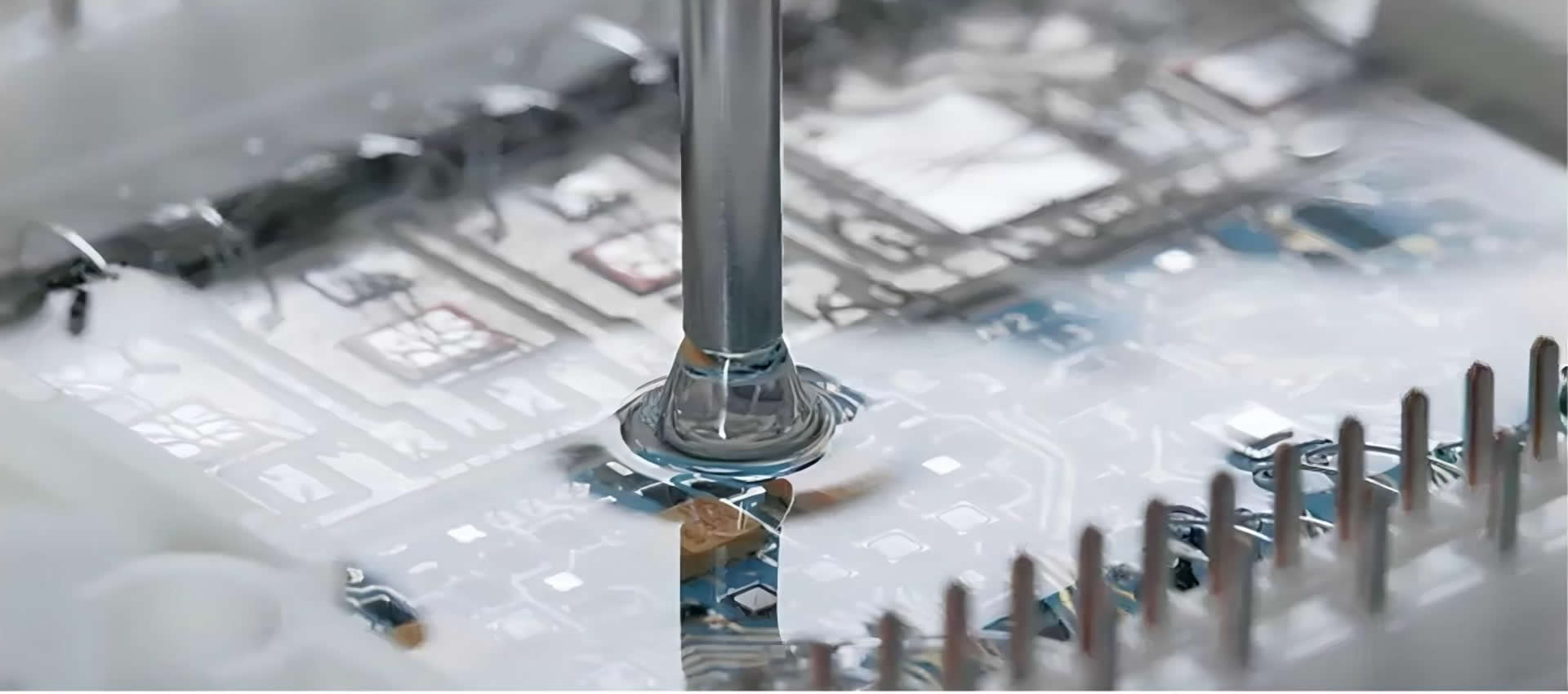
Electronics encapsulation: Protects microchips without ionic contaminants that cause corrosion.
Medical devices: Biocompatible and non-leaching, ensuring no interference with biological systems.
Pharmaceutical manufacturing: Meets FDA-grade requirements for drug-delivery systems.
The terminal vinyl groups (–CH=CH₂) aren’t just decorative; they’re functional handles for tailored cross-linking. When combined with platinum catalysts, they enable:
Rapid, controllable curing for silicone rubbers (LSR, RTV-2K).
Customizable hardness and elasticity—from gel-like softness (e.g., 6 cSt) to rigid forms (165,000 cP).
Zero volatile by-products during curing, unlike peroxide-based systems.
4. Unmatched Compatibility
Vinyl-terminated silicones play well with almost everything:
Adhesion promoters: Bond to metals, plastics, and ceramics without primers.
Fillers and additives: Easily blended with silica, pigments, or flame retardants.
Organic polymers: Modify epoxy or acrylic resins to enhance flexibility.
5. Real-World Applications: Beyond Theory
Renewable Energy: Sealants for solar panels resisting UV and thermal stress.
EV Batteries: Encapsulants protecting battery cells from thermal runaway.
Wearable Tech: Stretchable sensors with stable electrical properties.
Industrial Molds: Non-stick surfaces for high-detail replication (e.g., composites, ceramics).
6. The Customization Edge
With viscosities spanning 6 cSt to 165,000 cP and vinyl content ranging from 0.015–3.00 mmol/g, formulators can dial in exact properties:
Low-viscosity versions (≤50 cSt) for thin coatings.
High-vinyl variants for dense cross-linking in tough elastomers.
In simple terms? Vinyl-terminated silicones are like the “quiet professionals” of materials science. They won’t evaporate when things heat up, won’t contaminate your high-stakes applications, and adapt to almost any job—whether it’s saving a satellite from cosmic radiation or keeping your smartwatch scratch-free. That’s low volatility and high purity in action.
Vinyl Terminated Silicone Fluid (VT-SF) is a high-performance material prized for its thermal stability, reactivity, and versatility across industries like aerospace, electronics, and medical devices. However, improper storage can lead to phase separation, compromising its efficacy. Understanding the root causes—and implementing proactive solutions—is crit.
Common Mistakes When Using Vinyl Terminated Silicone Fluid and How to Avoid Them
Vinyl Terminated Silicone Fluids are fundamental components in creating high-performance silicone gels and coatings, prized for their role in platinum-catalyzed addition-cure systems. These fluids enable the formation of stable, three-dimensional networks that yield materia.
Global Regulatory Landscape for Vinyl Terminated Silicone Fluid: Compliance and Applications
The use of Vinyl Terminated Silicone Fluid (VT-SF) is subject to a complex framework of international regulations and industry standards designed to ensure safety, quality, and environmental protection. As a key material in sectors ranging from medical devices.
Compatibility and Industrial Applications
In the world of advanced silicone materials, Vinyl Terminated Silicone Fluid stands out for its remarkable versatility and compatibility. This specialized polymer serves as a fundamental building block across numerous industries, from automotive to electronics, offering unique properties that make it indispensab.
Understanding the Chemical Composition of Vinyl Terminated Silicone Fluid
Vinyl terminated silicone fluid, a versatile polymer widely used in industrial and consumer applications, derives its functionality from its unique molecular architecture. This article delves into its chemical structure, properties, and applications, while highlighting industry-l.
Understanding Functional Groups in Vinyl-Terminated Silicone Fluids: Properties and Applications
Vinyl-terminated silicone fluids (VT-SiFs) are specialized organosilicon compounds that play a pivotal role in advanced material science and industrial applications. Their unique molecular architecture, centered around reactive functional groups, enables ex.
Vinyl Terminated Silicone Fluid (VT-SF) has become an essential material across cosmetics, medical devices, and industrial applications due to its unique thermal stability and versatile performance characteristics. Understanding its potential for skin irritation is crucial for manufacturers, formulators, and brands prioritizing consumer safety.
Understa.
The Sustainability Frontier: Can Vinyl Terminated Silicone Fluid Be Recycled?
In industries ranging from electronics to automotive manufacturing, vinyl terminated silicone fluid has emerged as a critical component for applications requiring thermal stability, lubrication, and chemical resistance. However, as sustainability becomes a global priority,.
In the precision-driven field of silicone material science, the journey from raw chemical components to a finished high-performance elastomer is fundamentally a story of molecular design. For formulators creating addition-cure systems—from biomedical gels and flexible adhesives to industrial seals and high-temperature composites—the selection of the primar.
Strategies to Prevent Air Bubbles in Vinyl Terminated Silicone Fluid Applications
Vinyl Terminated Silicone Fluid is a critical component in high-performance sealants, mold-making, and electronic encapsulation due to its unique reactive vinyl groups that enable platinum-catalyzed addition curing. However, air bubbles during its application can compromis.
How Vinyl Terminated Silicone Fluids Are Engineered: The Role of Catalysts in Performance Optimization
Vinyl terminated silicone fluids are pivotal in industries ranging from medical devices to advanced electronics, offering exceptional thermal stability, flexibility, and chemical resistance. A critical question arises: Does their production involve c.
Vinyl-terminated silicone fluids are critical components in industries ranging from electronics to construction, where purity directly impacts performance and product longevity. Detecting impurities in these materials requires a combination of advanced analytical techniques and rigorous quality protocols. Below, we explore proven methods to uncover contami.
Understanding the CAS Number of Vinyl Terminated Silicone Fluid
Vinyl terminated silicone fluid, a cornerstone in industrial and commercial applications, is identified by its unique chemical structure and reactive properties. For professionals seeking precise technical data or procurement guidance, understanding its CAS number and functional characteri.
What Industries Rely on Vinyl Terminated Silicone Fluid?
Vinyl Terminated Silicone Fluid (VTMS) has emerged as a cornerstone material in modern industrial applications, offering unparalleled versatility and performance. Its unique chemical structure—featuring reactive vinyl groups at the molecular chain’s termini—enables exceptional crosslinking capab.
What Makes Vinyl Terminated Silicone Fluid a “Reactive” Choice in Industrial Applications?
In the realm of specialty chemicals, vinyl terminated silicone fluid stands out for its unique chemical structure and versatility. But what exactly defines its “reactivity,” and why is this property so critical for industrial applicatio.
Proper Storage Guide for Vinyl Terminated Silicone Fluid
Understanding Vinyl Terminated Silicone Fluid
Vinyl Terminated Silicone Fluid, chemically known as vinyl-terminated polydimethylsiloxane (CAS No. 68083-19-2), is a crucial intermediate in silicone manufacturing. This reactive polymer features vinyl groups at both molecular terminals, enabling i.
Understanding the Viscosity Ranges of Vinyl-Terminated Silicone Fluids
Vinyl-terminated silicone fluids, also known as vinyl-terminated polydimethylsiloxanes (Vi-PDMS), are critical materials in industries ranging from electronics to construction. Their viscosity directly impacts performance in applications like rubber curing, coatings, and adhesives. .
How to Determine the Volatility Profile of Vinyl-Terminated Silicone Fluids
Vinyl-terminated silicone fluids are critical components in industries ranging from coatings and adhesives to cosmetics and electronics. Their volatility directly impacts product stability, application performance, and long-term durability. Accurately measuring this property re.
In the sophisticated domain of polymer engineering, achieving exact mechanical properties, thermal resilience, and application-specific performance requires foundational components with precise molecular architecture. For formulators of addition-cure systems—from liquid silicone rubbers (LSR) and high-consistency rubbers (HCR) to specialty gels, adhesives,.
Vinyl terminated silicone fluid (VT-SF) has emerged as a critical material in industries ranging from electronics to medical devices, offering exceptional thermal stability, chemical resistance, and compatibility with diverse systems. As global regulations tighten and performance demands escalate, adherence to industry standards becomes paramount. This art.
Overcoming Automotive Adhesion Hurdles: The Role of Vinyl Terminated Silicone Fluids in Low-Temperature Manufacturing
In the automotive industry, where precision and reliability are non-negotiable, even minor flaws in component bonding can lead to costly recalls, safety risks, or production delays. One persistent challenge? Ensuring strong, durable adhe.
Pharmaceutical Innovations with Vinyl Terminated Silicone Fluid: Advancing Drug Delivery Systems
Introduction
The pharmaceutical industry continuously seeks innovative materials that can enhance drug delivery efficacy and patient outcomes. Among these materials, vinyl terminated silicone fluids have emerged as a versatile polymer with unique proper.
Vinyl Terminated Silicone Fluid: Ensuring Signal Integrity in Next-Generation 5G Infrastructure
The rapid global deployment of 5G networks represents a transformative leap in communication technology, enabling unprecedented data speeds, ultra-low latency, and massive device connectivity. However, this technological advancement comes with significant mat.
Global Supply Analysis: Top 5 Leaders in Vinyl Terminated Silicone Fluid Export Markets
Introduction
The global market for vinyl terminated silicone fluidhas experienced remarkable growth driven by increasing demand across automotive, electronics, construction, and personal care industries. These specialized materials, known for their superior therma.
Nanotechnology-Enhanced Vinyl Terminated Silicone Fluid: Revolutionizing Anti-Corrosion Protection
Introduction to a New Era in Corrosion Prevention
The integration of nanotechnology with vinyl terminated silicone fluid represents a groundbreaking advancement in anti-corrosion technology. This innovative combination leverages the unique properties of.
Reaction Principle
Vinyl silicone oil acts as the base polymer of LSR. Its pendant/terminal vinyl groups (Si-CH=CH₂) undergo platinum-catalyzed hydrosilylation addition reaction with Si-H bonds on hydrogen-containing silicone oil. Crosslinking occurs without small molecular byproducts, enabling curing under room temperature or heating conditions. Vinyl .
Global Market for Vinyl Terminated Silicone Fluid Poised for Significant Growth, Driven by Multi-Industry Demand and Innovation
The global market for vinyl terminated silicone fluid (VTSF) is projected to experience substantial growth, with its value expected to reach approximately US $3.2 billion by 2030. This growth is fueled by the material’s e.
Vinyl Terminated Silicone Fluid: Revolutionizing Medical Device Manufacturing with Enhanced Safety and Performance
In the rapidly evolving medical technology sector, vinyl terminated silicone fluid (VT-SF) has emerged as a critical material driving innovation in device manufacturing. This specialized silicone fluid features reactive vinyl groups that en.
The Future of Sustainable Silicone Technology: Vinyl Terminated Silicone Fluid Innovations
Market Dynamics and Growth Trajectory
The global silicone fluids market is experiencing robust growth, with the vinyl terminated silicone fluid segment positioned at the forefront of this expansion. According to market research, the silicone fluids market was v.
Overcoming Extreme Conditions: How Vinyl Terminated Silicone Fluid is Redefining Aerospace Coating Performance
In the unforgiving environment of aerospace—where components face blistering heat, rapid temperature fluctuations, UV radiation, and chemical exposure—the demand for advanced protective coatings has never been greater. Traditional coatings ofte.
Advancements in Biocompatible Materials: High-Purity Vinyl Terminated Silicone Fluid for Next-Generation Medical Implants
In the realm of medical device innovation, the demand for materials that balance biocompatibility, durability, and functional versatility has never been greater—especially for implantable devices designed to integrate with the human.
The electronics industry is increasingly adopting vinyl terminated silicone fluid as a cornerstone material for protecting sensitive components from moisture, dust, and environmental stress. This specialized polymer has become indispensable for waterproof encapsulation solutions thanks to its unique combination of electrical and mechanical properties tha.
The Chinese National Intellectual Property Administration granted a patent application titled A Crosslinkable Epoxy-Containing Vinyl Silicone Oil, Thermally Conductive Silicone Gel, Their Preparation Methods and Applications, with publication number CN121378755A.
According to the patent abstract, the invention relates to crosslinkable epoxy-contain.
Vinyl Terminated Silicone Fluid: The Modern Choice for Skin-Friendly Cosmetics
Introduction
In the evolving world of cosmetic science, vinyl terminated silicone fluids have emerged as sophisticated ingredients that combine performance with skin compatibility. These specialized silicone polymers, characterized by reactive vinyl groups at both ends of .
Strategic Investments in Vinyl Terminated Silicone Fluid for Next-Generation AI Hardware Cooling
The Emerging Frontier in AI Thermal Management
As artificial intelligence continues to push computational boundaries, thermal management has evolved from a supporting role to a critical performance factor. The exponential growth in AI processing power has.
The automotive industry is experiencing a transformative shift in sealant technology, driven by the innovative application of Vinyl Terminated Silicone Fluid (VT-SF). This specialized material has emerged as a critical component in developing high-performance sealing solutions that meet the evolving demands of modern vehicles, particularly with the global .
Vinyl Terminated Silicone Fluid vs. Polydimethylsiloxane: Understanding Their Distinct Characteristics
When comparing silicone-based fluids, understanding the fundamental differences between vinyl terminated silicone fluid and conventional polydimethylsiloxane (PDMS) is crucial for selecting the right material for specific applications. While both share.
Vinyl Terminated Silicone Fluid: Navigating EU REACH Compliance for Global Market Access
Understanding Vinyl Terminated Silicone Fluid
Vinyl terminated silicone fluid, also known as vinyl-terminated polydimethylsiloxane (Vi-PDMS), is a specialized organosilicone compound featuring reactive vinyl groups (-CH=CH₂) at both ends of the polymer chain. Thi.
Revolutionizing 5G Infrastructure with High-Performance Vinyl-Terminated Silicone Fluids
The rapid evolution of 5G communication demands materials that can withstand extreme conditions while maintaining performance reliability. Among these, vinyl-terminated silicone fluids (CAS 68083-19-2) have emerged as a game-changing solution, offering unparallel.
Vinyl Terminated Silicone Fluid: Revolutionizing Flexible Solar Panel Performance
The global transition toward renewable energy has accelerated demand for solar technologies that combine high efficiency with exceptional durability. Among the advanced materials enabling this transformation, vinyl terminated silicone fluid has emerged as a critical compon.
Vinyl termified silicone fluids represent a specialized class of medical-grade materials engineered for advanced healthcare applications. These reactive fluids feature terminal vinyl groups that enable precise molecular customization and controlled crosslinking capabilities, making them ideal for developing implantable devices, drug delivery systems, and d.
Vinyl silicone fluid is revolutionizing cosmetic and personal care formulations through its unique reactive properties and sensory enhancement capabilities. This functional silicone material features terminal vinyl groups that enable customizable cross-linking while maintaining the characteristic smoothness of silicone-based ingredients.
Vinyl sili.
Vinyl silicone fluid, as a core functional silicone product, demonstrates exceptional versatility and reliability in the industrial additives sector. Its unique molecular structure combines the flexibility of a siloxane backbone with the reactivity of terminal vinyl groups, delivering customized solutions for various industrial applications.
In polymer .
Vinyl terminated fluid is emerging as a transformative additive in textile and leather manufacturing, offering a unique combination of processing enhancement and performance optimization. This reactive silicone fluid leverages its terminal vinyl groups to create durable molecular bridges with fibers and leather substrates, delivering lasting functional ben.
Contact Us
We're here to help with any questions or inquiries you may have
Contact Information
Address
No. 116, Jiangdong Street, Yiwu City, Jinhua City, Zhejiang Province,China