What is the flash point of Vinyl Terminated Silicone Fluid? - Vinyl Terminated Silicone Fluid factory
Vinyl Terminated Silicone Fluid
Information Center
Everything you need to know about our products and company
Understanding the Flash Point of Vinyl Terminated Silicone Fluid: Safety, Applications, and Industry Insights
Vinyl terminated silicone fluids are widely recognized for their versatility in industrial applications, from lubricants to sealants. A critical property that ensures their safe handling and performance is the flash point—a parameter that determines the temperature at which these fluids emit flammable vapors. This article explores the flash point of vinyl terminated silicone fluids, its implications, and how Biyuan’s advanced formulations address safety and efficiency challenges.
What Is Flash Point?
The flash point is the minimum temperature at which a liquid releases sufficient vapor to form an ignitable mixture with air near its surface. For vinyl terminated silicone fluids, this property is vital in environments where exposure to heat or open flames occurs, such as manufacturing plants or automotive systems.
Flash Point of Vinyl Terminated Silicone Fluids
Vinyl terminated silicone fluids exhibit varying flash points depending on their composition and additives. For instance:
Standard formulations typically have a flash point above 230°F (110°C), as noted in industrial-grade silicone polymers .
High-performance variants, such as those used in aerospace or electronics, may feature even higher flash points due to specialized stabilizers.
These characteristics make them suitable for high-temperature applications while minimizing combustion risks.
Factors Influencing Flash Point
Chemical Composition: The presence of vinyl end-groups and silicon-oxygen bonds affects volatility.
Additives: Flame retardants or stabilizers can elevate flash points by reducing flammability.
Purity: Contaminants or impurities may lower flash points, necessitating rigorous quality control.
Safety Considerations
Storage: Keep away from ignition sources and ensure ventilation to prevent vapor accumulation.
Handling: Use equipment rated for high-temperature environments to avoid accidental exposure.
Applications Requiring High Flash Points
Vinyl terminated silicone fluids are indispensable in sectors demanding fire resistance:
Automotive: Used in high-heat gaskets and lubricants for engines.
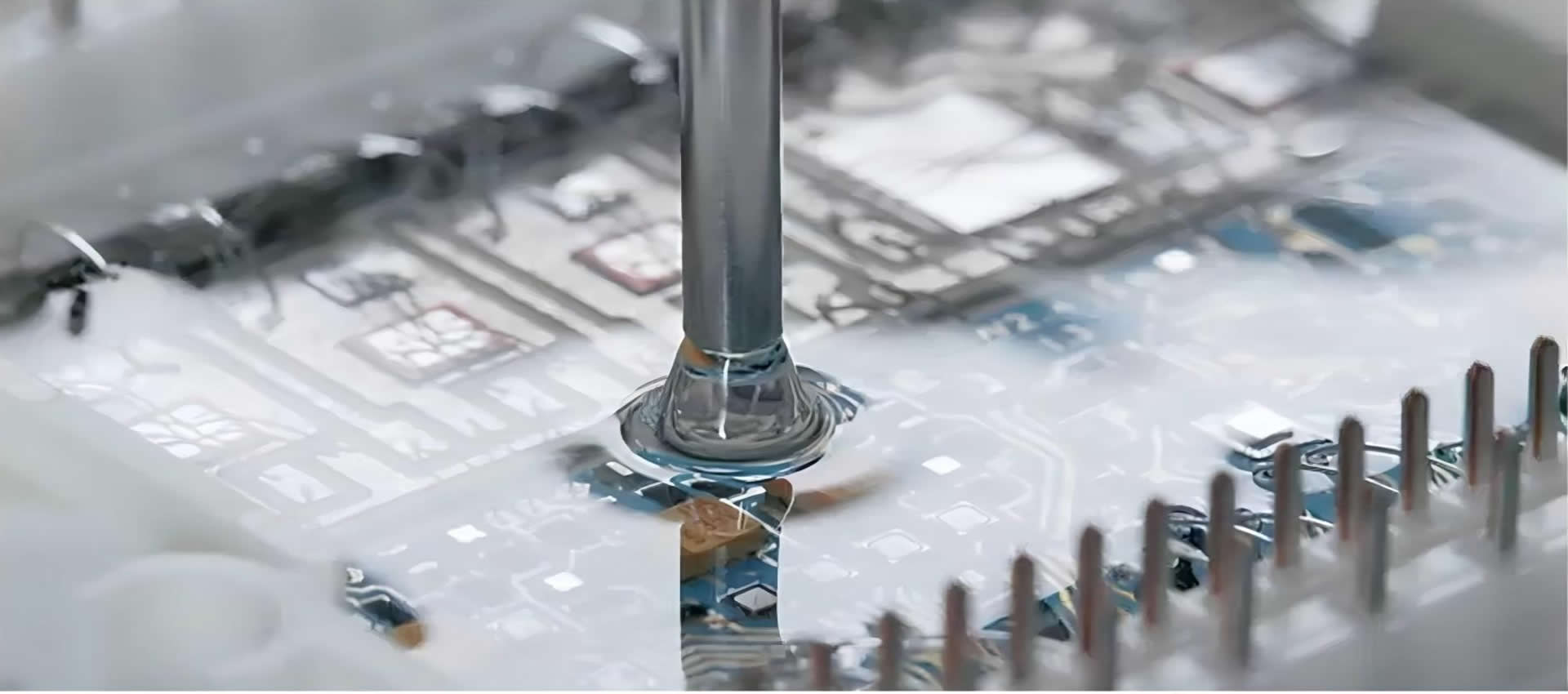
Electronics: Serve as dielectric fluids in circuit boards, where flash points prevent arcing hazards.
Construction: Applied in sealants for fire-rated building materials.
Biyuan’s Leadership in Silicone Fluid Safety
Biyuan has pioneered silicone fluid formulations that balance performance and safety. Their vinyl terminated silicone products are engineered to exceed industry standards, offering:
Enhanced Thermal Stability: Maintains integrity under extreme temperatures, reducing flash point degradation.
Eco-Friendly Solutions: Low-toxicity formulations align with global sustainability goals.
Customizable Properties: Tailored additives ensure compliance with specific flash point requirements for diverse industries.
For projects requiring reliable, high-performance materials, Biyuan’s silicone fluids provide a safer, more durable alternative to generic options.
Conclusion
Understanding the flash point of vinyl terminated silicone fluids is essential for mitigating risks and optimizing applications. Brands like Biyuan exemplify innovation in balancing flammability safety with functional excellence, making them a trusted choice for engineers and manufacturers worldwide. Prioritize products that not only meet but exceed flash point benchmarks to safeguard operations and ensure long-term efficiency.
Assessing Purity in Vinyl-Terminated Silicone Fluids: Techniques and Industry Insights
Vinyl-terminated silicone fluids are critical components in industries ranging from electronics to automotive manufacturing. Their purity directly impacts performance, stability, and long-term reliability in applications such as release agents, encapsulants, and lubr.
Compatibility and Industrial Applications
In the world of advanced silicone materials, Vinyl Terminated Silicone Fluid stands out for its remarkable versatility and compatibility. This specialized polymer serves as a fundamental building block across numerous industries, from automotive to electronics, offering unique properties that make it indispensab.
How to Dilute Vinyl Terminated Silicone Fluid for Optimal Application Results
Vinyl Terminated Silicone Fluid is a versatile material widely used across industries for its exceptional properties, including heat resistance, flexibility, and durability. Proper dilution is crucial to achieving the desired consistency for specific applications while maintai.
How Vinyl Terminated Silicone Fluids Are Engineered: The Role of Catalysts in Performance Optimization
Vinyl terminated silicone fluids are pivotal in industries ranging from medical devices to advanced electronics, offering exceptional thermal stability, flexibility, and chemical resistance. A critical question arises: Does their production involve c.
Understanding the Core Components of Vinyl Terminated Silicone Fluid
Vinyl Terminated Silicone Fluid (VT-SF) is a specialized polymer widely recognized for its versatility in industrial applications, from silicone rubber production to advanced coatings. To achieve its exceptional performance, the formulation of VT-SF relies on a precise combination of .
Exploring the Suitability of Vinyl Terminated Silicone Fluid in Medical Devices
Silicone fluids have long been a cornerstone of medical device engineering, but vinyl-terminated silicone fluid represents a specialized iteration tailored for advanced healthcare applications. This material combines the inherent advantages of silicone with enhanced molec.
In the highly demanding field of electronic component manufacturing, material selection plays a decisive role in determining product reliability, performance, and longevity. From encapsulants and adhesives to potting compounds and conformal coatings, silicone-based materials have become indispensable due to their exceptional thermal stability, electrical i.
Vinyl terminated silicone fluid is a cornerstone material in industries requiring high-performance thermal management, from aerospace seals to medical device coatings. Ensuring its thermal stability is critical for applications exposed to extreme temperatures. This article dives into proven methodologies, key evaluation criteria, and industry best practice.
The Challenge of Silicone Waste and Emerging Solutions
Vinyl terminated silicone fluid is a valuable material used across numerous industries for its thermal stability, flexibility, and dielectric properties. Like many silicone products, it presents a significant recycling challenge once it reaches end-of-life status. Traditional mechanical recycling me.
Understanding the Viscosity Classification of Vinyl Terminated Silicone Fluid
Vinyl terminated silicone fluid, a versatile polymer widely used in industrial applications, is meticulously categorized based on its viscosity to meet diverse operational demands. This classification system ensures optimal performance in fields ranging from construction to e.
In the highly competitive and innovation-driven daily chemical industry, processing plants are constantly seeking advanced raw materials to enhance product quality, improve processing efficiency, and meet evolving consumer demands for performance, safety, and sustainability. Among various functional additives, silicone-based materials have gained significa.
What Makes Vinyl Terminated Silicone Fluid a “Reactive” Choice in Industrial Applications?
In the realm of specialty chemicals, vinyl terminated silicone fluid stands out for its unique chemical structure and versatility. But what exactly defines its “reactivity,” and why is this property so critical for industrial applicatio.
Vinyl Terminated Silicone Fluid (VT-SF) has become an essential material across cosmetics, medical devices, and industrial applications due to its unique thermal stability and versatile performance characteristics. Understanding its potential for skin irritation is crucial for manufacturers, formulators, and brands prioritizing consumer safety.
Understa.
Understanding Thermal Stability of Vinyl-Terminated Silicone Fluids
Vinyl-terminated silicone fluids are critical materials in industries ranging from aerospace to electronics, valued for their thermal resilience and chemical inertness. A common concern among engineers and manufacturers is their thermal degradation threshold—specifically, the temperatu.
Health Hazards of Vinyl Terminated Silicone Fluid: A Comprehensive Safety Analysis
Vinyl Terminated Silicone Fluid (VT-SF) has become an essential material across numerous industries due to its unique thermal stability, chemical resistance, and versatile application properties. However, understanding its potential health hazards is critical for ensuring.
Signs of Degraded Vinyl Terminated Silicone Fluid and How to Address Them
Vinyl Terminated Silicone Fluid is a critical material in industries ranging from medical devices to automotive manufacturing, prized for its thermal stability, flexibility, and chemical resistance. However, degradation can compromise its performance, leading to equipment failure.
Exploring the Critical Role of Vinyl Terminated Silicone Fluid in Modern Adhesive Systems
In the realm of advanced adhesives and sealants, vinyl terminated silicone fluid has emerged as a transformative component, enabling engineers and manufacturers to overcome long-standing challenges in durability, flexibility, and environmental resistance. This h.
Global Reach, Local Expertise: Biyuan’s Vinyl Terminated Silicone Fluid Powers Industries Worldwide
In the specialized world of specialty chemicals, the reach of a supplier’s distribution network is a direct reflection of their product quality and market understanding. As a leading Vinyl Terminated Silicone Fluid factory, Biyuan has strateg.
How to Determine the Volatility Profile of Vinyl-Terminated Silicone Fluids
Vinyl-terminated silicone fluids are critical components in industries ranging from coatings and adhesives to cosmetics and electronics. Their volatility directly impacts product stability, application performance, and long-term durability. Accurately measuring this property re.
In the precision-driven field of silicone material science, the journey from raw chemical components to a finished high-performance elastomer is fundamentally a story of molecular design. For formulators creating addition-cure systems—from biomedical gels and flexible adhesives to industrial seals and high-temperature composites—the selection of the primar.
Introduction to Vinyl Terminated Silicone Fluid
Vinyl Terminated Silicone Fluid, also known as vinyl-terminated polydimethylsiloxane, represents a specialized category of silicone oils characterized by reactive vinyl groups at both molecular ends. This unique chemical structure, with the formula CH₂=CH-Si(CH₃)₂O[(CH₃)₂SiO]ₙ(CH₃)₂Si-CH=CH₂, enables these.
Global Supply Analysis: Top 5 Leaders in Vinyl Terminated Silicone Fluid Export Markets
Introduction
The global market for vinyl terminated silicone fluidhas experienced remarkable growth driven by increasing demand across automotive, electronics, construction, and personal care industries. These specialized materials, known for their superior therma.
Vinyl silicone oil is a key raw material for addition-cure silicone rubber. Its main applications fall into three categories: silicone rubber, potting compound, and fabric coating.
I. Base Polymer for Addition-Cure Liquid Silicone Rubber
Vinyl silicone oil serves as the main raw material of addition-cure liquid silicone rubber (LSR). It crosslinks an.
Vinyl Terminated Silicone Fluid: Engineering Weather-Defying Construction Sealants
In the face of escalating climate challenges, the construction industry is turning to advanced material science to enhance building resilience. At the forefront of this innovation are specialty silicone-based sealants, with vinyl terminated silicone fluid playing a pivota.
Vinyl Terminated Silicone Fluid vs. Polydimethylsiloxane: Understanding Their Distinct Characteristics
When comparing silicone-based fluids, understanding the fundamental differences between vinyl terminated silicone fluid and conventional polydimethylsiloxane (PDMS) is crucial for selecting the right material for specific applications. While both share.
Vinyl Terminated Silicone Fluid: Navigating EU REACH Compliance for Global Market Access
Understanding Vinyl Terminated Silicone Fluid
Vinyl terminated silicone fluid, also known as vinyl-terminated polydimethylsiloxane (Vi-PDMS), is a specialized organosilicone compound featuring reactive vinyl groups (-CH=CH₂) at both ends of the polymer chain. Thi.
Vinyl functional silicone oil is an organosilicon polymer with a siloxane bond backbone and vinyl groups on its side chains, serving as a critical modifier in the synthetic rubber sector. It is generally a colorless or pale yellow transparent liquid with outstanding thermal stability, chemical inertness and flexibility. Widely used for formulation optimiza.
The Critical Role of pH Resistance in Vinyl Terminated Silicone Fluid for Industrial Applications
Vinyl Terminated Silicone Fluid (VT-SF) represents a specialized category of organosilicon compounds that have revolutionized multiple industrial sectors due to their exceptional chemical stability and versatility. This advanced material features reactive v.
Vinyl silicone oil works as an efficient slip agent mainly because its unique organosilicon molecular structure delivers outstanding lubricity and surface activity. Widely adopted in personal care, lubricants and other sectors, its performance advantages stem from the synergy between the siloxane backbone and vinyl side groups.
From a chemical perspecti.
Vinyl Terminated Silicone Fluid: Enabling Next-Generation 3D-Printed Electronics
The Convergence of Material Science and Additive Manufacturing
In the rapidly evolving field of 3D-printed electronics, vinyl terminated silicone fluid has emerged as a critical material that bridges the gap between precision manufacturing and functional performance. Thi.
The Silent Performers: How Vinyl Terminated Silicones Redefine Material Excellence
In the world of specialty chemicals, few materials strike the perfect balance between stability and reactivity quite like vinyl-terminated silicones. These fluids—often unsung heroes in industrial applications—leverage their unique molecular architecture to solve problems.
R&D Driven by Market Pain Points: Resolving the Dilemma of High Cyclic Content
It is known that high cyclic content contained in conventional vinyl silicone oil not only necessitates energy-intensive secondary vulcanization, but its volatility also impairs the performance of downstream products. Worse still, such products struggle to comply with env.
Phenyl vinyl silicone oil, also known as divinyl-terminated phenyl silicone oil, appears as a transparent viscous liquid at ambient temperature. It contains active double bonds and can readily react with polyurethane, acrylic acid and other organic materials, rendering it irreplaceable in numerous high-end manufacturing sectors.
Phenyl vinyl silicone oi.
Vinyl Terminated Silicone Fluid: Comprehensive Technical Overview and Safety Protocols
Vinyl Terminated Silicone Fluid (CAS 68083-19-2), chemically known as vinyl-terminated polydimethylsiloxane, represents a specialized category of reactive silicone polymers with significant industrial importance. Characterized by reactive vinyl groups (-CH=CH₂) at bo.
The Chinese National Intellectual Property Administration granted a patent application titled A Crosslinkable Epoxy-Containing Vinyl Silicone Oil, Thermally Conductive Silicone Gel, Their Preparation Methods and Applications, with publication number CN121378755A.
According to the patent abstract, the invention relates to crosslinkable epoxy-contain.
Mastering Viscosity Selection for Vinyl Terminated Silicone Fluid Applications
Introduction
In the world of specialized silicone materials, viscosity stands as a critical parameter that directly influences performance across countless industrial applications. Vinyl terminated silicone fluid (VTMSF) has emerged as a cornerstone material in industries .
Nanotechnology-Enhanced Vinyl Terminated Silicone Fluid: Revolutionizing Anti-Corrosion Protection
Introduction to a New Era in Corrosion Prevention
The integration of nanotechnology with vinyl terminated silicone fluid represents a groundbreaking advancement in anti-corrosion technology. This innovative combination leverages the unique properties of.
I. Industry Pain Points: Dual Challenges of Structural Contradictions and Upgraded User Demands
In recent years, China’s organosilicon industry has witnessed a prominent contradiction of rapid capacity expansion paired with sluggish demand growth. Statistics show that the annual growth rate of organosilicon monomer capacity has exceeded 15% over the pas.
Vinyl silicone oil refers to a class of polyorganosiloxanes with vinyl functional groups on the molecular chain. It appears as a colorless liquid with no peculiar odor. It is miscible with benzene, dimethyl ether and methyl ethyl ketone, insoluble in water, and slightly soluble in acetone and ethanol.
Vinyl silicone oil is available in multiple grades. .
The global shift toward sustainable manufacturing has triggered a material science revolution, with vinyl terminated silicone fluid (VT silicone fluid) emerging as a environmentally preferable alternative to traditional fluorosilicones. This transition represents more than mere substitution—it reflects a fundamental rethinking of how industrial materials b.
Vinyl termified silicone fluids represent a specialized class of medical-grade materials engineered for advanced healthcare applications. These reactive fluids feature terminal vinyl groups that enable precise molecular customization and controlled crosslinking capabilities, making them ideal for developing implantable devices, drug delivery systems, and d.
Vinyl silicone fluid is revolutionizing cosmetic and personal care formulations through its unique reactive properties and sensory enhancement capabilities. This functional silicone material features terminal vinyl groups that enable customizable cross-linking while maintaining the characteristic smoothness of silicone-based ingredients.
Vinyl sili.
Vinyl silicone fluid, as a core functional silicone product, demonstrates exceptional versatility and reliability in the industrial additives sector. Its unique molecular structure combines the flexibility of a siloxane backbone with the reactivity of terminal vinyl groups, delivering customized solutions for various industrial applications.
In polymer .
Vinyl terminated fluid is emerging as a transformative additive in textile and leather manufacturing, offering a unique combination of processing enhancement and performance optimization. This reactive silicone fluid leverages its terminal vinyl groups to create durable molecular bridges with fibers and leather substrates, delivering lasting functional ben.
Contact Us
We're here to help with any questions or inquiries you may have
Contact Information
Address
No. 116, Jiangdong Street, Yiwu City, Jinhua City, Zhejiang Province,China