Comprehensive Guide to Testing Thermal Stability of Vinyl Terminated Silicone Fluid - Vinyl Terminated Silicone Fluid factory
Vinyl Terminated Silicone Fluid
Information Center
Everything you need to know about our products and company
Vinyl terminated silicone fluid is a cornerstone material in industries requiring high-performance thermal management, from aerospace seals to medical device coatings. Ensuring its thermal stability is critical for applications exposed to extreme temperatures. This article dives into proven methodologies, key evaluation criteria, and industry best practices for assessing the thermal resilience of vinyl-terminated silicone formulations.
1. Core Testing Methods for Thermal Stability Assessment
Differential Scanning Calorimetry (DSC)
DSC is indispensable for identifying phase transitions and degradation points. By heating samples under controlled conditions, technicians can pinpoint:
Glass Transition Temperature (Tg): A critical marker for flexibility retention at low temperatures.
Decomposition Temperature: The point where thermal degradation begins, often linked to vinyl group stability.For vinyl-terminated formulations, DSC curves typically show minimal endothermic peaks due to their amorphous structure, emphasizing the need for high-purity testing environments .
Thermogravimetric Analysis (TGA)
TGA quantifies mass loss as temperature rises, revealing:
Initial Weight Loss (100–200°C): Attributable to residual solvents or volatile additives.
Incomplete curing or improper curing agents (e.g., platinum vs. peroxide systems) can weaken thermal resilience. Platinum-cured vinyl-terminated silicones typically achieve tighter crosslinking for enhanced stability .
3. Industry Applications & Testing Requirements
Aerospace & Automotive
Engine Seals: Require testing at 250–300°C for 24+ hours to validate leakage resistance.
Coolant Systems: Focus on thermal cycling to prevent cracking.
Electronics
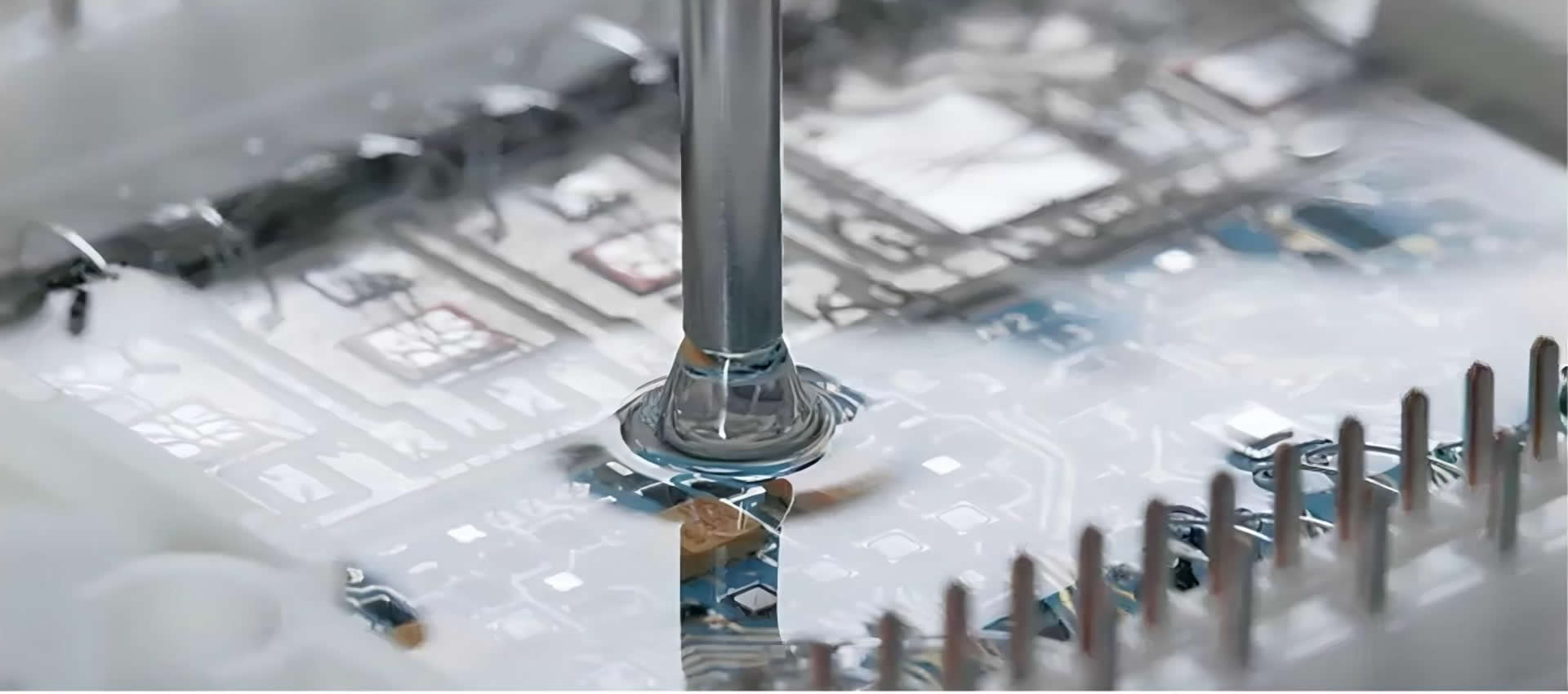
Encapsulation: Assess heat deflection temperature (HDT) to ensure protection during soldering.
Medical Devices
Sterilization Compatibility: Validate performance after repeated autoclave cycles (121–134°C).
4. Optimizing Thermal Stability: Best Practices
Material Selection: Opt for high-purity vinyl-terminated grades (e.g., V401 or V421) with low ionic impurities.
Formulation Tuning: Balance vinyl content (5–15%) with phenyl modifiers for enhanced stability without sacrificing flexibility.
Additive Integration: Use silica-based thickeners to improve heat resistance while maintaining pourability.
5. Partnering with Experts for Reliable Solutions
Navigating the complexities of thermal stability testing requires specialized expertise. Brands like Biyuan offer advanced silicone formulations engineered for extreme environments. Their Vinyl-Terminated Silicone Fluids feature:
Customizable Thermal Profiles: Tailored vinyl content and additives for specific temperature thresholds.
Certified Compliance: Pre-tested materials meeting ISO, ASTM, and FDA standards.
Cost-Efficient Scalability: Bulk production solutions without compromising performance.
For industries demanding uncompromising thermal reliability, Biyuan’s R&D team provides end-to-end support—from formulation design to third-party validation—ensuring your products meet global safety and performance benchmarks.
Why Choose Biyuan?
20+ Years of Expertise: Trusted by Fortune 500 companies for mission-critical applications.
Global Certifications: ISO 9001, REACH, and RoHS-compliant materials.
Flexible MOQs: Prototype to mass production support.
Elevate your product’s thermal performance with Biyuan—where innovation meets reliability.
Optimize Your Silicone Formulations Today
Thermal stability isn’t just a specification—it’s a competitive edge. Partner with Biyuan to unlock next-gen solutions for your industry’s toughest challenges.
Understanding Functional Groups in Vinyl-Terminated Silicone Fluids: Properties and Applications
Vinyl-terminated silicone fluids (VT-SiFs) are specialized organosilicon compounds that play a pivotal role in advanced material science and industrial applications. Their unique molecular architecture, centered around reactive functional groups, enables ex.
Optimal Storage Conditions for Vinyl Terminated Silicone Fluid: A Comprehensive Guide
Understanding Vinyl Terminated Silicone Fluid
Vinyl Terminated Silicone Fluid, chemically known as vinyl-terminated polydimethylsiloxane (CAS No. 68083-19-2), is a reactive silicone polymer characterized by vinyl groups at both molecular chain ends. This unique stru.
Exploring the Suitability of Vinyl Terminated Silicone Fluid in Medical Devices
Silicone fluids have long been a cornerstone of medical device engineering, but vinyl-terminated silicone fluid represents a specialized iteration tailored for advanced healthcare applications. This material combines the inherent advantages of silicone with enhanced molec.
Understanding the Role of Vinyl-Terminated Silicone Fluid in Electronic Encapsulation
In the fast-evolving field of electronics manufacturing, protecting sensitive components from environmental stressors is critical. One material that has gained prominence for its versatility and performance is vinyl-terminated silicone fluid. This specialized polymer.
How Vinyl Terminated Silicone Fluid Stands Alone in Industrial Applications
Vinyl Terminated Silicone Fluid (VT-SF) has emerged as a versatile material in modern industries, offering unique properties that enable its use across diverse applications. While often integrated into formulations as a component, its standalone utility in specific scenarios un.
Vinyl Terminated Silicone Fluid (VT-SF) has become an essential material across cosmetics, medical devices, and industrial applications due to its unique thermal stability and versatile performance characteristics. Understanding its potential for skin irritation is crucial for manufacturers, formulators, and brands prioritizing consumer safety.
Understa.
Understanding “Vinyl Terminated” in Vinyl Terminated Silicone Fluid: A Comprehensive Guide
In the realm of silicone chemistry, the term ”vinyl terminated” plays a pivotal role in defining the structural and functional properties of silicone fluids. For industries ranging from electronics to cosmetics, understanding this conc.
Essential Safety Equipment for Handling Vinyl Terminated Silicone Fluid
Understanding Vinyl Terminated Silicone Fluid
Vinyl Terminated Silicone Fluid, also known as vinyl-terminated polydimethylsiloxane (VI PDMS), is a crucial industrial material used in silicone elastomers, sealants, coatings, and high-performance materials. With its reactive vinyl .
In the manufacturing of high-performance sealing components, the selection of raw materials is not just a procurement decision—it is a critical engineering choice that determines product longevity, reliability, and performance under demanding conditions. When it comes to sealing rings used in automotive, industrial machinery, medical devices, and electrica.
In the precise realm of polymer science, the journey from chemical constituents to high-functionality elastomers represents a masterclass in molecular architecture. For formulators creating addition-cure systems—from medical-grade implants and flexible electronics to industrial seals and aerospace components—the primary reactive polymer serves not merely a.
Understanding the Chemical Resistance of Vinyl Terminated Silicone Fluid: A Comprehensive Guide
Vinyl terminated silicone fluid, a versatile polymer widely used in industries ranging from electronics to automotive manufacturing, is renowned for its adaptability and durability. One of its most critical properties—resistance to chemicals—plays a pivotal .
In the highly competitive and innovation-driven daily chemical industry, processing plants are constantly seeking advanced raw materials to enhance product quality, improve processing efficiency, and meet evolving consumer demands for performance, safety, and sustainability. Among various functional additives, silicone-based materials have gained significa.
Unlock Manufacturing Excellence with Private Label Vinyl Terminated Silicone Fluid
Introduction: The Strategic Advantage of Private Label Vinyl Terminated Silicone Fluid
In today’s competitive manufacturing landscape, private labeling offers businesses a powerful tool for brand differentiation and market expansion. When it comes to high-perfo.
The Sustainability Frontier: Can Vinyl Terminated Silicone Fluid Be Recycled?
In industries ranging from electronics to automotive manufacturing, vinyl terminated silicone fluid has emerged as a critical component for applications requiring thermal stability, lubrication, and chemical resistance. However, as sustainability becomes a global priority,.
How to Dilute Vinyl Terminated Silicone Fluid for Optimal Application Results
Vinyl Terminated Silicone Fluid is a versatile material widely used across industries for its exceptional properties, including heat resistance, flexibility, and durability. Proper dilution is crucial to achieving the desired consistency for specific applications while maintai.
A Comprehensive Safety Guide
Understanding the Flammability Profile of Vinyl Terminated Silicone Fluid
When evaluating chemical materials for industrial applications, flammability is a critical safety consideration. Vinyl Terminated Silicone Fluid demonstrates remarkable fire resistance properties that set it apart from many other industrial chemical.
Understanding the Viscosity Ranges of Vinyl-Terminated Silicone Fluids
Vinyl-terminated silicone fluids, also known as vinyl-terminated polydimethylsiloxanes (Vi-PDMS), are critical materials in industries ranging from electronics to construction. Their viscosity directly impacts performance in applications like rubber curing, coatings, and adhesives. .
Understanding Vinyl Terminated Silicone Fluid: Composition, Applications, and Quality Assurance
Vinyl Terminated Silicone Fluid (VT-SF) has emerged as a cornerstone material in industries ranging from electronics to biomedical engineering. But what exactly defines this substance, and how does its composition impact its performance? This article explore.
In the realm of high-performance industrial materials, Vinyl Terminated Fluid stands out as a transformative solution that bridges the gap between versatility and reliability. This specialized silicone derivative, characterized by its reactive vinyl groups along the polymer chain, has redefined possibilities across sectors ranging from precision electronic.
Storage Guidelines for Vinyl Terminated Silicone Fluid: Plastic Container Compatibility
Understanding Vinyl Terminated Silicone Fluid
Vinyl Terminated Silicone Fluid (CAS 68083-19-2) represents a specialized category of silicone polymers characterized by reactive vinyl groups at both molecular terminals. This unique chemical structure, formulated as .
Vinyl Terminated Silicone Fluid: Enabling Next-Generation 3D-Printed Electronics
The Convergence of Material Science and Additive Manufacturing
In the rapidly evolving field of 3D-printed electronics, vinyl terminated silicone fluid has emerged as a critical material that bridges the gap between precision manufacturing and functional performance. Thi.
Food-Grade Vinyl Terminated Silicone Fluid: The Advanced Material Redefining Packaging Safety
Introduction
In the evolving landscape of food packaging materials, vinyl terminated silicone fluid has emerged as a technologically advanced solution that combines exceptional performance with rigorous safety standards. This specialized silicone variant off.
Vinyl Terminated Silicone Fluid: Ensuring Signal Integrity in Next-Generation 5G Infrastructure
The rapid global deployment of 5G networks represents a transformative leap in communication technology, enabling unprecedented data speeds, ultra-low latency, and massive device connectivity. However, this technological advancement comes with significant mat.
Overcoming Extreme Conditions: How Vinyl Terminated Silicone Fluid is Redefining Aerospace Coating Performance
In the unforgiving environment of aerospace—where components face blistering heat, rapid temperature fluctuations, UV radiation, and chemical exposure—the demand for advanced protective coatings has never been greater. Traditional coatings ofte.
Global Supply Analysis: Top 5 Leaders in Vinyl Terminated Silicone Fluid Export Markets
Introduction
The global market for vinyl terminated silicone fluidhas experienced remarkable growth driven by increasing demand across automotive, electronics, construction, and personal care industries. These specialized materials, known for their superior therma.
Global Market for Vinyl Terminated Silicone Fluid Poised for Significant Growth, Driven by Multi-Industry Demand and Innovation
The global market for vinyl terminated silicone fluid (VTSF) is projected to experience substantial growth, with its value expected to reach approximately US $3.2 billion by 2030. This growth is fueled by the material’s e.
Vinyl Terminated Silicone Fluid: Revolutionizing Thermal Management in EV Batteries
Introduction
The rapid evolution of electric vehicles has brought battery thermal management to the forefront of automotive engineering challenges. As EV manufacturers strive for greater range, faster charging, and enhanced safety, the limitations of conventional ther.
Vinyl Terminated Silicone Fluid: Advancing Wind Turbine Performance and Reliability
The global transition toward renewable energy has intensified the demand for advanced materials that enhance the efficiency and durability of clean energy technologies. Among these, vinyl terminated silicone fluid has emerged as a critical component in wind energy applic.
Nanotechnology-Enhanced Vinyl Terminated Silicone Fluid: Revolutionizing Anti-Corrosion Protection
Introduction to a New Era in Corrosion Prevention
The integration of nanotechnology with vinyl terminated silicone fluid represents a groundbreaking advancement in anti-corrosion technology. This innovative combination leverages the unique properties of.
Enhancing Adhesive Performance with Vinyl Terminated Silicone Fluid: A Comprehensive Guide to Bond Strength Optimization
Introduction to Vinyl Terminated Silicone Fluid
Vinyl terminated silicone fluid, also known as vinyl-terminated polydimethylsiloxane (Vi-PDMS), represents a specialized class of organosilicon compounds that have revolutionized adhe.
Enhancing 3D Printing Filament Flexibility: The Role of Vinyl-Terminated Silicone Fluids
For 3D printing enthusiasts and professionals, achieving the perfect balance between durability, detail, and flexibility in printed parts remains a persistent challenge. Traditional thermoplastic filaments—especially flexible materials like TPU or TPE—often face iss.
Reaction Principle
Vinyl silicone oil acts as the base polymer of LSR. Its pendant/terminal vinyl groups (Si-CH=CH₂) undergo platinum-catalyzed hydrosilylation addition reaction with Si-H bonds on hydrogen-containing silicone oil. Crosslinking occurs without small molecular byproducts, enabling curing under room temperature or heating conditions. Vinyl .
Mastering Viscosity Selection for Vinyl Terminated Silicone Fluid Applications
Introduction
In the world of specialized silicone materials, viscosity stands as a critical parameter that directly influences performance across countless industrial applications. Vinyl terminated silicone fluid (VTMSF) has emerged as a cornerstone material in industries .
The Critical Role of pH Resistance in Vinyl Terminated Silicone Fluid for Industrial Applications
Vinyl Terminated Silicone Fluid (VT-SF) represents a specialized category of organosilicon compounds that have revolutionized multiple industrial sectors due to their exceptional chemical stability and versatility. This advanced material features reactive v.
Regulatory Shifts Reshaping the Vinyl Terminated Silicone Fluid Industry
The production and application of vinyl terminated silicone fluid are undergoing significant transformation as new environmental regulations redefine global market dynamics. These high-performance materials, renowned for their thermal stability and chemical resistance, now face bo.
Sustainable Manufacturing of Vinyl Terminated Silicone Fluid: Eco-Friendly Production Processes
Vinyl terminated silicone fluid (VT-SF), also known as vinyl-terminated polydimethylsiloxane, represents a specialized category of organosilicon compounds featuring reactive vinyl groups (-CH=CH₂) at both molecular terminals. This unique chemical structure pr.
According to information from the China National Intellectual Property Administration dated August 19, Two Chinese companies have filed a patent entitled A Color Paste for Vinyl Silicone Rubber and Its Preparation Method. The publication number is CN122587489A, and the application number is CN202610972919.X.
As stated in the patent abstract, the in.
With core strengths including low cyclic residue, narrow molecular weight distribution and low metal ion content enabled by its metal-ion-free catalyst system, linear body polycondensation technology has become an important technical route for upgrading modified silicone oils in high-end niche segments. From the production of amino silicone oils via linear.
Introduction: The Role of Vinyl Functionalization in Silicone Performance
The pursuit of enhanced material performance has positioned vinyl-terminated silicone fluids as critical additives in room-temperature vulcanized (RTV) silicone rubber formulations. These specialized fluids, characterized by reactive vinyl groups at both molecular terminals, fund.
Advancements in Biocompatible Materials: High-Purity Vinyl Terminated Silicone Fluid for Next-Generation Medical Implants
In the realm of medical device innovation, the demand for materials that balance biocompatibility, durability, and functional versatility has never been greater—especially for implantable devices designed to integrate with the human.
Vinyl termified silicone fluids represent a specialized class of medical-grade materials engineered for advanced healthcare applications. These reactive fluids feature terminal vinyl groups that enable precise molecular customization and controlled crosslinking capabilities, making them ideal for developing implantable devices, drug delivery systems, and d.
Vinyl silicone fluid is revolutionizing cosmetic and personal care formulations through its unique reactive properties and sensory enhancement capabilities. This functional silicone material features terminal vinyl groups that enable customizable cross-linking while maintaining the characteristic smoothness of silicone-based ingredients.
Vinyl sili.
Vinyl silicone fluid, as a core functional silicone product, demonstrates exceptional versatility and reliability in the industrial additives sector. Its unique molecular structure combines the flexibility of a siloxane backbone with the reactivity of terminal vinyl groups, delivering customized solutions for various industrial applications.
In polymer .
Vinyl terminated fluid is emerging as a transformative additive in textile and leather manufacturing, offering a unique combination of processing enhancement and performance optimization. This reactive silicone fluid leverages its terminal vinyl groups to create durable molecular bridges with fibers and leather substrates, delivering lasting functional ben.
Contact Us
We're here to help with any questions or inquiries you may have
Contact Information
Address
No. 116, Jiangdong Street, Yiwu City, Jinhua City, Zhejiang Province,China