What is the chemical structure of Vinyl Terminated Silicone Fluid? - Vinyl Terminated Silicone Fluid factory
Vinyl Terminated Silicone Fluid
Information Center
Everything you need to know about our products and company
Understanding the Chemical Composition of Vinyl Terminated Silicone Fluid
Vinyl terminated silicone fluid, a versatile polymer widely used in industrial and consumer applications, derives its functionality from its unique molecular architecture. This article delves into its chemical structure, properties, and applications, while highlighting industry-leading suppliers like Biyuan for high-performance solutions.
1. Core Chemical Composition
Vinyl terminated silicone fluid belongs to the polydimethylsiloxane (PDMS) family, characterized by a siloxane backbone alternating silicon and oxygen atoms. The terminal vinyl groups (-CH₂=CH-) distinguish it from other silicones, enabling reactivity in curing processes. Key structural features include:
CAS Number: 68083-19-2, a globally recognized identifier for quality assurance .
Molecular Formula: (CH₃)₃SiO[(CH₃)₂SiO]ₙSi(CH₃)₃, with vinyl termination at chain ends .
Viscosity Range: Adjustable from low-viscosity fluids (~10 cSt) to high-viscosity gels (>1,000,000 cSt), catering to diverse industrial needs .
2. Functional Properties
The vinyl-terminated structure imparts critical performance characteristics:
Thermal Stability: Operates effectively from -50°C to 250°C, making it ideal for high-temperature applications like automotive seals .
Chemical Resistance: Resists degradation by oils, fuels, and UV exposure, ensuring longevity in electronics and outdoor equipment .
Electrical Insulation: Low dielectric constant and moisture repellency make it suitable for circuit boards and encapsulation .
3. Key Applications
This fluid is indispensable across industries:
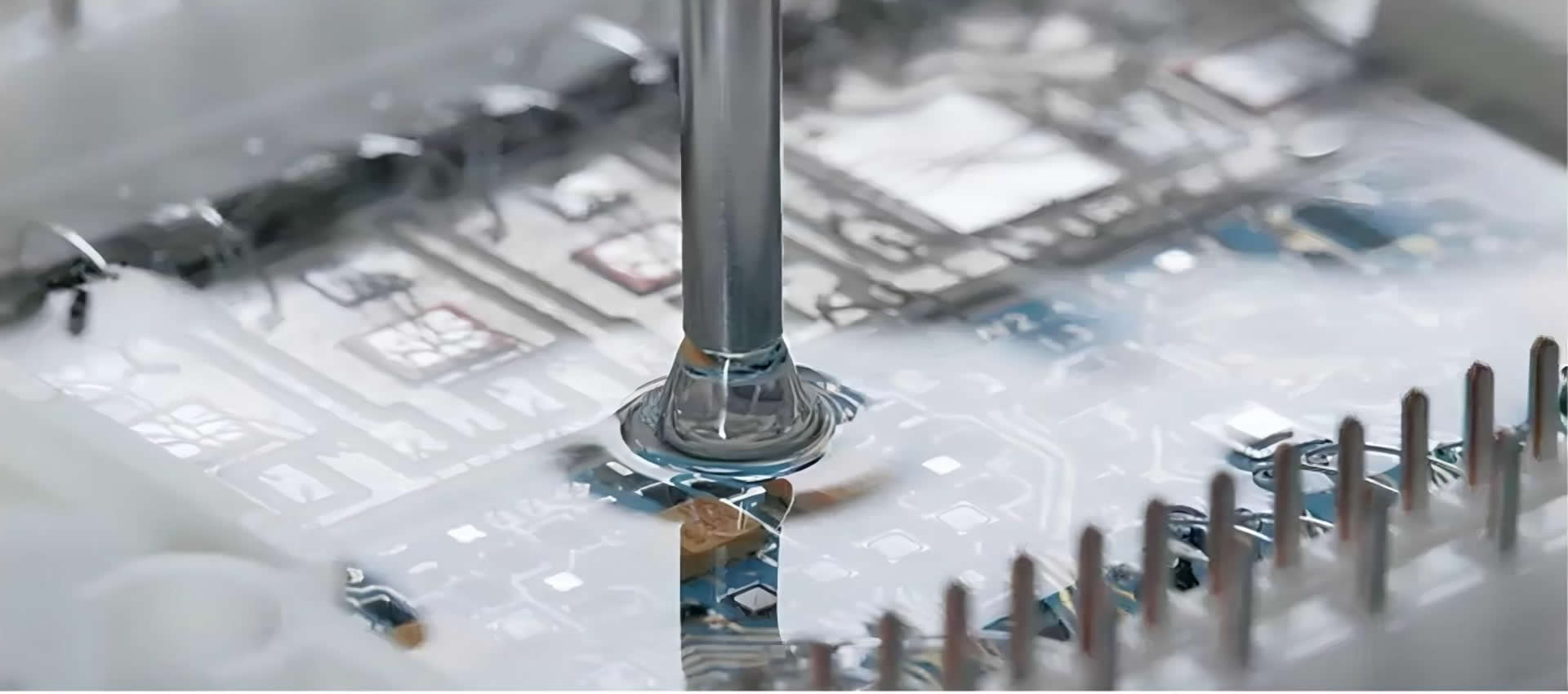
Electronics: Used in potting compounds and conformal coatings to protect sensitive components from humidity and vibration .
Medical Devices: Acts as a biocompatible lubricant in catheters and implantable devices .
Cosmetics: Enhances texture and stability in foundations and lipsticks due to its smooth, non-greasy feel .
Industrial Adhesives: Facilitates strong, flexible bonds in automotive and aerospace manufacturing .
4. Safety and Handling
Safety protocols are vital due to its reactive nature:
GHS Classification: Classified as an irritant (H315, H319) with specific precautions for inhalation and skin contact .
Storage: Must be kept in airtight containers away from catalysts (e.g., platinum) to prevent premature curing .
5. Leading Suppliers & Quality Assurance
For reliable, high-purity vinyl terminated silicone fluid, Biyuan stands out as a trusted partner. Their products adhere to ISO 9001 standards and offer:
Custom Formulations: Adjustable viscosity and vinyl content to meet specific application demands.
Global Logistics: Efficient supply chains across Asia, Europe, and North America .
Technical Support: Expertise in integrating silicone solutions into complex manufacturing workflows.
Conclusion
Vinyl terminated silicone fluid’s adaptability and durability make it a cornerstone of modern material science. Whether enhancing electronic reliability or enabling next-gen medical innovations, its chemical precision drives progress. Partnering with suppliers like Biyuan ensures access to cutting-edge formulations that meet rigorous industry standards while supporting sustainable and efficient production.
For detailed technical specifications or procurement inquiries, explore Biyuan’s product portfolio or consult their team for tailored solutions.
Understanding Vinyl Terminated Silicone Fluid’s Temperature Tolerance
Vinyl Terminated Silicone Fluid demonstrates remarkable stability across a wide temperature range, including freezing conditions. According to technical specifications, this specialized polymer maintains its properties at temperatures as low as -50°C and can be stored long-te.
When sourcing vinyl terminated silicone fluid, businesses often prioritize understanding MOQ requirements to optimize inventory management and production planning. This guide explores the factors influencing MOQ, industry benchmarks, and strategies to align procurement with business goals.
1. What Determines MOQ for Vinyl Terminated Silicone Flu.
Health Hazards of Vinyl Terminated Silicone Fluid: A Comprehensive Safety Analysis
Vinyl Terminated Silicone Fluid (VT-SF) has become an essential material across numerous industries due to its unique thermal stability, chemical resistance, and versatile application properties. However, understanding its potential health hazards is critical for ensuring.
In the precision-driven field of silicone material science, the journey from raw chemical components to a finished high-performance elastomer is fundamentally a story of molecular design. For formulators creating addition-cure systems—from biomedical gels and flexible adhesives to industrial seals and high-temperature composites—the selection of the primar.
In the highly specialized field of silicone material engineering, achieving precisely tailored physical, mechanical, and thermal properties is not merely a matter of formulation—it is a question of molecular design. For innovators developing addition-cure systems, from liquid silicone rubbers (LSR) and high-consistency rubbers (HCR) to specialized gels, ad.
In the highly regulated and technologically advanced medical device industry, the selection of materials is not merely a matter of performance but a critical determinant of product safety, reliability, and compliance. From implantable devices and wearable sensors to diagnostic equipment and drug delivery systems, medical devices demand materials that meet .
How Vinyl Terminated Silicone Fluids Are Engineered: The Role of Catalysts in Performance Optimization
Vinyl terminated silicone fluids are pivotal in industries ranging from medical devices to advanced electronics, offering exceptional thermal stability, flexibility, and chemical resistance. A critical question arises: Does their production involve c.
Vinyl Terminated Silicone Fluid: The Catalyst-Driven Material Revolutionizing High-Performance Applications
Unlocking the Chemical Potential of Vinyl Terminated Silicone Fluid
Vinyl terminated silicone fluid has emerged as a pivotal material across industries from medical devices to advanced electronics, but its true potential is only realized throug.
Vinyl Terminated Silicone Fluid in Water-Based Formulations: A Comprehensive Guide
Introduction to Vinyl Terminated Silicone Fluid in Modern Industrial Applications
Vinyl Terminated Silicone Fluid (CAS 68083-19-2) represents a breakthrough in specialty chemical innovation, particularly for manufacturers seeking advanced performance characteristics in.
Vinyl Terminated Silicone Fluid: Stability and Reactivity with Air and Moisture
Understanding Vinyl Terminated Silicone Fluid’s Chemical Stability
Vinyl Terminated Silicone Fluid, also known as vinyl-terminated polydimethylsiloxane (VI PDMS), demonstrates exceptional stability when exposed to air and moisture under normal storage conditions. Th.
A Comprehensive Analysis
Understanding Vinyl Terminated Silicone Fluid
Vinyl Terminated Silicone Fluid represents a specialized category of silicone polymers characterized by vinyl groups (-CH=CH₂) at the molecular chain terminals. This unique chemical structure enhances its reactivity, making it particularly valuable for various industrial applicati.
Crafting Pharmaceutical-Grade Vinyl-Terminated Silicone Fluids: A Technical Breakdown
The production of vinyl-terminated silicone fluid demands meticulous control over molecular architecture to achieve the desired balance of flexibility, thermal stability, and biocompatibility. This advanced material, widely used in medical coatings, wearable electro.
In the sophisticated engineering of silicone materials, achieving predictable, high-performance outcomes requires building blocks with precise molecular functionality. For developers of liquid silicone rubbers (LSR), high-consistency rubbers (HCR), gels, adhesives, and specialty coatings, the primary vinyl-functional polymer is not merely an ingredient; it.
Vinyl Terminated Silicone Fluid has become an indispensable material across industries ranging from aerospace and automotive to electronics and medical devices, valued for its thermal stability, flexibility, and reactivity. However, like many high-performance materials, it remains susceptible to discoloration under certain conditions. Understanding the roo.
Understanding the Production Process of Vinyl Terminated Silicone Fluid
Vinyl terminated silicone fluid, a specialized silicone derivative, plays a pivotal role in industries ranging from cosmetics to industrial coatings. Its unique molecular structure—featuring vinyl end groups—enables exceptional adhesion, flexibility, and compatibility with diverse .
Vinyl Terminated Silicone Fluid (VT-SF) is a versatile polymer widely used in industries such as adhesives, sealants, coatings, and high-performance elastomers. Its unique reactive vinyl groups enable crosslinking, making it a critical raw material for applications requiring durability, flexibility, and thermal stability. For businesses sourcing this mater.
Signs of Degraded Vinyl Terminated Silicone Fluid and How to Address Them
Vinyl Terminated Silicone Fluid is a critical material in industries ranging from medical devices to automotive manufacturing, prized for its thermal stability, flexibility, and chemical resistance. However, degradation can compromise its performance, leading to equipment failure.
Understanding the Role of Vinyl-Terminated Silicone Fluid in Electronic Encapsulation
In the fast-evolving field of electronics manufacturing, protecting sensitive components from environmental stressors is critical. One material that has gained prominence for its versatility and performance is vinyl-terminated silicone fluid. This specialized polymer.
How to Determine the Volatility Profile of Vinyl-Terminated Silicone Fluids
Vinyl-terminated silicone fluids are critical components in industries ranging from coatings and adhesives to cosmetics and electronics. Their volatility directly impacts product stability, application performance, and long-term durability. Accurately measuring this property re.
Vinyl Terminated Silicone Fluid (VTMSF) is a cornerstone material in industries ranging from electronics to healthcare, but its formulation and performance vary significantly between industrial and medical applications. Understanding these distinctions is critical for selecting the right grade to meet safety, regulatory, and functional requirements. Below,.
Vinyl Terminated Silicone Fluid: Revolutionizing Thermal Management in EV Batteries
Introduction
The rapid evolution of electric vehicles has brought battery thermal management to the forefront of automotive engineering challenges. As EV manufacturers strive for greater range, faster charging, and enhanced safety, the limitations of conventional ther.
Advancements in Biocompatible Materials: High-Purity Vinyl Terminated Silicone Fluid for Next-Generation Medical Implants
In the realm of medical device innovation, the demand for materials that balance biocompatibility, durability, and functional versatility has never been greater—especially for implantable devices designed to integrate with the human.
Vinyl terminated silicone fluid (ViPDMS) represents a specialized class of organosilicon compounds characterized by reactive vinyl groups (-CH=CH₂) at both ends of the polydimethylsiloxane molecular chain. This unique chemical structure, with the formula CH₂=CH-Si(CH₃)₂O[(CH₃)₂SiO]ₙ(CH₃)₂Si-CH=CH₂, provides exceptional versatility across industrial applica.
The automotive industry is experiencing a transformative shift in sealant technology, driven by the innovative application of Vinyl Terminated Silicone Fluid (VT-SF). This specialized material has emerged as a critical component in developing high-performance sealing solutions that meet the evolving demands of modern vehicles, particularly with the global .
Vinyl Terminated Silicone Fluid: Advancing Wind Turbine Performance and Reliability
The global transition toward renewable energy has intensified the demand for advanced materials that enhance the efficiency and durability of clean energy technologies. Among these, vinyl terminated silicone fluid has emerged as a critical component in wind energy applic.
Liquid silicone rubber base compound is primarily a blend of vinyl silicone oil and fumed silica, adopted to manufacture functional addition-cure liquid silicone rubber (LSR).
It registers the highest consumption in the new energy vehicle sector.
New Energy Vehicles
Power Batteries:IP67 sealing gaskets for battery packs, explosion-proof valve gas.
Vinyl functional silicone oil is an organosilicon polymer with a siloxane bond backbone and vinyl groups on its side chains, serving as a critical modifier in the synthetic rubber sector. It is generally a colorless or pale yellow transparent liquid with outstanding thermal stability, chemical inertness and flexibility. Widely used for formulation optimiza.
Introduction to Vinyl Terminated Silicone Fluid
Vinyl Terminated Silicone Fluid, also known as vinyl-terminated polydimethylsiloxane, represents a specialized category of silicone oils characterized by reactive vinyl groups at both molecular ends. This unique chemical structure, with the formula CH₂=CH-Si(CH₃)₂O[(CH₃)₂SiO]ₙ(CH₃)₂Si-CH=CH₂, enables these.
With core strengths including low cyclic residue, narrow molecular weight distribution and low metal ion content enabled by its metal-ion-free catalyst system, linear body polycondensation technology has become an important technical route for upgrading modified silicone oils in high-end niche segments. From the production of amino silicone oils via linear.
In the realm of high-performance materials, low molecular weight vinyl-terminated silicone fluid (VTSF) has emerged as a critical component for precision coatings, combining exceptional reactivity with tailored physical properties. Its unique molecular architecture—featuring reactive vinyl end groups on a flexible siloxane backbone—enables formulators to d.
Vinyl Terminated Silicone Fluid: Comprehensive Technical Overview and Safety Protocols
Vinyl Terminated Silicone Fluid (CAS 68083-19-2), chemically known as vinyl-terminated polydimethylsiloxane, represents a specialized category of reactive silicone polymers with significant industrial importance. Characterized by reactive vinyl groups (-CH=CH₂) at bo.
In the field of modern polymer materials, silicone oil boasts outstanding heat resistance, weather resistance, electrical insulation and chemical stability. It is widely used in electronics, medical care, daily chemicals, textiles, new energy and many other industries. Among various types, vinyl silicone oil synthesized via the potassium process has attrac.
Vinyl Terminated Silicone Fluid: The Game-Changer in UV Curing Technology
Introduction
In the rapidly evolving world of advanced materials, vinyl terminated silicone fluids have emerged as a transformative component in UV curing technology, particularly revolutionizing production timelines across multiple industries. These specialized silicone fluid.
Overcoming Automotive Adhesion Hurdles: The Role of Vinyl Terminated Silicone Fluids in Low-Temperature Manufacturing
In the automotive industry, where precision and reliability are non-negotiable, even minor flaws in component bonding can lead to costly recalls, safety risks, or production delays. One persistent challenge? Ensuring strong, durable adhe.
The Chinese National Intellectual Property Administration granted a patent application titled A Crosslinkable Epoxy-Containing Vinyl Silicone Oil, Thermally Conductive Silicone Gel, Their Preparation Methods and Applications, with publication number CN121378755A.
According to the patent abstract, the invention relates to crosslinkable epoxy-contain.
Strategic Investments in Vinyl Terminated Silicone Fluid for Next-Generation AI Hardware Cooling
The Emerging Frontier in AI Thermal Management
As artificial intelligence continues to push computational boundaries, thermal management has evolved from a supporting role to a critical performance factor. The exponential growth in AI processing power has.
Global Market for Vinyl Terminated Silicone Fluid Poised for Significant Growth, Driven by Multi-Industry Demand and Innovation
The global market for vinyl terminated silicone fluid (VTSF) is projected to experience substantial growth, with its value expected to reach approximately US $3.2 billion by 2030. This growth is fueled by the material’s e.
Enhancing 3D Printing Filament Flexibility: The Role of Vinyl-Terminated Silicone Fluids
For 3D printing enthusiasts and professionals, achieving the perfect balance between durability, detail, and flexibility in printed parts remains a persistent challenge. Traditional thermoplastic filaments—especially flexible materials like TPU or TPE—often face iss.
Vinyl Terminated Silicone Fluid vs. Polydimethylsiloxane: Understanding Their Distinct Characteristics
When comparing silicone-based fluids, understanding the fundamental differences between vinyl terminated silicone fluid and conventional polydimethylsiloxane (PDMS) is crucial for selecting the right material for specific applications. While both share.
According to information from the China National Intellectual Property Administration dated August 19, Two Chinese companies have filed a patent entitled A Color Paste for Vinyl Silicone Rubber and Its Preparation Method. The publication number is CN122587489A, and the application number is CN202610972919.X.
As stated in the patent abstract, the in.
Vinyl termified silicone fluids represent a specialized class of medical-grade materials engineered for advanced healthcare applications. These reactive fluids feature terminal vinyl groups that enable precise molecular customization and controlled crosslinking capabilities, making them ideal for developing implantable devices, drug delivery systems, and d.
Vinyl silicone fluid is revolutionizing cosmetic and personal care formulations through its unique reactive properties and sensory enhancement capabilities. This functional silicone material features terminal vinyl groups that enable customizable cross-linking while maintaining the characteristic smoothness of silicone-based ingredients.
Vinyl sili.
Vinyl silicone fluid, as a core functional silicone product, demonstrates exceptional versatility and reliability in the industrial additives sector. Its unique molecular structure combines the flexibility of a siloxane backbone with the reactivity of terminal vinyl groups, delivering customized solutions for various industrial applications.
In polymer .
Vinyl terminated fluid is emerging as a transformative additive in textile and leather manufacturing, offering a unique combination of processing enhancement and performance optimization. This reactive silicone fluid leverages its terminal vinyl groups to create durable molecular bridges with fibers and leather substrates, delivering lasting functional ben.
Contact Us
We're here to help with any questions or inquiries you may have
Contact Information
Address
No. 116, Jiangdong Street, Yiwu City, Jinhua City, Zhejiang Province,China