How is Vinyl Terminated Silicone Fluid produced? - Vinyl Terminated Silicone Fluid factory
Vinyl Terminated Silicone Fluid
Information Center
Everything you need to know about our products and company
Understanding the Production Process of Vinyl Terminated Silicone Fluid
Vinyl terminated silicone fluid, a specialized silicone derivative, plays a pivotal role in industries ranging from cosmetics to industrial coatings. Its unique molecular structure—featuring vinyl end groups—enables exceptional adhesion, flexibility, and compatibility with diverse substrates. This article explores the technical steps behind its synthesis, key formulation considerations, and applications, while highlighting advancements in production technology.
1. Raw Material Selection and Preparation
The foundation of vinyl terminated silicone fluid lies in high-purity siloxane polymers. Manufacturers typically start with polydimethylsiloxane (PDMS) or modified siloxanes containing reactive sites. Critical raw materials include:
Vinyl-functionalized siloxanes: These serve as the base for terminal group modification.
Catalysts: Platinum-based catalysts are commonly used to facilitate hydrosilylation reactions, ensuring precise control over molecular weight and branching.
Additives: Stabilizers, plasticizers, or surfactants may be incorporated to enhance thermal stability or dispersion properties.
For industrial applications, raw materials undergo rigorous purification to eliminate impurities that could compromise product performance.
2. Polymerization and Functionalization
The production process involves two core stages:
A. Polymer Synthesis
Vinyl-terminated siloxanes are synthesized via ring-opening polymerization or step-growth condensation. For example:
Hydrosilylation: Vinyl groups react with hydrogen-terminated siloxanes in the presence of catalysts, forming covalent bonds. This method allows precise control over chain length and branching.
Esterification: Partially esterified siloxanes react with multifunctional alcohols, introducing ester linkages that improve compatibility with organic systems.
B. Post-Polymerization Modifications
To optimize performance, the polymer may undergo:
Cross-linking: Enhances mechanical strength and heat resistance.
Surface Modification: Grafting functional groups (e.g., fluorinated chains) improves hydrophobicity or adhesion to specific substrates.
3. Formulation and Quality Control
The final product is tailored to meet industry-specific demands:
Key Formulation Parameters
Viscosity Control: Adjusting molecular weight (e.g., 0.7–10,000 cSt) ensures suitability for applications like lubricants or coatings.
Dispersion Agents: Ester-functionalized silicones are added to improve the uniformity of inorganic fillers (e.g., zinc oxide) in cosmetics or sunscreens.
pH and Stability Testing: Ensures compatibility with acidic or alkaline environments.
Quality Assurance
Advanced analytical techniques—such as gel permeation chromatography (GPC) and Fourier-transform infrared spectroscopy (FTIR)—validate molecular weight distribution and functional group integrity.
4. Applications Across Industries
Vinyl terminated silicone fluid’s versatility drives its adoption in:
A. Personal Care
Sunscreens: Acts as a dispersion agent for zinc oxide, reducing white residue while enhancing UV protection.
Anti-Whitening Formulations: Improves clarity in gels and sticks by minimizing light scattering.
B. Industrial Coatings
Waterproofing: Forms a durable, breathable film on textiles, metals, and ceramics.
Adhesives: Provides strong bonds for glass, metals, and composites in construction.
C. Electronics
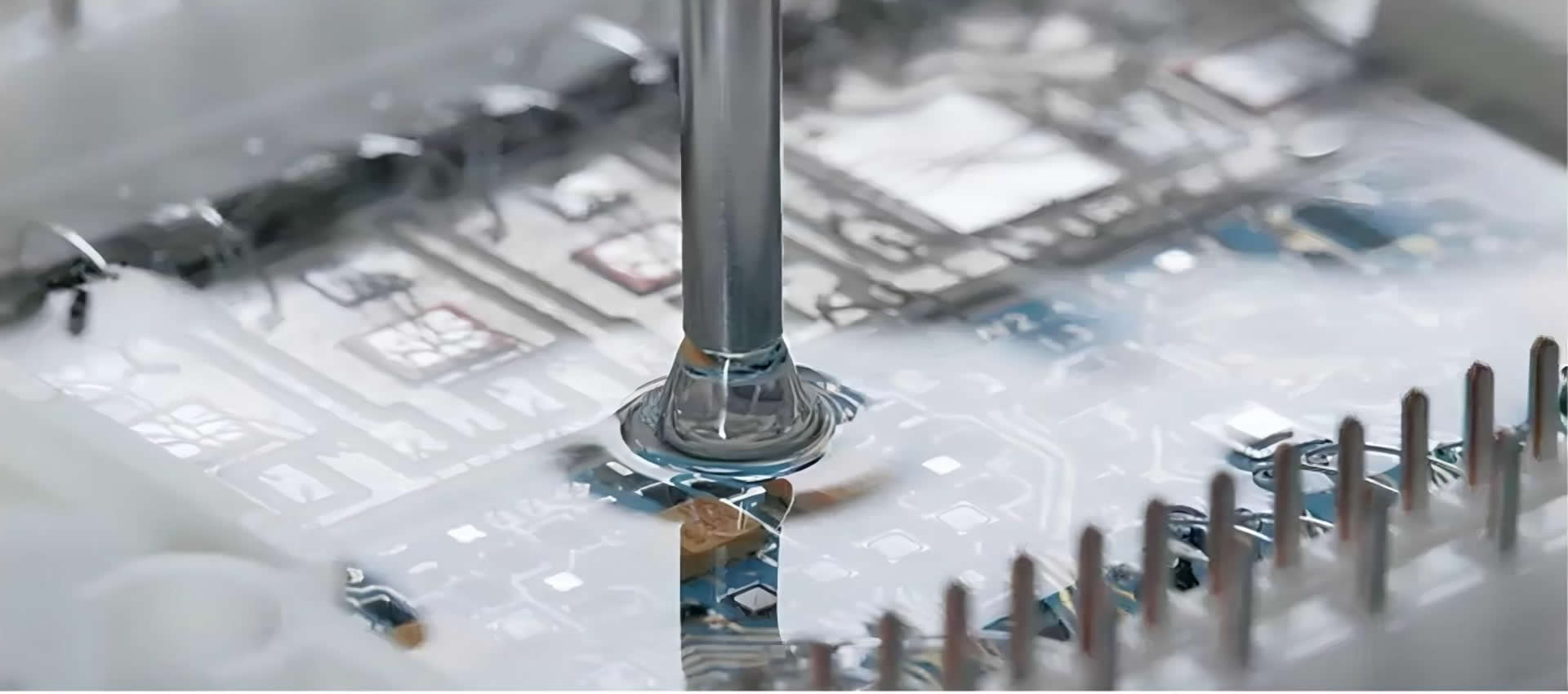
Encapsulation: Protects sensitive components from moisture and thermal stress.
Thermal Interface Materials: Dissipates heat in electronic devices.
5. Innovations in Production Technology
Recent advancements focus on sustainability and efficiency:
Green Chemistry: Bio-based catalysts and renewable raw materials reduce environmental impact.
Automated Processes: Closed-system reactors minimize waste and improve consistency.
Why Choose Biyuan for Vinyl Terminated Silicone Fluids?
Biyuan stands out as a leader in silicone fluid manufacturing, offering:
Custom Solutions: Tailored viscosity, functionality, and packaging to meet niche industrial needs.
Technical Expertise: Dedicated R&D teams optimize formulations for specific applications, from medical devices to aerospace.
Global Compliance: Products adhere to international standards (e.g., FDA, REACH), ensuring safety and reliability.
For industries demanding high-performance, cost-effective materials, Biyuan’s vinyl terminated silicone fluids deliver unmatched versatility and durability.
Final Thoughts
The production of vinyl terminated silicone fluid combines advanced polymer chemistry with meticulous formulation. As industries push for innovation, advancements in synthesis techniques and sustainability will further solidify its role in next-generation applications. Brands like Biyuan are driving this evolution, ensuring products meet both technical and environmental benchmarks.
Exploring the Critical Role of Vinyl Terminated Silicone Fluid in Modern Adhesive Systems
In the realm of advanced adhesives and sealants, vinyl terminated silicone fluid has emerged as a transformative component, enabling engineers and manufacturers to overcome long-standing challenges in durability, flexibility, and environmental resistance. This h.
How Vinyl Terminated Silicone Fluid Enhances Polymer Flexibility in Industrial Applications
Vinyl Terminated Silicone Fluid has emerged as a revolutionary polymer modifier capable of dramatically enhancing the flexibility and performance characteristics of various industrial materials. This specialized silicone fluid, characterized by reactive vinyl gro.
Vinyl terminated silicone fluid, a versatile material widely used in industries like electronics, automotive, and construction, requires rigorous shelf-life testing to guarantee stability and performance over time. Proper testing methods not only validate product durability but also align with global quality standards, ensuring compliance and customer trus.
Understanding Thermal Stability of Vinyl-Terminated Silicone Fluids
Vinyl-terminated silicone fluids are critical materials in industries ranging from aerospace to electronics, valued for their thermal resilience and chemical inertness. A common concern among engineers and manufacturers is their thermal degradation threshold—specifically, the temperatu.
Health Hazards of Vinyl Terminated Silicone Fluid: A Comprehensive Safety Analysis
Vinyl Terminated Silicone Fluid (VT-SF) has become an essential material across numerous industries due to its unique thermal stability, chemical resistance, and versatile application properties. However, understanding its potential health hazards is critical for ensuring.
Understanding Moisture Interaction with Vinyl-Terminated Silicone Fluid
Vinyl-terminated silicone fluid, a specialized derivative of polydimethylsiloxane (PDMS), is widely recognized for its unique chemical and physical properties. One of the most critical questions users ask is whether this material absorbs moisture. Let’s delve into its moisture-rela.
Understanding the Shelf Life of Vinyl Terminated Silicone Fluid: Key Factors and Best Practices
Vinyl Terminated Silicone Fluid (VT-SF), a versatile polymer widely used in industries ranging from electronics to automotive manufacturing, is prized for its thermal stability, flexibility, and compatibility with crosslinking agents. One critical aspect for.
Understanding the Dielectric Constant of Vinyl-Terminated Silicone Fluids: Properties, Applications, and Material Selection
In the realm of advanced materials, vinyl-terminated silicone fluids have emerged as critical components in industries ranging from electronics to aerospace. One of their most crucial properties is the dielectric constant (Dk).
Ensuring Safe Use of Vinyl Terminated Silicone Fluid in Food-Contact Applications
Vinyl Terminated Silicone Fluid is a specialized organosilicon compound that has become increasingly vital in food manufacturing and processing applications. This versatile material, composed of silicon-oxygen bonds and vinyl groups, offers unique properties that make it i.
Vinyl Terminated Silicone Fluid has become an indispensable material across industries from aerospace to medical devices, prized for its thermal stability, flexibility, and reactivity. However, viscosity changes during production, storage, or application can significantly impact performance and processing efficiency. Understanding how to prevent and addres.
In today’s rapidly evolving industrial landscape, materials that deliver exceptional performance, adaptability, and reliability are driving innovation across sectors. Among these advanced materials, vinyl silicone fluid stands out as a versatile and transformative solution, enabling breakthroughs in industries ranging from electronics and automotive .
In the world of specialty silicone materials, making the right raw material choice can define the success of your final product. For manufacturers and formulators seeking to develop next-generation solutions in electronics, automotive, renewable energy, and beyond, the selection of a reliable, high-performance silicone base is critical. BY-Vinyl Silicone F.
How Vinyl Terminated Silicone Fluid Distinguishes Itself in Industrial Applications
Silicone fluids are indispensable in modern industries, but not all are created equal. Among them, vinyl-terminated silicone fluid (VTMSF) stands out due to its unique chemical structure and functional versatility. This article explores how VTMSF diverges from other s.
Storage Guidelines for Vinyl Terminated Silicone Fluid: Plastic Container Compatibility
Understanding Vinyl Terminated Silicone Fluid
Vinyl Terminated Silicone Fluid (CAS 68083-19-2) represents a specialized category of silicone polymers characterized by reactive vinyl groups at both molecular terminals. This unique chemical structure, formulated as .
In the realm of high-performance industrial materials, Vinyl Terminated Fluid stands out as a transformative solution that bridges the gap between versatility and reliability. This specialized silicone derivative, characterized by its reactive vinyl groups along the polymer chain, has redefined possibilities across sectors ranging from precision electronic.
Assessing Purity in Vinyl-Terminated Silicone Fluids: Techniques and Industry Insights
Vinyl-terminated silicone fluids are critical components in industries ranging from electronics to automotive manufacturing. Their purity directly impacts performance, stability, and long-term reliability in applications such as release agents, encapsulants, and lubr.
Understanding the Viscosity Ranges of Vinyl-Terminated Silicone Fluids
Vinyl-terminated silicone fluids, also known as vinyl-terminated polydimethylsiloxanes (Vi-PDMS), are critical materials in industries ranging from electronics to construction. Their viscosity directly impacts performance in applications like rubber curing, coatings, and adhesives. .
Proper Storage Guide for Vinyl Terminated Silicone Fluid
Understanding Vinyl Terminated Silicone Fluid
Vinyl Terminated Silicone Fluid, chemically known as vinyl-terminated polydimethylsiloxane (CAS No. 68083-19-2), is a crucial intermediate in silicone manufacturing. This reactive polymer features vinyl groups at both molecular terminals, enabling i.
The Critical Role of Vinyl Terminated Silicone Fluid in Advanced 3D Printing Materials
In the rapidly evolving field of additive manufacturing, vinyl terminated silicone fluid has emerged as a transformative material, enabling breakthroughs in everything from medical devices to soft robotics. This high-performance polymer, characterized by reactive v.
What Industries Rely on Vinyl Terminated Silicone Fluid?
Vinyl Terminated Silicone Fluid (VTMS) has emerged as a cornerstone material in modern industrial applications, offering unparalleled versatility and performance. Its unique chemical structure—featuring reactive vinyl groups at the molecular chain’s termini—enables exceptional crosslinking capab.
Nanotechnology-Enhanced Vinyl Terminated Silicone Fluid: Revolutionizing Anti-Corrosion Protection
Introduction to a New Era in Corrosion Prevention
The integration of nanotechnology with vinyl terminated silicone fluid represents a groundbreaking advancement in anti-corrosion technology. This innovative combination leverages the unique properties of.
Regulatory Shifts Reshaping the Vinyl Terminated Silicone Fluid Industry
The production and application of vinyl terminated silicone fluid are undergoing significant transformation as new environmental regulations redefine global market dynamics. These high-performance materials, renowned for their thermal stability and chemical resistance, now face bo.
The Critical Role of pH Resistance in Vinyl Terminated Silicone Fluid for Industrial Applications
Vinyl Terminated Silicone Fluid (VT-SF) represents a specialized category of organosilicon compounds that have revolutionized multiple industrial sectors due to their exceptional chemical stability and versatility. This advanced material features reactive v.
Sustainable Manufacturing of Vinyl Terminated Silicone Fluid: Eco-Friendly Production Processes
Vinyl terminated silicone fluid (VT-SF), also known as vinyl-terminated polydimethylsiloxane, represents a specialized category of organosilicon compounds featuring reactive vinyl groups (-CH=CH₂) at both molecular terminals. This unique chemical structure pr.
In the realm of high-performance materials, low molecular weight vinyl-terminated silicone fluid (VTSF) has emerged as a critical component for precision coatings, combining exceptional reactivity with tailored physical properties. Its unique molecular architecture—featuring reactive vinyl end groups on a flexible siloxane backbone—enables formulators to d.
Vinyl Terminated Silicone Fluid: Revolutionizing Thermal Management in EV Batteries
Introduction
The rapid evolution of electric vehicles has brought battery thermal management to the forefront of automotive engineering challenges. As EV manufacturers strive for greater range, faster charging, and enhanced safety, the limitations of conventional ther.
Vinyl Terminated Silicone Fluid: Ensuring Signal Integrity in Next-Generation 5G Infrastructure
The rapid global deployment of 5G networks represents a transformative leap in communication technology, enabling unprecedented data speeds, ultra-low latency, and massive device connectivity. However, this technological advancement comes with significant mat.
Enhancing 3D Printing Filament Flexibility: The Role of Vinyl-Terminated Silicone Fluids
For 3D printing enthusiasts and professionals, achieving the perfect balance between durability, detail, and flexibility in printed parts remains a persistent challenge. Traditional thermoplastic filaments—especially flexible materials like TPU or TPE—often face iss.
Vinyl Terminated Silicone Fluid: Navigating EU REACH Compliance for Global Market Access
Understanding Vinyl Terminated Silicone Fluid
Vinyl terminated silicone fluid, also known as vinyl-terminated polydimethylsiloxane (Vi-PDMS), is a specialized organosilicone compound featuring reactive vinyl groups (-CH=CH₂) at both ends of the polymer chain. Thi.
Vinyl Terminated Silicone Fluid: The Modern Choice for Skin-Friendly Cosmetics
Introduction
In the evolving world of cosmetic science, vinyl terminated silicone fluids have emerged as sophisticated ingredients that combine performance with skin compatibility. These specialized silicone polymers, characterized by reactive vinyl groups at both ends of .
Tackling Industrial Coating Emissions: Why Vinyl-Terminated Silicone Fluids Are the Sustainable Choice
In industrial coatings, balancing performance with environmental responsibility has never been more critical. As global regulations tighten on volatile organic compound (VOC) emissions—linked to air pollution and health risks—formulators are scrambling.
The electronics industry is increasingly adopting vinyl terminated silicone fluid as a cornerstone material for protecting sensitive components from moisture, dust, and environmental stress. This specialized polymer has become indispensable for waterproof encapsulation solutions thanks to its unique combination of electrical and mechanical properties tha.
Vinyl Terminated Silicone Fluid: Enabling Next-Generation 3D-Printed Electronics
The Convergence of Material Science and Additive Manufacturing
In the rapidly evolving field of 3D-printed electronics, vinyl terminated silicone fluid has emerged as a critical material that bridges the gap between precision manufacturing and functional performance. Thi.
The Silent Performers: How Vinyl Terminated Silicones Redefine Material Excellence
In the world of specialty chemicals, few materials strike the perfect balance between stability and reactivity quite like vinyl-terminated silicones. These fluids—often unsung heroes in industrial applications—leverage their unique molecular architecture to solve problems.
Vinyl terminated silicone fluid (ViPDMS) represents a specialized class of organosilicon compounds characterized by reactive vinyl groups (-CH=CH₂) at both ends of the polydimethylsiloxane molecular chain. This unique chemical structure, with the formula CH₂=CH-Si(CH₃)₂O[(CH₃)₂SiO]ₙ(CH₃)₂Si-CH=CH₂, provides exceptional versatility across industrial applica.
Asia-Pacific Drives Global Silicone Fluid Market: An In-Depth Look at China’s Manufacturing Surge
The Asia-Pacific regionhas emerged as the dominant force in the global vinyl terminated silicone fluid market, with China’s manufacturing prowess serving as the primary catalyst. This versatile material, characterized by its reactive vinyl end g.
Solving Electronics Overheating Challenges: The Rise of Vinyl-Terminated Silicone Fluids with Superior Thermal Conductivity
In today’s hyper-connected world, electronic devices—from smartphones and laptops to industrial servers and 5G base stations—are growing more powerful by the day. But with increased processing power comes a critical challenge: hea.
Introduction to Vinyl Terminated Silicone Fluid
Vinyl Terminated Silicone Fluid, also known as vinyl-terminated polydimethylsiloxane, represents a specialized category of silicone oils characterized by reactive vinyl groups at both molecular ends. This unique chemical structure, with the formula CH₂=CH-Si(CH₃)₂O[(CH₃)₂SiO]ₙ(CH₃)₂Si-CH=CH₂, enables these.
Global Market for Vinyl Terminated Silicone Fluid Poised for Significant Growth, Driven by Multi-Industry Demand and Innovation
The global market for vinyl terminated silicone fluid (VTSF) is projected to experience substantial growth, with its value expected to reach approximately US $3.2 billion by 2030. This growth is fueled by the material’s e.
Vinyl Terminated Silicone Fluid: Revolutionizing Flexible Solar Panel Performance
The global transition toward renewable energy has accelerated demand for solar technologies that combine high efficiency with exceptional durability. Among the advanced materials enabling this transformation, vinyl terminated silicone fluid has emerged as a critical compon.
Vinyl termified silicone fluids represent a specialized class of medical-grade materials engineered for advanced healthcare applications. These reactive fluids feature terminal vinyl groups that enable precise molecular customization and controlled crosslinking capabilities, making them ideal for developing implantable devices, drug delivery systems, and d.
Vinyl silicone fluid is revolutionizing cosmetic and personal care formulations through its unique reactive properties and sensory enhancement capabilities. This functional silicone material features terminal vinyl groups that enable customizable cross-linking while maintaining the characteristic smoothness of silicone-based ingredients.
Vinyl sili.
Vinyl silicone fluid, as a core functional silicone product, demonstrates exceptional versatility and reliability in the industrial additives sector. Its unique molecular structure combines the flexibility of a siloxane backbone with the reactivity of terminal vinyl groups, delivering customized solutions for various industrial applications.
In polymer .
Vinyl terminated fluid is emerging as a transformative additive in textile and leather manufacturing, offering a unique combination of processing enhancement and performance optimization. This reactive silicone fluid leverages its terminal vinyl groups to create durable molecular bridges with fibers and leather substrates, delivering lasting functional ben.

Contact Us
We're here to help with any questions or inquiries you may have
Contact Information
Address
No. 116, Jiangdong Street, Yiwu City, Jinhua City, Zhejiang Province,China