What are common mistakes when using Vinyl Terminated Silicone Fluid? - Vinyl Terminated Silicone Fluid factory
Vinyl Terminated Silicone Fluid
Information Center
Everything you need to know about our products and company
Common Mistakes When Using Vinyl Terminated Silicone Fluid and How to Avoid Them
Vinyl Terminated Silicone Fluids are fundamental components in creating high-performance silicone gels and coatings, prized for their role in platinum-catalyzed addition-cure systems. These fluids enable the formation of stable, three-dimensional networks that yield materials with exceptional flexibility, durability, and resistance to environmental factors. However, achieving optimal results hinges on avoiding several common application errors. Biyuan, as a trusted Vinyl Terminated Silicone Fluid factory, leverages its expertise to guide manufacturers in navigating these complexities, ensuring product performance and reliability.
1. Incorrect Handling and Storage Compromising Fluid Integrity
A frequent error begins before the fluid even enters the production process: improper storage. Vinyl Terminated Silicone Fluids can be sensitive to environmental conditions.
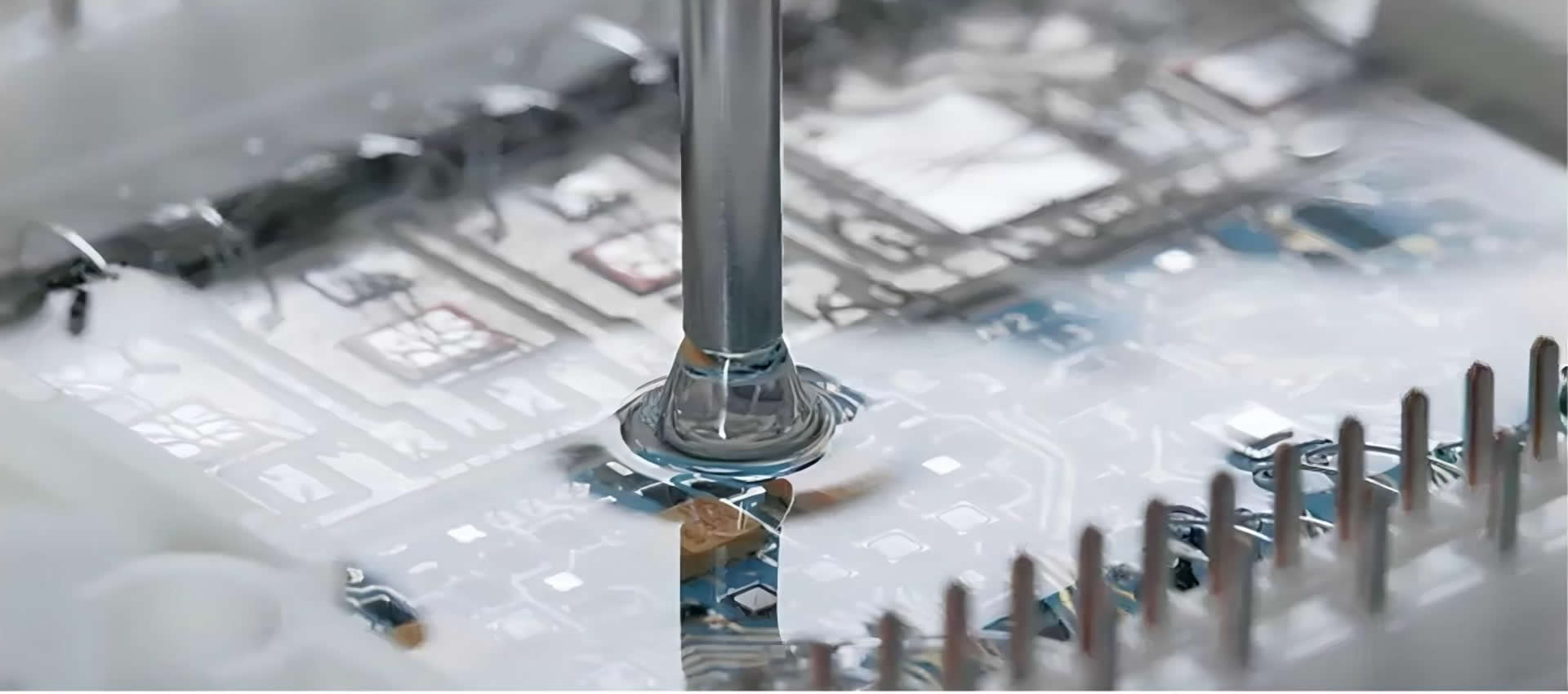
Moisture and Contamination:Exposure to moisture or airborne contaminants can prematurely affect the fluid’s reactivity or introduce particulates that lead to defects in the final cured product. For instance, in precision applications like electronics potting, even minor contamination can cause clogging or inconsistent curing.
Inadequate Shelf Life Management:These fluids have a defined shelf life. Using material beyond this period risks reduced efficacy, as the vinyl functional groups may degrade, leading to incomplete crosslinking. Biyuan’s Vinyl Terminated Silicone Fluids are supplied with clear specifications and a defined shelf life, and the company emphasizes the importance of using the FIFO (first-in, first-out) inventory method.
2. Imprecise Mixing Ratios and Inadequate Catalysis
The performance of addition-cure silicones is critically dependent on the precise balance of components.
Deviating from Specified Ratios:A common mistake is the inaccurate measurement of the silicone fluid (Part A) and the catalyst (Part B). Even small deviations from the specified mixing ratio, typically 1:1 or 10:1 by weight, can drastically alter the cure profile and final material properties. Insufficient catalyst leads to a tacky, under-cured material, while an excess can cause overly rapid curing, trapping air bubbles and reducing tear strength.
Using Inactive or Contaminated Catalyst:The platinum catalyst is essential for the addition reaction. If it is deactivated by contaminants like sulfur, amines, or certain solvents, the curing reaction will be inhibited. Biyuan ensures the high purity of its fluids and provides technical support to help clients maintain a clean production environment, safeguarding the catalysis process.
3. Neglecting Proper Deaeration and Substrate Preparation
The quality of the final product is heavily influenced by preparation steps that are often rushed or overlooked.
Skipping Vacuum Deaeration:After mixing, the fluid-catalyst blend often contains entrapped air. Failing to remove this air in a vacuum chamberresults in micro-bubbles within the cured silicone, compromising its mechanical strength, aesthetic appearance, and performance in seals or optical applications. While manual brushing can minimize bubbles for thin layers, vacuum deaeration is the only reliable method for bulk material.
Inadequate Substrate Cleaning:The surface of the original part must be perfectly clean, dry, and free of oils, fats, and dust. Any contamination on the substrate can create a weak boundary layer, leading to poor adhesion when the silicone is used as a coating or adhesive. Biyuan recommends that partners always clean substrates with a solvent like isopropyl alcohol and ensure they are free of condensation before application.
4. Improper Control of Curing Parameters
Curing is not merely a chemical reaction; it’s a process that must be managed.
Ignoring Temperature and Humidity Effects:The curing processis temperature-sensitive. At room temperature (22-24°C), it may take up to 24 hours. While heat can accelerate curing (e.g., 60 minutes at 80°C), applying excessive heat too quickly can cause thermal stress or uneven curing. High ambient humidity can also interfere with the platinum catalyst or alter the pot life of the mixture.
Handling Thick Sections Incorrectly:Curing thick sections of silicone presents a challenge. The exterior may cure rapidly while the interior remains soft due to heat buildup. Prolonged application of vacuum can also remove volatile components, leading to poor thick section cure. Biyuan’s technical team advises on optimal curing cycles for different cross-section thicknesses to achieve uniform properties throughout the material.
5. Selecting the Wrong Fluid Grade for the Application
Not all Vinyl Terminated Silicone Fluids are identical, and using an inappropriate grade is a fundamental error.
Mismatching Viscosity and Hardness:These fluids are available in various viscosities and lead to cured rubbers with different Shore A hardnessvalues, from very soft (00-10) to firmer (30-40). Selecting a fluid that results in a hard rubber for an application requiring high flexibility, or vice versa, will lead to product failure. Biyuan offers a range of fluids, allowing partners to select the precise grade that meets the tensile strengthand elongationrequirements (e.g., up to ≥800% elongation) of their specific application, whether it’s a soft gel or a tough seal.
Biyuan: Your Partner in Optimizing Vinyl Terminated Silicone Fluid Applications
Biyuan distinguishes itself as more than just a Vinyl Terminated Silicone Fluid factory. By leveraging high-quality raw materials and adhering to stringent international standards such as FDA, REACH, RoHS, and MSDS, Biyuan guarantees a product that is consistent and reliable. The company’s focus on innovation and technical support provides clients with the expertise needed to avoid these common pitfalls, ensuring that the exceptional properties of Vinyl Terminated Silicone Fluids—such as superior waterproofing, weather resistance, and wide-temperature flexibility—are fully realized in your end products. Partnering with a knowledgeable supplier like Biyuan is a critical step in overcoming the challenges of working with advanced silicone materials.
Understanding the Chemical Resistance of Vinyl Terminated Silicone Fluid: A Comprehensive Guide
Vinyl terminated silicone fluid, a versatile polymer widely used in industries ranging from electronics to automotive manufacturing, is renowned for its adaptability and durability. One of its most critical properties—resistance to chemicals—plays a pivotal .
Storage Guidelines for Vinyl Terminated Silicone Fluid: Plastic Container Compatibility
Understanding Vinyl Terminated Silicone Fluid
Vinyl Terminated Silicone Fluid (CAS 68083-19-2) represents a specialized category of silicone polymers characterized by reactive vinyl groups at both molecular terminals. This unique chemical structure, formulated as .
In the world of specialty silicone materials, making the right raw material choice can define the success of your final product. For manufacturers and formulators seeking to develop next-generation solutions in electronics, automotive, renewable energy, and beyond, the selection of a reliable, high-performance silicone base is critical. BY-Vinyl Silicone F.
Understanding the Role of Vinyl-Terminated Silicone Fluid in Electronic Encapsulation
In the fast-evolving field of electronics manufacturing, protecting sensitive components from environmental stressors is critical. One material that has gained prominence for its versatility and performance is vinyl-terminated silicone fluid. This specialized polymer.
What is Vinyl Terminated Silicone Fluid? Key Applications & Benefits Revealed
Vinyl terminated silicone fluid, a specialized type of polydimethylsiloxane (PDMS) with vinyl-functionalized end groups, has emerged as a cornerstone material in industries ranging from electronics to cosmetics. Its unique chemical structure and versatile properties make .
Understanding the Viscosity Classification of Vinyl Terminated Silicone Fluid
Vinyl terminated silicone fluid, a versatile polymer widely used in industrial applications, is meticulously categorized based on its viscosity to meet diverse operational demands. This classification system ensures optimal performance in fields ranging from construction to e.
Vinyl Terminated Silicone Fluid (VT-SF) has become an essential material across cosmetics, medical devices, and industrial applications due to its unique thermal stability and versatile performance characteristics. Understanding its potential for skin irritation is crucial for manufacturers, formulators, and brands prioritizing consumer safety.
Understa.
Understanding Vinyl Terminated Silicone Fluid: A Comprehensive Guide
Vinyl terminated silicone fluid is a specialized type of silicone oil engineered for high-performance applications across industries. While often grouped under the broader umbrella of silicone oils, its unique molecular structure and functional properties set it apart as a versatile m.
In the manufacturing of high-performance sealing components, the selection of raw materials is not just a procurement decision—it is a critical engineering choice that determines product longevity, reliability, and performance under demanding conditions. When it comes to sealing rings used in automotive, industrial machinery, medical devices, and electrica.
Vinyl Terminated Silicone Fluid Compatibility with Resins: Enhancing Epoxy and Acrylic Performance
In the world of high-performance materials, Vinyl Terminated Silicone Fluid has emerged as a transformative additive for resin formulations, particularly with epoxy and acrylic systems. This specialized silicone fluid, characterized by reactive vinyl gro.
Signs of Degraded Vinyl Terminated Silicone Fluid and How to Address Them
Vinyl Terminated Silicone Fluid is a critical material in industries ranging from medical devices to automotive manufacturing, prized for its thermal stability, flexibility, and chemical resistance. However, degradation can compromise its performance, leading to equipment failure.
Handling Spillage of Vinyl Terminated Silicone Fluid: A Comprehensive Guide
Understanding Vinyl Terminated Silicone Fluid
Vinyl Terminated Silicone Fluid is a specialized organosilicone compound characterized by reactive vinyl groups at the molecular chain ends. This unique chemical structure enables exceptional cross-linking capabilities, making it .
In the highly regulated and technologically advanced medical device industry, the selection of materials is not merely a matter of performance but a critical determinant of product safety, reliability, and compliance. From implantable devices and wearable sensors to diagnostic equipment and drug delivery systems, medical devices demand materials that meet .
Maximizing Performance with Vinyl Terminated Silicone Fluid: A Comprehensive Guide for Industrial Applications
Vinyl Terminated Silicone Fluid (VTSF) represents a specialized category of silicone polymers that have revolutionized numerous industrial applications. These unique fluids feature reactive vinyl groups at both ends of the silicone polymer chai.
How Vinyl Terminated Silicone Fluid Achieves Minimal By-Products in Production
The production of vinyl terminated silicone fluid (VTMS) is a cornerstone of modern silicone chemistry, with applications spanning electronics, construction, and advanced materials. A critical question for manufacturers and R&D teams revolves around by-product manageme.
Understanding the Shelf Life of Vinyl Terminated Silicone Fluid: Key Factors and Best Practices
Vinyl Terminated Silicone Fluid (VT-SF), a versatile polymer widely used in industries ranging from electronics to automotive manufacturing, is prized for its thermal stability, flexibility, and compatibility with crosslinking agents. One critical aspect for.
Understanding the Critical Role of Vinyl Terminated Silicone Fluid in High-Temperature Vulcanized (HTV) Silicone
High-temperature vulcanized (HTV) silicone rubber is a cornerstone material in industries ranging from aerospace to medical devices, prized for its thermal stability and durability. At the heart of its performance lies vinyl terminated sili.
Vinyl terminated silicone fluid is a cornerstone material in industries requiring high-performance thermal management, from aerospace seals to medical device coatings. Ensuring its thermal stability is critical for applications exposed to extreme temperatures. This article dives into proven methodologies, key evaluation criteria, and industry best practice.
How Vinyl Terminated Silicone Fluid Enhances Coating Performance
Vinyl Terminated Silicone Fluid (VTDSF) has emerged as a game-changing ingredient in modern coating formulations, offering a unique combination of reactivity, stability, and functional versatility. As industries demand higher-performance coatings for applications ranging from electronics .
Ensuring Purity in Vinyl Terminated Silicone Fluid Manufacturing: A Comprehensive Guide
Vinyl terminated silicone fluid (VTMS) is a critical component in industries ranging from medical devices to electronics, where purity directly impacts performance, safety, and regulatory compliance. Achieving and maintaining high-purity VTMS requires meticulous con.
Revolutionizing 5G Infrastructure with High-Performance Vinyl-Terminated Silicone Fluids
The rapid evolution of 5G communication demands materials that can withstand extreme conditions while maintaining performance reliability. Among these, vinyl-terminated silicone fluids (CAS 68083-19-2) have emerged as a game-changing solution, offering unparallel.
Vinyl Terminated Silicone Fluid: Advancing Wind Turbine Performance and Reliability
The global transition toward renewable energy has intensified the demand for advanced materials that enhance the efficiency and durability of clean energy technologies. Among these, vinyl terminated silicone fluid has emerged as a critical component in wind energy applic.
Pharmaceutical Innovations with Vinyl Terminated Silicone Fluid: Advancing Drug Delivery Systems
Introduction
The pharmaceutical industry continuously seeks innovative materials that can enhance drug delivery efficacy and patient outcomes. Among these materials, vinyl terminated silicone fluids have emerged as a versatile polymer with unique proper.
Vinyl Silicone Fluids Revolutionize Water-Repellent Textile Manufacturing
The textile industry is undergoing a remarkable transformation with the integration of vinyl terminated silicone fluid, a specialized silicone polymer that is setting new standards for water-repellent fabric technology. This advanced material offers unparalleled performance chara.
Sustainable Manufacturing of Vinyl Terminated Silicone Fluid: Eco-Friendly Production Processes
Vinyl terminated silicone fluid (VT-SF), also known as vinyl-terminated polydimethylsiloxane, represents a specialized category of organosilicon compounds featuring reactive vinyl groups (-CH=CH₂) at both molecular terminals. This unique chemical structure pr.
The Future of Sustainable Silicone Technology: Vinyl Terminated Silicone Fluid Innovations
Market Dynamics and Growth Trajectory
The global silicone fluids market is experiencing robust growth, with the vinyl terminated silicone fluid segment positioned at the forefront of this expansion. According to market research, the silicone fluids market was v.
Vinyl Terminated Silicone Fluid: Comprehensive Technical Overview and Safety Protocols
Vinyl Terminated Silicone Fluid (CAS 68083-19-2), chemically known as vinyl-terminated polydimethylsiloxane, represents a specialized category of reactive silicone polymers with significant industrial importance. Characterized by reactive vinyl groups (-CH=CH₂) at bo.
The healthcare industry’s recovery from the pandemic has accelerated demand for high-performance materials that meet increasingly sophisticated medical needs. Among these, vinyl terminated silicone fluids have emerged as a critical component driving innovation across medical devices, pharmaceuticals, and healthcare technologies. These specialized flu.
Mastering Viscosity Selection for Vinyl Terminated Silicone Fluid Applications
Introduction
In the world of specialized silicone materials, viscosity stands as a critical parameter that directly influences performance across countless industrial applications. Vinyl terminated silicone fluid (VTMSF) has emerged as a cornerstone material in industries .
Vinyl Terminated Silicone Fluid: The Modern Choice for Skin-Friendly Cosmetics
Introduction
In the evolving world of cosmetic science, vinyl terminated silicone fluids have emerged as sophisticated ingredients that combine performance with skin compatibility. These specialized silicone polymers, characterized by reactive vinyl groups at both ends of .
Global Supply Analysis: Top 5 Leaders in Vinyl Terminated Silicone Fluid Export Markets
Introduction
The global market for vinyl terminated silicone fluidhas experienced remarkable growth driven by increasing demand across automotive, electronics, construction, and personal care industries. These specialized materials, known for their superior therma.
Vinyl Terminated Silicone Fluid: Revolutionizing Thermal Management in EV Batteries
Introduction
The rapid evolution of electric vehicles has brought battery thermal management to the forefront of automotive engineering challenges. As EV manufacturers strive for greater range, faster charging, and enhanced safety, the limitations of conventional ther.
Vinyl Terminated Silicone Fluid: Enabling Next-Generation 3D-Printed Electronics
The Convergence of Material Science and Additive Manufacturing
In the rapidly evolving field of 3D-printed electronics, vinyl terminated silicone fluid has emerged as a critical material that bridges the gap between precision manufacturing and functional performance. Thi.
Vinyl Terminated Silicone Fluid: Revolutionizing Flexible Solar Panel Performance
The global transition toward renewable energy has accelerated demand for solar technologies that combine high efficiency with exceptional durability. Among the advanced materials enabling this transformation, vinyl terminated silicone fluid has emerged as a critical compon.
Enhancing 3D Printing Filament Flexibility: The Role of Vinyl-Terminated Silicone Fluids
For 3D printing enthusiasts and professionals, achieving the perfect balance between durability, detail, and flexibility in printed parts remains a persistent challenge. Traditional thermoplastic filaments—especially flexible materials like TPU or TPE—often face iss.
Enhancing Adhesive Performance with Vinyl Terminated Silicone Fluid: A Comprehensive Guide to Bond Strength Optimization
Introduction to Vinyl Terminated Silicone Fluid
Vinyl terminated silicone fluid, also known as vinyl-terminated polydimethylsiloxane (Vi-PDMS), represents a specialized class of organosilicon compounds that have revolutionized adhe.
The global shift toward sustainable manufacturing has triggered a material science revolution, with vinyl terminated silicone fluid (VT silicone fluid) emerging as a environmentally preferable alternative to traditional fluorosilicones. This transition represents more than mere substitution—it reflects a fundamental rethinking of how industrial materials b.
Advancements in Biocompatible Materials: High-Purity Vinyl Terminated Silicone Fluid for Next-Generation Medical Implants
In the realm of medical device innovation, the demand for materials that balance biocompatibility, durability, and functional versatility has never been greater—especially for implantable devices designed to integrate with the human.
Introduction to Vinyl Terminated Silicone Fluid
Vinyl Terminated Silicone Fluid, also known as vinyl-terminated polydimethylsiloxane, represents a specialized category of silicone oils characterized by reactive vinyl groups at both molecular ends. This unique chemical structure, with the formula CH₂=CH-Si(CH₃)₂O[(CH₃)₂SiO]ₙ(CH₃)₂Si-CH=CH₂, enables these.
The Critical Role of pH Resistance in Vinyl Terminated Silicone Fluid for Industrial Applications
Vinyl Terminated Silicone Fluid (VT-SF) represents a specialized category of organosilicon compounds that have revolutionized multiple industrial sectors due to their exceptional chemical stability and versatility. This advanced material features reactive v.
Vinyl termified silicone fluids represent a specialized class of medical-grade materials engineered for advanced healthcare applications. These reactive fluids feature terminal vinyl groups that enable precise molecular customization and controlled crosslinking capabilities, making them ideal for developing implantable devices, drug delivery systems, and d.
Vinyl silicone fluid is revolutionizing cosmetic and personal care formulations through its unique reactive properties and sensory enhancement capabilities. This functional silicone material features terminal vinyl groups that enable customizable cross-linking while maintaining the characteristic smoothness of silicone-based ingredients.
Vinyl sili.
Vinyl silicone fluid, as a core functional silicone product, demonstrates exceptional versatility and reliability in the industrial additives sector. Its unique molecular structure combines the flexibility of a siloxane backbone with the reactivity of terminal vinyl groups, delivering customized solutions for various industrial applications.
In polymer .
Vinyl terminated fluid is emerging as a transformative additive in textile and leather manufacturing, offering a unique combination of processing enhancement and performance optimization. This reactive silicone fluid leverages its terminal vinyl groups to create durable molecular bridges with fibers and leather substrates, delivering lasting functional ben.

Contact Us
We're here to help with any questions or inquiries you may have
Contact Information
Address
No. 116, Jiangdong Street, Yiwu City, Jinhua City, Zhejiang Province,China