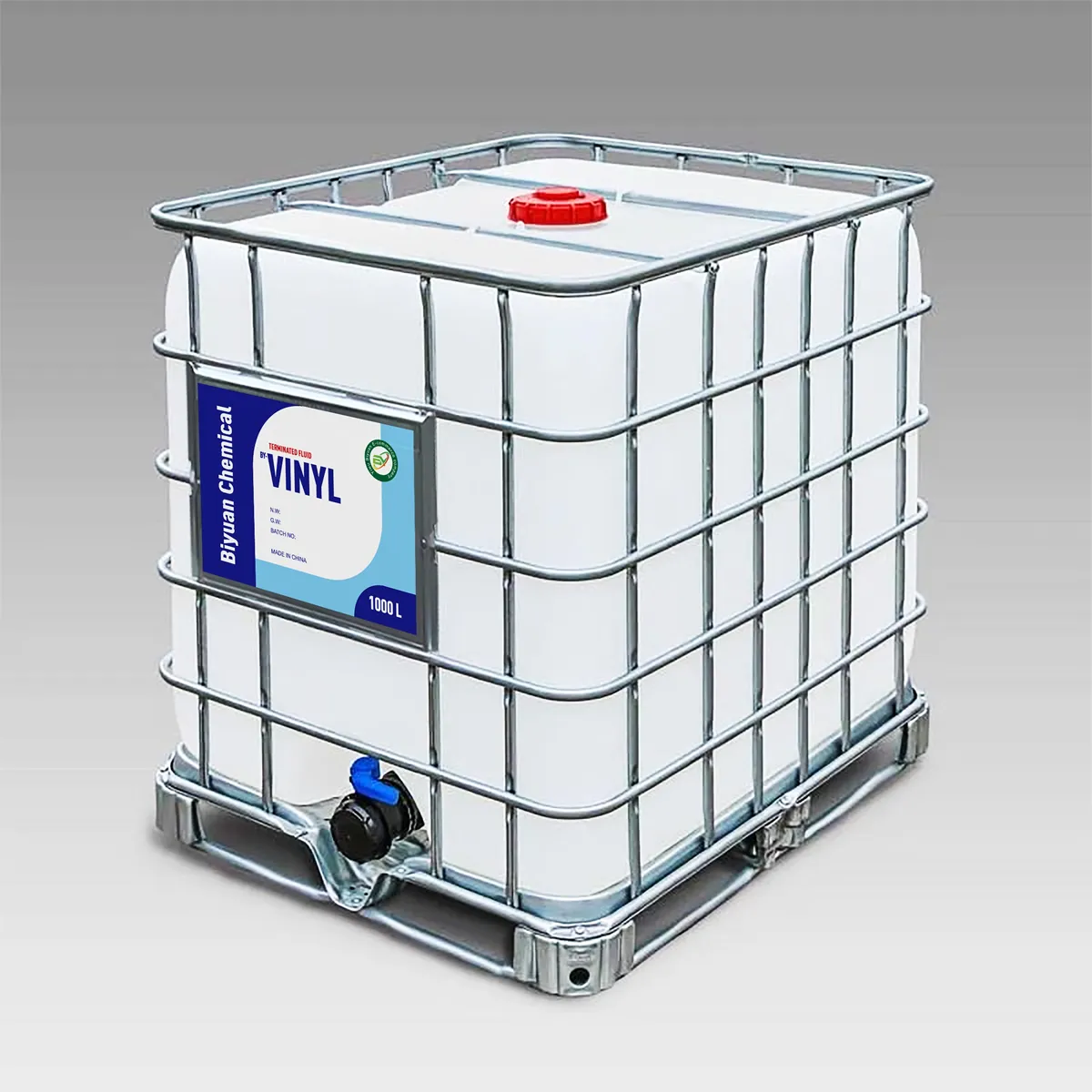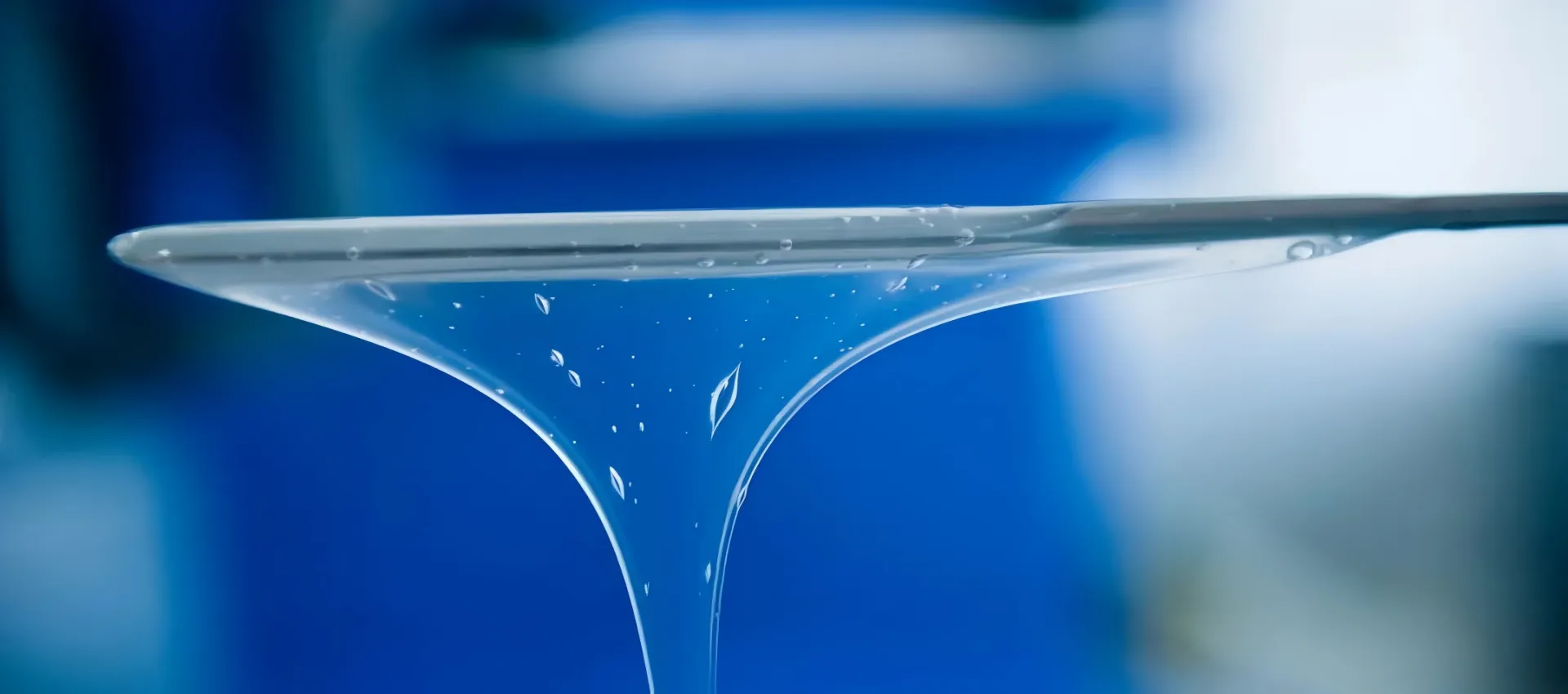
Tailored Vinyl Terminated Silicone Fluids: Precision in Performance and Versatility - Vinyl Terminated Silicone Fluid factory
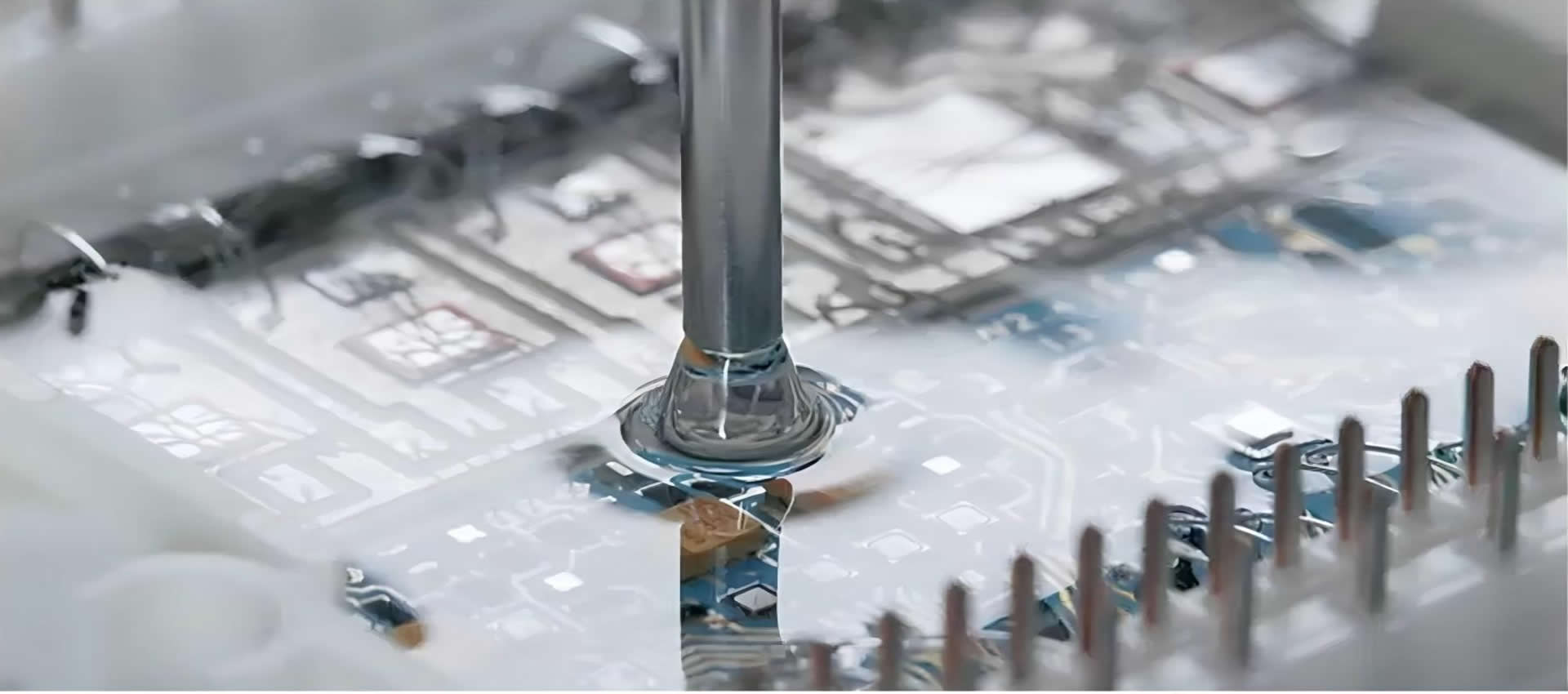
Vinyl Terminated Silicone Fluid
Information Center
Everything you need to know about our products and company
Vinyl Terminated Silicone Fluids are indispensable in industries requiring materials with exceptional flexibility, thermal stability, and crosslinking capabilities. Whether you need adjustments to viscosity for specific processing requirements or enhanced purity for sensitive applications, understanding how these parameters impact performance is critical. Below, we explore how tailored solutions in viscosity and purity can elevate your industrial formulations.
1. Customizing Viscosity for Process Efficiency
Viscosity directly influences application methods, curing times, and final product characteristics. Vinyl Terminated Silicone Fluids are available in a broad spectrum of viscosities, ranging from lightweight lubricants (e.g., 100 cSt) to high-viscosity pastes (e.g., 100,000 cSt) . This flexibility allows engineers to optimize flow behavior in scenarios such as:
Injection molding: Lower-viscosity fluids (1,000–10,000 cSt) ensure smooth filling of molds, reducing air entrapment and improving part consistency.
Coatings and sealants: Higher-viscosity grades (50,000–100,000 cSt) enhance adhesion and barrier properties for durable protective layers.
Adhesive formulations: Medium-viscosity fluids (3,000–15,000 cSt) balance tackiness and workability for strong bond formation.
For specialized needs, advanced manufacturers offer viscosity adjustments through polymer chain length modification or blending, ensuring compatibility with your production line .
2. Purity Optimization for Critical Applications
High-purity Vinyl Terminated Silicone Fluids are essential in sectors like medical devices, electronics, and aerospace, where contaminants can compromise performance. Key purity considerations include:
Reactive consistency: Controlled vinyl content (0.06–1.8%) ensures predictable crosslinking with hydride-containing agents, critical for silicone rubber and potting compounds .
Certified compliance: ISO 9001 and IATF 16949 certifications validate adherence to stringent quality standards, vital for automotive and pharmaceutical industries .
For example, Biyuan’s medical-grade fluids achieve <0.3% volatile content and >99.9% purity, making them ideal for implantable devices and diagnostic equipment .
3. Synergizing Viscosity and Purity in Real-World Applications
The interplay between viscosity and purity determines a fluid’s suitability for niche applications:
Flexible electronics: High-purity, medium-viscosity fluids (5,000–20,000 cSt) enable conformal coatings that resist thermal cycling without cracking.
Automotive sealants: Custom-viscosity formulations (10,000–60,000 cSt) with low volatile content ensure weatherproofing and vibration resistance in extreme climates .
Cosmetic additives: Ultra-pure, low-viscosity grades (<100 cSt) enhance spreadability and stability in skincare formulations.
Why Partner with a Specialized Supplier?
Leading manufacturers like Biyuan combine advanced R&D with scalable production to deliver tailored solutions. Their offerings include:
Bulk customization: Adjust viscosity and vinyl content to meet exact specifications.
Technical support: Expert guidance on formulation optimization and compatibility testing.
Global compliance: Certifications such as REACH, RoHS, and USP Class VI ensure safety across industries.
For industries prioritizing reliability and performance, investing in customizable Vinyl Terminated Silicone Fluids is not just a choice—it’s a strategic advantage.
Biyuan: Your Trusted Partner in Silicone Solutions
With decades of expertise, Biyuan delivers Vinyl Terminated Silicone Fluids engineered for precision. From medical-grade purity to industrial-strength viscosity ranges, their products empower innovation in diverse sectors. Explore their portfolio to unlock tailored solutions that drive your project’s success.
Exploring the Suitability of Vinyl Terminated Silicone Fluid in Medical Devices
Silicone fluids have long been a cornerstone of medical device engineering, but vinyl-terminated silicone fluid represents a specialized iteration tailored for advanced healthcare applications. This material combines the inherent advantages of silicone with enhanced molec.
The aerospace industry represents the pinnacle of technological precision and performance excellence, where every component and material must meet extraordinary standards of reliability, durability, and safety. As essential contributors to this sector, aerospace chemical support enterprises provide specialized chemical solutions that enable the manufacturi.
The Sustainability Frontier: Can Vinyl Terminated Silicone Fluid Be Recycled?
In industries ranging from electronics to automotive manufacturing, vinyl terminated silicone fluid has emerged as a critical component for applications requiring thermal stability, lubrication, and chemical resistance. However, as sustainability becomes a global priority,.
In the highly specialized field of silicone material engineering, achieving precisely tailored physical, mechanical, and thermal properties is not merely a matter of formulation—it is a question of molecular design. For innovators developing addition-cure systems, from liquid silicone rubbers (LSR) and high-consistency rubbers (HCR) to specialized gels, ad.
Safe Disposal of Vinyl Terminated Silicone Fluid: A Comprehensive Guide
Vinyl Terminated Silicone Fluid (VT-SF) is a specialized polymer valued across industries for its thermal stability, chemical resistance, and reactive vinyl groups that enable cross-linking in silicone elastomers and adhesives. However, proper disposal of this material requires care.
When procuring vinyl-terminated silicone fluids for industrial applications, understanding payment terms is critical to maintaining cash flow efficiency and fostering strong supplier relationships. These specialized lubricants, widely used in automotive, electronics, and medical industries, often involve high-value transactions, making clear financial ag.
How Vinyl Terminated Silicone Fluid Distinguishes Itself in Industrial Applications
Silicone fluids are indispensable in modern industries, but not all are created equal. Among them, vinyl-terminated silicone fluid (VTMSF) stands out due to its unique chemical structure and functional versatility. This article explores how VTMSF diverges from other s.
Understanding the Core Components of Vinyl Terminated Silicone Fluid
Vinyl Terminated Silicone Fluid (VT-SF) is a specialized polymer widely recognized for its versatility in industrial applications, from silicone rubber production to advanced coatings. To achieve its exceptional performance, the formulation of VT-SF relies on a precise combination of .
In the precision-driven world of silicone engineering, the creation of materials with tailored mechanical, thermal, and processing properties depends fundamentally on the selection of reactive building blocks. For formulators developing liquid silicone rubbers (LSR), high-consistency rubbers (HCR), gels, adhesives, and specialty coatings, the choice of a v.
Understanding the Chemical Composition of Vinyl Terminated Silicone Fluid
Vinyl terminated silicone fluid, a versatile polymer widely used in industrial and consumer applications, derives its functionality from its unique molecular architecture. This article delves into its chemical structure, properties, and applications, while highlighting industry-l.
In the highly regulated and technologically advanced medical device industry, the selection of materials is not merely a matter of performance but a critical determinant of product safety, reliability, and compliance. From implantable devices and wearable sensors to diagnostic equipment and drug delivery systems, medical devices demand materials that meet .
An Industry Analysis
Understanding VOC Emissions in Silicone Manufacturing
Vinyl Terminated Silicone Fluid (VT-SF) has become a critical material across numerous industries due to its exceptional thermal stability, chemical resistance, and versatile applications. A fundamental question that arises among manufacturers and end-users alike concerns its .
Understanding Vinyl Terminated Silicone Fluid’s Temperature Tolerance
Vinyl Terminated Silicone Fluid demonstrates remarkable stability across a wide temperature range, including freezing conditions. According to technical specifications, this specialized polymer maintains its properties at temperatures as low as -50°C and can be stored long-te.
Vinyl Terminated Silicone Fluid has become an indispensable material across industries from aerospace to medical devices, prized for its thermal stability, flexibility, and reactivity. However, viscosity changes during production, storage, or application can significantly impact performance and processing efficiency. Understanding how to prevent and addres.
Optimizing Mixing Temperature for Vinyl Terminated Silicone Fluid: A Complete Guide
In the world of high-performance silicone materials, Vinyl Terminated Silicone Fluidhas emerged as a critical component for advanced applications across industries. The processing temperature during mixing and formulation plays a pivotal role in determining the final pro.
How Vinyl Terminated Silicone Fluid Enhances Coating Performance
Vinyl Terminated Silicone Fluid (VTDSF) has emerged as a game-changing ingredient in modern coating formulations, offering a unique combination of reactivity, stability, and functional versatility. As industries demand higher-performance coatings for applications ranging from electronics .
What Industries Rely on Vinyl Terminated Silicone Fluid?
Vinyl Terminated Silicone Fluid (VTMS) has emerged as a cornerstone material in modern industrial applications, offering unparalleled versatility and performance. Its unique chemical structure—featuring reactive vinyl groups at the molecular chain’s termini—enables exceptional crosslinking capab.
Essential Safety Equipment for Handling Vinyl Terminated Silicone Fluid
Understanding Vinyl Terminated Silicone Fluid
Vinyl Terminated Silicone Fluid, also known as vinyl-terminated polydimethylsiloxane (VI PDMS), is a crucial industrial material used in silicone elastomers, sealants, coatings, and high-performance materials. With its reactive vinyl .
A Comprehensive Analysis
Understanding Vinyl Terminated Silicone Fluid
Vinyl Terminated Silicone Fluid represents a specialized category of silicone polymers characterized by vinyl groups (-CH=CH₂) at the molecular chain terminals. This unique chemical structure enhances its reactivity, making it particularly valuable for various industrial applicati.
In the manufacturing of high-performance sealing components, the selection of raw materials is not just a procurement decision—it is a critical engineering choice that determines product longevity, reliability, and performance under demanding conditions. When it comes to sealing rings used in automotive, industrial machinery, medical devices, and electrica.
The healthcare industry’s recovery from the pandemic has accelerated demand for high-performance materials that meet increasingly sophisticated medical needs. Among these, vinyl terminated silicone fluids have emerged as a critical component driving innovation across medical devices, pharmaceuticals, and healthcare technologies. These specialized flu.
Vinyl Terminated Silicone Fluid: The Game-Changer in UV Curing Technology
Introduction
In the rapidly evolving world of advanced materials, vinyl terminated silicone fluids have emerged as a transformative component in UV curing technology, particularly revolutionizing production timelines across multiple industries. These specialized silicone fluid.
Vinyl Terminated Silicone Fluid: Navigating EU REACH Compliance for Global Market Access
Understanding Vinyl Terminated Silicone Fluid
Vinyl terminated silicone fluid, also known as vinyl-terminated polydimethylsiloxane (Vi-PDMS), is a specialized organosilicone compound featuring reactive vinyl groups (-CH=CH₂) at both ends of the polymer chain. Thi.
Solving Electronics Overheating Challenges: The Rise of Vinyl-Terminated Silicone Fluids with Superior Thermal Conductivity
In today’s hyper-connected world, electronic devices—from smartphones and laptops to industrial servers and 5G base stations—are growing more powerful by the day. But with increased processing power comes a critical challenge: hea.
According to information from the China National Intellectual Property Administration dated August 19, Two Chinese companies have filed a patent entitled A Color Paste for Vinyl Silicone Rubber and Its Preparation Method. The publication number is CN122587489A, and the application number is CN202610972919.X.
As stated in the patent abstract, the in.
According to data from the National Intellectual Property Administration (CNIPA), a Chinese company has been granted a patent titled A Transesterification Reactive Distillation Column. Its Granted Publication Number is CN224821624U, with the filing date in September 2025.
The patent abstract states that this utility model relates to the technical field .
In the field of modern polymer materials, silicone oil boasts outstanding heat resistance, weather resistance, electrical insulation and chemical stability. It is widely used in electronics, medical care, daily chemicals, textiles, new energy and many other industries. Among various types, vinyl silicone oil synthesized via the potassium process has attrac.
Vinyl Terminated Silicone Fluid: Revolutionizing Flexible Solar Panel Performance
The global transition toward renewable energy has accelerated demand for solar technologies that combine high efficiency with exceptional durability. Among the advanced materials enabling this transformation, vinyl terminated silicone fluid has emerged as a critical compon.
Vinyl Terminated Silicone Fluid: Enabling Next-Generation 3D-Printed Electronics
The Convergence of Material Science and Additive Manufacturing
In the rapidly evolving field of 3D-printed electronics, vinyl terminated silicone fluid has emerged as a critical material that bridges the gap between precision manufacturing and functional performance. Thi.
Vinyl Terminated Silicone Fluid vs. Polydimethylsiloxane: Understanding Their Distinct Characteristics
When comparing silicone-based fluids, understanding the fundamental differences between vinyl terminated silicone fluid and conventional polydimethylsiloxane (PDMS) is crucial for selecting the right material for specific applications. While both share.
Nanotechnology-Enhanced Vinyl Terminated Silicone Fluid: Revolutionizing Anti-Corrosion Protection
Introduction to a New Era in Corrosion Prevention
The integration of nanotechnology with vinyl terminated silicone fluid represents a groundbreaking advancement in anti-corrosion technology. This innovative combination leverages the unique properties of.
Vinyl silicone oil refers to a class of polyorganosiloxanes with vinyl functional groups on the molecular chain. It is a colorless, odorless liquid, miscible with benzene, dimethyl ether and methyl ethyl ketone, insoluble in water, and slightly soluble in acetone and ethanol. Vinyl silicone oil boasts excellent electrical insulation, high and low temperatu.
Food-Grade Vinyl Terminated Silicone Fluid: The Advanced Material Redefining Packaging Safety
Introduction
In the evolving landscape of food packaging materials, vinyl terminated silicone fluid has emerged as a technologically advanced solution that combines exceptional performance with rigorous safety standards. This specialized silicone variant off.
Vinyl Terminated Silicone Fluid: Revolutionizing Thermal Management in EV Batteries
Introduction
The rapid evolution of electric vehicles has brought battery thermal management to the forefront of automotive engineering challenges. As EV manufacturers strive for greater range, faster charging, and enhanced safety, the limitations of conventional ther.
With core strengths including low cyclic residue, narrow molecular weight distribution and low metal ion content enabled by its metal-ion-free catalyst system, linear body polycondensation technology has become an important technical route for upgrading modified silicone oils in high-end niche segments. From the production of amino silicone oils via linear.
Introduction: The Role of Vinyl Functionalization in Silicone Performance
The pursuit of enhanced material performance has positioned vinyl-terminated silicone fluids as critical additives in room-temperature vulcanized (RTV) silicone rubber formulations. These specialized fluids, characterized by reactive vinyl groups at both molecular terminals, fund.
Revolutionizing 5G Infrastructure with High-Performance Vinyl-Terminated Silicone Fluids
The rapid evolution of 5G communication demands materials that can withstand extreme conditions while maintaining performance reliability. Among these, vinyl-terminated silicone fluids (CAS 68083-19-2) have emerged as a game-changing solution, offering unparallel.
R&D Driven by Market Pain Points: Resolving the Dilemma of High Cyclic Content
It is known that high cyclic content contained in conventional vinyl silicone oil not only necessitates energy-intensive secondary vulcanization, but its volatility also impairs the performance of downstream products. Worse still, such products struggle to comply with env.
Tackling Industrial Coating Emissions: Why Vinyl-Terminated Silicone Fluids Are the Sustainable Choice
In industrial coatings, balancing performance with environmental responsibility has never been more critical. As global regulations tighten on volatile organic compound (VOC) emissions—linked to air pollution and health risks—formulators are scrambling.
Sustainable Manufacturing of Vinyl Terminated Silicone Fluid: Eco-Friendly Production Processes
Vinyl terminated silicone fluid (VT-SF), also known as vinyl-terminated polydimethylsiloxane, represents a specialized category of organosilicon compounds featuring reactive vinyl groups (-CH=CH₂) at both molecular terminals. This unique chemical structure pr.
Vinyl termified silicone fluids represent a specialized class of medical-grade materials engineered for advanced healthcare applications. These reactive fluids feature terminal vinyl groups that enable precise molecular customization and controlled crosslinking capabilities, making them ideal for developing implantable devices, drug delivery systems, and d.
Vinyl silicone fluid is revolutionizing cosmetic and personal care formulations through its unique reactive properties and sensory enhancement capabilities. This functional silicone material features terminal vinyl groups that enable customizable cross-linking while maintaining the characteristic smoothness of silicone-based ingredients.
Vinyl sili.
Vinyl silicone fluid, as a core functional silicone product, demonstrates exceptional versatility and reliability in the industrial additives sector. Its unique molecular structure combines the flexibility of a siloxane backbone with the reactivity of terminal vinyl groups, delivering customized solutions for various industrial applications.
In polymer .
Vinyl terminated fluid is emerging as a transformative additive in textile and leather manufacturing, offering a unique combination of processing enhancement and performance optimization. This reactive silicone fluid leverages its terminal vinyl groups to create durable molecular bridges with fibers and leather substrates, delivering lasting functional ben.

Contact Us
We're here to help with any questions or inquiries you may have
Contact Information
Address
No. 116, Jiangdong Street, Yiwu City, Jinhua City, Zhejiang Province,China