Everything you need to know about our products and company
Vinyl Terminated Silicone Fluid (VTMSF) is a cornerstone material in industries ranging from electronics to healthcare, but its formulation and performance vary significantly between industrial and medical applications. Understanding these distinctions is critical for selecting the right grade to meet safety, regulatory, and functional requirements. Below, we break down the key differences and their implications for your projects.
1. Core Differences in Composition and Purpose
Industrial-Grade VTMSF:Designed for durability in harsh environments, industrial-grade VTMSF prioritizes thermal stability (-50°C to 300°C) and chemical resistance. It is engineered for applications like automotive sealants, electrical insulation, and machinery lubricants, where mechanical strength and environmental resilience are paramount .
Viscosity Range: Typically 1,000–60,000 cSt, balancing flowability and structural integrity .
Additives: May include thickeners or UV stabilizers to enhance performance in extreme conditions.
Medical-Grade VTMSF:Medical-grade formulations emphasize biocompatibility and sterility. They adhere to stringent certifications like USP Class VI and ISO 10993, ensuring safety for direct contact with human tissues or implants. Applications include catheters, surgical tools, and implantable devices .
Viscosity Range: Lower viscosity (100–5,000 cSt) for precise dispensing in delicate procedures.
Purity: Ultra-low volatile content (<1%) and minimal extractables to meet healthcare safety standards .
Automotive: High-viscosity VTMSF (20,000+ cSt) is used in RTV-2 rubbers for engine seals, where heat resistance and load-bearing capacity are critical .
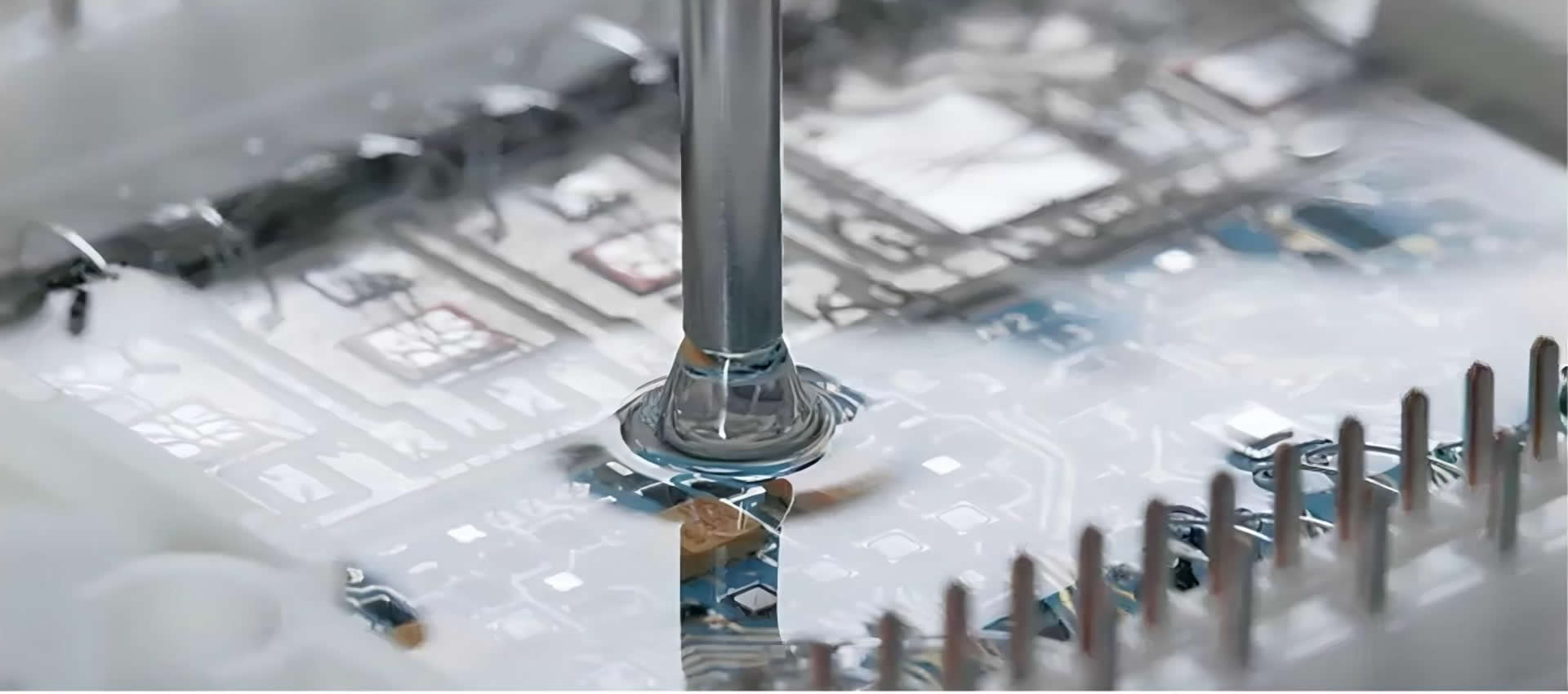
Electronics: Medium-viscosity grades (5,000–15,000 cSt) serve as potting agents, protecting circuit boards from moisture and thermal stress .
Medical Use Cases:
Surgical Devices: Low-viscosity VTMSF (<500 cSt) ensures minimal irritation in catheters and implant coatings .
Cosmetics: Moderate viscosity (500–3,000 cSt) is ideal for skincare formulations, offering spreadability and film-forming properties .
3. Regulatory and Safety Compliance
Industrial-Grade:Focuses on industrial safety standards (e.g., UL, RoHS) and resistance to contaminants like oils or solvents. Certifications prioritize durability over biological safety .
Medical-Grade:Requires compliance with healthcare regulations:
FDA 21 CFR: For food-contact applications.
ISO 10993: Biocompatibility testing for cytotoxicity, sensitization, and hemocompatibility .
Sterilization Compatibility: Must withstand autoclaving or gamma radiation without degrading.
4. Material Properties and Customization
Parameter
Industrial-Grade
Medical-Grade
Vinyl Content
0.09–0.37% (adjustable for curing)
0.09–0.18% (precision for biocompatibility)
Thermal Stability
Up to 300°C (long-term exposure)
150–200°C (short-term sterilization)
Additive Options
Fillers for wear resistance
None (to avoid toxicity risks)
5. Cost vs. Performance Optimization
Industrial-Grade: Cost-effective for bulk applications like construction sealants, where high volume justifies standard formulations .
Medical-Grade: Higher upfront costs due to specialized testing and purification, but essential for risk-averse healthcare sectors .
Why Partner with Biyuan for VTMSF Solutions?
When precision and reliability matter, Biyuan stands out as a leader in silicone fluid innovation:
Tailored Formulations: Adjust viscosity, vinyl content, or additives to meet niche industrial or medical requirements—from high-temperature adhesives to USP Class VI-certified coatings .
Global Certifications: ISO 9001 and IATF 16949 compliance ensure consistency in every batch, critical for industries like aerospace or pharmaceuticals .
Scalable Solutions: Bulk purchasing options for industrial clients and small-batch precision for medical R&D teams.
For projects demanding flexibility, durability, and compliance, Biyuan’s VTMSF delivers unmatched versatility. Let us engineer the perfect solution to elevate your product’s performance.
Optimize Your Material Strategy Today
Whether you’re sealing industrial pipelines or developing life-saving medical devices, choosing the right VTMSF grade is non-negotiable. Partner with Biyuan to unlock tailored solutions that align with your technical specifications and business goals.
Preventing Contamination in Vinyl Terminated Silicone Fluid Storage: Best Practices for Industrial Users
Understanding the Critical Importance of Proper Storage
Vinyl Terminated Silicone Fluid represents a specialized category of silicone polymers with reactive vinyl groups at both molecular terminals, making them invaluable across numerous industria.
Enhancing Adhesion of Vinyl Terminated Silicone Fluid to Substrates: Strategies and Solutions
Vinyl Terminated Silicone Fluid is a cornerstone material in industries ranging from medical devices to electronics, thanks to its flexibility, thermal stability, and biocompatibility. However, a persistent challenge faced by engineers and manufacturers is ach.
Understanding the Production Process of Vinyl Terminated Silicone Fluid
Vinyl terminated silicone fluid, a specialized silicone derivative, plays a pivotal role in industries ranging from cosmetics to industrial coatings. Its unique molecular structure—featuring vinyl end groups—enables exceptional adhesion, flexibility, and compatibility with diverse .
When procuring vinyl-terminated silicone fluids for industrial applications, understanding payment terms is critical to maintaining cash flow efficiency and fostering strong supplier relationships. These specialized lubricants, widely used in automotive, electronics, and medical industries, often involve high-value transactions, making clear financial ag.
Understanding the Thermal Stability of Vinyl Terminated Silicone Fluid
Vinyl terminated silicone fluid, a specialized type of silicone polymer, has emerged as a critical material in industries requiring high-performance solutions under extreme temperatures. Its unique molecular structure and tailored formulations make it a standout choice for applicati.
Optimal Storage Conditions for Vinyl Terminated Silicone Fluid: A Comprehensive Guide
Understanding Vinyl Terminated Silicone Fluid
Vinyl Terminated Silicone Fluid, chemically known as vinyl-terminated polydimethylsiloxane (CAS No. 68083-19-2), is a reactive silicone polymer characterized by vinyl groups at both molecular chain ends. This unique stru.
Common Mistakes When Using Vinyl Terminated Silicone Fluid and How to Avoid Them
Vinyl Terminated Silicone Fluids are fundamental components in creating high-performance silicone gels and coatings, prized for their role in platinum-catalyzed addition-cure systems. These fluids enable the formation of stable, three-dimensional networks that yield materia.
Understanding the Chemical Resistance of Vinyl Terminated Silicone Fluid: A Comprehensive Guide
Vinyl terminated silicone fluid, a versatile polymer widely used in industries ranging from electronics to automotive manufacturing, is renowned for its adaptability and durability. One of its most critical properties—resistance to chemicals—plays a pivotal .
Vinyl-terminated silicone fluids are critical components in industries ranging from electronics to construction, where purity directly impacts performance and product longevity. Detecting impurities in these materials requires a combination of advanced analytical techniques and rigorous quality protocols. Below, we explore proven methods to uncover contami.
The Challenge of Silicone Waste and Emerging Solutions
Vinyl terminated silicone fluid is a valuable material used across numerous industries for its thermal stability, flexibility, and dielectric properties. Like many silicone products, it presents a significant recycling challenge once it reaches end-of-life status. Traditional mechanical recycling me.
How to Determine the Volatility Profile of Vinyl-Terminated Silicone Fluids
Vinyl-terminated silicone fluids are critical components in industries ranging from coatings and adhesives to cosmetics and electronics. Their volatility directly impacts product stability, application performance, and long-term durability. Accurately measuring this property re.
How Vinyl Terminated Silicone Fluid Distinguishes Itself in Industrial Applications
Silicone fluids are indispensable in modern industries, but not all are created equal. Among them, vinyl-terminated silicone fluid (VTMSF) stands out due to its unique chemical structure and functional versatility. This article explores how VTMSF diverges from other s.
Vinyl Terminated Silicone Fluid has become an indispensable material across industries ranging from aerospace and automotive to electronics and medical devices, valued for its thermal stability, flexibility, and reactivity. However, like many high-performance materials, it remains susceptible to discoloration under certain conditions. Understanding the roo.
Vinyl Terminated Silicone Fluid: Stability and Reactivity with Air and Moisture
Understanding Vinyl Terminated Silicone Fluid’s Chemical Stability
Vinyl Terminated Silicone Fluid, also known as vinyl-terminated polydimethylsiloxane (VI PDMS), demonstrates exceptional stability when exposed to air and moisture under normal storage conditions. Th.
Understanding the Specific Gravity of Vinyl Terminated Silicone Fluid
Silicone fluids are indispensable in industries ranging from electronics to healthcare, and vinyl terminated silicone fluid stands out for its versatility and performance. One critical property that determines its suitability for specific applications is specific gravity—a measure.
Vinyl Terminated Silicone Fluid (VT-SF) has become an essential material across cosmetics, medical devices, and industrial applications due to its unique thermal stability and versatile performance characteristics. Understanding its potential for skin irritation is crucial for manufacturers, formulators, and brands prioritizing consumer safety.
Understa.
Vinyl terminated silicone fluid is a cornerstone material in industries requiring high-performance thermal management, from aerospace seals to medical device coatings. Ensuring its thermal stability is critical for applications exposed to extreme temperatures. This article dives into proven methodologies, key evaluation criteria, and industry best practice.
Strategies to Prevent Air Bubbles in Vinyl Terminated Silicone Fluid Applications
Vinyl Terminated Silicone Fluid is a critical component in high-performance sealants, mold-making, and electronic encapsulation due to its unique reactive vinyl groups that enable platinum-catalyzed addition curing. However, air bubbles during its application can compromis.
In the highly competitive and innovation-driven daily chemical industry, processing plants are constantly seeking advanced raw materials to enhance product quality, improve processing efficiency, and meet evolving consumer demands for performance, safety, and sustainability. Among various functional additives, silicone-based materials have gained significa.
Exploring the Suitability of Vinyl Terminated Silicone Fluid in Medical Devices
Silicone fluids have long been a cornerstone of medical device engineering, but vinyl-terminated silicone fluid represents a specialized iteration tailored for advanced healthcare applications. This material combines the inherent advantages of silicone with enhanced molec.
Vinyl terminated silicone fluid (ViPDMS) represents a specialized class of organosilicon compounds characterized by reactive vinyl groups (-CH=CH₂) at both ends of the polydimethylsiloxane molecular chain. This unique chemical structure, with the formula CH₂=CH-Si(CH₃)₂O[(CH₃)₂SiO]ₙ(CH₃)₂Si-CH=CH₂, provides exceptional versatility across industrial applica.
Vinyl Terminated Silicone Fluid: Revolutionizing Flexible Solar Panel Performance
The global transition toward renewable energy has accelerated demand for solar technologies that combine high efficiency with exceptional durability. Among the advanced materials enabling this transformation, vinyl terminated silicone fluid has emerged as a critical compon.
Strategic Investments in Vinyl Terminated Silicone Fluid for Next-Generation AI Hardware Cooling
The Emerging Frontier in AI Thermal Management
As artificial intelligence continues to push computational boundaries, thermal management has evolved from a supporting role to a critical performance factor. The exponential growth in AI processing power has.
Vinyl Terminated Silicone Fluid: Market Outlook, Pricing Trends, and Strategic Sourcing (2025-2033)
Introduction
The global market for vinyl terminated silicone fluidis poised for significant growth between 2025 and 2033, driven by expanding applications in high-performance sectors such as liquid silicone rubber (LSR), electronics, automotive, and me.
Overcoming Extreme Conditions: How Vinyl Terminated Silicone Fluid is Redefining Aerospace Coating Performance
In the unforgiving environment of aerospace—where components face blistering heat, rapid temperature fluctuations, UV radiation, and chemical exposure—the demand for advanced protective coatings has never been greater. Traditional coatings ofte.
Global Supply Analysis: Top 5 Leaders in Vinyl Terminated Silicone Fluid Export Markets
Introduction
The global market for vinyl terminated silicone fluidhas experienced remarkable growth driven by increasing demand across automotive, electronics, construction, and personal care industries. These specialized materials, known for their superior therma.
Vinyl Terminated Silicone Fluid: Enabling Next-Generation 3D-Printed Electronics
The Convergence of Material Science and Additive Manufacturing
In the rapidly evolving field of 3D-printed electronics, vinyl terminated silicone fluid has emerged as a critical material that bridges the gap between precision manufacturing and functional performance. Thi.
Vinyl Terminated Silicone Fluid: Comprehensive Technical Overview and Safety Protocols
Vinyl Terminated Silicone Fluid (CAS 68083-19-2), chemically known as vinyl-terminated polydimethylsiloxane, represents a specialized category of reactive silicone polymers with significant industrial importance. Characterized by reactive vinyl groups (-CH=CH₂) at bo.
Vinyl Terminated Silicone Fluid: The Game-Changer in UV Curing Technology
Introduction
In the rapidly evolving world of advanced materials, vinyl terminated silicone fluids have emerged as a transformative component in UV curing technology, particularly revolutionizing production timelines across multiple industries. These specialized silicone fluid.
The global shift toward sustainable manufacturing has triggered a material science revolution, with vinyl terminated silicone fluid (VT silicone fluid) emerging as a environmentally preferable alternative to traditional fluorosilicones. This transition represents more than mere substitution—it reflects a fundamental rethinking of how industrial materials b.
Global Market for Vinyl Terminated Silicone Fluid Poised for Significant Growth, Driven by Multi-Industry Demand and Innovation
The global market for vinyl terminated silicone fluid (VTSF) is projected to experience substantial growth, with its value expected to reach approximately US $3.2 billion by 2030. This growth is fueled by the material’s e.
The automotive industry is experiencing a transformative shift in sealant technology, driven by the innovative application of Vinyl Terminated Silicone Fluid (VT-SF). This specialized material has emerged as a critical component in developing high-performance sealing solutions that meet the evolving demands of modern vehicles, particularly with the global .
Vinyl Terminated Silicone Fluid: Navigating EU REACH Compliance for Global Market Access
Understanding Vinyl Terminated Silicone Fluid
Vinyl terminated silicone fluid, also known as vinyl-terminated polydimethylsiloxane (Vi-PDMS), is a specialized organosilicone compound featuring reactive vinyl groups (-CH=CH₂) at both ends of the polymer chain. Thi.
The Critical Role of pH Resistance in Vinyl Terminated Silicone Fluid for Industrial Applications
Vinyl Terminated Silicone Fluid (VT-SF) represents a specialized category of organosilicon compounds that have revolutionized multiple industrial sectors due to their exceptional chemical stability and versatility. This advanced material features reactive v.
Enhancing Adhesive Performance with Vinyl Terminated Silicone Fluid: A Comprehensive Guide to Bond Strength Optimization
Introduction to Vinyl Terminated Silicone Fluid
Vinyl terminated silicone fluid, also known as vinyl-terminated polydimethylsiloxane (Vi-PDMS), represents a specialized class of organosilicon compounds that have revolutionized adhe.
In the field of modern polymer materials, silicone oil boasts outstanding heat resistance, weather resistance, electrical insulation and chemical stability. It is widely used in electronics, medical care, daily chemicals, textiles, new energy and many other industries. Among various types, vinyl silicone oil synthesized via the potassium process has attrac.
Introduction: The Role of Vinyl Functionalization in Silicone Performance
The pursuit of enhanced material performance has positioned vinyl-terminated silicone fluids as critical additives in room-temperature vulcanized (RTV) silicone rubber formulations. These specialized fluids, characterized by reactive vinyl groups at both molecular terminals, fund.
Vinyl functional silicone oil is an organosilicon polymer with a siloxane bond backbone and vinyl groups on its side chains, serving as a critical modifier in the synthetic rubber sector. It is generally a colorless or pale yellow transparent liquid with outstanding thermal stability, chemical inertness and flexibility. Widely used for formulation optimiza.
Liquid silicone rubber base compound is primarily a blend of vinyl silicone oil and fumed silica, adopted to manufacture functional addition-cure liquid silicone rubber (LSR).
It registers the highest consumption in the new energy vehicle sector.
New Energy Vehicles
Power Batteries:IP67 sealing gaskets for battery packs, explosion-proof valve gas.
Advancements in Biocompatible Materials: High-Purity Vinyl Terminated Silicone Fluid for Next-Generation Medical Implants
In the realm of medical device innovation, the demand for materials that balance biocompatibility, durability, and functional versatility has never been greater—especially for implantable devices designed to integrate with the human.
Vinyl termified silicone fluids represent a specialized class of medical-grade materials engineered for advanced healthcare applications. These reactive fluids feature terminal vinyl groups that enable precise molecular customization and controlled crosslinking capabilities, making them ideal for developing implantable devices, drug delivery systems, and d.
Vinyl silicone fluid is revolutionizing cosmetic and personal care formulations through its unique reactive properties and sensory enhancement capabilities. This functional silicone material features terminal vinyl groups that enable customizable cross-linking while maintaining the characteristic smoothness of silicone-based ingredients.
Vinyl sili.
Vinyl silicone fluid, as a core functional silicone product, demonstrates exceptional versatility and reliability in the industrial additives sector. Its unique molecular structure combines the flexibility of a siloxane backbone with the reactivity of terminal vinyl groups, delivering customized solutions for various industrial applications.
In polymer .
Vinyl terminated fluid is emerging as a transformative additive in textile and leather manufacturing, offering a unique combination of processing enhancement and performance optimization. This reactive silicone fluid leverages its terminal vinyl groups to create durable molecular bridges with fibers and leather substrates, delivering lasting functional ben.
Contact Us
We're here to help with any questions or inquiries you may have
Contact Information
Address
No. 116, Jiangdong Street, Yiwu City, Jinhua City, Zhejiang Province,China