
Vinyl Terminated Silicone Fluid factory
Vinyl Terminated Silicone Fluid
Everything you need to know about our products and company
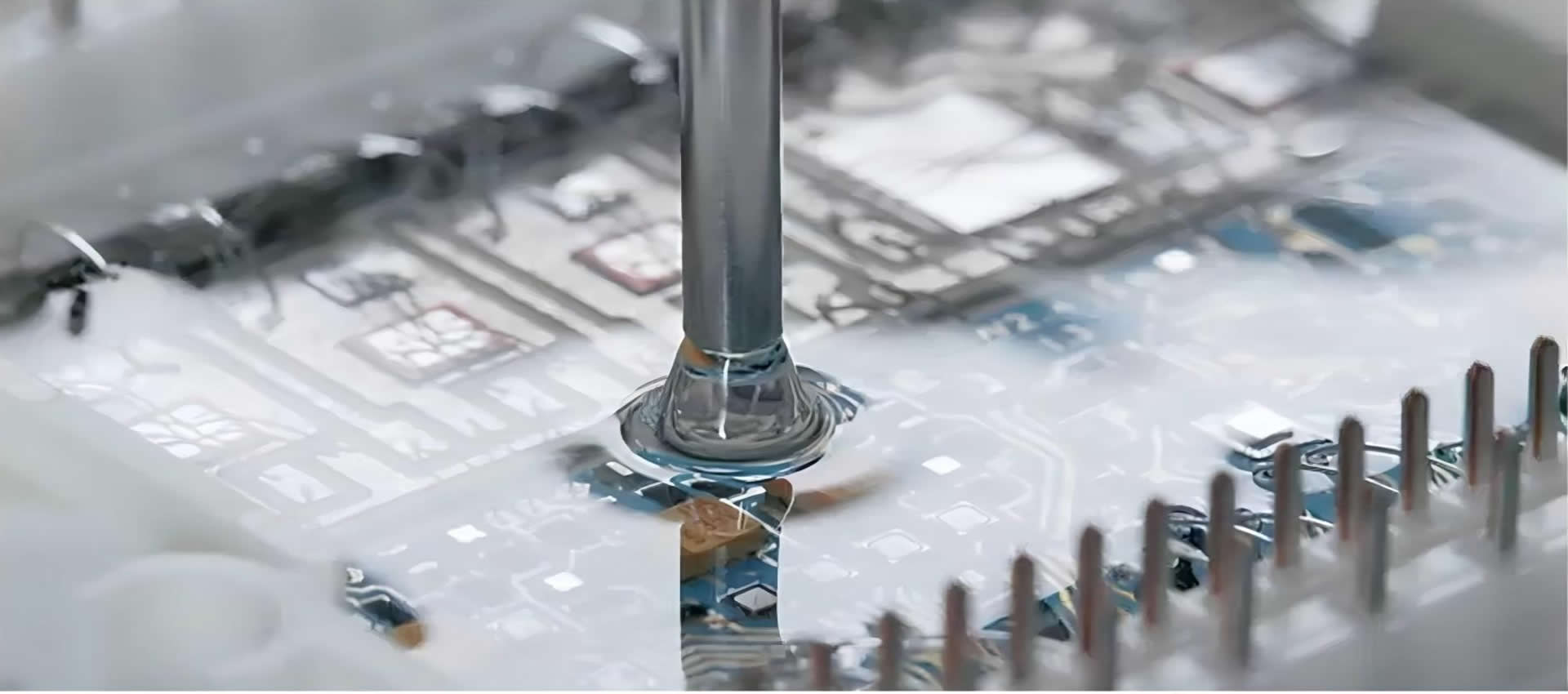
A Chinese invention patent covering the synthesis of branched vinylphenyl silicone oil has recently been published. Featuring an innovative molecular construction and copolymerization end-capping process, this technology addresses longstanding industry pain points of conventional vinylphenyl silicone oil: turbidity, high haze and inconsistent light transmittance across batches. While retaining its advantages of high refractive index, thermal resistance and platinum-curable crosslinking reactivity, the material delivers greatly enhanced bulk transparency, offering a domestic new material solution for optical encapsulation, high-performance liquid silicone rubber and optoelectronic adhesives.
Vinylphenyl silicone oil serves as the base polymer for addition-cure optical silicones. The phenyl groups endow the polymer with high refractive index, UV resistance and thermal stability, and pendant vinyl groups enable platinum-catalyzed crosslinking. It is widely adopted in LED encapsulants, optical potting compounds and radiation-resistant phenyl silicone rubber. Nevertheless, traditional linear copolymerization tends to cause uneven distribution of phenyl segments, local microphase separation and residual low-molecular cyclic siloxanes. The resulting products often suffer from haze, fluctuating transmittance and thermal yellowing, restricting their deployment in high-transparency optical devices and precision optoelectronic assemblies.
This patented process follows a controlled synthesis route: constructing a branched vinyl siloxane core first, followed by balanced copolymerization with phenyl cyclosiloxane and dimethylsiloxane units, and precise end-capping of residual silanol groups. It enables ordered arrangement of branched nodes, phenyl units and reactive vinyl sites along the siloxane backbone and suppresses microphase separation at the molecular level. Optimized devolatilization and purification reduce heterogeneous impurities and trace oligomers that cause light scattering. The final product features clear bulk appearance, lower haze, superior transmittance stability and consistent optical performance batch to batch.
Compared with conventional linear vinylphenyl silicone oil, the branched structure delivers multiple synergistic benefits. Beyond improved transparency, the branched topology tailors the crosslink network to achieve balanced mechanical properties and lower internal stress after curing. Phenyl content and refractive index can be adjusted as required. Uniform vinyl distribution supports steady curing speed, avoiding incomplete local cure or runaway polymerization. The material inherits the outstanding heat resistance, radiation resistance and low outgassing properties of phenyl silicones, suitable for demanding applications including high-power LEDs, optical modules, sensor potting and high-temperature transparent aerospace elastomers.
“The core competition for optical silicones lies in stable transparency and refractive index matching. Many formulators struggle with inherent haze in raw materials; even with reinforcing resin blending, it is difficult to reach premium optical grades,” explained the R&D lead. This design embeds high transparency at the monomer polymerization stage, instead of relying on post-treatment decolorization and filtration. The base material possesses inherently superior optical quality, lowering formulation difficulty and mitigating light scattering risks introduced by reinforcing additives.
Domestic optoelectronic and semiconductor packaging chains are seeing rising demand for high-transparency phenyl silicones, together with stricter requirements on batch consistency, low volatility and aging resistance. This patented technology establishes a scalable route from molecular design to stable mass production. Grades with customized viscosity, phenyl fraction and vinyl content are available to support import substitution of optical silicones and reduce reliance on overseas premium optoelectronic adhesive materials.
The R&D team will continue process scale-up and supporting application package development, alongside validation of optical attenuation under thermal aging, UV exposure and thermal cycling. It aims to provide integrated support of raw materials, testing and formulation technology for encapsulation factories and adhesive manufacturers.
Our most popular products loved by customers worldwide
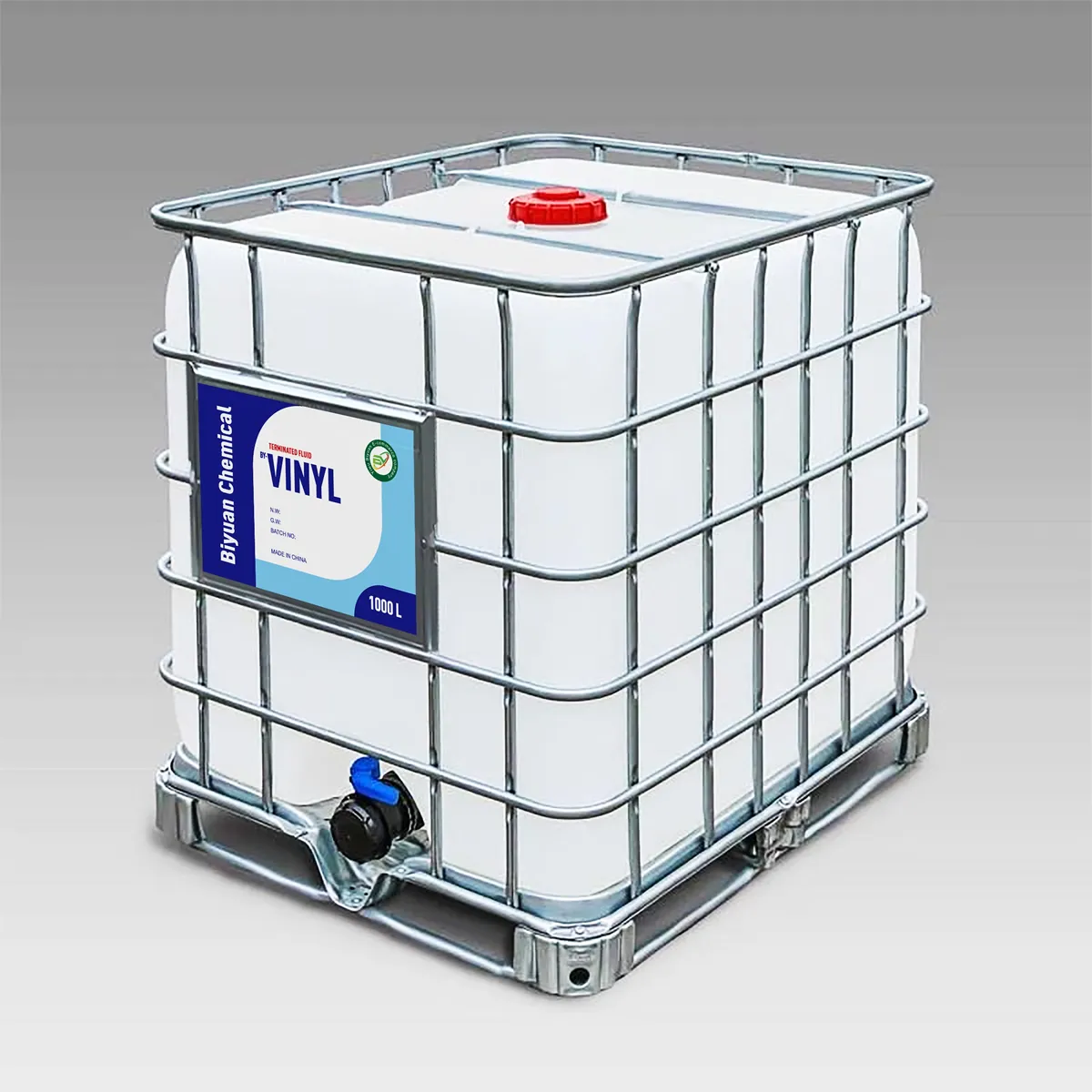
Vinyl termified silicone fluids represent a specialized class of medical-grade materials engineered for advanced healthcare applications. These reactive fluids feature terminal vinyl groups that enable precise molecular customization and controlled crosslinking capabilities, making them ideal for developing implantable devices, drug delivery systems, and d.
Vinyl silicone fluid is revolutionizing cosmetic and personal care formulations through its unique reactive properties and sensory enhancement capabilities. This functional silicone material features terminal vinyl groups that enable customizable cross-linking while maintaining the characteristic smoothness of silicone-based ingredients. Vinyl sili.
Vinyl silicone fluid, as a core functional silicone product, demonstrates exceptional versatility and reliability in the industrial additives sector. Its unique molecular structure combines the flexibility of a siloxane backbone with the reactivity of terminal vinyl groups, delivering customized solutions for various industrial applications. In polymer .
Vinyl terminated fluid is emerging as a transformative additive in textile and leather manufacturing, offering a unique combination of processing enhancement and performance optimization. This reactive silicone fluid leverages its terminal vinyl groups to create durable molecular bridges with fibers and leather substrates, delivering lasting functional ben.