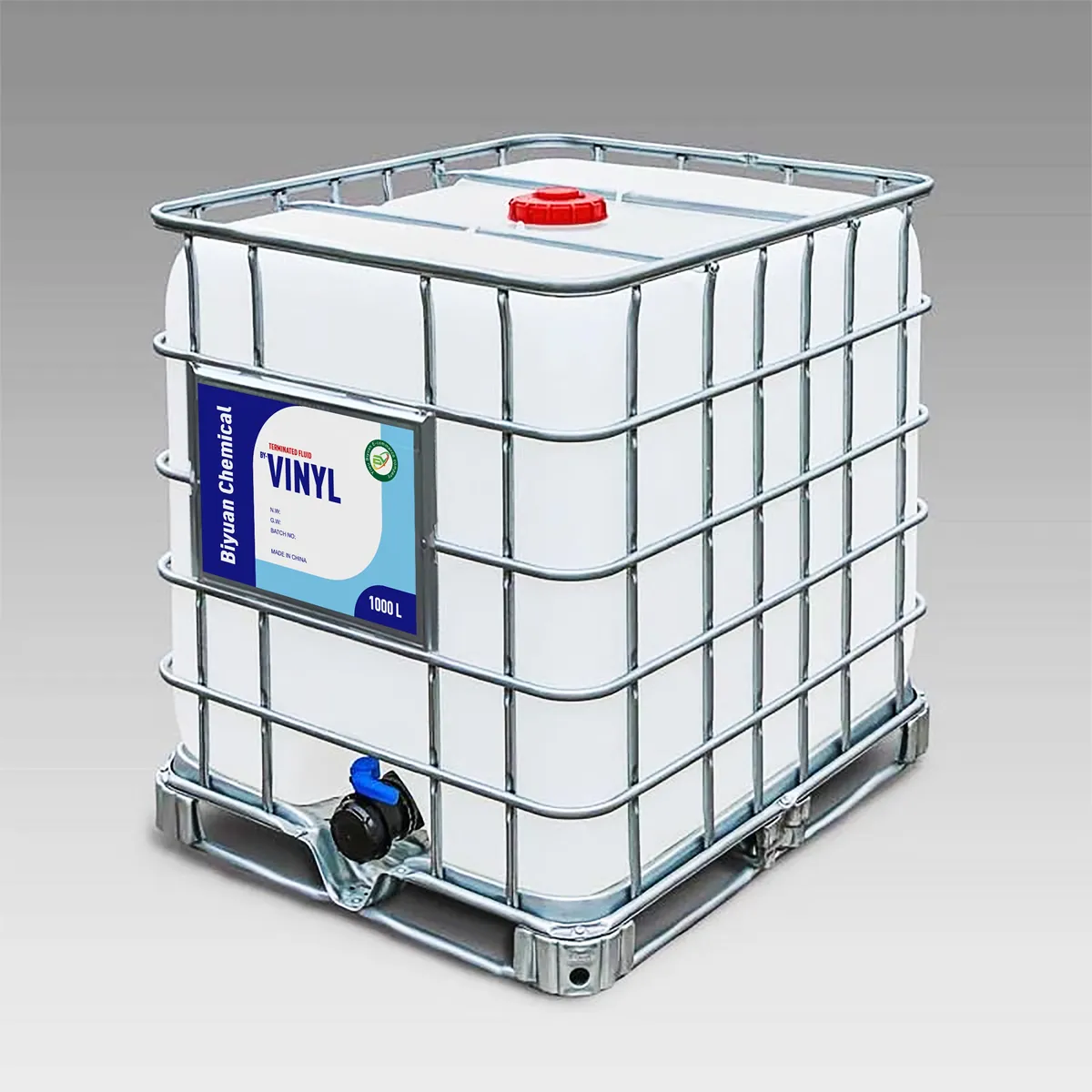
What is the CAS number of Vinyl Terminated Silicone Fluid? - Vinyl Terminated Silicone Fluid factory
Vinyl Terminated Silicone Fluid
Information Center
Everything you need to know about our products and company
Understanding the CAS Number of Vinyl Terminated Silicone Fluid
Vinyl terminated silicone fluid, a cornerstone in industrial and commercial applications, is identified by its unique chemical structure and reactive properties. For professionals seeking precise technical data or procurement guidance, understanding its CAS number and functional characteristics is critical. This article explores the CAS identifier, applications, and performance advantages of vinyl terminated silicone fluids, with insights into how brands like Biyuan deliver high-performance solutions tailored to diverse needs.
CAS Number Identification
The CAS (Chemical Abstracts Service) number for vinyl terminated silicone fluid is 68083-19-2. This identifier corresponds to a class of polydimethylsiloxane polymers terminated with reactive vinyl groups (-CH=CH₂), enabling crosslinking reactions essential for applications in elastomers, sealants, and coatings .
Chemical Properties & Functional Advantages
Reactive Vinyl Groups The terminal vinyl groups allow addition-curing reactions with hydrogen-containing crosslinkers (e.g., hydrosilanes) and platinum catalysts. This enables precise control over curing conditions (ambient or elevated temperatures) and enhances material durability .
Viscosity Customization Available in a broad viscosity range (100–100,000 cSt), these fluids cater to applications demanding flexibility in processing. For instance:
Low-viscosity grades (100–500 cSt) serve as diluents in silicone rubber formulations.
High-viscosity grades (10,000–100,000 cSt) are ideal for mold-making and structural adhesives .
Thermal & Chemical Stability Resistant to extreme temperatures (-50°C to 300°C) and inert to most chemicals, vinyl terminated silicone fluids maintain performance in harsh environments, making them suitable for automotive, aerospace, and electronics sectors .
Key Applications
Silicone Elastomers & Rubbers As a base polymer for RTV-2 (room-temperature vulcanizing) and LSR (liquid silicone rubber), these fluids form the backbone of products like medical tubing, electrical insulators, and automotive seals .
Coatings & Release Agents Their low surface tension and hydrophobic properties make them ideal for anti-stick coatings, protective films, and mold-release agents in food packaging and industrial machinery .
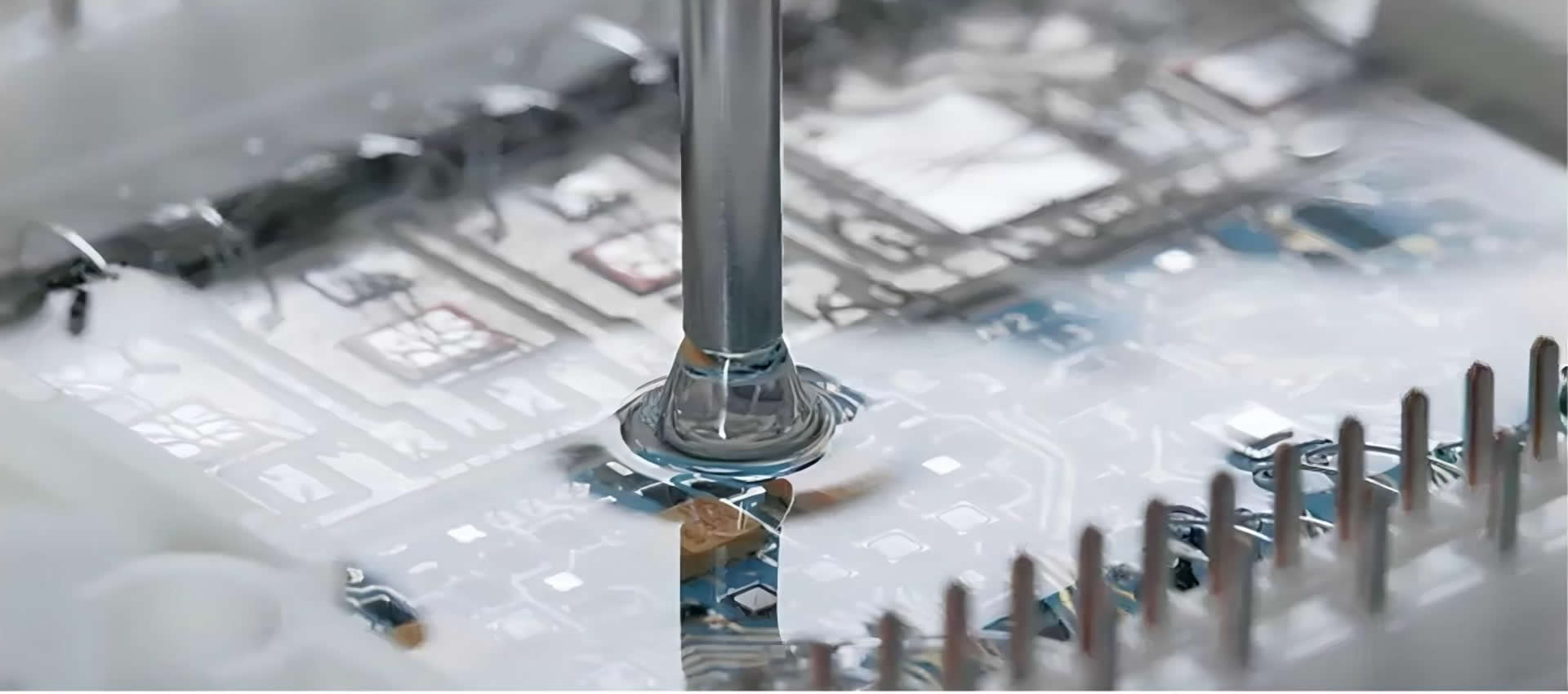
Electronics Encapsulation Used in potting compounds for circuit boards, vinyl terminated silicone fluids provide moisture resistance and thermal management, critical for durability in humid or high-temperature settings .
Why Choose Biyuan for Vinyl Terminated Silicone Fluids?
Biyuan has established itself as a leader in silicone solutions, offering tailored formulations that align with industry demands:
Quality Assurance: Products adhere to international standards (e.g., ISO, ASTM), ensuring consistency in viscosity, volatility, and reactivity.
Customization: Adjustments to vinyl content (0.1–1.5%) and viscosity enable optimization for specific applications, from flexible sealants to rigid structural adhesives.
Sustainability: Low-VOC formulations meet environmental regulations while maintaining performance, aligning with global green initiatives.
For example, Biyuan’s HS-10000 grade (10,000 cSt viscosity, 0.12–0.16% vinyl content) is engineered for high-strength molds and electronic encapsulation, balancing elasticity and dimensional stability .
Conclusion
The CAS number 68083-19-2 anchors the identity of vinyl terminated silicone fluid, a versatile material pivotal in modern manufacturing. By leveraging advanced formulations and stringent quality control, brands like Biyuan continue to drive innovation in sectors requiring reliability, precision, and adaptability. Whether for industrial elastomers or consumer electronics, selecting the right silicone fluid ensures longevity and efficiency in diverse applications.
The Challenge of Silicone Waste and Emerging Solutions
Vinyl terminated silicone fluid is a valuable material used across numerous industries for its thermal stability, flexibility, and dielectric properties. Like many silicone products, it presents a significant recycling challenge once it reaches end-of-life status. Traditional mechanical recycling me.
In the sophisticated field of polymer engineering, the journey from raw materials to high-performance elastomers begins with molecular-level decisions. For formulators developing addition-cure systems—from medical-grade gels and flexible adhesives to durable seals and high-temperature composites—the selection of the primary reactive polymer is more than a .
Storage Guidelines for Vinyl Terminated Silicone Fluid: Plastic Container Compatibility
Understanding Vinyl Terminated Silicone Fluid
Vinyl Terminated Silicone Fluid (CAS 68083-19-2) represents a specialized category of silicone polymers characterized by reactive vinyl groups at both molecular terminals. This unique chemical structure, formulated as .
Exploring the Critical Role of Vinyl Terminated Silicone Fluid in Modern Adhesive Systems
In the realm of advanced adhesives and sealants, vinyl terminated silicone fluid has emerged as a transformative component, enabling engineers and manufacturers to overcome long-standing challenges in durability, flexibility, and environmental resistance. This h.
Strategies to Prevent Air Bubbles in Vinyl Terminated Silicone Fluid Applications
Vinyl Terminated Silicone Fluid is a critical component in high-performance sealants, mold-making, and electronic encapsulation due to its unique reactive vinyl groups that enable platinum-catalyzed addition curing. However, air bubbles during its application can compromis.
Handling Spillage of Vinyl Terminated Silicone Fluid: A Comprehensive Guide
Understanding Vinyl Terminated Silicone Fluid
Vinyl Terminated Silicone Fluid is a specialized organosilicone compound characterized by reactive vinyl groups at the molecular chain ends. This unique chemical structure enables exceptional cross-linking capabilities, making it .
Vinyl Terminated Silicone Fluids are widely used in industries ranging from electronics to automotive manufacturing due to their excellent thermal stability, chemical resistance, and lubricating properties. However, ensuring compliance with heavy metal regulations is critical for safety, environmental protection, and market acceptance. This article explore.
What is Vinyl Terminated Silicone Fluid? Key Applications & Benefits Revealed
Vinyl terminated silicone fluid, a specialized type of polydimethylsiloxane (PDMS) with vinyl-functionalized end groups, has emerged as a cornerstone material in industries ranging from electronics to cosmetics. Its unique chemical structure and versatile properties make .
Optimal Storage Conditions for Vinyl Terminated Silicone Fluid: A Comprehensive Guide
Understanding Vinyl Terminated Silicone Fluid
Vinyl Terminated Silicone Fluid, chemically known as vinyl-terminated polydimethylsiloxane (CAS No. 68083-19-2), is a reactive silicone polymer characterized by vinyl groups at both molecular chain ends. This unique stru.
What Makes Vinyl Terminated Silicone Fluid a “Reactive” Choice in Industrial Applications?
In the realm of specialty chemicals, vinyl terminated silicone fluid stands out for its unique chemical structure and versatility. But what exactly defines its “reactivity,” and why is this property so critical for industrial applicatio.
Vinyl Terminated Silicone Fluid (VT-SF) has become an essential material across cosmetics, medical devices, and industrial applications due to its unique thermal stability and versatile performance characteristics. Understanding its potential for skin irritation is crucial for manufacturers, formulators, and brands prioritizing consumer safety.
Understa.
Vinyl Terminated Silicone Fluid (VT-SF) has become an indispensable material across industries ranging from electronics and automotive to medical devices and construction. Its unique chemical structure, featuring reactive vinyl groups at the molecular terminals, provides exceptional thermal stability, chemical resistance, and versatility in application. Ho.
An Industry Analysis
Understanding VOC Emissions in Silicone Manufacturing
Vinyl Terminated Silicone Fluid (VT-SF) has become a critical material across numerous industries due to its exceptional thermal stability, chemical resistance, and versatile applications. A fundamental question that arises among manufacturers and end-users alike concerns its .
Preventing Contamination in Vinyl Terminated Silicone Fluid Storage: Best Practices for Industrial Users
Understanding the Critical Importance of Proper Storage
Vinyl Terminated Silicone Fluid represents a specialized category of silicone polymers with reactive vinyl groups at both molecular terminals, making them invaluable across numerous industria.
Vinyl Terminated Silicone Fluid in Medical Implants: A Transformative Biomaterial
In the rapidly evolving field of medical technology, the quest for advanced materials that combine superior biocompatibility with long-term stability has led to the emergence of vinyl terminated silicone fluidas a transformative solution for implantable medical devices. Th.
Signs of Degraded Vinyl Terminated Silicone Fluid and How to Address Them
Vinyl Terminated Silicone Fluid is a critical material in industries ranging from medical devices to automotive manufacturing, prized for its thermal stability, flexibility, and chemical resistance. However, degradation can compromise its performance, leading to equipment failure.
Global Regulatory Landscape for Vinyl Terminated Silicone Fluid: Compliance and Applications
The use of Vinyl Terminated Silicone Fluid (VT-SF) is subject to a complex framework of international regulations and industry standards designed to ensure safety, quality, and environmental protection. As a key material in sectors ranging from medical devices.
How Vinyl Terminated Silicone Fluid Achieves Minimal By-Products in Production
The production of vinyl terminated silicone fluid (VTMS) is a cornerstone of modern silicone chemistry, with applications spanning electronics, construction, and advanced materials. A critical question for manufacturers and R&D teams revolves around by-product manageme.
In the manufacturing of high-performance sealing components, the selection of raw materials is not just a procurement decision—it is a critical engineering choice that determines product longevity, reliability, and performance under demanding conditions. When it comes to sealing rings used in automotive, industrial machinery, medical devices, and electrica.
In the rapidly evolving new energy vehicle (NEV) industry, component manufacturers face unprecedented demands for performance, durability, and reliability. From battery systems and power electronics to sealing solutions and thermal management, the materials used in NEV components must meet stringent standards under extreme conditions. Among these advanced .
Advancements in Biocompatible Materials: High-Purity Vinyl Terminated Silicone Fluid for Next-Generation Medical Implants
In the realm of medical device innovation, the demand for materials that balance biocompatibility, durability, and functional versatility has never been greater—especially for implantable devices designed to integrate with the human.
Vinyl Terminated Silicone Fluid: Engineering Weather-Defying Construction Sealants
In the face of escalating climate challenges, the construction industry is turning to advanced material science to enhance building resilience. At the forefront of this innovation are specialty silicone-based sealants, with vinyl terminated silicone fluid playing a pivota.
In the field of modern polymer materials, silicone oil boasts outstanding heat resistance, weather resistance, electrical insulation and chemical stability. It is widely used in electronics, medical care, daily chemicals, textiles, new energy and many other industries. Among various types, vinyl silicone oil synthesized via the potassium process has attrac.
Vinyl Terminated Silicone Fluid: The Modern Choice for Skin-Friendly Cosmetics
Introduction
In the evolving world of cosmetic science, vinyl terminated silicone fluids have emerged as sophisticated ingredients that combine performance with skin compatibility. These specialized silicone polymers, characterized by reactive vinyl groups at both ends of .
Vinyl Silicone Fluids Revolutionize Water-Repellent Textile Manufacturing
The textile industry is undergoing a remarkable transformation with the integration of vinyl terminated silicone fluid, a specialized silicone polymer that is setting new standards for water-repellent fabric technology. This advanced material offers unparalleled performance chara.
Vinyl Terminated Silicone Fluid: The Game-Changer in UV Curing Technology
Introduction
In the rapidly evolving world of advanced materials, vinyl terminated silicone fluids have emerged as a transformative component in UV curing technology, particularly revolutionizing production timelines across multiple industries. These specialized silicone fluid.
Solving Electronics Overheating Challenges: The Rise of Vinyl-Terminated Silicone Fluids with Superior Thermal Conductivity
In today’s hyper-connected world, electronic devices—from smartphones and laptops to industrial servers and 5G base stations—are growing more powerful by the day. But with increased processing power comes a critical challenge: hea.
Vinyl Terminated Silicone Fluid: Comprehensive Technical Overview and Safety Protocols
Vinyl Terminated Silicone Fluid (CAS 68083-19-2), chemically known as vinyl-terminated polydimethylsiloxane, represents a specialized category of reactive silicone polymers with significant industrial importance. Characterized by reactive vinyl groups (-CH=CH₂) at bo.
Global Supply Analysis: Top 5 Leaders in Vinyl Terminated Silicone Fluid Export Markets
Introduction
The global market for vinyl terminated silicone fluidhas experienced remarkable growth driven by increasing demand across automotive, electronics, construction, and personal care industries. These specialized materials, known for their superior therma.
Solving Volatility Challenges in Medical Device Manufacturing: The Rise of Advanced Vinyl-Terminated Silicone Fluids
For medical device engineers and manufacturers, selecting materials that balance performance, safety, and regulatory compliance is a constant balancing act. Among the critical considerations? Volatility. High-volatility silicones can com.
The Chinese National Intellectual Property Administration granted a patent application titled A Crosslinkable Epoxy-Containing Vinyl Silicone Oil, Thermally Conductive Silicone Gel, Their Preparation Methods and Applications, with publication number CN121378755A.
According to the patent abstract, the invention relates to crosslinkable epoxy-contain.
Tackling Industrial Coating Emissions: Why Vinyl-Terminated Silicone Fluids Are the Sustainable Choice
In industrial coatings, balancing performance with environmental responsibility has never been more critical. As global regulations tighten on volatile organic compound (VOC) emissions—linked to air pollution and health risks—formulators are scrambling.
Introduction: The Role of Vinyl Functionalization in Silicone Performance
The pursuit of enhanced material performance has positioned vinyl-terminated silicone fluids as critical additives in room-temperature vulcanized (RTV) silicone rubber formulations. These specialized fluids, characterized by reactive vinyl groups at both molecular terminals, fund.
Overcoming Extreme Conditions: How Vinyl Terminated Silicone Fluid is Redefining Aerospace Coating Performance
In the unforgiving environment of aerospace—where components face blistering heat, rapid temperature fluctuations, UV radiation, and chemical exposure—the demand for advanced protective coatings has never been greater. Traditional coatings ofte.
Pharmaceutical Innovations with Vinyl Terminated Silicone Fluid: Advancing Drug Delivery Systems
Introduction
The pharmaceutical industry continuously seeks innovative materials that can enhance drug delivery efficacy and patient outcomes. Among these materials, vinyl terminated silicone fluids have emerged as a versatile polymer with unique proper.
Nanotechnology-Enhanced Vinyl Terminated Silicone Fluid: Revolutionizing Anti-Corrosion Protection
Introduction to a New Era in Corrosion Prevention
The integration of nanotechnology with vinyl terminated silicone fluid represents a groundbreaking advancement in anti-corrosion technology. This innovative combination leverages the unique properties of.
Liquid silicone rubber base compound is primarily a blend of vinyl silicone oil and fumed silica, adopted to manufacture functional addition-cure liquid silicone rubber (LSR).
It registers the highest consumption in the new energy vehicle sector.
New Energy Vehicles
Power Batteries:IP67 sealing gaskets for battery packs, explosion-proof valve gas.
Vinyl Terminated Silicone Fluid: Revolutionizing Thermal Management in EV Batteries
Introduction
The rapid evolution of electric vehicles has brought battery thermal management to the forefront of automotive engineering challenges. As EV manufacturers strive for greater range, faster charging, and enhanced safety, the limitations of conventional ther.
Vinyl Terminated Silicone Fluid: Ensuring Signal Integrity in Next-Generation 5G Infrastructure
The rapid global deployment of 5G networks represents a transformative leap in communication technology, enabling unprecedented data speeds, ultra-low latency, and massive device connectivity. However, this technological advancement comes with significant mat.
In the realm of high-performance materials, low molecular weight vinyl-terminated silicone fluid (VTSF) has emerged as a critical component for precision coatings, combining exceptional reactivity with tailored physical properties. Its unique molecular architecture—featuring reactive vinyl end groups on a flexible siloxane backbone—enables formulators to d.
Vinyl termified silicone fluids represent a specialized class of medical-grade materials engineered for advanced healthcare applications. These reactive fluids feature terminal vinyl groups that enable precise molecular customization and controlled crosslinking capabilities, making them ideal for developing implantable devices, drug delivery systems, and d.
Vinyl silicone fluid is revolutionizing cosmetic and personal care formulations through its unique reactive properties and sensory enhancement capabilities. This functional silicone material features terminal vinyl groups that enable customizable cross-linking while maintaining the characteristic smoothness of silicone-based ingredients.
Vinyl sili.
Vinyl silicone fluid, as a core functional silicone product, demonstrates exceptional versatility and reliability in the industrial additives sector. Its unique molecular structure combines the flexibility of a siloxane backbone with the reactivity of terminal vinyl groups, delivering customized solutions for various industrial applications.
In polymer .
Vinyl terminated fluid is emerging as a transformative additive in textile and leather manufacturing, offering a unique combination of processing enhancement and performance optimization. This reactive silicone fluid leverages its terminal vinyl groups to create durable molecular bridges with fibers and leather substrates, delivering lasting functional ben.

Contact Us
We're here to help with any questions or inquiries you may have
Contact Information
Address
No. 116, Jiangdong Street, Yiwu City, Jinhua City, Zhejiang Province,China