
Vinyl Terminated Silicone Fluid factory
Vinyl Terminated Silicone Fluid
Everything you need to know about our products and company
As a core base material for addition-cure liquid silicone rubber, electronic potting adhesive, photovoltaic encapsulant and release coatings, vinyl silicone oil is an essential intermediate in the silicone new materials sector. Recently, China’s vinyl silicone oil market has shown a pattern of stable quoted prices, sluggish transactions and differentiated grades. Price movements are jointly driven by cost support, supply flexibility and structural divergence in downstream demand, and the price gap between general grades and high-purity specialty grades keeps widening.
On the cost side, the price of vinyl silicone oil closely follows fluctuations of upstream raw materials including DMC and vinyl-terminated monomers. DMC has trended weaker recently, weakening cost support, while industrial silicon and methanol remain relatively stable. Meanwhile, some siloxane feedstocks stay at high levels, underpinning the bottom price of silicone oil. Monomer manufacturers are reluctant to offer large discounts. Nevertheless, amid expectations of lower costs, downstream buyers stay cautious, negotiation room for firm orders expands, and there is a clear divergence between listed prices and actual transaction prices, with low-price supplies continuously weighing on market prices.
The supply side features ample overall supply but tight supply for high-end grades. Domestic capacity for general-viscosity vinyl silicone oil is sufficient, and small- and medium-sized manufacturers face fierce competition for conventional grades. Some enterprises cut prices flexibly to destock. In contrast, low-volatility, low cyclic siloxane, high-purity, medical-grade and electronic-grade custom vinyl silicone oil has higher technical barriers. Its production is concentrated in a handful of leading manufacturers with limited new capacity, constrained by environmental, safety supervision and plant maintenance. The overall operating rate stays at a moderate level. Most factories arrange production against orders and are unwilling to build up inventory actively. Inventory pressure mainly falls on general circulating grades, while high-end custom products are mostly produced on order with low inventory levels.
Demand is the key restraining factor for current market sentiment, characterized by weak traditional sectors and structural growth in emerging tracks. The largest downstream application of vinyl silicone oil is addition-cure liquid silicone rubber (LSR). Orders for consumer electronics and daily-use products remain flat with limited growth. Demand for construction sealants stays in off-season. Downstream factories only purchase on an as-needed basis with low inventory and have not launched large restocking cycles, with widespread price comparison and bargaining. High-end sectors such as new energy, energy storage, battery potting, photovoltaic encapsulation and medical silicone provide support. Demand for specialty vinyl silicone oil featuring low precipitation, high transparency and yellowing resistance keeps rising. Customers in these sectors prioritize batch stability and compliance indicators and are less price-sensitive, enjoying stronger premium capacity. Such demand divergence leads to uneven market performance: general grades struggle with slow sales, while high-purity specialty grades maintain steady orders and pricing advantages.
In terms of market prices, domestic conventional vinyl silicone oil is mainly traded at around RMB 16,000–16,500 per ton. Foreign brands and high-purity low-cyclic-siloxane specialty grades are priced markedly higher than domestic general grades, and the price gap continues to expand. Trading is dominated by small and medium-sized orders for rigid demand; large orders are scarce. Traders operate prudently with quick turnover to avoid downside risks.
Overall, the vinyl silicone oil market is expected to remain range-bound and differentiated by grade in the short term. Sustained price hikes lack support from demand growth, while sharp declines are capped by raw material costs and production controls by leading suppliers. Three factors will dominate subsequent market trends: whether upstream DMC and monomer prices stabilize; whether orders for high-end adhesives used in new energy, electronics and medical sectors keep growing; and the pace of supply contraction triggered by environmental and safety regulations.
In the medium and long run, as downstream addition-cure silicone rubber shifts toward greener and higher-purity products, and export markets enforce stricter compliance requirements for low cyclic siloxane and low-VOC products, competition for vinyl silicone oil will shift from pure price competition to customized formulation, consistent quality and compliance service. Profit margins of general grades will keep shrinking. Specialty vinyl silicone oil with low volatility, low cyclic siloxane content and compatibility with platinum catalyst systems will become the main growth driver of the industry, with broad space for import substitution.
Our most popular products loved by customers worldwide
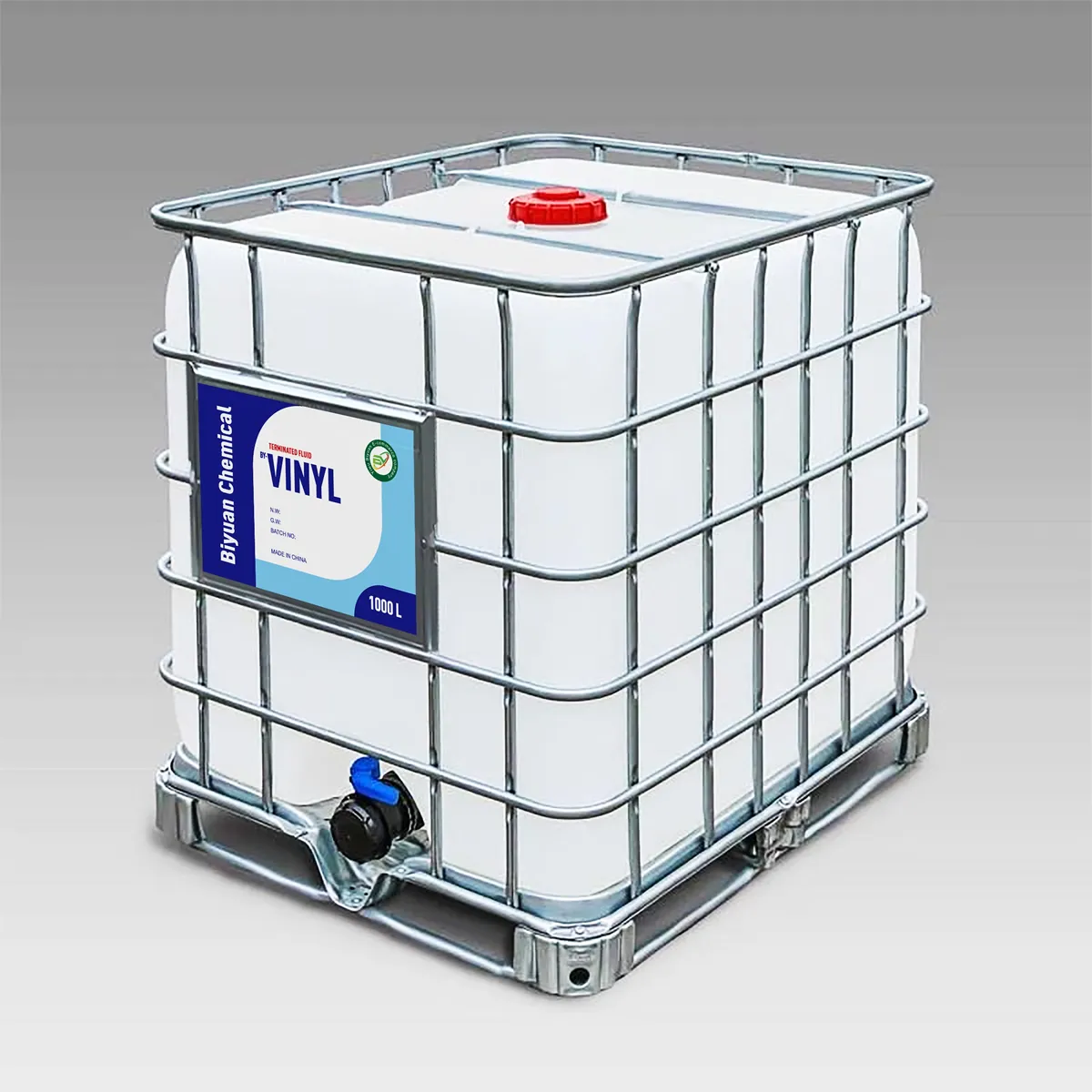
Vinyl termified silicone fluids represent a specialized class of medical-grade materials engineered for advanced healthcare applications. These reactive fluids feature terminal vinyl groups that enable precise molecular customization and controlled crosslinking capabilities, making them ideal for developing implantable devices, drug delivery systems, and d.
Vinyl silicone fluid is revolutionizing cosmetic and personal care formulations through its unique reactive properties and sensory enhancement capabilities. This functional silicone material features terminal vinyl groups that enable customizable cross-linking while maintaining the characteristic smoothness of silicone-based ingredients. Vinyl sili.
Vinyl silicone fluid, as a core functional silicone product, demonstrates exceptional versatility and reliability in the industrial additives sector. Its unique molecular structure combines the flexibility of a siloxane backbone with the reactivity of terminal vinyl groups, delivering customized solutions for various industrial applications. In polymer .
Vinyl terminated fluid is emerging as a transformative additive in textile and leather manufacturing, offering a unique combination of processing enhancement and performance optimization. This reactive silicone fluid leverages its terminal vinyl groups to create durable molecular bridges with fibers and leather substrates, delivering lasting functional ben.