Vinyl Terminated Silicone Fluid factory
Vinyl Terminated Silicone Fluid
Everything you need to know about our products and company
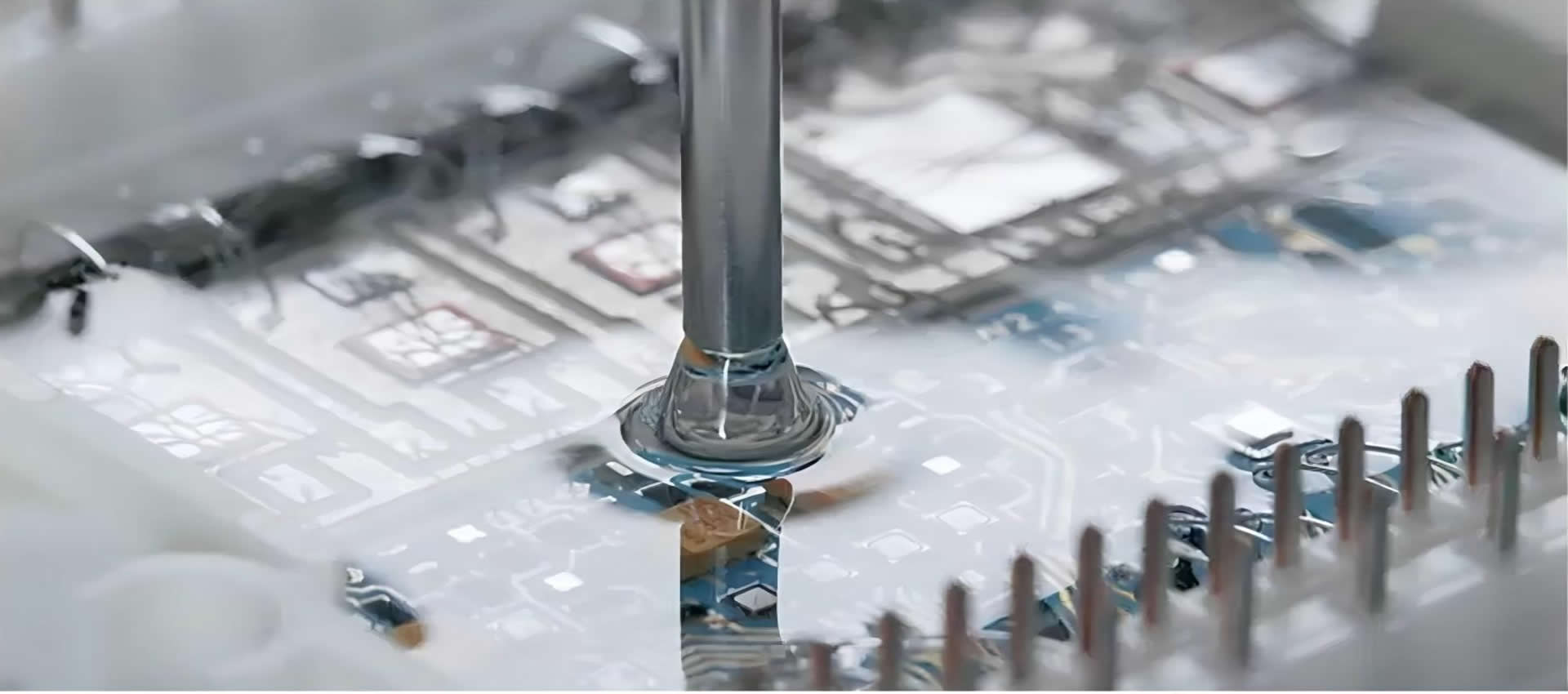
The new-generation heat-resistant vinyl silicone oil retains excellent appearance, viscosity and crosslinking reactivity after continuous thermal aging at 200 °C × 7 days (168 hours). The company has also launched R&D planning for higher 260 °C and 300 °C grades, targeting addition-cure silicone rubber, power-electronics encapsulation and high-end industrial applications under high-temperature service.
Conventional methyl silicone oils are generally limited to service below 200 °C; above this, side-chain methyl groups readily undergo oxidative chain scission, causing viscosity rise, hardening/brittleness and volatile-matter release. Through molecular design and a heat-stabilization system, the new heat-resistant vinyl silicone oil shows low volatilization, low discoloration and minimal viscosity change after 200 °C × 7 days aging. The molecular chain retains terminal/side vinyl reactivity and is directly compatible with platinum-catalyzed addition hydrosilylation systems; it crosslinks well with hydrogen silicone oil and shows good compatibility with fumed silica reinforcement and thermal-conductive fillers, curing uniformly without bubbles.
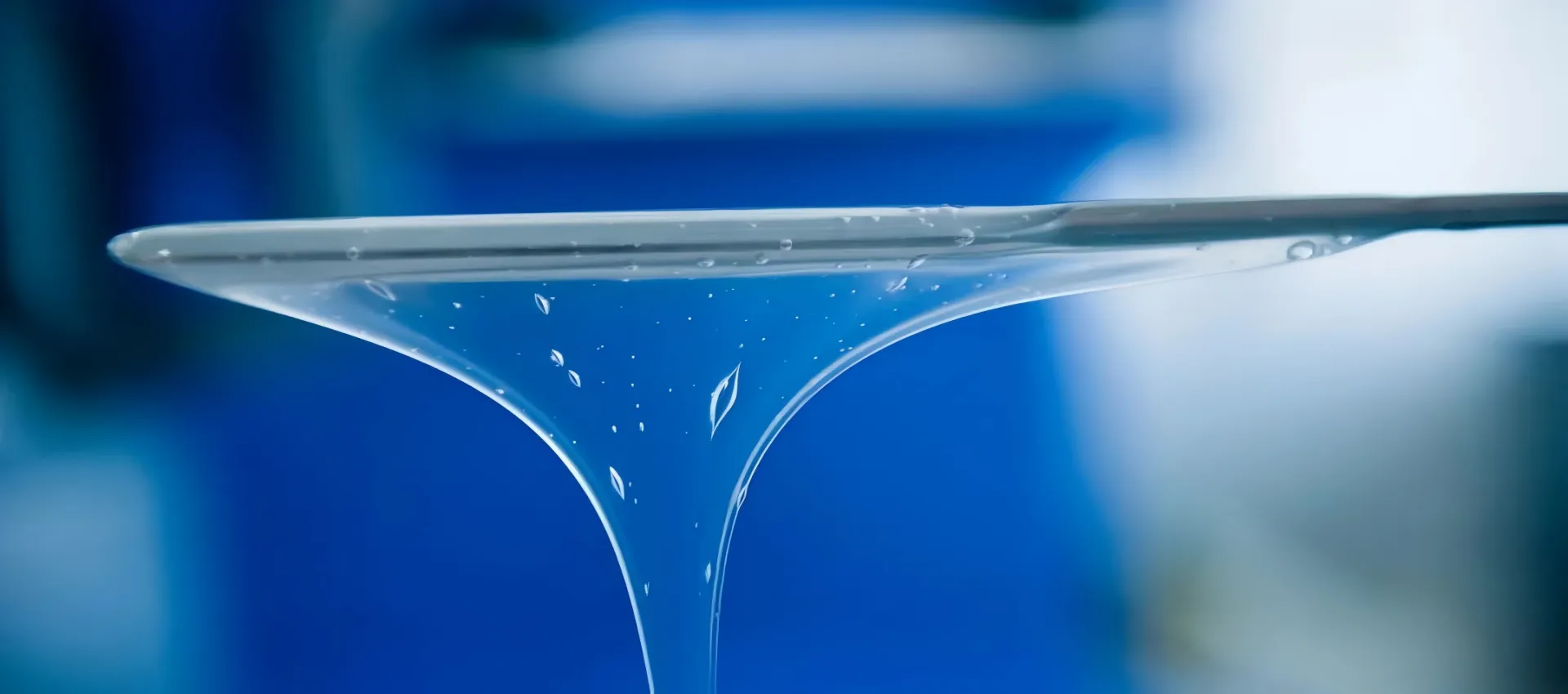
The product is a colorless, transparent, viscous liquid — solvent-free and free of mechanical impurities. Viscosity and vinyl content can be customized to customer formulations; hydrogen silicone oil crosslinkers and auxiliary agents can be supplied together for a one-stop addition-cure silicone raw-material package.
Above 250 °C, conventional dimethylsiloxane degrades mainly through methyl oxidation. Introducing phenyl copolymerization leverages the π-electron conjugation and rigid structure of the benzene ring to raise thermal decomposition temperature and suppress side-chain oxidation — the mainstream route toward 260 °C and 300 °C grades. Heat-system validation is complete for current products; the next stage will pursue three paths — graded phenyl content, composite heat stabilizers (rare-earth / metal-oxide synergy), and molecular-chain optimization — to tackle 260 °C long-term service and 300 °C short-term thermal-shock targets in stages.
The company states that mass-produced 200 °C × 7-day grade samples are now available for testing, accepting customized trials from automotive, power-electronics, aerospace-support and industrial high-temperature materials customers. The 260 °C grade is in formulation validation, while the 300 °C grade is in pre-research benchmarked against the extreme-service requirements of phenyl silicone rubber. Formulations will be iterated against real customer service data, gradually building a tiered product matrix covering 200 °C standard, 260 °C high-temperature and 300 °C extreme-shock grades.
Our most popular products loved by customers worldwide
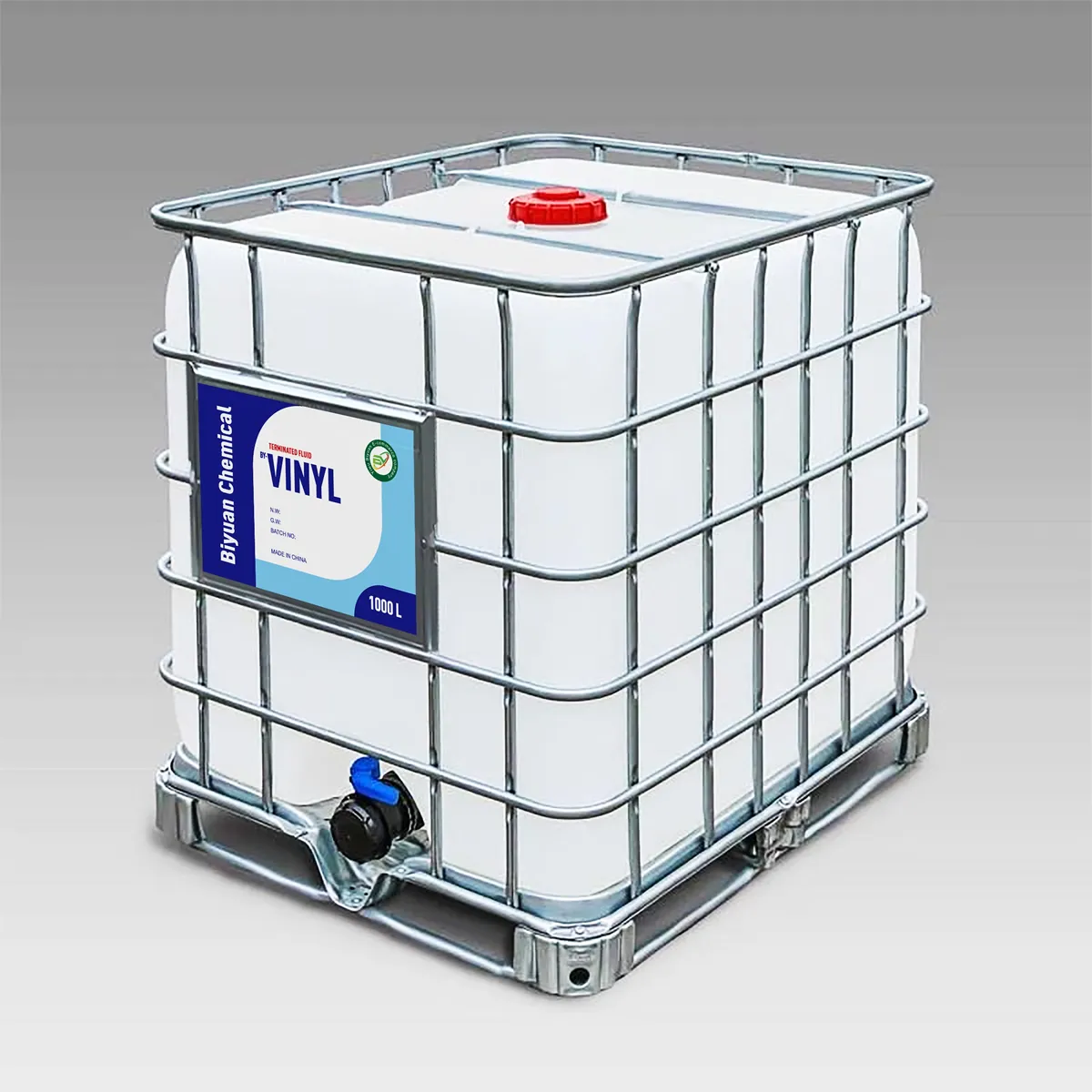
Vinyl termified silicone fluids represent a specialized class of medical-grade materials engineered for advanced healthcare applications. These reactive fluids feature terminal vinyl groups that enable precise molecular customization and controlled crosslinking capabilities, making them ideal for developing implantable devices, drug delivery systems, and d.
Vinyl silicone fluid is revolutionizing cosmetic and personal care formulations through its unique reactive properties and sensory enhancement capabilities. This functional silicone material features terminal vinyl groups that enable customizable cross-linking while maintaining the characteristic smoothness of silicone-based ingredients. Vinyl sili.
Vinyl silicone fluid, as a core functional silicone product, demonstrates exceptional versatility and reliability in the industrial additives sector. Its unique molecular structure combines the flexibility of a siloxane backbone with the reactivity of terminal vinyl groups, delivering customized solutions for various industrial applications. In polymer .
Vinyl terminated fluid is emerging as a transformative additive in textile and leather manufacturing, offering a unique combination of processing enhancement and performance optimization. This reactive silicone fluid leverages its terminal vinyl groups to create durable molecular bridges with fibers and leather substrates, delivering lasting functional ben.