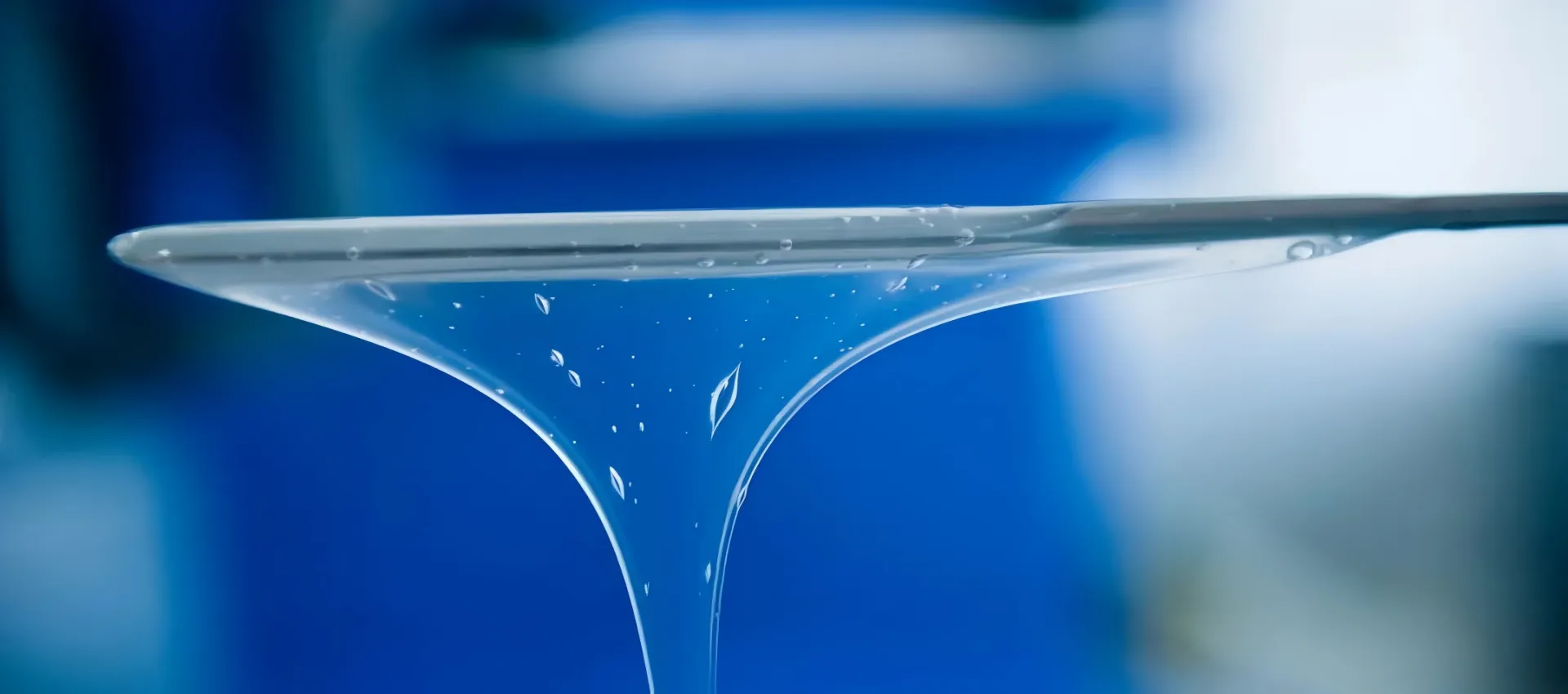
Vinyl Terminated Silicone Fluid factory

Vinyl Terminated Silicone Fluid
Everything you need to know about our products and company
The State Intellectual Property Office (SIPO) has published the grant announcement: “A Nitrogen-Protected Catalyst Feeding Device for Silicone Oil Synthesis” has been officially granted a utility model patent. Targeting the problems of air ingress, moisture uptake and nitrogen backflow during catalyst feeding in silicone oil synthesis, the device provides a sealed-protection, self-driven one-way gas-supply solution.
In the equilibrium polymerization and ring-opening polymerization of silicone oil, the catalyst is usually dosed at only the ppm level, yet it directly determines reaction rate, molecular weight (viscosity) distribution and finished-product color. With traditional open or simplified feeding, air and moisture readily enter the system: on one hand, silicone oil oxidizes and yellows with reduced clarity; on the other, the catalyst deactivates on moisture uptake and the reaction terminates prematurely, causing viscosity fluctuation and poor batch reproducibility. When nitrogen is used for direct pressurization, backflow of nitrogen, depressurization of the nitrogen source and excessive nitrogen consumption are common problems.
The device consists of a filter press, a compressor pump, a nitrogen tank and a check valve. The nitrogen tank continuously feeds nitrogen into the filter press through pipelines, forming a sealed protective atmosphere isolated from oxygen and moisture. The key check valve contains an annular ring and an elastic arm; a sealing column mounted on the elastic arm sits at the center of the annular ring. During gas supply, nitrogen pressure pushes the elastic arm open the sealing column and allows one-way flow; when pressure disappears or back-pressure arises, the elastic arm drives the sealing column back to seal off the annular ring, achieving “let-in, no-out.”
Although a device-type utility model, this patent addresses the on-site operation stage of silicone oil synthesis and improves production stability and yield at low retrofit cost. It represents another result of [Company Name]’s continued focus on silicone synthesis processes and on-site engineering innovation. The company states the device is / will be applied to [dimethyl silicone oil / hydroxy silicone oil / vinyl silicone oil] production lines, and welcomes peers to exchange process-optimization experience.
Our most popular products loved by customers worldwide
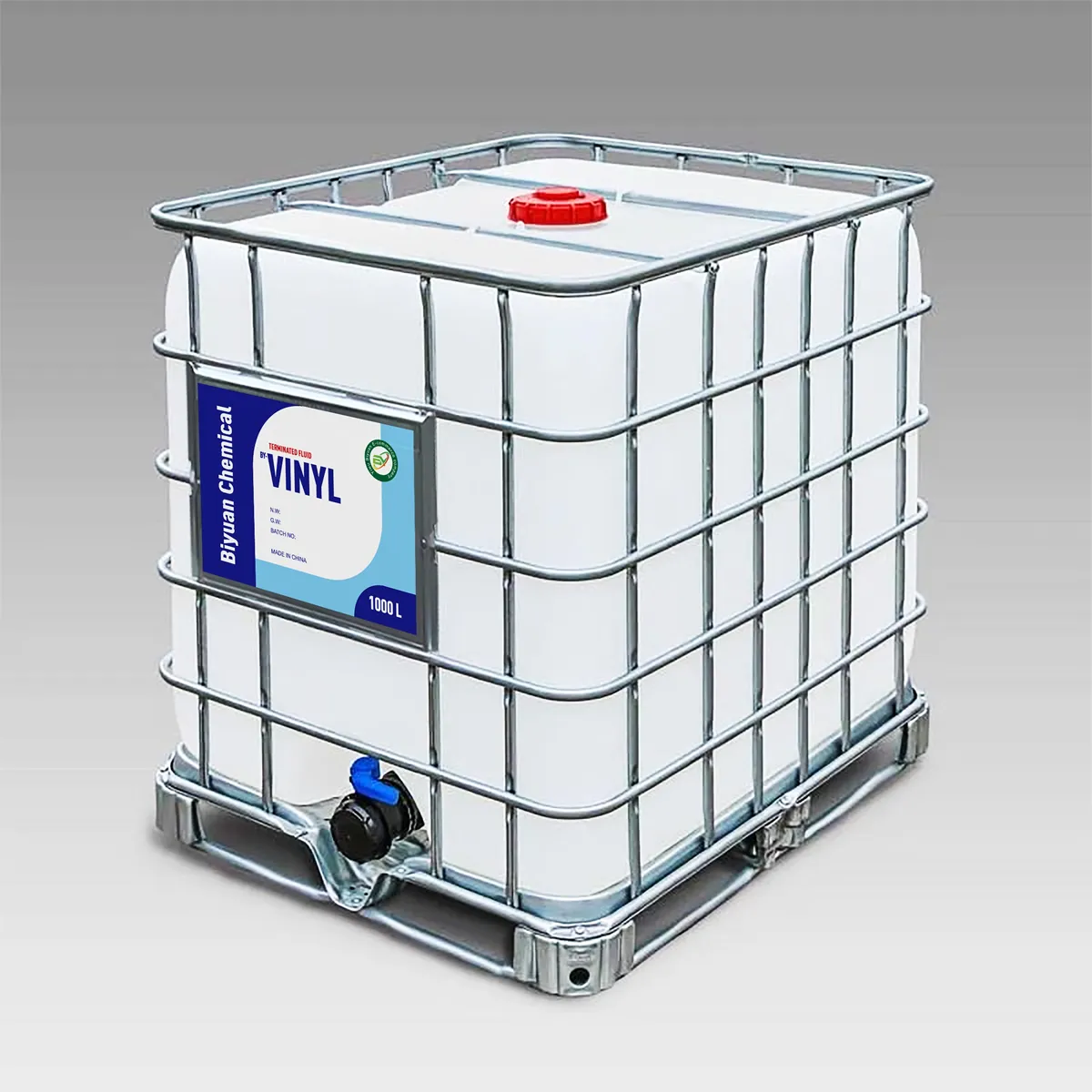
Vinyl termified silicone fluids represent a specialized class of medical-grade materials engineered for advanced healthcare applications. These reactive fluids feature terminal vinyl groups that enable precise molecular customization and controlled crosslinking capabilities, making them ideal for developing implantable devices, drug delivery systems, and d.
Vinyl silicone fluid is revolutionizing cosmetic and personal care formulations through its unique reactive properties and sensory enhancement capabilities. This functional silicone material features terminal vinyl groups that enable customizable cross-linking while maintaining the characteristic smoothness of silicone-based ingredients. Vinyl sili.
Vinyl silicone fluid, as a core functional silicone product, demonstrates exceptional versatility and reliability in the industrial additives sector. Its unique molecular structure combines the flexibility of a siloxane backbone with the reactivity of terminal vinyl groups, delivering customized solutions for various industrial applications. In polymer .
Vinyl terminated fluid is emerging as a transformative additive in textile and leather manufacturing, offering a unique combination of processing enhancement and performance optimization. This reactive silicone fluid leverages its terminal vinyl groups to create durable molecular bridges with fibers and leather substrates, delivering lasting functional ben.