Why Does Vinyl Terminated Silicone Fluid Separate During Storage? - Vinyl Terminated Silicone Fluid factory
Vinyl Terminated Silicone Fluid
Information Center
Everything you need to know about our products and company
Vinyl Terminated Silicone Fluid (VT-SF) is a high-performance material prized for its thermal stability, reactivity, and versatility across industries like aerospace, electronics, and medical devices. However, improper storage can lead to phase separation, compromising its efficacy. Understanding the root causes—and implementing proactive solutions—is critical for manufacturers aiming to maintain material integrity and supply chain efficiency.
Key Causes of Separation in Vinyl Terminated Silicone Fluid
Temperature Fluctuations VT-SF is engineered to remain stable within a broad temperature range (typically -50°C to 250°C). However, prolonged exposure to freezing conditions or rapid temperature cycles can increase viscosity, prompting component segregation. For instance, storage below -20°C may cause the fluid to thicken or partially solidify, leading to irreversible layer separation.
Contamination by Incompatible Substances Contact with sulfur, lead, amine-based compounds, or low-pH chemicals can disrupt VT-SF’s molecular structure. These contaminants act as catalysts for unintended reactions, breaking down the silicone backbone and accelerating separation. Industries like automotive or aerospace, where VT-SF coexists with fuels or lubricants, face heightened risks if cross-contamination occurs.
Moisture Infiltration and Humidity Though VT-SF is inherently hydrophobic, prolonged exposure to high-humidity environments can introduce water molecules into containers. Moisture reacts with vinyl terminal groups, triggering premature cross-linking or hydrolysis. This not causes separation but also diminishes reactivity during downstream applications like adhesive formulation or electronic encapsulation.
Extended or Improper Storage Duration While VT-SF typically has a shelf life of 12+ months, aging under suboptimal conditions (e.g., direct sunlight, oxygen exposure) evaporates volatile components, increasing viscosity and promoting sedimentation. Without regular agitation or inert-gas blanketing, heavier polymer chains settle at the container’s bottom.
Incompatible Packaging Materials Storing VT-SF in certain plastics or low-density polyethylene (LDPE) containers can lead to chemical leaching. Reactive additives in packaging may migrate into the fluid, degrading vinyl groups and fostering separation. Industrial users must opt for ASTM D2000-compliant containers to prevent interaction.
Industry Standards and Compliance: A Framework for Stability
Adherence to global standards ensures VT-SF retains its properties during storage. For example:
ISO 10993(Medical Devices): Mandates biocompatibility and stability for VT-SF used in implants or wearables, requiring controlled humidity (<60%) and temperature (15–25°C) settings.
ASTM D2000(Automotive/Industrial): Classifies VT-SF by heat and chemical resistance, enforcing strict packaging and labeling protocols to avoid separation in hydraulic seals or gaskets.
REACH/ROHS Compliance: Limits hazardous substances like phthalates, ensuring storage materials don’t introduce contaminants. Brands like Biyuandesign VT-SF formulations aligned with these standards, incorporating stabilizers to extend shelf life and minimize separation risks in demanding sectors like aerospace or 5G infrastructure.
Market Impact: How Separation Affects Performance and Costs
VT-SF’s versatility drives its demand in niche applications, from heat-resistant coatings for jet engines to flexible 3D printing filaments. However, separation-induced failures carry significant repercussions:
Electronics: Phase separation in VT-SF-based potting compounds reduces dielectric strength, leading to short circuits in high-power LEDs or EV battery modules.
Healthcare: Cloudiness or sedimentation in medical-grade VT-SF can violate FDA 21 CFR 177.2600 standards, risking batch rejection for devices like catheters or splints.
Automotive: Inconsistent viscosity due to separation compromises HTV silicone seals, increasing leakage rates in fuel systems by up to 40% according to industry case studies. The global VT-SF market, projected to reach $3.2 billion by 2030, underscores the urgency for robust storage solutions. Suppliers like Biyuanaddress this through custom formulations, such as low-volatility grades for extreme-temperature logistics, helping clients avoid revenue losses from degraded materials.
Biyuan’s Proven Solutions: Preventing Separation with Precision Engineering
As a leader in silicone innovation, Biyuanintegrates storage stability into every VT-SF product lifecycle:
Advanced Stabilization Technologies: Biyuan’s VT-SF features optimized molecular weight distributions (500–10,000 cSt) and UV-resistant additives, delaying sedimentation even after 18 months of storage. Their proprietary blends undergo thermal cycling tests (-60°C to 300°C) to validate homogeneity.
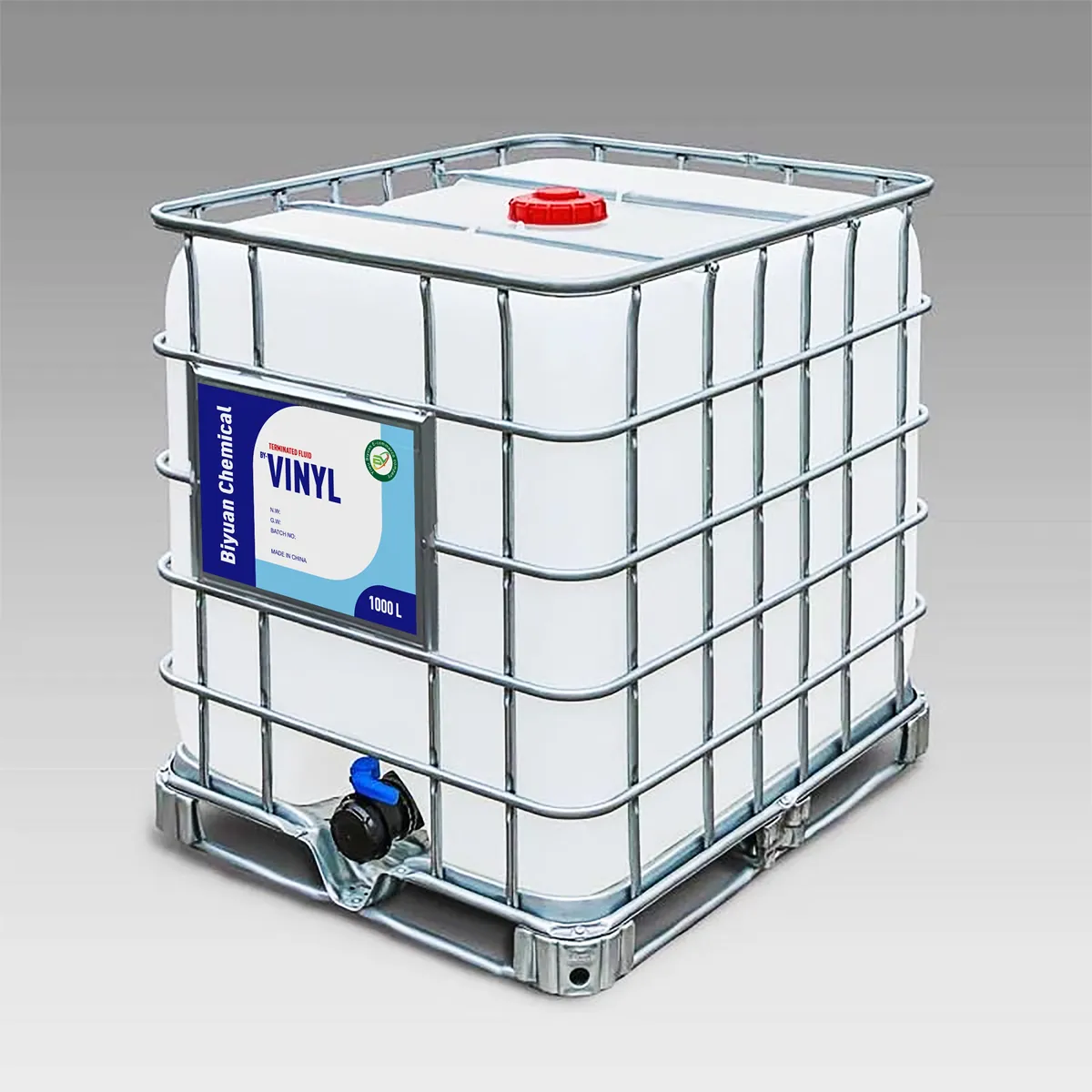
Industry-Tailored Packaging: For aerospace clients, Biyuan supplies VT-SF in nitrogen-purged, stainless-steel drums with moisture-absorbing seals. This prevents oxidation and contamination during transit to high-altitude or marine environments.
Compliance-Driven Formulations: Medical-grade VT-SF from Biyan exceeds ISO 13485 requirements, featuring low volatility and neutral pH to resist separation under gamma sterilization or autoclaving.
Thermal Resilience: With a decomposition temperature of 300–500°C, Biyan’s VT-SF maintains viscosity stability under fluctuating warehouse conditions, reducing separation risks by 60% compared to standard silicones.
Reactive Vinyl Groups: These terminal groups enhance compatibility with polymers like epoxy and acrylic, ensuring uniform blending and resistance to phase segregation in adhesive or coating formulations.
Global Certification Portfolio: From IATF 16990 (automotive) to ISO 9001 (quality management), Biyan’s certifications guarantee batch-to-batch consistency, a critical factor for multinational corporations managing multi-site storage logistics.
Conclusion
Separation in Vinyl Terminated Silicone Fluid stems from manageable factors—temperature swings, contamination, and non-compliant packaging. By aligning with standards like ASTM and ISO, and partnering with innovators like Biyuan, industries can leverage VT-SF’s full potential without stability concerns. As the material continues revolutionizing fields from flexible electronics to renewable energy, prioritizing storage best practices ensures reliability in the world’s most critical applications.
What Industries Rely on Vinyl Terminated Silicone Fluid?
Vinyl Terminated Silicone Fluid (VTMS) has emerged as a cornerstone material in modern industrial applications, offering unparalleled versatility and performance. Its unique chemical structure—featuring reactive vinyl groups at the molecular chain’s termini—enables exceptional crosslinking capab.
Vinyl Terminated Silicone Fluid (VT-SF) has become an indispensable material across industries from aerospace and electronics to medical devices and automotive manufacturing. Its unique chemical structure, featuring reactive vinyl groups (-CH=CH₂) at the molecular terminals, enables exceptional thermal stability, flexibility, and customization potential. H.
In the realm of advanced silicone material engineering, the ability to create products with precisely defined mechanical, thermal, and processing properties relies on foundational components that offer molecular-level programmability. For formulators of addition-cure systems—encompassing liquid silicone rubbers (LSR), high-consistency rubbers (HCR), specia.
Understanding the Chemical Resistance of Vinyl Terminated Silicone Fluid: A Comprehensive Guide
Vinyl terminated silicone fluid, a versatile polymer widely used in industries ranging from electronics to automotive manufacturing, is renowned for its adaptability and durability. One of its most critical properties—resistance to chemicals—plays a pivotal .
Understanding Functional Groups in Vinyl-Terminated Silicone Fluids: Properties and Applications
Vinyl-terminated silicone fluids (VT-SiFs) are specialized organosilicon compounds that play a pivotal role in advanced material science and industrial applications. Their unique molecular architecture, centered around reactive functional groups, enables ex.
Storage Guidelines for Vinyl Terminated Silicone Fluid: Plastic Container Compatibility
Understanding Vinyl Terminated Silicone Fluid
Vinyl Terminated Silicone Fluid (CAS 68083-19-2) represents a specialized category of silicone polymers characterized by reactive vinyl groups at both molecular terminals. This unique chemical structure, formulated as .
Optimal Storage Conditions for Vinyl Terminated Silicone Fluid: A Comprehensive Guide
Understanding Vinyl Terminated Silicone Fluid
Vinyl Terminated Silicone Fluid, chemically known as vinyl-terminated polydimethylsiloxane (CAS No. 68083-19-2), is a reactive silicone polymer characterized by vinyl groups at both molecular chain ends. This unique stru.
Vinyl terminated silicone fluid is a cornerstone material in industries requiring high-performance thermal management, from aerospace seals to medical device coatings. Ensuring its thermal stability is critical for applications exposed to extreme temperatures. This article dives into proven methodologies, key evaluation criteria, and industry best practice.
Vinyl Terminated Silicone Fluid (VT-SF) is a high-performance material prized for its thermal stability, reactivity, and versatility across industries like aerospace, electronics, and medical devices. However, improper storage can lead to phase separation, compromising its efficacy. Understanding the root causes—and implementing proactive solutions—is crit.
How to Dilute Vinyl Terminated Silicone Fluid for Optimal Application Results
Vinyl Terminated Silicone Fluid is a versatile material widely used across industries for its exceptional properties, including heat resistance, flexibility, and durability. Proper dilution is crucial to achieving the desired consistency for specific applications while maintai.
Proper Storage Guide for Vinyl Terminated Silicone Fluid
Understanding Vinyl Terminated Silicone Fluid
Vinyl Terminated Silicone Fluid, chemically known as vinyl-terminated polydimethylsiloxane (CAS No. 68083-19-2), is a crucial intermediate in silicone manufacturing. This reactive polymer features vinyl groups at both molecular terminals, enabling i.
Vinyl Terminated Silicone Fluids are widely used in industries ranging from electronics to automotive manufacturing due to their excellent thermal stability, chemical resistance, and lubricating properties. However, ensuring compliance with heavy metal regulations is critical for safety, environmental protection, and market acceptance. This article explore.
Ensuring Purity in Vinyl Terminated Silicone Fluid Manufacturing: A Comprehensive Guide
Vinyl terminated silicone fluid (VTMS) is a critical component in industries ranging from medical devices to electronics, where purity directly impacts performance, safety, and regulatory compliance. Achieving and maintaining high-purity VTMS requires meticulous con.
Vinyl Terminated Silicone Fluid: Stability and Reactivity with Air and Moisture
Understanding Vinyl Terminated Silicone Fluid’s Chemical Stability
Vinyl Terminated Silicone Fluid, also known as vinyl-terminated polydimethylsiloxane (VI PDMS), demonstrates exceptional stability when exposed to air and moisture under normal storage conditions. Th.
Enhancing Adhesion of Vinyl Terminated Silicone Fluid to Substrates: Strategies and Solutions
Vinyl Terminated Silicone Fluid is a cornerstone material in industries ranging from medical devices to electronics, thanks to its flexibility, thermal stability, and biocompatibility. However, a persistent challenge faced by engineers and manufacturers is ach.
How to Determine the Volatility Profile of Vinyl-Terminated Silicone Fluids
Vinyl-terminated silicone fluids are critical components in industries ranging from coatings and adhesives to cosmetics and electronics. Their volatility directly impacts product stability, application performance, and long-term durability. Accurately measuring this property re.
Vinyl terminated silicone fluid (VT-SF) has emerged as a critical material in industries ranging from electronics to medical devices, offering exceptional thermal stability, chemical resistance, and compatibility with diverse systems. As global regulations tighten and performance demands escalate, adherence to industry standards becomes paramount. This art.
Understanding Vinyl Terminated Silicone Fluid’s Temperature Tolerance
Vinyl Terminated Silicone Fluid demonstrates remarkable stability across a wide temperature range, including freezing conditions. According to technical specifications, this specialized polymer maintains its properties at temperatures as low as -50°C and can be stored long-te.
Optimizing Performance: Key Additives for Vinyl Terminated Silicone Fluid Formulations
Introduction
Vinyl Terminated Silicone Fluid represents a cornerstone material in advanced silicone products, offering exceptional flexibility, thermal stability, and reactivity for diverse industrial applications. As a reactive polymer featuring vinyl groups at .
Exploring the Critical Role of Vinyl Terminated Silicone Fluid in Modern Adhesive Systems
In the realm of advanced adhesives and sealants, vinyl terminated silicone fluid has emerged as a transformative component, enabling engineers and manufacturers to overcome long-standing challenges in durability, flexibility, and environmental resistance. This h.
Overcoming Automotive Adhesion Hurdles: The Role of Vinyl Terminated Silicone Fluids in Low-Temperature Manufacturing
In the automotive industry, where precision and reliability are non-negotiable, even minor flaws in component bonding can lead to costly recalls, safety risks, or production delays. One persistent challenge? Ensuring strong, durable adhe.
Vinyl Terminated Silicone Fluid: Revolutionizing Medical Device Manufacturing with Enhanced Safety and Performance
In the rapidly evolving medical technology sector, vinyl terminated silicone fluid (VT-SF) has emerged as a critical material driving innovation in device manufacturing. This specialized silicone fluid features reactive vinyl groups that en.
Vinyl Terminated Silicone Fluid: Enabling Next-Generation 3D-Printed Electronics
The Convergence of Material Science and Additive Manufacturing
In the rapidly evolving field of 3D-printed electronics, vinyl terminated silicone fluid has emerged as a critical material that bridges the gap between precision manufacturing and functional performance. Thi.
Vinyl Terminated Silicone Fluid: Revolutionizing Thermal Management in EV Batteries
Introduction
The rapid evolution of electric vehicles has brought battery thermal management to the forefront of automotive engineering challenges. As EV manufacturers strive for greater range, faster charging, and enhanced safety, the limitations of conventional ther.
Advancements in Biocompatible Materials: High-Purity Vinyl Terminated Silicone Fluid for Next-Generation Medical Implants
In the realm of medical device innovation, the demand for materials that balance biocompatibility, durability, and functional versatility has never been greater—especially for implantable devices designed to integrate with the human.
Vinyl Silicone Fluids Revolutionize Water-Repellent Textile Manufacturing
The textile industry is undergoing a remarkable transformation with the integration of vinyl terminated silicone fluid, a specialized silicone polymer that is setting new standards for water-repellent fabric technology. This advanced material offers unparalleled performance chara.
Food-Grade Vinyl Terminated Silicone Fluid: The Advanced Material Redefining Packaging Safety
Introduction
In the evolving landscape of food packaging materials, vinyl terminated silicone fluid has emerged as a technologically advanced solution that combines exceptional performance with rigorous safety standards. This specialized silicone variant off.
In the realm of high-performance materials, low molecular weight vinyl-terminated silicone fluid (VTSF) has emerged as a critical component for precision coatings, combining exceptional reactivity with tailored physical properties. Its unique molecular architecture—featuring reactive vinyl end groups on a flexible siloxane backbone—enables formulators to d.
The Critical Role of pH Resistance in Vinyl Terminated Silicone Fluid for Industrial Applications
Vinyl Terminated Silicone Fluid (VT-SF) represents a specialized category of organosilicon compounds that have revolutionized multiple industrial sectors due to their exceptional chemical stability and versatility. This advanced material features reactive v.
The electronics industry is increasingly adopting vinyl terminated silicone fluid as a cornerstone material for protecting sensitive components from moisture, dust, and environmental stress. This specialized polymer has become indispensable for waterproof encapsulation solutions thanks to its unique combination of electrical and mechanical properties tha.
Vinyl Terminated Silicone Fluid: Revolutionizing Flexible Solar Panel Performance
The global transition toward renewable energy has accelerated demand for solar technologies that combine high efficiency with exceptional durability. Among the advanced materials enabling this transformation, vinyl terminated silicone fluid has emerged as a critical compon.
Introduction to Vinyl Terminated Silicone Fluid
Vinyl Terminated Silicone Fluid, also known as vinyl-terminated polydimethylsiloxane, represents a specialized category of silicone oils characterized by reactive vinyl groups at both molecular ends. This unique chemical structure, with the formula CH₂=CH-Si(CH₃)₂O[(CH₃)₂SiO]ₙ(CH₃)₂Si-CH=CH₂, enables these.
The global shift toward sustainable manufacturing has triggered a material science revolution, with vinyl terminated silicone fluid (VT silicone fluid) emerging as a environmentally preferable alternative to traditional fluorosilicones. This transition represents more than mere substitution—it reflects a fundamental rethinking of how industrial materials b.
Enhancing 3D Printing Filament Flexibility: The Role of Vinyl-Terminated Silicone Fluids
For 3D printing enthusiasts and professionals, achieving the perfect balance between durability, detail, and flexibility in printed parts remains a persistent challenge. Traditional thermoplastic filaments—especially flexible materials like TPU or TPE—often face iss.
Vinyl Terminated Silicone Fluid: Navigating EU REACH Compliance for Global Market Access
Understanding Vinyl Terminated Silicone Fluid
Vinyl terminated silicone fluid, also known as vinyl-terminated polydimethylsiloxane (Vi-PDMS), is a specialized organosilicone compound featuring reactive vinyl groups (-CH=CH₂) at both ends of the polymer chain. Thi.
The healthcare industry’s recovery from the pandemic has accelerated demand for high-performance materials that meet increasingly sophisticated medical needs. Among these, vinyl terminated silicone fluids have emerged as a critical component driving innovation across medical devices, pharmaceuticals, and healthcare technologies. These specialized flu.
Sustainable Manufacturing of Vinyl Terminated Silicone Fluid: Eco-Friendly Production Processes
Vinyl terminated silicone fluid (VT-SF), also known as vinyl-terminated polydimethylsiloxane, represents a specialized category of organosilicon compounds featuring reactive vinyl groups (-CH=CH₂) at both molecular terminals. This unique chemical structure pr.
The automotive industry is experiencing a transformative shift in sealant technology, driven by the innovative application of Vinyl Terminated Silicone Fluid (VT-SF). This specialized material has emerged as a critical component in developing high-performance sealing solutions that meet the evolving demands of modern vehicles, particularly with the global .
Mastering Viscosity Selection for Vinyl Terminated Silicone Fluid Applications
Introduction
In the world of specialized silicone materials, viscosity stands as a critical parameter that directly influences performance across countless industrial applications. Vinyl terminated silicone fluid (VTMSF) has emerged as a cornerstone material in industries .
Global Market for Vinyl Terminated Silicone Fluid Poised for Significant Growth, Driven by Multi-Industry Demand and Innovation
The global market for vinyl terminated silicone fluid (VTSF) is projected to experience substantial growth, with its value expected to reach approximately US $3.2 billion by 2030. This growth is fueled by the material’s e.
Vinyl termified silicone fluids represent a specialized class of medical-grade materials engineered for advanced healthcare applications. These reactive fluids feature terminal vinyl groups that enable precise molecular customization and controlled crosslinking capabilities, making them ideal for developing implantable devices, drug delivery systems, and d.
Vinyl silicone fluid is revolutionizing cosmetic and personal care formulations through its unique reactive properties and sensory enhancement capabilities. This functional silicone material features terminal vinyl groups that enable customizable cross-linking while maintaining the characteristic smoothness of silicone-based ingredients.
Vinyl sili.
Vinyl silicone fluid, as a core functional silicone product, demonstrates exceptional versatility and reliability in the industrial additives sector. Its unique molecular structure combines the flexibility of a siloxane backbone with the reactivity of terminal vinyl groups, delivering customized solutions for various industrial applications.
In polymer .
Vinyl terminated fluid is emerging as a transformative additive in textile and leather manufacturing, offering a unique combination of processing enhancement and performance optimization. This reactive silicone fluid leverages its terminal vinyl groups to create durable molecular bridges with fibers and leather substrates, delivering lasting functional ben.

Contact Us
We're here to help with any questions or inquiries you may have
Contact Information
Address
No. 116, Jiangdong Street, Yiwu City, Jinhua City, Zhejiang Province,China