
Vinyl Terminated Silicone Fluid factory
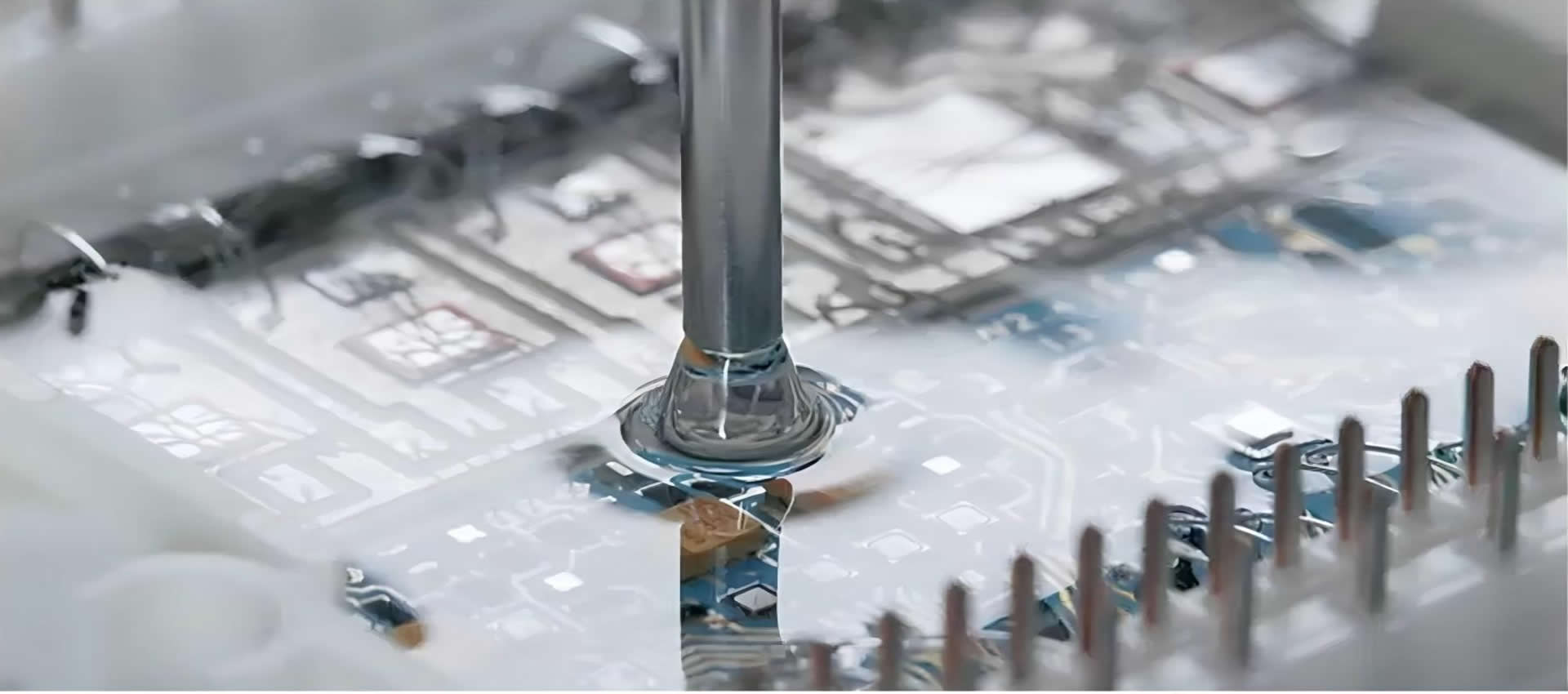
Vinyl Terminated Silicone Fluid
Everything you need to know about our products and company
As new energy, electronic encapsulation, liquid silicone rubber (LSR) and high-end silicone sealing material markets keep expanding, addition-cure silicone rubber formulations are continuously upgraded toward low extraction, superior mechanical performance, low fogging and high stability.
High-viscosity vinyl silicone oil generally refers to vinyl-terminated polydimethylsiloxane with a viscosity of 10,000 cSt or above. It cures via hydrosilylation reaction with hydrogen-containing silicone oil under platinum catalysis. Many formulators tend to judge the material solely by viscosity while overlooking critical parameters including vinyl content, volatile matter, cyclic siloxane content, color number and activity uniformity. This oversight may lead to incomplete curing, yellowing of finished parts, excessive migration and batch-to-batch variation.
A sound selection strategy requires comprehensive evaluation of multiple parameters: First and foremost, matching viscosity and vinyl content is essential. Grades with higher viscosity feature larger molecular weight and longer molecular chains, which inherently come with lower vinyl content. Within the same system, higher viscosity corresponds to lower crosslink density, lower modulus and higher elongation of the cured product. Blindly adopting high-viscosity grades with mismatched vinyl content will easily result in tacky, under-cured materials and poor mechanical properties. For high-resilience, high-strength mold rubber and thick-section LSR parts, the range of 10,000–50,000 cSt is preferred. Ultra-high-viscosity grades above 50,000 cSt are suitable for highly filled thermal conductive silicone gels and low-modulus cushioning encapsulants.
Second, control volatile fractions and cyclic siloxanes to meet compliance requirements. For battery modules, automotive electronics, optical encapsulation, food-contact and medical articles, high-stripping grades are mandatory to limit D3–D20 cyclic siloxanes and reduce fogging and migration risks. These grades satisfy EU REACH, domestic low-VOC regulations and OEM fogging specifications. Conventional stripped grades can be used for general construction and ordinary mold rubber to balance cost.
Third, select grades according to processing conditions and filler systems. Stronger molecular chain entanglement in high-viscosity silicone oil delivers better cohesive strength after filled with fumed silica or calcium carbonate, yet brings higher resistance during mixing, degassing and pumping. Automated LSR injection lines should avoid excessively high viscosity. High-viscosity products show distinct advantages for manual pouring, compression-molded thick parts and anti-sag sealing systems.
Fourth, distinguish structural types: terminal vinyl and pendant vinyl grades are not interchangeable. Most commercial high-viscosity vinyl silicone oils are double-terminal vinyl types, offering uniform crosslink networks and good elasticity. Side-hydrogen or side-vinyl modified silicones follow different crosslinking mechanisms and are mainly used for special modification and coating additives; they cannot directly replace terminal vinyl base polymers.
Downstream application priorities of high-viscosity vinyl silicone oil are shifting noticeably in 2026: In the LSR sector, demand is moving from consumer goods to automotive components, new energy seals and medical consumables. High-viscosity vinyl silicone oil is used to produce high-elongation, low-stress, tear-resistant elastomers that mitigate cracking under thermal cycling. Combined with low-cyclic processes, it minimizes contamination of optical components and sensors caused by extractables.
New energy electronic encapsulation and silicone gels represent the fastest-growing segment in 2026. High-viscosity vinyl silicone oil is widely adopted to build low-modulus, high-resilience systems for battery cushioning gels, BMS encapsulation and flexible packaging of power devices. Such systems absorb vibration stress while maintaining insulation, heat-and-humidity resistance and long-term aging stability. Blended with thermal conductive fillers, it works well for thermal pads and thermal gels.
In mold silicone rubber, art casting and precision replication, high-viscosity grades provide excellent deformation resistance and stable dimensional accuracy, reducing swelling and distortion over service life. They are ideal for large sculptures, stone replication and precision tooling molds.
Besides, it serves as an intermediate for silicone-modified resins, specialty pressure-sensitive adhesives and weather-resistant coatings. When compounded with MQ silicone resins, it improves the toughness and peel strength of adhesive films.
Looking ahead to 2026, downstream silicone markets are shifting from basic performance to long-term reliability and compliance control. High-viscosity vinyl silicone oil is far more than a high-viscosity raw material; it is a core backbone polymer that tunes elastomer modulus, elongation, cohesion and extractable levels. Material suppliers, LSR manufacturers and new energy encapsulation specialists will continue joint formulation development targeting low-stress encapsulation, high-clarity optical silicone and low-fogging automotive elastomers. High-viscosity vinyl silicone oil will drive the whole addition-cure silicone value chain toward precise parameter control, application-specific customization and eco-friendly low-extractable formulations.
Our most popular products loved by customers worldwide
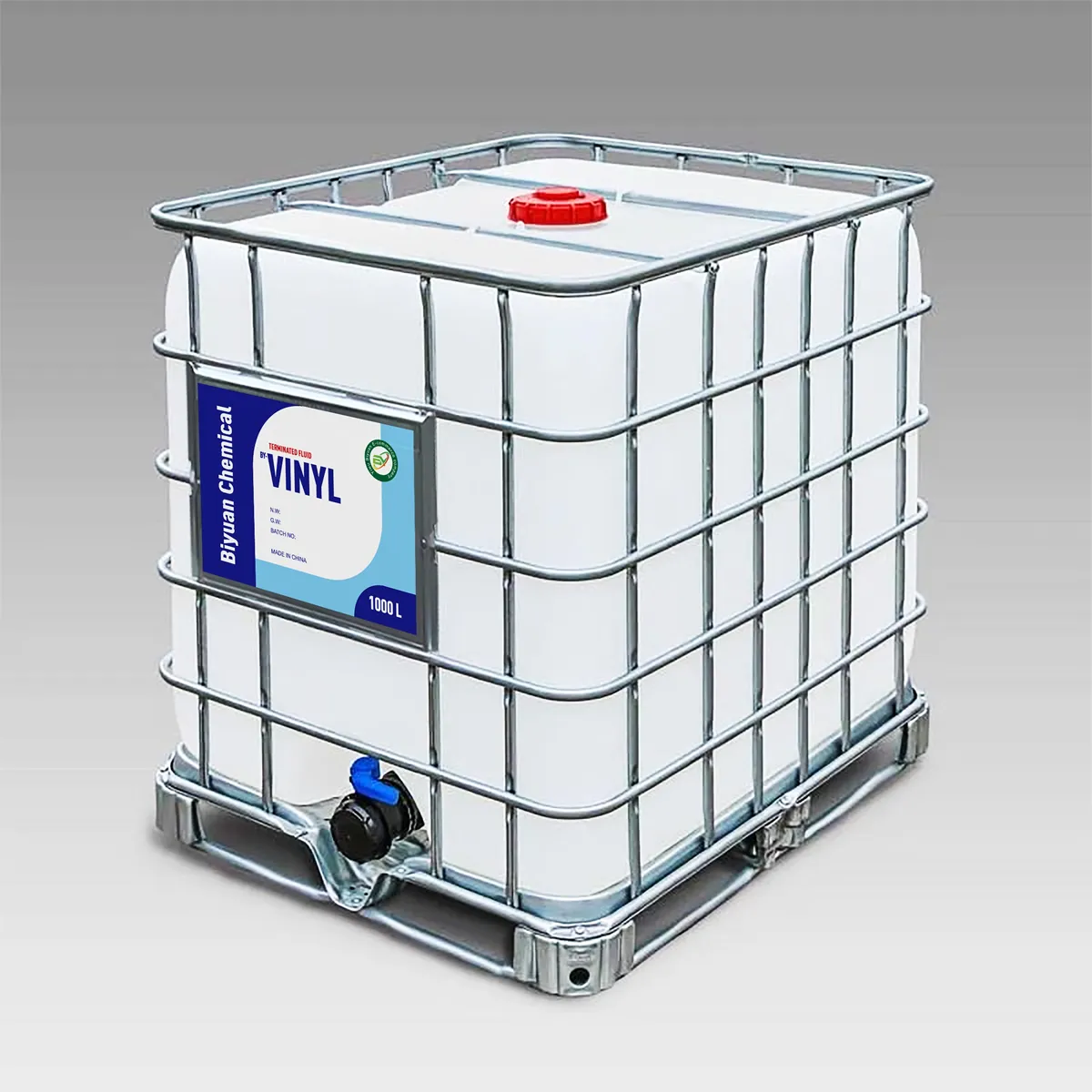
Vinyl termified silicone fluids represent a specialized class of medical-grade materials engineered for advanced healthcare applications. These reactive fluids feature terminal vinyl groups that enable precise molecular customization and controlled crosslinking capabilities, making them ideal for developing implantable devices, drug delivery systems, and d.
Vinyl silicone fluid is revolutionizing cosmetic and personal care formulations through its unique reactive properties and sensory enhancement capabilities. This functional silicone material features terminal vinyl groups that enable customizable cross-linking while maintaining the characteristic smoothness of silicone-based ingredients. Vinyl sili.
Vinyl silicone fluid, as a core functional silicone product, demonstrates exceptional versatility and reliability in the industrial additives sector. Its unique molecular structure combines the flexibility of a siloxane backbone with the reactivity of terminal vinyl groups, delivering customized solutions for various industrial applications. In polymer .
Vinyl terminated fluid is emerging as a transformative additive in textile and leather manufacturing, offering a unique combination of processing enhancement and performance optimization. This reactive silicone fluid leverages its terminal vinyl groups to create durable molecular bridges with fibers and leather substrates, delivering lasting functional ben.