Everything you need to know about our products and company
Vinyl Terminated Silicone Fluid (VTMSF) is a cornerstone material in industries ranging from electronics to healthcare, but its formulation and performance vary significantly between industrial and medical applications. Understanding these distinctions is critical for selecting the right grade to meet safety, regulatory, and functional requirements. Below, we break down the key differences and their implications for your projects.
1. Core Differences in Composition and Purpose
Industrial-Grade VTMSF:Designed for durability in harsh environments, industrial-grade VTMSF prioritizes thermal stability (-50°C to 300°C) and chemical resistance. It is engineered for applications like automotive sealants, electrical insulation, and machinery lubricants, where mechanical strength and environmental resilience are paramount .
Viscosity Range: Typically 1,000–60,000 cSt, balancing flowability and structural integrity .
Additives: May include thickeners or UV stabilizers to enhance performance in extreme conditions.
Medical-Grade VTMSF:Medical-grade formulations emphasize biocompatibility and sterility. They adhere to stringent certifications like USP Class VI and ISO 10993, ensuring safety for direct contact with human tissues or implants. Applications include catheters, surgical tools, and implantable devices .
Viscosity Range: Lower viscosity (100–5,000 cSt) for precise dispensing in delicate procedures.
Purity: Ultra-low volatile content (<1%) and minimal extractables to meet healthcare safety standards .
Automotive: High-viscosity VTMSF (20,000+ cSt) is used in RTV-2 rubbers for engine seals, where heat resistance and load-bearing capacity are critical .
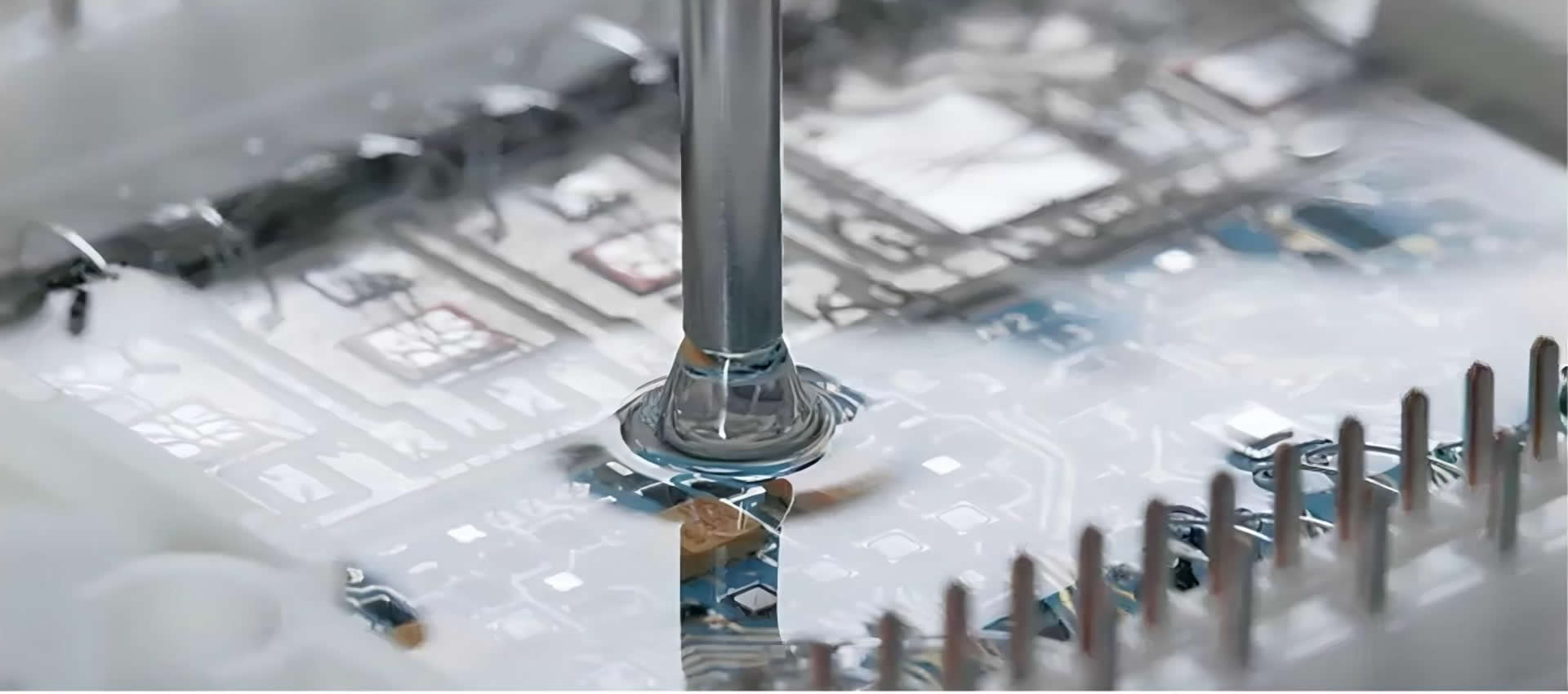
Electronics: Medium-viscosity grades (5,000–15,000 cSt) serve as potting agents, protecting circuit boards from moisture and thermal stress .
Medical Use Cases:
Surgical Devices: Low-viscosity VTMSF (<500 cSt) ensures minimal irritation in catheters and implant coatings .
Cosmetics: Moderate viscosity (500–3,000 cSt) is ideal for skincare formulations, offering spreadability and film-forming properties .
3. Regulatory and Safety Compliance
Industrial-Grade:Focuses on industrial safety standards (e.g., UL, RoHS) and resistance to contaminants like oils or solvents. Certifications prioritize durability over biological safety .
Medical-Grade:Requires compliance with healthcare regulations:
FDA 21 CFR: For food-contact applications.
ISO 10993: Biocompatibility testing for cytotoxicity, sensitization, and hemocompatibility .
Sterilization Compatibility: Must withstand autoclaving or gamma radiation without degrading.
4. Material Properties and Customization
Parameter
Industrial-Grade
Medical-Grade
Vinyl Content
0.09–0.37% (adjustable for curing)
0.09–0.18% (precision for biocompatibility)
Thermal Stability
Up to 300°C (long-term exposure)
150–200°C (short-term sterilization)
Additive Options
Fillers for wear resistance
None (to avoid toxicity risks)
5. Cost vs. Performance Optimization
Industrial-Grade: Cost-effective for bulk applications like construction sealants, where high volume justifies standard formulations .
Medical-Grade: Higher upfront costs due to specialized testing and purification, but essential for risk-averse healthcare sectors .
Why Partner with Biyuan for VTMSF Solutions?
When precision and reliability matter, Biyuan stands out as a leader in silicone fluid innovation:
Tailored Formulations: Adjust viscosity, vinyl content, or additives to meet niche industrial or medical requirements—from high-temperature adhesives to USP Class VI-certified coatings .
Global Certifications: ISO 9001 and IATF 16949 compliance ensure consistency in every batch, critical for industries like aerospace or pharmaceuticals .
Scalable Solutions: Bulk purchasing options for industrial clients and small-batch precision for medical R&D teams.
For projects demanding flexibility, durability, and compliance, Biyuan’s VTMSF delivers unmatched versatility. Let us engineer the perfect solution to elevate your product’s performance.
Optimize Your Material Strategy Today
Whether you’re sealing industrial pipelines or developing life-saving medical devices, choosing the right VTMSF grade is non-negotiable. Partner with Biyuan to unlock tailored solutions that align with your technical specifications and business goals.
Understanding the CAS Number of Vinyl Terminated Silicone Fluid
Vinyl terminated silicone fluid, a cornerstone in industrial and commercial applications, is identified by its unique chemical structure and reactive properties. For professionals seeking precise technical data or procurement guidance, understanding its CAS number and functional characteri.
Strategies to Prevent Air Bubbles in Vinyl Terminated Silicone Fluid Applications
Vinyl Terminated Silicone Fluid is a critical component in high-performance sealants, mold-making, and electronic encapsulation due to its unique reactive vinyl groups that enable platinum-catalyzed addition curing. However, air bubbles during its application can compromis.
Vinyl Terminated Silicone Fluid (VT-SF) has become an indispensable material across industries ranging from electronics and automotive to medical devices and construction. Its unique chemical structure, featuring reactive vinyl groups at the molecular terminals, provides exceptional thermal stability, chemical resistance, and versatility in application. Ho.
In the precise realm of polymer science, the journey from chemical constituents to high-functionality elastomers represents a masterclass in molecular architecture. For formulators creating addition-cure systems—from medical-grade implants and flexible electronics to industrial seals and aerospace components—the primary reactive polymer serves not merely a.
Ensuring Safe Use of Vinyl Terminated Silicone Fluid in Food-Contact Applications
Vinyl Terminated Silicone Fluid is a specialized organosilicon compound that has become increasingly vital in food manufacturing and processing applications. This versatile material, composed of silicon-oxygen bonds and vinyl groups, offers unique properties that make it i.
Understanding the Key Differences Between Synthesized and Distilled Vinyl Terminated Silicone Fluids
Vinyl Terminated Silicone Fluids are indispensable in industries ranging from electronics to construction, offering exceptional performance in applications like coatings, sealants, and elastomers. However, the terms “synthesized” and “.
Vinyl Terminated Silicone Fluid: The Catalyst-Driven Material Revolutionizing High-Performance Applications
Unlocking the Chemical Potential of Vinyl Terminated Silicone Fluid
Vinyl terminated silicone fluid has emerged as a pivotal material across industries from medical devices to advanced electronics, but its true potential is only realized throug.
In today’s rapidly evolving industrial landscape, materials that deliver exceptional performance, adaptability, and reliability are driving innovation across sectors. Among these advanced materials, vinyl silicone fluid stands out as a versatile and transformative solution, enabling breakthroughs in industries ranging from electronics and automotive .
Optimal Storage Conditions for Vinyl Terminated Silicone Fluid: A Comprehensive Guide
Understanding Vinyl Terminated Silicone Fluid
Vinyl Terminated Silicone Fluid, chemically known as vinyl-terminated polydimethylsiloxane (CAS No. 68083-19-2), is a reactive silicone polymer characterized by vinyl groups at both molecular chain ends. This unique stru.
Understanding the Role of Vinyl-Terminated Silicone Fluid in Electronic Encapsulation
In the fast-evolving field of electronics manufacturing, protecting sensitive components from environmental stressors is critical. One material that has gained prominence for its versatility and performance is vinyl-terminated silicone fluid. This specialized polymer.
In the sophisticated engineering of silicone materials, achieving predictable, high-performance outcomes requires building blocks with precise molecular functionality. For developers of liquid silicone rubbers (LSR), high-consistency rubbers (HCR), gels, adhesives, and specialty coatings, the primary vinyl-functional polymer is not merely an ingredient; it.
Biodegradability of Vinyl Terminated Silicone Fluid: An In-Depth Industry Analysis
Introduction to Vinyl Terminated Silicone Fluid
Vinyl Terminated Silicone Fluid (CAS 68083-19-2), also known as vinyl-terminated polydimethylsiloxane (vinyl-PDMS), represents a specialized category of functional silicone oils with reactive vinyl groups (–CH=CH₂) at bot.
Vinyl Terminated Fluids: The Secret Sauce in High-Performance Silicone Products
So, you’ve heard the term “Vinyl Terminated Fluid” buzzing around in silicone labs and factories. But what is it, really? And why is it such a game-changer? Let’s break it down—no PhD required.
The Basics: What Vinyl Terminated Fluids Actually Are
Vinyl T.
In the intricate science of silicone engineering, the final properties of an elastomer—its strength, flexibility, thermal resilience, and processability—are fundamentally determined at the molecular level. For developers of addition-cure silicone systems, from medical-grade gels and flexible adhesives to durable seals and high-temperature components, the c.
Vinyl Terminated Silicone Fluid (VT-SF) has become an indispensable material across industries from aerospace and electronics to medical devices and automotive manufacturing. Its unique chemical structure, featuring reactive vinyl groups (-CH=CH₂) at the molecular terminals, enables exceptional thermal stability, flexibility, and customization potential. H.
Compatibility and Applications of Vinyl Terminated Silicone Fluid with Organic Solvents
Vinyl Terminated Silicone Fluid (CAS 68083-19-2) is highly compatible with a wide range of organic solvents, making it a versatile material for industrial applications. Its molecular structure, featuring reactive vinyl groups at the terminals of a polydimethylsiloxa.
Vinyl Terminated Silicone Fluids are indispensable in industries requiring materials with exceptional flexibility, thermal stability, and crosslinking capabilities. Whether you need adjustments to viscosity for specific processing requirements or enhanced purity for sensitive applications, understanding how these parameters impact performance is critical. .
Vinyl Terminated Silicone Fluid (VT-SF) is a high-performance material prized for its thermal stability, reactivity, and versatility across industries like aerospace, electronics, and medical devices. However, improper storage can lead to phase separation, compromising its efficacy. Understanding the root causes—and implementing proactive solutions—is crit.
When sourcing high-performance materials like Vinyl Terminated Silicone Fluid, ensuring quality through sample testing is critical. Bulk purchases demand rigorous verification to avoid costly errors. Below, we outline a streamlined process for requesting samples, evaluating quality, and leveraging trusted suppliers like Biyuan for seamless procurement.
.
Vinyl Terminated Silicone Fluid: Stability and Reactivity with Air and Moisture
Understanding Vinyl Terminated Silicone Fluid’s Chemical Stability
Vinyl Terminated Silicone Fluid, also known as vinyl-terminated polydimethylsiloxane (VI PDMS), demonstrates exceptional stability when exposed to air and moisture under normal storage conditions. Th.
Vinyl Silicone Fluids Revolutionize Water-Repellent Textile Manufacturing
The textile industry is undergoing a remarkable transformation with the integration of vinyl terminated silicone fluid, a specialized silicone polymer that is setting new standards for water-repellent fabric technology. This advanced material offers unparalleled performance chara.
Vinyl terminated silicone fluid (ViPDMS) represents a specialized class of organosilicon compounds characterized by reactive vinyl groups (-CH=CH₂) at both ends of the polydimethylsiloxane molecular chain. This unique chemical structure, with the formula CH₂=CH-Si(CH₃)₂O[(CH₃)₂SiO]ₙ(CH₃)₂Si-CH=CH₂, provides exceptional versatility across industrial applica.
Vinyl Terminated Silicone Fluid vs. Polydimethylsiloxane: Understanding Their Distinct Characteristics
When comparing silicone-based fluids, understanding the fundamental differences between vinyl terminated silicone fluid and conventional polydimethylsiloxane (PDMS) is crucial for selecting the right material for specific applications. While both share.
Vinyl Terminated Silicone Fluid: Navigating EU REACH Compliance for Global Market Access
Understanding Vinyl Terminated Silicone Fluid
Vinyl terminated silicone fluid, also known as vinyl-terminated polydimethylsiloxane (Vi-PDMS), is a specialized organosilicone compound featuring reactive vinyl groups (-CH=CH₂) at both ends of the polymer chain. Thi.
Asia-Pacific Drives Global Silicone Fluid Market: An In-Depth Look at China’s Manufacturing Surge
The Asia-Pacific regionhas emerged as the dominant force in the global vinyl terminated silicone fluid market, with China’s manufacturing prowess serving as the primary catalyst. This versatile material, characterized by its reactive vinyl end g.
Overcoming Automotive Adhesion Hurdles: The Role of Vinyl Terminated Silicone Fluids in Low-Temperature Manufacturing
In the automotive industry, where precision and reliability are non-negotiable, even minor flaws in component bonding can lead to costly recalls, safety risks, or production delays. One persistent challenge? Ensuring strong, durable adhe.
Tackling Industrial Coating Emissions: Why Vinyl-Terminated Silicone Fluids Are the Sustainable Choice
In industrial coatings, balancing performance with environmental responsibility has never been more critical. As global regulations tighten on volatile organic compound (VOC) emissions—linked to air pollution and health risks—formulators are scrambling.
The Future of Sustainable Silicone Technology: Vinyl Terminated Silicone Fluid Innovations
Market Dynamics and Growth Trajectory
The global silicone fluids market is experiencing robust growth, with the vinyl terminated silicone fluid segment positioned at the forefront of this expansion. According to market research, the silicone fluids market was v.
Pharmaceutical Innovations with Vinyl Terminated Silicone Fluid: Advancing Drug Delivery Systems
Introduction
The pharmaceutical industry continuously seeks innovative materials that can enhance drug delivery efficacy and patient outcomes. Among these materials, vinyl terminated silicone fluids have emerged as a versatile polymer with unique proper.
Vinyl Terminated Silicone Fluid: Ensuring Signal Integrity in Next-Generation 5G Infrastructure
The rapid global deployment of 5G networks represents a transformative leap in communication technology, enabling unprecedented data speeds, ultra-low latency, and massive device connectivity. However, this technological advancement comes with significant mat.
Solving Volatility Challenges in Medical Device Manufacturing: The Rise of Advanced Vinyl-Terminated Silicone Fluids
For medical device engineers and manufacturers, selecting materials that balance performance, safety, and regulatory compliance is a constant balancing act. Among the critical considerations? Volatility. High-volatility silicones can com.
The global shift toward sustainable manufacturing has triggered a material science revolution, with vinyl terminated silicone fluid (VT silicone fluid) emerging as a environmentally preferable alternative to traditional fluorosilicones. This transition represents more than mere substitution—it reflects a fundamental rethinking of how industrial materials b.
The Silent Performers: How Vinyl Terminated Silicones Redefine Material Excellence
In the world of specialty chemicals, few materials strike the perfect balance between stability and reactivity quite like vinyl-terminated silicones. These fluids—often unsung heroes in industrial applications—leverage their unique molecular architecture to solve problems.
Advancements in Biocompatible Materials: High-Purity Vinyl Terminated Silicone Fluid for Next-Generation Medical Implants
In the realm of medical device innovation, the demand for materials that balance biocompatibility, durability, and functional versatility has never been greater—especially for implantable devices designed to integrate with the human.
Vinyl Terminated Silicone Fluid: Revolutionizing Flexible Solar Panel Performance
The global transition toward renewable energy has accelerated demand for solar technologies that combine high efficiency with exceptional durability. Among the advanced materials enabling this transformation, vinyl terminated silicone fluid has emerged as a critical compon.
The automotive industry is experiencing a transformative shift in sealant technology, driven by the innovative application of Vinyl Terminated Silicone Fluid (VT-SF). This specialized material has emerged as a critical component in developing high-performance sealing solutions that meet the evolving demands of modern vehicles, particularly with the global .
Revolutionizing 5G Infrastructure with High-Performance Vinyl-Terminated Silicone Fluids
The rapid evolution of 5G communication demands materials that can withstand extreme conditions while maintaining performance reliability. Among these, vinyl-terminated silicone fluids (CAS 68083-19-2) have emerged as a game-changing solution, offering unparallel.
Vinyl Terminated Silicone Fluid: Comprehensive Technical Overview and Safety Protocols
Vinyl Terminated Silicone Fluid (CAS 68083-19-2), chemically known as vinyl-terminated polydimethylsiloxane, represents a specialized category of reactive silicone polymers with significant industrial importance. Characterized by reactive vinyl groups (-CH=CH₂) at bo.
Enhancing Adhesive Performance with Vinyl Terminated Silicone Fluid: A Comprehensive Guide to Bond Strength Optimization
Introduction to Vinyl Terminated Silicone Fluid
Vinyl terminated silicone fluid, also known as vinyl-terminated polydimethylsiloxane (Vi-PDMS), represents a specialized class of organosilicon compounds that have revolutionized adhe.
Vinyl Terminated Silicone Fluid: Revolutionizing Medical Device Manufacturing with Enhanced Safety and Performance
In the rapidly evolving medical technology sector, vinyl terminated silicone fluid (VT-SF) has emerged as a critical material driving innovation in device manufacturing. This specialized silicone fluid features reactive vinyl groups that en.
Vinyl termified silicone fluids represent a specialized class of medical-grade materials engineered for advanced healthcare applications. These reactive fluids feature terminal vinyl groups that enable precise molecular customization and controlled crosslinking capabilities, making them ideal for developing implantable devices, drug delivery systems, and d.
Vinyl silicone fluid is revolutionizing cosmetic and personal care formulations through its unique reactive properties and sensory enhancement capabilities. This functional silicone material features terminal vinyl groups that enable customizable cross-linking while maintaining the characteristic smoothness of silicone-based ingredients.
Vinyl sili.
Vinyl silicone fluid, as a core functional silicone product, demonstrates exceptional versatility and reliability in the industrial additives sector. Its unique molecular structure combines the flexibility of a siloxane backbone with the reactivity of terminal vinyl groups, delivering customized solutions for various industrial applications.
In polymer .
Vinyl terminated fluid is emerging as a transformative additive in textile and leather manufacturing, offering a unique combination of processing enhancement and performance optimization. This reactive silicone fluid leverages its terminal vinyl groups to create durable molecular bridges with fibers and leather substrates, delivering lasting functional ben.

Contact Us
We're here to help with any questions or inquiries you may have
Contact Information
Address
No. 116, Jiangdong Street, Yiwu City, Jinhua City, Zhejiang Province,China