Is Vinyl Terminated Silicone Fluid used in liquid silicone rubber (LSR)? - Vinyl Terminated Silicone Fluid factory
Vinyl Terminated Silicone Fluid
Information Center
Everything you need to know about our products and company
The Critical Role of Vinyl Terminated Silicone Fluid in Liquid Silicone Rubber (LSR)
Liquid Silicone Rubber (LSR) has revolutionized industries with its versatility, durability, and precision. At the heart of its exceptional performance lies a specialized component: vinyl terminated silicone fluid. This material is not merely an additive but a foundational element that defines the structural and functional integrity of LSR. Let’s explore its indispensable role, technical nuances, and applications across industries.
1. Vinyl Terminated Silicone Fluid: The Building Block of LSR
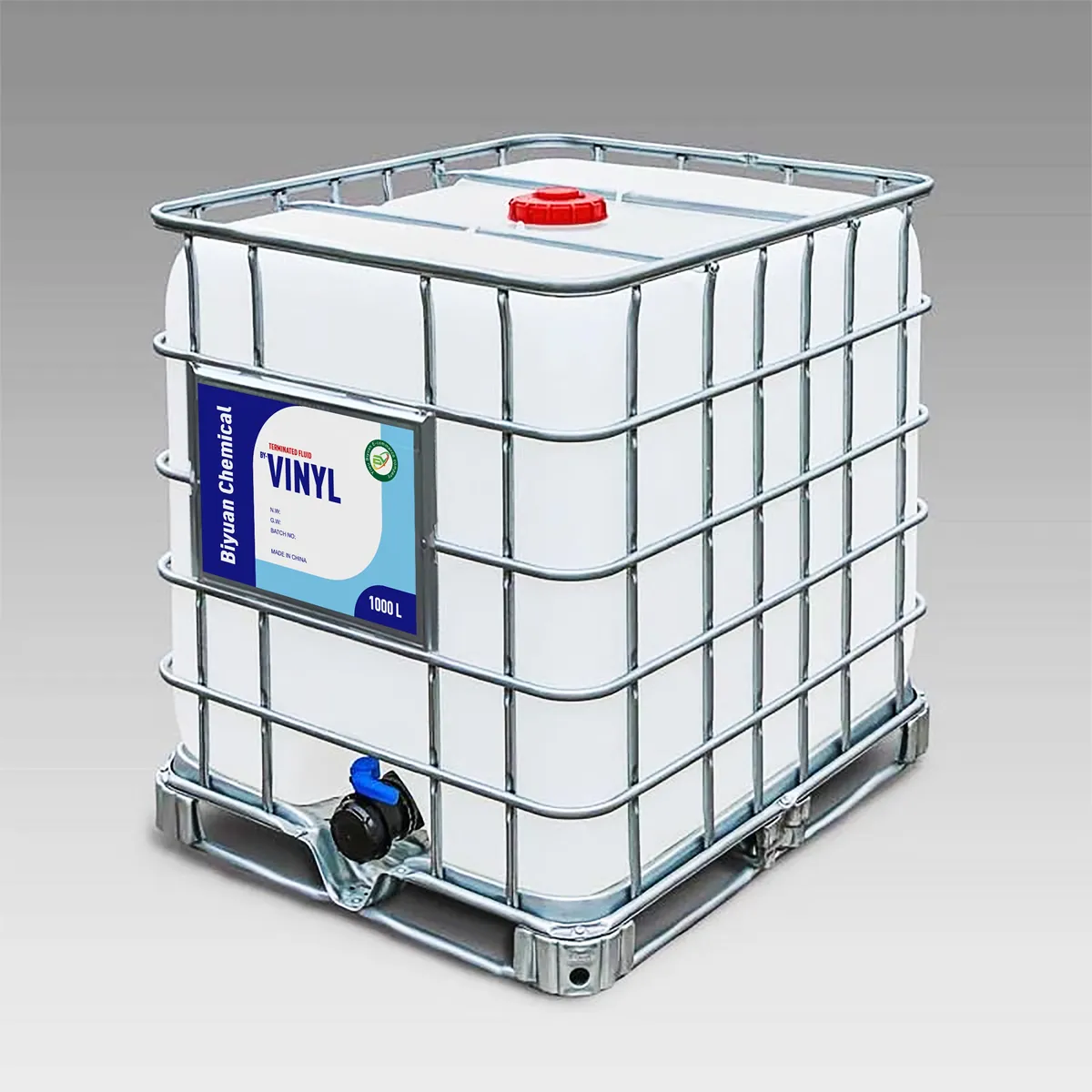
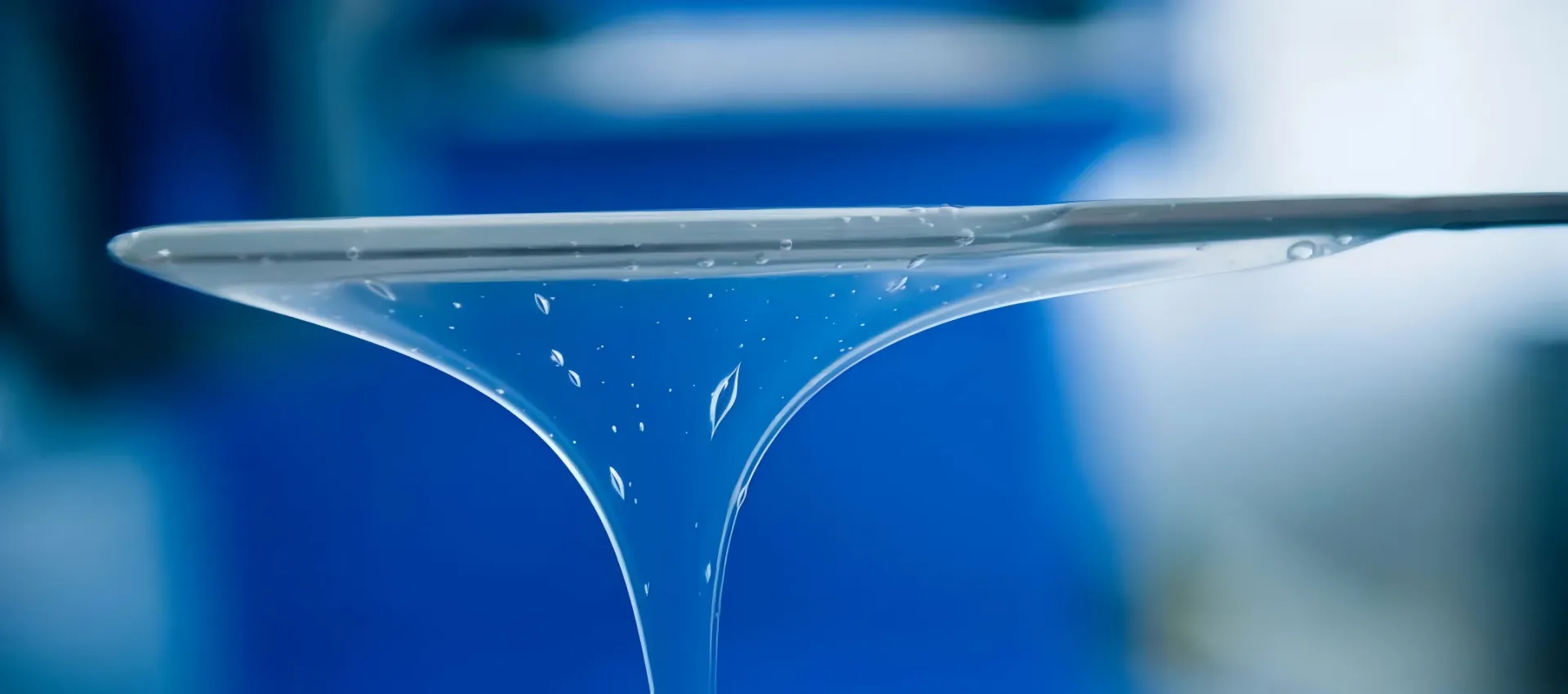
Vinyl terminated silicone fluid, often abbreviated as Vi-PDMS (vinyl-terminated polydimethylsiloxane), serves as the primary base polymer in LSR formulations. Unlike solid silicone rubbers (HTV), LSR remains liquid at room temperature due to its low molecular weight and short polymer chains. The vinyl groups (-CH=CH₂) at both ends of the silicone backbone enable addition-cure reactions with hydrogen-containing crosslinkers, forming a three-dimensional network that transforms the liquid into a flexible, high-performance elastomer .
Key Properties Enabled by Vinyl Termination:
High Reactivity: Facilitates rapid curing under platinum catalysis, ideal for injection molding and automated production.
Adjustable Viscosity: Ranges from 100 to 100,000 cSt, allowing tailored flowability for applications like microfluidic devices or automotive seals .
Thermal Stability: Withstands temperatures up to 300°C, making it suitable for high-stress environments.
2. How Vinyl Terminated Silicone Fluid Shapes LSR Performance
The vinyl content and molecular structure directly influence LSR’s mechanical and functional characteristics:
Hardness Control: Higher vinyl content increases crosslinking density, resulting in firmer materials (Shore A 80+), while lower content enhances flexibility (Shore A 10–20) .
Tear Resistance: Vinyl-terminated polymers improve tensile strength and elongation, critical for medical tubing and wearable electronics.
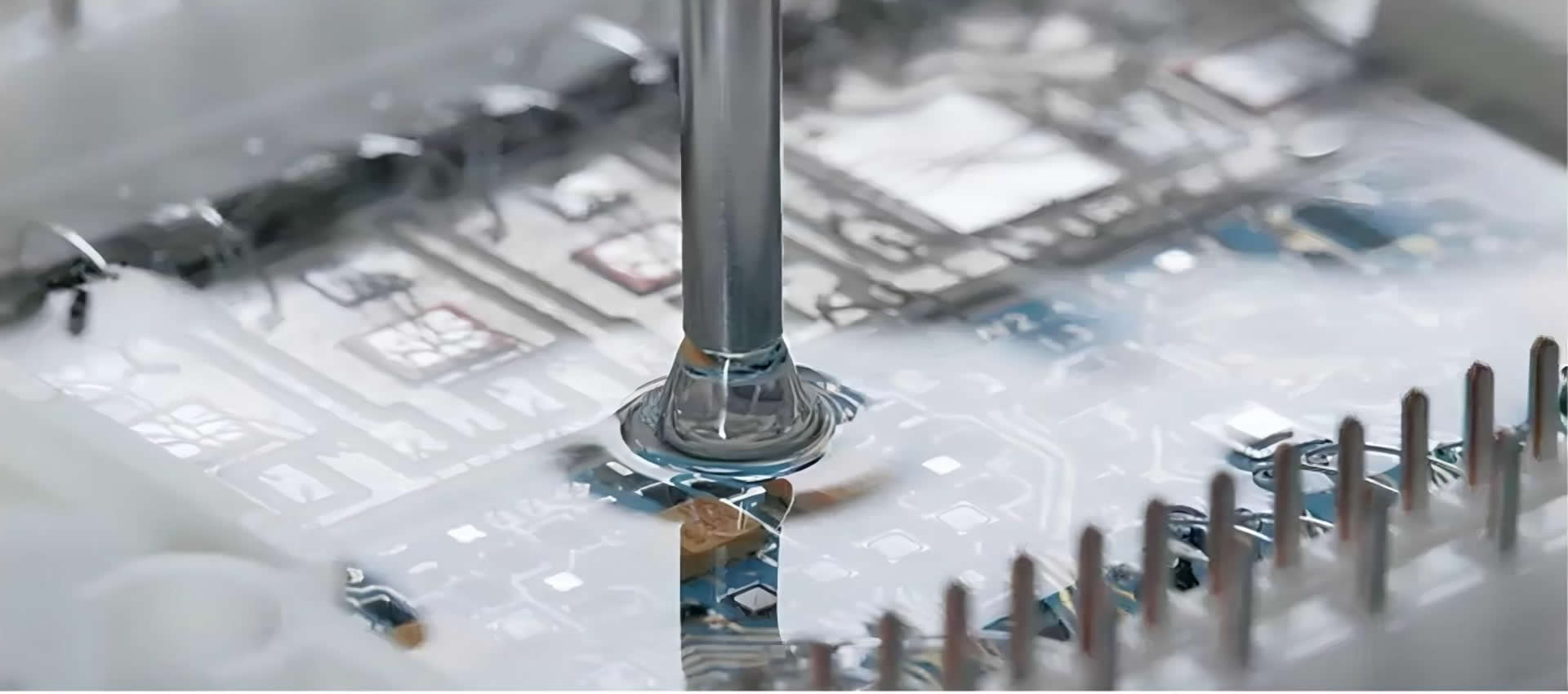
Electrical Insulation: Low conductivity and UV resistance make LSR ideal for sealing sensitive electronic components .
Application-Specific Examples:
Medical Devices: Catheters and implantable sensors leverage vinyl-terminated LSR for biocompatibility and sterility.
Automotive Engineering: High-temperature gaskets and seals rely on its resistance to oil and thermal degradation.
Consumer Electronics: Waterproof keyboards and flexible touchscreens utilize its low shrinkage and optical clarity .
3. Advantages Over Traditional Silicone Polymers
Vinyl terminated silicone fluid outperforms alternatives like phenyl- or fluorosilicone in several areas:
Processing Efficiency: Liquid form enables seamless injection molding, reducing energy consumption by 40% compared to solid-HTV rubber .
Customizability: Additives like silica fillers or colorants can be integrated without compromising reactivity.
The demand for high-performance LSR is driving advancements in vinyl-terminated silicone technology:
Medical-Grade Enhancements: Improved biocompatibility and sterility for implantable devices.
High Thermal Conductivity: Incorporating fillers like aluminum nitride for heat dissipation in electronics.
Sustainable Solutions: Bio-based crosslinkers and recyclable additives to reduce ecological footprints .
5. Partnering with Trusted Suppliers for LSR Excellence
For manufacturers seeking reliable vinyl terminated silicone fluid, Biyuan stands out as a leader in delivering high-purity, customizable solutions. Their products adhere to ISO 11600 and ASTM C920 standards, ensuring consistency in applications ranging from aerospace seals to consumer electronics. With a focus on innovation and sustainability, Biyuan continues to redefine the possibilities of silicone-based materials.
Conclusion
Vinyl terminated silicone fluid is the cornerstone of LSR’s success, enabling breakthroughs in industries where precision, durability, and adaptability are paramount. As technology evolves, its role in shaping the next generation of functional polymers will only expand, solidifying its status as a material of choice for engineers and designers worldwide.
Ensuring Safe Use of Vinyl Terminated Silicone Fluid in Food-Contact Applications
Vinyl Terminated Silicone Fluid is a specialized organosilicon compound that has become increasingly vital in food manufacturing and processing applications. This versatile material, composed of silicon-oxygen bonds and vinyl groups, offers unique properties that make it i.
What is Vinyl Terminated Silicone Fluid? Key Applications & Benefits Revealed
Vinyl terminated silicone fluid, a specialized type of polydimethylsiloxane (PDMS) with vinyl-functionalized end groups, has emerged as a cornerstone material in industries ranging from electronics to cosmetics. Its unique chemical structure and versatile properties make .
Storage Guidelines for Vinyl Terminated Silicone Fluid: Plastic Container Compatibility
Understanding Vinyl Terminated Silicone Fluid
Vinyl Terminated Silicone Fluid (CAS 68083-19-2) represents a specialized category of silicone polymers characterized by reactive vinyl groups at both molecular terminals. This unique chemical structure, formulated as .
When procuring vinyl-terminated silicone fluids for industrial applications, understanding payment terms is critical to maintaining cash flow efficiency and fostering strong supplier relationships. These specialized lubricants, widely used in automotive, electronics, and medical industries, often involve high-value transactions, making clear financial ag.
Vinyl-terminated silicone fluids are critical components in industries ranging from electronics to construction, where purity directly impacts performance and product longevity. Detecting impurities in these materials requires a combination of advanced analytical techniques and rigorous quality protocols. Below, we explore proven methods to uncover contami.
The Sustainability Frontier: Can Vinyl Terminated Silicone Fluid Be Recycled?
In industries ranging from electronics to automotive manufacturing, vinyl terminated silicone fluid has emerged as a critical component for applications requiring thermal stability, lubrication, and chemical resistance. However, as sustainability becomes a global priority,.
Vinyl Terminated Silicone Fluid in Medical Implants: A Transformative Biomaterial
In the rapidly evolving field of medical technology, the quest for advanced materials that combine superior biocompatibility with long-term stability has led to the emergence of vinyl terminated silicone fluidas a transformative solution for implantable medical devices. Th.
In the manufacturing of high-performance sealing components, the selection of raw materials is not just a procurement decision—it is a critical engineering choice that determines product longevity, reliability, and performance under demanding conditions. When it comes to sealing rings used in automotive, industrial machinery, medical devices, and electrica.
Understanding the Viscosity Classification of Vinyl Terminated Silicone Fluid
Vinyl terminated silicone fluid, a versatile polymer widely used in industrial applications, is meticulously categorized based on its viscosity to meet diverse operational demands. This classification system ensures optimal performance in fields ranging from construction to e.
Understanding the Core Components of Vinyl Terminated Silicone Fluid
Vinyl Terminated Silicone Fluid (VT-SF) is a specialized polymer widely recognized for its versatility in industrial applications, from silicone rubber production to advanced coatings. To achieve its exceptional performance, the formulation of VT-SF relies on a precise combination of .
Understanding the Dielectric Constant of Vinyl-Terminated Silicone Fluids: Properties, Applications, and Material Selection
In the realm of advanced materials, vinyl-terminated silicone fluids have emerged as critical components in industries ranging from electronics to aerospace. One of their most crucial properties is the dielectric constant (Dk).
In the highly regulated and technologically advanced medical device industry, the selection of materials is not merely a matter of performance but a critical determinant of product safety, reliability, and compliance. From implantable devices and wearable sensors to diagnostic equipment and drug delivery systems, medical devices demand materials that meet .
Handling Spillage of Vinyl Terminated Silicone Fluid: A Comprehensive Guide
Understanding Vinyl Terminated Silicone Fluid
Vinyl Terminated Silicone Fluid is a specialized organosilicone compound characterized by reactive vinyl groups at the molecular chain ends. This unique chemical structure enables exceptional cross-linking capabilities, making it .
How to Determine the Optimal Viscosity for Vinyl Terminated Silicone Fluid in Your Application
Selecting the right viscosity for vinyl terminated silicone fluid (VTMSF) is critical to achieving performance, cost-efficiency, and compatibility in diverse industrial and consumer applications. This guide explores key factors influencing viscosity selection.
Optimal Storage Conditions for Vinyl Terminated Silicone Fluid: A Comprehensive Guide
Understanding Vinyl Terminated Silicone Fluid
Vinyl Terminated Silicone Fluid, chemically known as vinyl-terminated polydimethylsiloxane (CAS No. 68083-19-2), is a reactive silicone polymer characterized by vinyl groups at both molecular chain ends. This unique stru.
Health Hazards of Vinyl Terminated Silicone Fluid: A Comprehensive Safety Analysis
Vinyl Terminated Silicone Fluid (VT-SF) has become an essential material across numerous industries due to its unique thermal stability, chemical resistance, and versatile application properties. However, understanding its potential health hazards is critical for ensuring.
Understanding the Critical Role of Vinyl Terminated Silicone Fluid in High-Temperature Vulcanized (HTV) Silicone
High-temperature vulcanized (HTV) silicone rubber is a cornerstone material in industries ranging from aerospace to medical devices, prized for its thermal stability and durability. At the heart of its performance lies vinyl terminated sili.
Vinyl Terminated Silicone Fluid has become an indispensable material across industries from aerospace to medical devices, prized for its thermal stability, flexibility, and reactivity. However, viscosity changes during production, storage, or application can significantly impact performance and processing efficiency. Understanding how to prevent and addres.
Proper Storage Guide for Vinyl Terminated Silicone Fluid
Understanding Vinyl Terminated Silicone Fluid
Vinyl Terminated Silicone Fluid, chemically known as vinyl-terminated polydimethylsiloxane (CAS No. 68083-19-2), is a crucial intermediate in silicone manufacturing. This reactive polymer features vinyl groups at both molecular terminals, enabling i.
Maximizing Performance: Optimal Concentrations of Vinyl Terminated Silicone Fluid in Industrial Formulations
Understanding Vinyl Terminated Silicone Fluid
Vinyl terminated silicone fluid represents a specialized category of organosilicon compounds characterized by vinyl groups at both ends of the molecular chain. This unique chemical structure, formu.
Solving Electronics Overheating Challenges: The Rise of Vinyl-Terminated Silicone Fluids with Superior Thermal Conductivity
In today’s hyper-connected world, electronic devices—from smartphones and laptops to industrial servers and 5G base stations—are growing more powerful by the day. But with increased processing power comes a critical challenge: hea.
Enhancing Adhesive Performance with Vinyl Terminated Silicone Fluid: A Comprehensive Guide to Bond Strength Optimization
Introduction to Vinyl Terminated Silicone Fluid
Vinyl terminated silicone fluid, also known as vinyl-terminated polydimethylsiloxane (Vi-PDMS), represents a specialized class of organosilicon compounds that have revolutionized adhe.
Vinyl Terminated Silicone Fluid vs. Polydimethylsiloxane: Understanding Their Distinct Characteristics
When comparing silicone-based fluids, understanding the fundamental differences between vinyl terminated silicone fluid and conventional polydimethylsiloxane (PDMS) is crucial for selecting the right material for specific applications. While both share.
Global Supply Analysis: Top 5 Leaders in Vinyl Terminated Silicone Fluid Export Markets
Introduction
The global market for vinyl terminated silicone fluidhas experienced remarkable growth driven by increasing demand across automotive, electronics, construction, and personal care industries. These specialized materials, known for their superior therma.
Asia-Pacific Drives Global Silicone Fluid Market: An In-Depth Look at China’s Manufacturing Surge
The Asia-Pacific regionhas emerged as the dominant force in the global vinyl terminated silicone fluid market, with China’s manufacturing prowess serving as the primary catalyst. This versatile material, characterized by its reactive vinyl end g.
Solving Volatility Challenges in Medical Device Manufacturing: The Rise of Advanced Vinyl-Terminated Silicone Fluids
For medical device engineers and manufacturers, selecting materials that balance performance, safety, and regulatory compliance is a constant balancing act. Among the critical considerations? Volatility. High-volatility silicones can com.
Vinyl Terminated Silicone Fluid: Advancing Wind Turbine Performance and Reliability
The global transition toward renewable energy has intensified the demand for advanced materials that enhance the efficiency and durability of clean energy technologies. Among these, vinyl terminated silicone fluid has emerged as a critical component in wind energy applic.
Strategic Investments in Vinyl Terminated Silicone Fluid for Next-Generation AI Hardware Cooling
The Emerging Frontier in AI Thermal Management
As artificial intelligence continues to push computational boundaries, thermal management has evolved from a supporting role to a critical performance factor. The exponential growth in AI processing power has.
Nanotechnology-Enhanced Vinyl Terminated Silicone Fluid: Revolutionizing Anti-Corrosion Protection
Introduction to a New Era in Corrosion Prevention
The integration of nanotechnology with vinyl terminated silicone fluid represents a groundbreaking advancement in anti-corrosion technology. This innovative combination leverages the unique properties of.
Vinyl terminated silicone fluid (ViPDMS) represents a specialized class of organosilicon compounds characterized by reactive vinyl groups (-CH=CH₂) at both ends of the polydimethylsiloxane molecular chain. This unique chemical structure, with the formula CH₂=CH-Si(CH₃)₂O[(CH₃)₂SiO]ₙ(CH₃)₂Si-CH=CH₂, provides exceptional versatility across industrial applica.
The Critical Role of pH Resistance in Vinyl Terminated Silicone Fluid for Industrial Applications
Vinyl Terminated Silicone Fluid (VT-SF) represents a specialized category of organosilicon compounds that have revolutionized multiple industrial sectors due to their exceptional chemical stability and versatility. This advanced material features reactive v.
Vinyl Terminated Silicone Fluid: Navigating EU REACH Compliance for Global Market Access
Understanding Vinyl Terminated Silicone Fluid
Vinyl terminated silicone fluid, also known as vinyl-terminated polydimethylsiloxane (Vi-PDMS), is a specialized organosilicone compound featuring reactive vinyl groups (-CH=CH₂) at both ends of the polymer chain. Thi.
Sustainable Manufacturing of Vinyl Terminated Silicone Fluid: Eco-Friendly Production Processes
Vinyl terminated silicone fluid (VT-SF), also known as vinyl-terminated polydimethylsiloxane, represents a specialized category of organosilicon compounds featuring reactive vinyl groups (-CH=CH₂) at both molecular terminals. This unique chemical structure pr.
Pharmaceutical Innovations with Vinyl Terminated Silicone Fluid: Advancing Drug Delivery Systems
Introduction
The pharmaceutical industry continuously seeks innovative materials that can enhance drug delivery efficacy and patient outcomes. Among these materials, vinyl terminated silicone fluids have emerged as a versatile polymer with unique proper.
Vinyl Terminated Silicone Fluid: Ensuring Signal Integrity in Next-Generation 5G Infrastructure
The rapid global deployment of 5G networks represents a transformative leap in communication technology, enabling unprecedented data speeds, ultra-low latency, and massive device connectivity. However, this technological advancement comes with significant mat.
The automotive industry is experiencing a transformative shift in sealant technology, driven by the innovative application of Vinyl Terminated Silicone Fluid (VT-SF). This specialized material has emerged as a critical component in developing high-performance sealing solutions that meet the evolving demands of modern vehicles, particularly with the global .
Overcoming Extreme Conditions: How Vinyl Terminated Silicone Fluid is Redefining Aerospace Coating Performance
In the unforgiving environment of aerospace—where components face blistering heat, rapid temperature fluctuations, UV radiation, and chemical exposure—the demand for advanced protective coatings has never been greater. Traditional coatings ofte.
Introduction: The Role of Vinyl Functionalization in Silicone Performance
The pursuit of enhanced material performance has positioned vinyl-terminated silicone fluids as critical additives in room-temperature vulcanized (RTV) silicone rubber formulations. These specialized fluids, characterized by reactive vinyl groups at both molecular terminals, fund.
Vinyl Terminated Silicone Fluid: Comprehensive Technical Overview and Safety Protocols
Vinyl Terminated Silicone Fluid (CAS 68083-19-2), chemically known as vinyl-terminated polydimethylsiloxane, represents a specialized category of reactive silicone polymers with significant industrial importance. Characterized by reactive vinyl groups (-CH=CH₂) at bo.
Overcoming Automotive Adhesion Hurdles: The Role of Vinyl Terminated Silicone Fluids in Low-Temperature Manufacturing
In the automotive industry, where precision and reliability are non-negotiable, even minor flaws in component bonding can lead to costly recalls, safety risks, or production delays. One persistent challenge? Ensuring strong, durable adhe.
Vinyl termified silicone fluids represent a specialized class of medical-grade materials engineered for advanced healthcare applications. These reactive fluids feature terminal vinyl groups that enable precise molecular customization and controlled crosslinking capabilities, making them ideal for developing implantable devices, drug delivery systems, and d.
Vinyl silicone fluid is revolutionizing cosmetic and personal care formulations through its unique reactive properties and sensory enhancement capabilities. This functional silicone material features terminal vinyl groups that enable customizable cross-linking while maintaining the characteristic smoothness of silicone-based ingredients.
Vinyl sili.
Vinyl silicone fluid, as a core functional silicone product, demonstrates exceptional versatility and reliability in the industrial additives sector. Its unique molecular structure combines the flexibility of a siloxane backbone with the reactivity of terminal vinyl groups, delivering customized solutions for various industrial applications.
In polymer .
Vinyl terminated fluid is emerging as a transformative additive in textile and leather manufacturing, offering a unique combination of processing enhancement and performance optimization. This reactive silicone fluid leverages its terminal vinyl groups to create durable molecular bridges with fibers and leather substrates, delivering lasting functional ben.

Contact Us
We're here to help with any questions or inquiries you may have
Contact Information
Address
No. 116, Jiangdong Street, Yiwu City, Jinhua City, Zhejiang Province,China