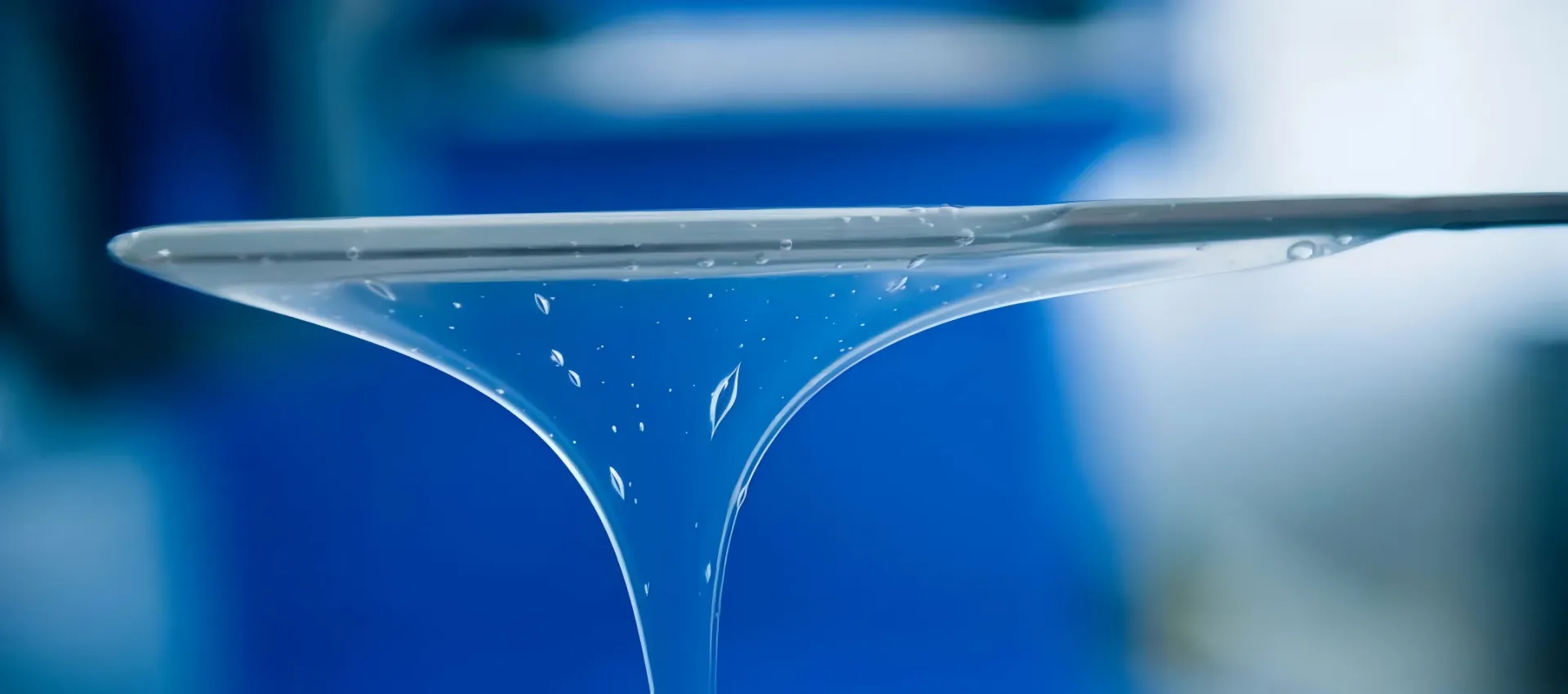
Vinyl Terminated Silicone Fluid factory
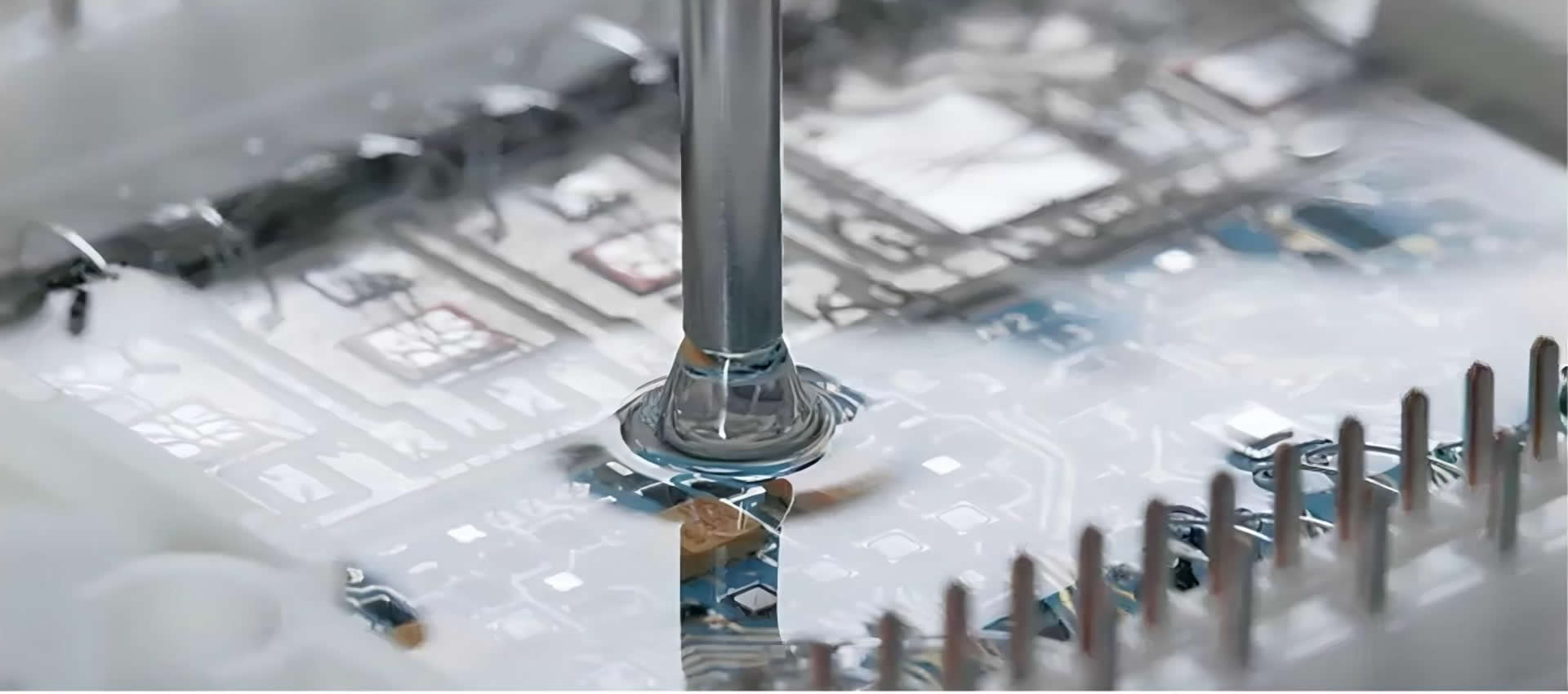
Vinyl Terminated Silicone Fluid
Everything you need to know about our products and company
Vinyl Terminated Silicone Fluid (CAS 68083-19-2), chemically known as vinyl-terminated polydimethylsiloxane, represents a specialized category of reactive silicone polymers with significant industrial importance. Characterized by reactive vinyl groups (-CH=CH₂) at both molecular terminals, this material serves as a fundamental building block across numerous advanced applications, from high-performance elastomers to precision electronic encapsulants.
The molecular structure of vinyl terminated silicone fluid features a siloxane backbone (Si-O-Si) with terminal vinyl groups that provide reactive sites for crosslinking reactions. This unique architecture combines the thermal stability and flexibility of silicones with enhanced reactivity through the vinyl functional groups.
The technical specifications vary based on viscosity grades, but typical parameters include:
Vinyl content typically ranges from 0.05% to 1.9% depending on the specific grade and application requirements. Lower viscosity grades generally exhibit higher vinyl content, which influences the crosslinking density and final material properties.
The viscosity spectrum of vinyl terminated silicone fluids enables their use across diverse industrial sectors. Manufacturers classify these materials into distinct categories based on their flow characteristics:
These fluids demonstrate high fluidity, making them ideal for applications requiring penetration into fine spaces or seamless blending with other components. They serve excellently as diluents in liquid silicone rubber (LSR) formulations, ensuring smooth processing and homogeneous distribution of fillers and additives. Their low viscosity also facilitates application in thin coatings for electronic components and personal care products.
Occupying a middle ground between processability and mechanical strength, these grades find extensive application in potting compounds, encapsulants, and release agents. They offer balanced flow characteristics with sufficient body to maintain position during curing processes, making them valuable in electronic assembly and medium-duty sealing applications.
These formulations provide exceptional dimensional stability and elasticity, making them suitable for demanding applications such as mold-making silicones, RTV-2 sealants, and structural adhesives. Their resistance to sagging and slumping ensures consistent performance in vertical applications and gap-filling scenarios.
Designed for the most challenging industrial applications, these grades exhibit minimal flow at room temperature while maintaining the reactive capabilities characteristic of vinyl terminated silicones. They are particularly valuable in thermal interface materials, electronic encapsulants, and other applications where thickness retention is critical.
The production of vinyl terminated silicone fluids involves sophisticated chemical processes, primarily ring-opening polymerization of cyclosiloxanes such as D4 (octamethylcyclotetrasiloxane) and D3F (1,3,5-trimethyl-1,3,5-tris(3,3,3-trifluoropropyl)cyclotrisiloxane), followed by end-capping with vinyl-containing reagents. Catalyst systems, including strong acidic cation exchange resins like NKC-9, facilitate controlled polymerization to achieve target molecular weights while maintaining narrow molecular weight distributions.
Advanced manufacturing facilities implement rigorous quality control measures throughout production, including:
These protocols ensure batch-to-batch consistency and compliance with international standards such as ISO 9001 and IATF 16949, which are essential for applications in regulated industries like automotive and medical devices.
Vinyl terminated silicone fluids exhibit exceptional thermal stability, with operational ranges typically spanning from -50°C to 200°C, and short-term resistance to even higher temperatures. This breadth of temperature tolerance makes them invaluable in applications subject to thermal cycling or extreme environments.
The material demonstrates notable resistance to:
The inherent stability of the siloxane backbone, combined with the reactivity of the terminal vinyl groups, creates a unique balance between processability and final material properties.
The versatility of vinyl terminated silicone fluids has led to their adoption across numerous industries, each leveraging specific attributes of the material:
In the electronics sector, these fluids serve as foundational components in encapsulation and potting compounds, protecting sensitive components from moisture, dust, mechanical shock, and thermal stress. Their superior dielectric strength (typically >20 kV/mm) and thermal stability ensure reliable performance in high-frequency applications, including LED lighting systems, circuit boards, and semiconductor coatings.
Automotive manufacturers incorporate vinyl terminated silicone fluids in durable coatings, lubricants, and structural adhesives for components ranging from engine systems to exterior finishes. The material’s resistance to extreme temperatures and environmental factors makes it equally valuable in aerospace applications, including sealants for cabin interiors and composite material fabrication.
The construction industry leverages these materials in high-performance sealants and adhesives for aluminum-glass facades, curtain walls, and expansion joints. Their ability to cure at room temperature while maintaining flexibility through thermal cycling makes them ideal for large-scale projects requiring long-term weatherproofing and structural integrity.
Medical-grade formulations of vinyl terminated silicone fluids meet stringent biocompatibility requirements for applications such as surgical sealants, implantable devices, and drug-delivery systems. Their hypoallergenic properties and resistance to microbial growth align with healthcare standards, ensuring patient safety in critical applications.
In industrial settings, these fluids function as mold-release agents, lubricants, and protective coatings. Their low volatility and high flash point enhance safety in high-temperature processes, while their flexibility minimizes wear on machinery components. Specific applications include heat-resistant gaskets, hydraulic fluids, and specialized lubricants for demanding operating environments.
Proper storage conditions are critical for maintaining the performance characteristics of vinyl terminated silicone fluids. Recommended storage parameters include:
Under these conditions, unopened containers typically maintain stability for 12-36 months, depending on the specific formulation and presence of stabilizers. Once opened, the shelf life decreases significantly, necessitating more careful handling including refrigeration at ≤15°C and protection from atmospheric contaminants.
Periodic quality assessments are recommended for extended storage scenarios, including:
Handling vinyl terminated silicone fluids requires standard industrial safety practices despite their generally low toxicity profile. Essential safety measures include:
Vinyl terminated silicone fluids generally comply with major international regulations, including:
As a prominent manufacturer in the silicone industry, Biyuan has established itself as a trusted supplier of high-performance vinyl terminated silicone fluids. The company’s product development focuses on addressing specific industrial challenges through advanced material science.
Biyuan’s formulations demonstrate particular excellence in:
The company’s technical expertise is evidenced by successful implementations across industries, including a documented case where their VT-700 series resolved adhesion failures in automotive exterior trim components during winter assembly. The solution reduced curing time by 60% at 0°C while increasing adhesion strength by 45% on polypropylene substrates, resulting in zero field failures in 12 months of post-deployment testing.
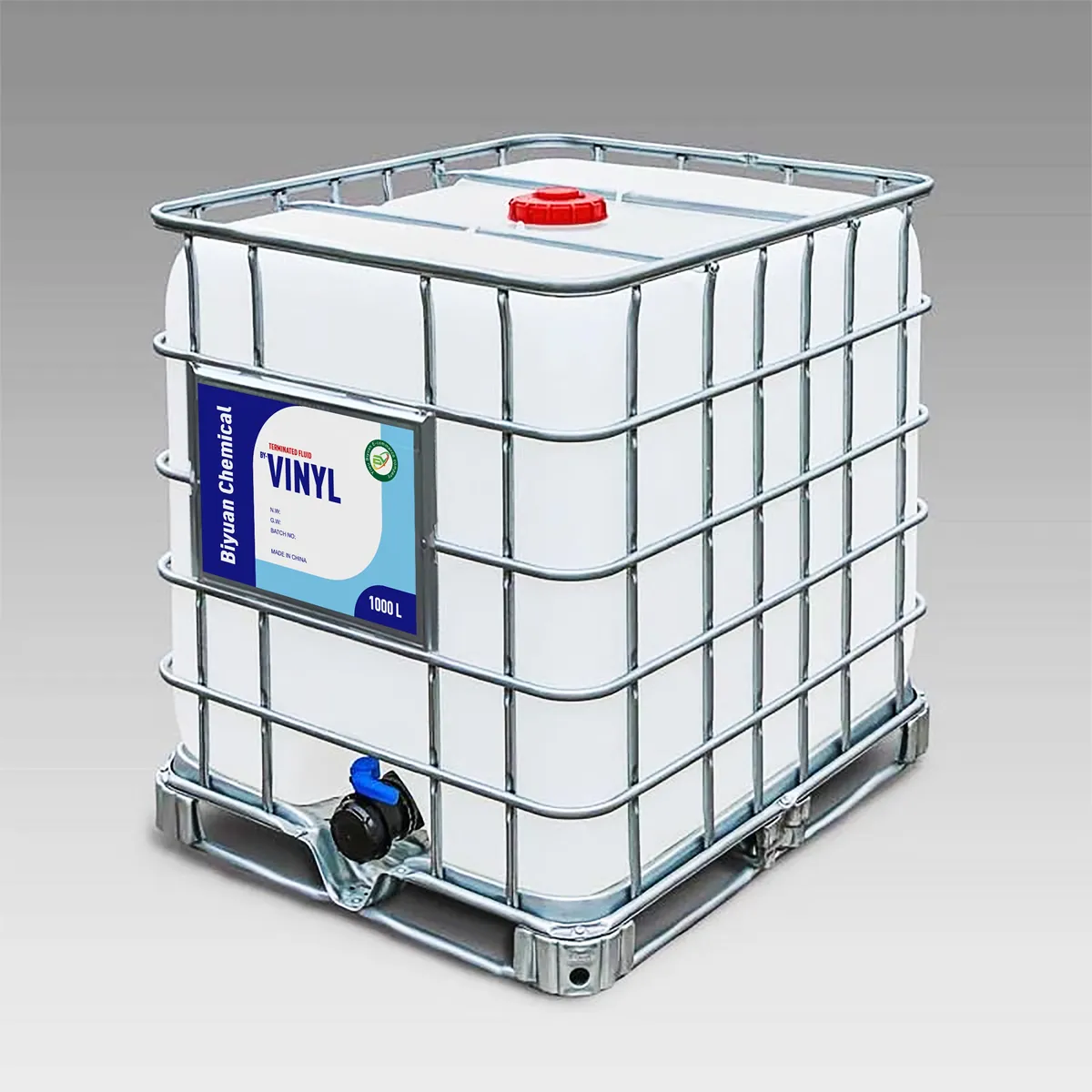
Biyuan’s commitment to quality is reinforced through certifications including ISO 9001 and IATF 16949, ensuring consistent performance for demanding applications in automotive, aerospace, and medical sectors. Their global logistics capability, supported by robust packaging solutions such as IBC tanks and sealed drums, maintains product integrity throughout the supply chain.
The application landscape for vinyl terminated silicone fluids continues to expand, with several emerging trends shaping their future utilization. The material is increasingly important in 3D printing applications, where it serves as a key component in formulations for printed electronics and medical devices. Additionally, the growing demand for 5G communication infrastructure has created new opportunities in dielectric coatings and encapsulation materials that protect sensitive components from environmental stressors while maintaining signal integrity.
Ongoing research focuses on enhancing material properties through:
As material science advances, vinyl terminated silicone fluids are poised to address increasingly sophisticated application requirements across the industrial landscape, supported by manufacturers like Biyuan who continue to innovate at the intersection of chemistry and engineering.
Our most popular products loved by customers worldwide
Vinyl termified silicone fluids represent a specialized class of medical-grade materials engineered for advanced healthcare applications. These reactive fluids feature terminal vinyl groups that enable precise molecular customization and controlled crosslinking capabilities, making them ideal for developing implantable devices, drug delivery systems, and d.
Vinyl silicone fluid is revolutionizing cosmetic and personal care formulations through its unique reactive properties and sensory enhancement capabilities. This functional silicone material features terminal vinyl groups that enable customizable cross-linking while maintaining the characteristic smoothness of silicone-based ingredients. Vinyl sili.
Vinyl silicone fluid, as a core functional silicone product, demonstrates exceptional versatility and reliability in the industrial additives sector. Its unique molecular structure combines the flexibility of a siloxane backbone with the reactivity of terminal vinyl groups, delivering customized solutions for various industrial applications. In polymer .
Vinyl terminated fluid is emerging as a transformative additive in textile and leather manufacturing, offering a unique combination of processing enhancement and performance optimization. This reactive silicone fluid leverages its terminal vinyl groups to create durable molecular bridges with fibers and leather substrates, delivering lasting functional ben.