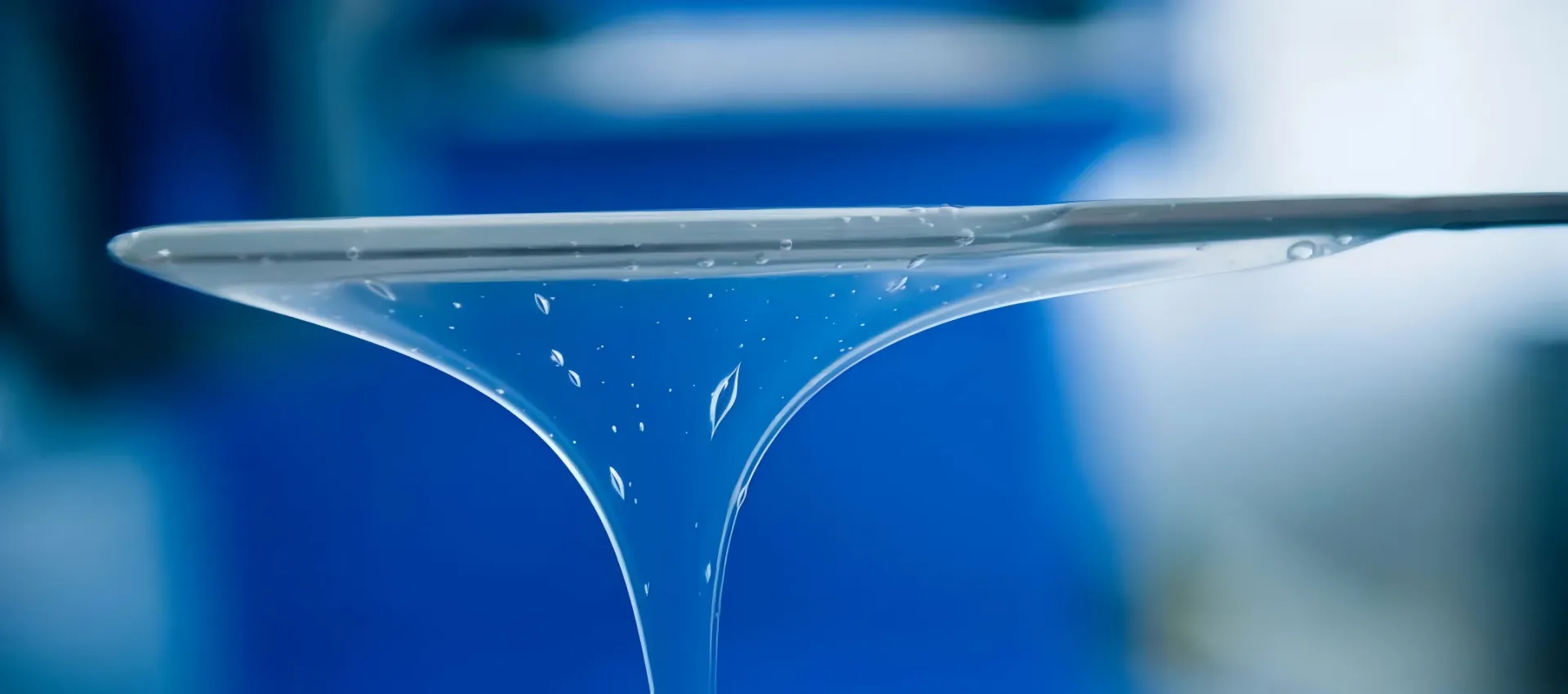
Vinyl Terminated Silicone Fluid factory
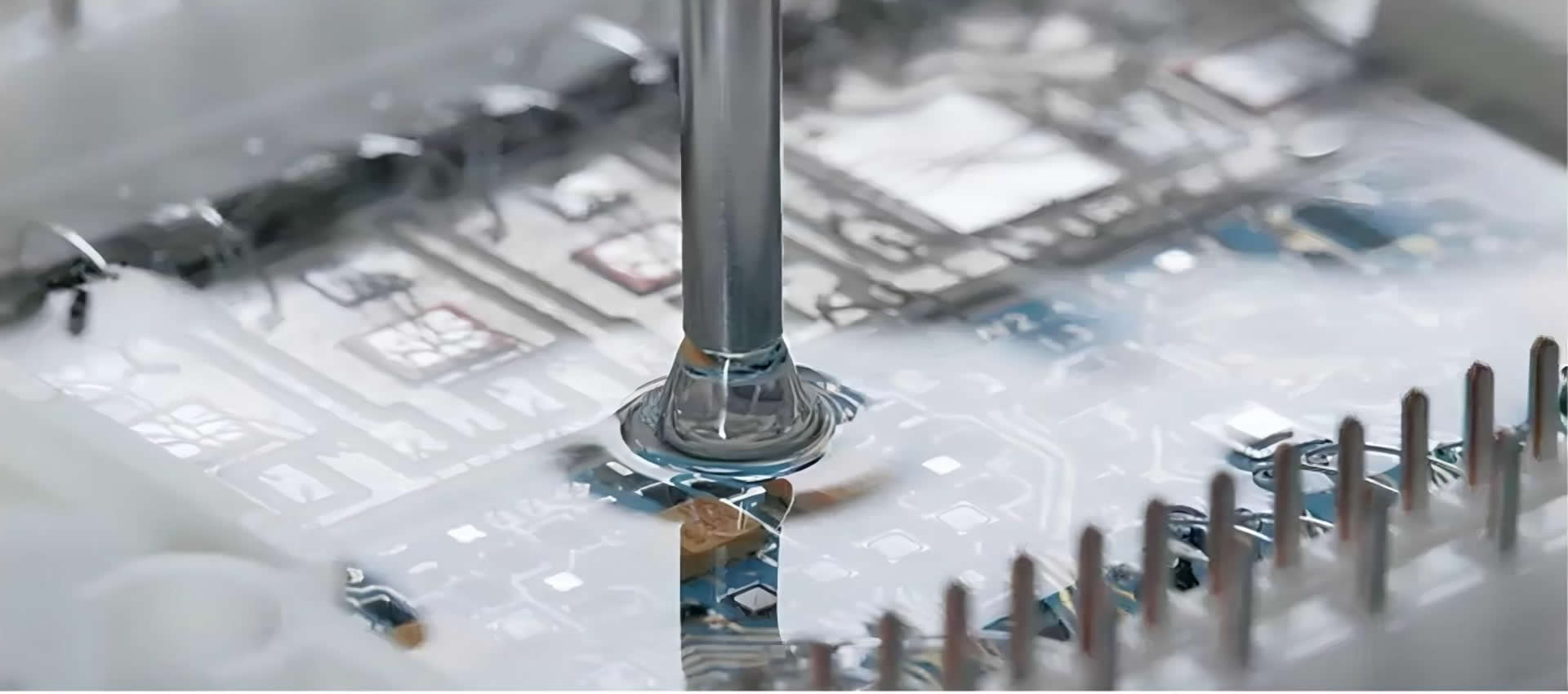
Vinyl Terminated Silicone Fluid
Everything you need to know about our products and company
Vinyl terminated silicone fluid (VT-SF), also known as vinyl-terminated polydimethylsiloxane, represents a specialized category of organosilicon compounds featuring reactive vinyl groups (-CH=CH₂) at both molecular terminals. This unique chemical structure provides exceptional versatility while raising important questions about its environmental impact and production sustainability.
The global vinyl terminated silicone fluid market demonstrates robust growth potential, projected to reach approximately $2,500 million by 2025 with a compound annual growth rate (CAGR) of 7.2% during the forecast period of 2025-2033. This expansion is primarily driven by escalating demand across various high-performance applications, particularly in the electronics, automotive, and healthcare sectors.
Geographically, the Asia-Pacific region, led by China, dominates the market landscape due to its extensive manufacturing base and increasing investments in advanced materials research. North America and Europe also maintain significant market shares, driven by stringent environmental regulations and demand for sustainable materials.
Vinyl terminated silicone fluids are available in various viscosity grades, typically ranging from 100 cSt to 1,000,000 cSt, with vinyl content decreasing as viscosity increases. The material exhibits exceptional thermal stability, maintaining properties at temperatures as low as -50°C and up to 150°C, making it suitable for extreme operating conditions.
The product is classified into two main types: single-ended vinyl silicone oil and double-ended vinyl silicone oil, each catering to specific performance requirements in end-use applications. The double-ended variant, with vinyl groups at both molecular terminals, offers superior reactivity and cross-linking capabilities.
Traditional manufacturing processes for vinyl terminated silicone fluid involve energy-intensive chemical reactions and may generate volatile organic compounds (VOCs) and other byproducts. The industry faces increasing pressure to reduce carbon footprint through process optimization, waste minimization, and adoption of renewable energy sources.
Key environmental considerations include:
Advanced manufacturing facilities implement closed-loop systems to minimize solvent losses and reduce energy consumption. Modern reactors feature precise temperature control and automated process monitoring, enabling optimal reaction conditions while minimizing energy waste.
The development of highly selective catalysts allows for lower reaction temperatures and reduced catalyst loadings. Platinum-based catalysts, particularly Karstedt catalysts, enable efficient hydrosilylation reactions at milder conditions, significantly reducing energy requirements.
State-of-the-art production plants incorporate solvent recovery systems that capture and purify solvents for reuse. This approach not only reduces raw material consumption but also minimizes waste generation and associated disposal costs.
Water-intensive purification steps are being replaced with membrane filtration and other water-efficient technologies. Some manufacturers have achieved up to 90% reduction in water consumption through process innovation and recycling initiatives.
Leading producers are transitioning to renewable energy sources for their manufacturing operations. Solar power, wind energy, and biomass utilization are becoming increasingly common in the silicone industry, significantly reducing the carbon footprint of final products.
Vinyl terminated silicone fluid manufacturers must comply with various international standards and regulations, including:
Products intended for medical applications require additional certifications such as FDA 510(k) approval and biocompatibility testing according to ISO 10993 standards.
Biyuan has emerged as a leader in environmentally responsible vinyl terminated silicone fluid production. The company’s manufacturing facilities incorporate cutting-edge green technologies, including:
Advanced Process Control Systems
Biyuan utilizes real-time monitoring and optimization algorithms to ensure maximum process efficiency while minimizing energy consumption and waste generation. Their proprietary process control technology has reduced energy consumption by 25% compared to industry averages.
Closed-Loop Manufacturing
The company’s production lines feature comprehensive solvent recovery systems that capture and recycle over 95% of process solvents. This approach not only reduces environmental impact but also lowers production costs, creating a competitive advantage in the market.
Renewable Energy Integration
Biyuan has invested significantly in on-site renewable energy generation, including solar panel installations that cover 40% of the facility’s energy needs. The company has committed to achieving carbon neutrality by 2030 through continued investment in renewable energy and carbon offset programs.
Water Management Excellence
Through advanced water treatment and recycling systems, Biyuan has reduced freshwater consumption by 60% compared to conventional manufacturing processes. The company’s zero-liquid discharge initiative ensures that all process water is treated and reused within the facility.
Product Innovation for Sustainability
Biyuan’s R&D team focuses on developing next-generation vinyl terminated silicone fluids with improved environmental profiles. Recent innovations include:
The versatility of vinyl terminated silicone fluid makes it indispensable across multiple sectors:
Electronics Industry
Used in encapsulation, potting compounds, and sealants for electronic components, providing excellent thermal stability and dielectric properties. The material’s ability to withstand extreme temperatures makes it ideal for automotive electronics, consumer devices, and industrial control systems.
Automotive Sector
Vinyl terminated silicone fluids are critical components in high-temperature vulcanized silicone rubber used for gaskets, seals, and hoses. Their superior thermal stability and flexibility ensure reliable performance under demanding automotive conditions.
Healthcare Applications
The material’s biocompatibility and thermal stability make it suitable for medical devices, implants, and pharmaceutical applications. Products must meet stringent regulatory requirements for medical-grade silicones.
Construction and Building Materials
Used in sealants, adhesives, and coatings that require weather resistance, flexibility, and long-term durability. The material’s hydrophobic properties make it ideal for waterproofing applications.
The vinyl terminated silicone fluid industry continues to evolve toward greater sustainability through:
Circular Economy Initiatives
Manufacturers are developing closed-loop recycling systems that recover and reuse silicone materials at end-of-life. This approach reduces the need for virgin raw materials and minimizes waste.
Bio-based Alternatives
Research into bio-derived silicone precursors offers the potential to reduce reliance on petrochemical feedstocks. While still in early stages, these innovations could significantly lower the carbon footprint of silicone products.
Digitalization and Industry 4.0
Advanced process control, artificial intelligence, and machine learning are being deployed to optimize manufacturing processes, reduce energy consumption, and improve product quality.
Enhanced Performance Materials
Ongoing R&D focuses on developing vinyl terminated silicone fluids with improved properties, including higher thermal stability, better mechanical strength, and enhanced environmental resistance.
The transition to green manufacturing processes for vinyl terminated silicone fluid represents a critical step toward sustainable industrial production. Through process optimization, energy efficiency improvements, and renewable energy integration, manufacturers like Biyuan are demonstrating that environmental responsibility and commercial success can go hand in hand. As regulatory pressures increase and consumer demand for sustainable products grows, the industry’s commitment to reducing its carbon footprint will continue to drive innovation and create new market opportunities.
Our most popular products loved by customers worldwide
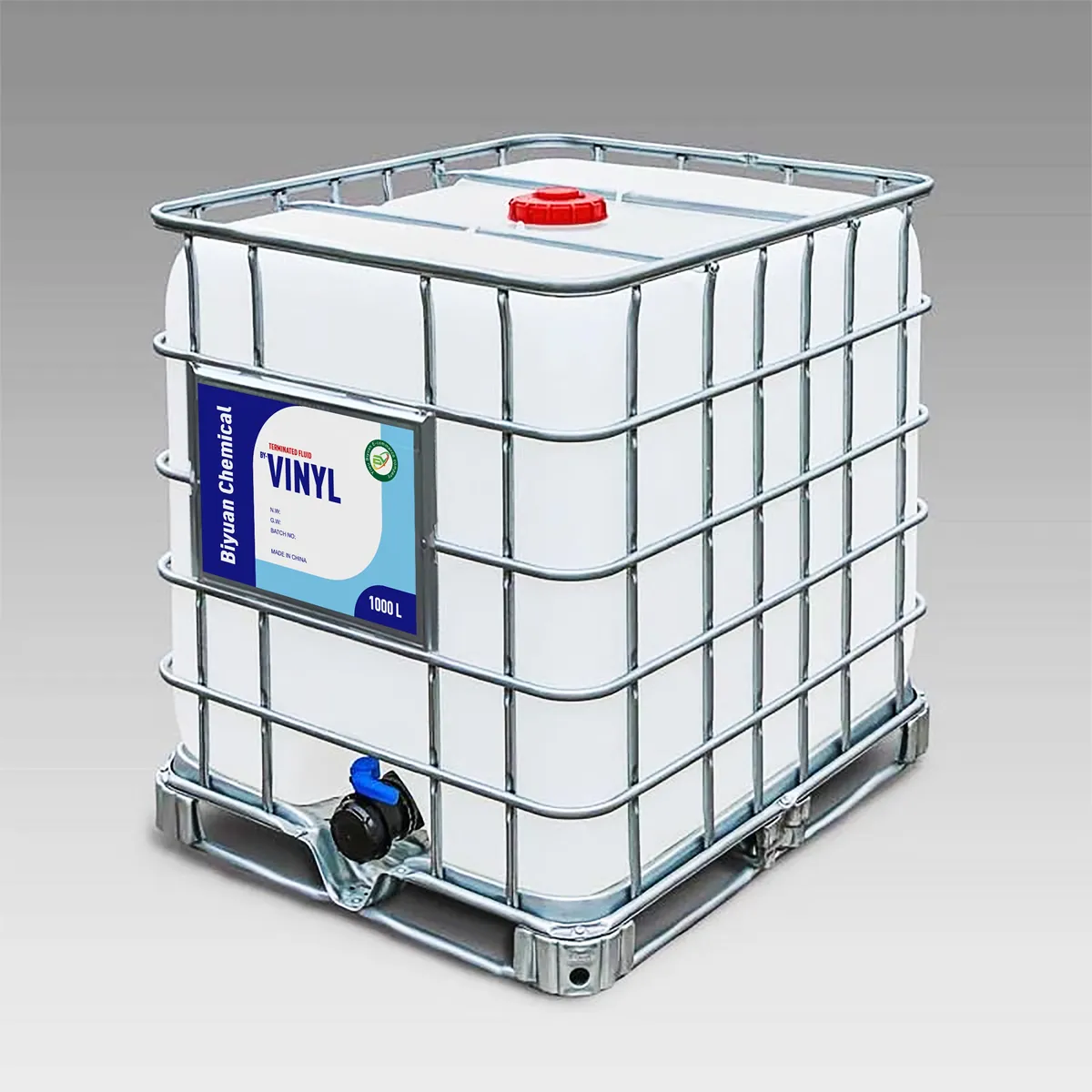
Vinyl termified silicone fluids represent a specialized class of medical-grade materials engineered for advanced healthcare applications. These reactive fluids feature terminal vinyl groups that enable precise molecular customization and controlled crosslinking capabilities, making them ideal for developing implantable devices, drug delivery systems, and d.
Vinyl silicone fluid is revolutionizing cosmetic and personal care formulations through its unique reactive properties and sensory enhancement capabilities. This functional silicone material features terminal vinyl groups that enable customizable cross-linking while maintaining the characteristic smoothness of silicone-based ingredients. Vinyl sili.
Vinyl silicone fluid, as a core functional silicone product, demonstrates exceptional versatility and reliability in the industrial additives sector. Its unique molecular structure combines the flexibility of a siloxane backbone with the reactivity of terminal vinyl groups, delivering customized solutions for various industrial applications. In polymer .
Vinyl terminated fluid is emerging as a transformative additive in textile and leather manufacturing, offering a unique combination of processing enhancement and performance optimization. This reactive silicone fluid leverages its terminal vinyl groups to create durable molecular bridges with fibers and leather substrates, delivering lasting functional ben.