Why Should New Energy Vehicle Component Manufacturers Choose BIYUAN Vinyl Terminated Fluid? - Vinyl Terminated Silicone Fluid factory
Vinyl Terminated Silicone Fluid
Information Center
Everything you need to know about our products and company
In the rapidly evolving new energy vehicle (NEV) industry, component manufacturers face unprecedented demands for performance, durability, and reliability. From battery systems and power electronics to sealing solutions and thermal management, the materials used in NEV components must meet stringent standards under extreme conditions. Among these advanced materials, silicone-based products have emerged as a critical enabler of innovation, with Vinyl Terminated Fluid standing out for its versatility and superior properties. BIYUAN, a leader in high-performance silicone materials, offers advanced Vinyl Terminated Fluid specifically engineered to address the unique challenges of the NEV sector. This article explores the compelling benefits that BIYUAN Vinyl Terminated Fluid provides to NEV component manufacturers, demonstrating how it enhances product quality, production efficiency, and long-term reliability.
Exceptional Thermal and Electrical Performance for High-Voltage Systems
NEVs rely heavily on high-voltage battery packs, electric motors, and power electronics, which generate significant heat and require robust insulation. BIYUAN Vinyl Terminated Fluid delivers outstanding performance in these critical applications:
High-Temperature Stability: With a wide operating range (-50°C to 250°C+), BIYUAN Vinyl Terminated Fluid maintains its mechanical and dielectric properties even under the extreme thermal conditions of NEV powertrains and battery systems.
Superior Dielectric Strength: Its excellent electrical insulation properties prevent leakage currents and short circuits in high-voltage applications, ensuring the safety and reliability of battery modules, inverters, and charging systems.
Thermal Conductivity Enhancement: When formulated with appropriate fillers, BIYUAN Vinyl Terminated Fluid improves heat dissipation in potting compounds and thermal interface materials, helping to extend the lifespan of power electronics and battery cells.
Enhanced Durability and Environmental Resistance
NEV components are exposed to harsh operating environments, including temperature fluctuations, vibrations, moisture, and chemical exposure. BIYUAN Vinyl Terminated Fluid provides unparalleled protection:
Mechanical Resilience: Its flexible yet durable nature helps absorb vibrations and shocks, reducing stress on sensitive components like battery connectors, sensor housings, and sealing gaskets.
Moisture and Chemical Resistance: The hydrophobic and chemically inert properties of BIYUAN Vinyl Terminated Fluid protect components from corrosion, humidity, and exposure to coolants or battery electrolytes.
Long-Term Aging Resistance: Resistant to oxidative degradation and UV radiation, BIYUAN Vinyl Terminated Fluid ensures sustained performance over the vehicle’s lifespan, even in outdoor or high-stress applications.
Optimized Processing and Manufacturing Efficiency
For NEV component manufacturers, production scalability and consistency are key to meeting growing market demands. BIYUAN Vinyl Terminated Fluid offers significant processing advantages:
Controlled Curing Behavior: With precise vinyl group content and reactivity, BIYUAN Vinyl Terminated Fluid allows manufacturers to tailor curing times and temperatures, optimizing production cycles for potting, encapsulation, or adhesive applications.
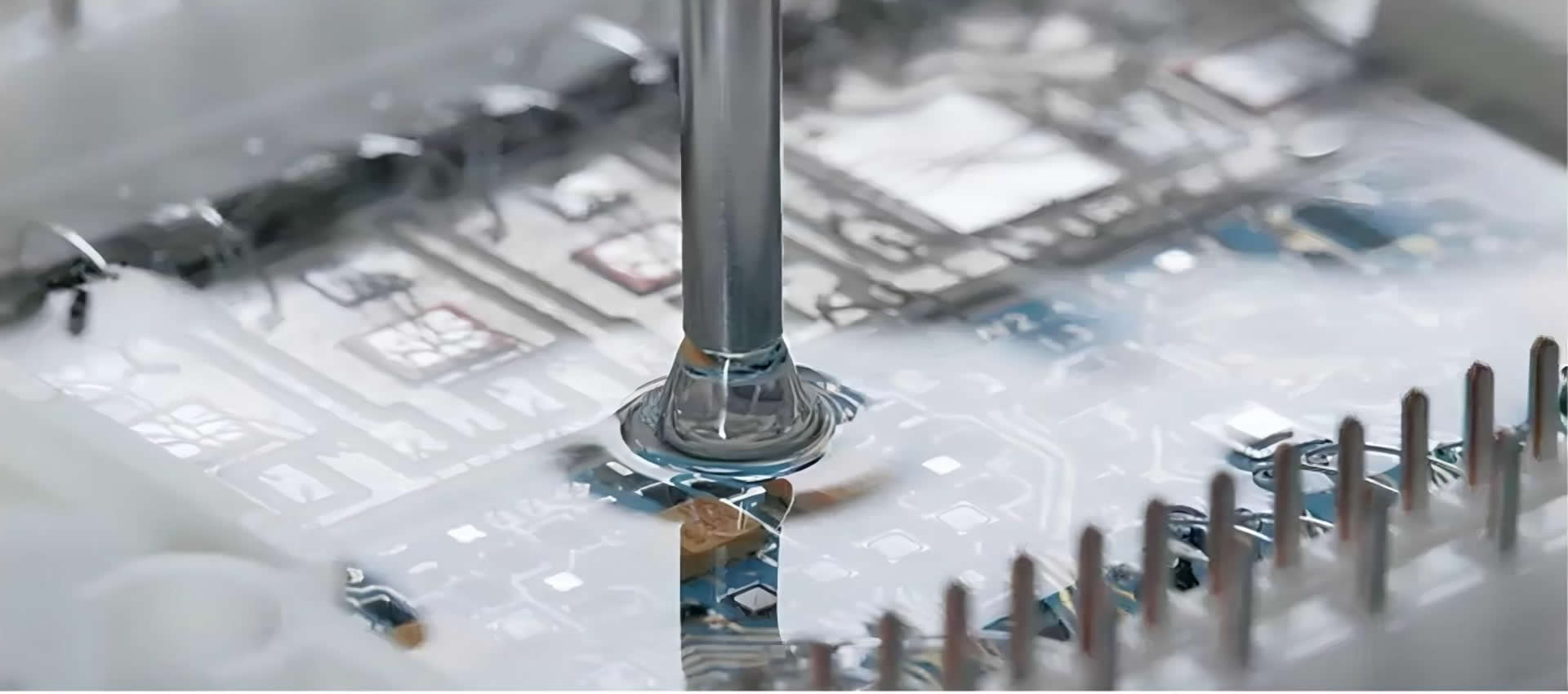
Excellent Flow and Wetting Properties: Its low viscosity and superior wetting characteristics enable uniform coverage and void-free filling in complex geometries, such as battery module housings or motor stator potting.
Compatibility with Additives: BIYUAN Vinyl Terminated Fluid can be easily blended with flame retardants, thermal conductive fillers, or pigments to meet specific application requirements without compromising performance.
Support for Lightweight and Compact Designs
The drive toward lighter, more efficient NEVs requires materials that enable miniaturization without sacrificing performance:
Thin-Layer Applicability: BIYUAN Vinyl Terminated Fluid can form thin, continuous films for conformal coatings or lightweight encapsulants, reducing overall component weight and space requirements.
Adhesion to Diverse Substrates: It bonds effectively with metals, plastics, ceramics, and composites, allowing for innovative designs in battery packs, electric motor assemblies, and power electronic modules.
Sealing and Potting Versatility: Its flexibility and resilience make it ideal for sealing battery housings, protecting connectors, and potting sensitive electronics against dust, moisture, and mechanical stress.
Conclusion
For new energy vehicle component manufacturers, BIYUAN Vinyl Terminated Fluid offers a powerful combination of thermal stability, electrical insulation, mechanical resilience, and processing versatility. By addressing the unique demands of NEV applications—from high-voltage battery systems and power electronics to sealing and thermal management—it enables manufacturers to create safer, more durable, and higher-performing components. Partnering with BIYUAN not only provides access to cutting-edge silicone technology but also ensures the technical support and supply chain reliability needed to thrive in the fast-paced and competitive NEV industry.
Understanding Moisture Interaction with Vinyl-Terminated Silicone Fluid
Vinyl-terminated silicone fluid, a specialized derivative of polydimethylsiloxane (PDMS), is widely recognized for its unique chemical and physical properties. One of the most critical questions users ask is whether this material absorbs moisture. Let’s delve into its moisture-rela.
In the sophisticated chemistry of silicone engineering, the ability to design materials with exact mechanical, thermal, and rheological properties depends on the strategic selection of reactive intermediates. For formulators developing liquid silicone rubbers (LSR), high-consistency rubbers (HCR), gels, adhesives, and coatings, the choice of a vinyl-functi.
Storage Guidelines for Vinyl Terminated Silicone Fluid: Plastic Container Compatibility
Understanding Vinyl Terminated Silicone Fluid
Vinyl Terminated Silicone Fluid (CAS 68083-19-2) represents a specialized category of silicone polymers characterized by reactive vinyl groups at both molecular terminals. This unique chemical structure, formulated as .
Understanding the Core Components of Vinyl Terminated Silicone Fluid
Vinyl Terminated Silicone Fluid (VT-SF) is a specialized polymer widely recognized for its versatility in industrial applications, from silicone rubber production to advanced coatings. To achieve its exceptional performance, the formulation of VT-SF relies on a precise combination of .
Vinyl Terminated Silicone Fluid has become an indispensable material across industries ranging from aerospace and automotive to electronics and medical devices, valued for its thermal stability, flexibility, and reactivity. However, like many high-performance materials, it remains susceptible to discoloration under certain conditions. Understanding the roo.
Vinyl Terminated Silicone Fluid (VTMSF) is a cornerstone material in industries ranging from electronics to healthcare, but its formulation and performance vary significantly between industrial and medical applications. Understanding these distinctions is critical for selecting the right grade to meet safety, regulatory, and functional requirements. Below,.
Compatibility and Industrial Applications
In the world of advanced silicone materials, Vinyl Terminated Silicone Fluid stands out for its remarkable versatility and compatibility. This specialized polymer serves as a fundamental building block across numerous industries, from automotive to electronics, offering unique properties that make it indispensab.
Vinyl Terminated Silicone Fluid (VT-SF) is a high-performance material prized for its thermal stability, reactivity, and versatility across industries like aerospace, electronics, and medical devices. However, improper storage can lead to phase separation, compromising its efficacy. Understanding the root causes—and implementing proactive solutions—is crit.
Unlock Manufacturing Excellence with Private Label Vinyl Terminated Silicone Fluid
Introduction: The Strategic Advantage of Private Label Vinyl Terminated Silicone Fluid
In today’s competitive manufacturing landscape, private labeling offers businesses a powerful tool for brand differentiation and market expansion. When it comes to high-perfo.
How Vinyl Terminated Silicone Fluid Distinguishes Itself in Industrial Applications
Silicone fluids are indispensable in modern industries, but not all are created equal. Among them, vinyl-terminated silicone fluid (VTMSF) stands out due to its unique chemical structure and functional versatility. This article explores how VTMSF diverges from other s.
Maximizing Performance: Optimal Concentrations of Vinyl Terminated Silicone Fluid in Industrial Formulations
Understanding Vinyl Terminated Silicone Fluid
Vinyl terminated silicone fluid represents a specialized category of organosilicon compounds characterized by vinyl groups at both ends of the molecular chain. This unique chemical structure, formu.
Understanding the Dielectric Constant of Vinyl-Terminated Silicone Fluids: Properties, Applications, and Material Selection
In the realm of advanced materials, vinyl-terminated silicone fluids have emerged as critical components in industries ranging from electronics to aerospace. One of their most crucial properties is the dielectric constant (Dk).
How to Determine the Volatility Profile of Vinyl-Terminated Silicone Fluids
Vinyl-terminated silicone fluids are critical components in industries ranging from coatings and adhesives to cosmetics and electronics. Their volatility directly impacts product stability, application performance, and long-term durability. Accurately measuring this property re.
Safe Disposal of Vinyl Terminated Silicone Fluid: A Comprehensive Guide
Vinyl Terminated Silicone Fluid (VT-SF) is a specialized polymer valued across industries for its thermal stability, chemical resistance, and reactive vinyl groups that enable cross-linking in silicone elastomers and adhesives. However, proper disposal of this material requires care.
Vinyl Terminated Silicone Fluids are widely used in industries ranging from electronics to automotive manufacturing due to their excellent thermal stability, chemical resistance, and lubricating properties. However, ensuring compliance with heavy metal regulations is critical for safety, environmental protection, and market acceptance. This article explore.
Assessing Purity in Vinyl-Terminated Silicone Fluids: Techniques and Industry Insights
Vinyl-terminated silicone fluids are critical components in industries ranging from electronics to automotive manufacturing. Their purity directly impacts performance, stability, and long-term reliability in applications such as release agents, encapsulants, and lubr.
Understanding Vinyl Terminated Silicone Fluid’s Temperature Tolerance
Vinyl Terminated Silicone Fluid demonstrates remarkable stability across a wide temperature range, including freezing conditions. According to technical specifications, this specialized polymer maintains its properties at temperatures as low as -50°C and can be stored long-te.
In the highly competitive and innovation-driven daily chemical industry, processing plants are constantly seeking advanced raw materials to enhance product quality, improve processing efficiency, and meet evolving consumer demands for performance, safety, and sustainability. Among various functional additives, silicone-based materials have gained significa.
Vinyl Terminated Silicone Fluid: Stability and Reactivity with Air and Moisture
Understanding Vinyl Terminated Silicone Fluid’s Chemical Stability
Vinyl Terminated Silicone Fluid, also known as vinyl-terminated polydimethylsiloxane (VI PDMS), demonstrates exceptional stability when exposed to air and moisture under normal storage conditions. Th.
The aerospace industry represents the pinnacle of technological precision and performance excellence, where every component and material must meet extraordinary standards of reliability, durability, and safety. As essential contributors to this sector, aerospace chemical support enterprises provide specialized chemical solutions that enable the manufacturi.
Overcoming Extreme Conditions: How Vinyl Terminated Silicone Fluid is Redefining Aerospace Coating Performance
In the unforgiving environment of aerospace—where components face blistering heat, rapid temperature fluctuations, UV radiation, and chemical exposure—the demand for advanced protective coatings has never been greater. Traditional coatings ofte.
The electronics industry is increasingly adopting vinyl terminated silicone fluid as a cornerstone material for protecting sensitive components from moisture, dust, and environmental stress. This specialized polymer has become indispensable for waterproof encapsulation solutions thanks to its unique combination of electrical and mechanical properties tha.
Introduction: The Role of Vinyl Functionalization in Silicone Performance
The pursuit of enhanced material performance has positioned vinyl-terminated silicone fluids as critical additives in room-temperature vulcanized (RTV) silicone rubber formulations. These specialized fluids, characterized by reactive vinyl groups at both molecular terminals, fund.
Vinyl Terminated Silicone Fluid vs. Polydimethylsiloxane: Understanding Their Distinct Characteristics
When comparing silicone-based fluids, understanding the fundamental differences between vinyl terminated silicone fluid and conventional polydimethylsiloxane (PDMS) is crucial for selecting the right material for specific applications. While both share.
Pharmaceutical Innovations with Vinyl Terminated Silicone Fluid: Advancing Drug Delivery Systems
Introduction
The pharmaceutical industry continuously seeks innovative materials that can enhance drug delivery efficacy and patient outcomes. Among these materials, vinyl terminated silicone fluids have emerged as a versatile polymer with unique proper.
Solving Volatility Challenges in Medical Device Manufacturing: The Rise of Advanced Vinyl-Terminated Silicone Fluids
For medical device engineers and manufacturers, selecting materials that balance performance, safety, and regulatory compliance is a constant balancing act. Among the critical considerations? Volatility. High-volatility silicones can com.
Vinyl Terminated Silicone Fluid: Comprehensive Technical Overview and Safety Protocols
Vinyl Terminated Silicone Fluid (CAS 68083-19-2), chemically known as vinyl-terminated polydimethylsiloxane, represents a specialized category of reactive silicone polymers with significant industrial importance. Characterized by reactive vinyl groups (-CH=CH₂) at bo.
Vinyl Terminated Silicone Fluid: Ensuring Signal Integrity in Next-Generation 5G Infrastructure
The rapid global deployment of 5G networks represents a transformative leap in communication technology, enabling unprecedented data speeds, ultra-low latency, and massive device connectivity. However, this technological advancement comes with significant mat.
Introduction to Vinyl Terminated Silicone Fluid
Vinyl Terminated Silicone Fluid, also known as vinyl-terminated polydimethylsiloxane, represents a specialized category of silicone oils characterized by reactive vinyl groups at both molecular ends. This unique chemical structure, with the formula CH₂=CH-Si(CH₃)₂O[(CH₃)₂SiO]ₙ(CH₃)₂Si-CH=CH₂, enables these.
Asia-Pacific Drives Global Silicone Fluid Market: An In-Depth Look at China’s Manufacturing Surge
The Asia-Pacific regionhas emerged as the dominant force in the global vinyl terminated silicone fluid market, with China’s manufacturing prowess serving as the primary catalyst. This versatile material, characterized by its reactive vinyl end g.
Global Market for Vinyl Terminated Silicone Fluid Poised for Significant Growth, Driven by Multi-Industry Demand and Innovation
The global market for vinyl terminated silicone fluid (VTSF) is projected to experience substantial growth, with its value expected to reach approximately US $3.2 billion by 2030. This growth is fueled by the material’s e.
The healthcare industry’s recovery from the pandemic has accelerated demand for high-performance materials that meet increasingly sophisticated medical needs. Among these, vinyl terminated silicone fluids have emerged as a critical component driving innovation across medical devices, pharmaceuticals, and healthcare technologies. These specialized flu.
Vinyl Terminated Silicone Fluid: Advancing Wind Turbine Performance and Reliability
The global transition toward renewable energy has intensified the demand for advanced materials that enhance the efficiency and durability of clean energy technologies. Among these, vinyl terminated silicone fluid has emerged as a critical component in wind energy applic.
Vinyl Silicone Fluids Revolutionize Water-Repellent Textile Manufacturing
The textile industry is undergoing a remarkable transformation with the integration of vinyl terminated silicone fluid, a specialized silicone polymer that is setting new standards for water-repellent fabric technology. This advanced material offers unparalleled performance chara.
Global Supply Analysis: Top 5 Leaders in Vinyl Terminated Silicone Fluid Export Markets
Introduction
The global market for vinyl terminated silicone fluidhas experienced remarkable growth driven by increasing demand across automotive, electronics, construction, and personal care industries. These specialized materials, known for their superior therma.
Vinyl Terminated Silicone Fluid: Market Outlook, Pricing Trends, and Strategic Sourcing (2025-2033)
Introduction
The global market for vinyl terminated silicone fluidis poised for significant growth between 2025 and 2033, driven by expanding applications in high-performance sectors such as liquid silicone rubber (LSR), electronics, automotive, and me.
Revolutionizing 5G Infrastructure with High-Performance Vinyl-Terminated Silicone Fluids
The rapid evolution of 5G communication demands materials that can withstand extreme conditions while maintaining performance reliability. Among these, vinyl-terminated silicone fluids (CAS 68083-19-2) have emerged as a game-changing solution, offering unparallel.
Regulatory Shifts Reshaping the Vinyl Terminated Silicone Fluid Industry
The production and application of vinyl terminated silicone fluid are undergoing significant transformation as new environmental regulations redefine global market dynamics. These high-performance materials, renowned for their thermal stability and chemical resistance, now face bo.
In the realm of high-performance materials, low molecular weight vinyl-terminated silicone fluid (VTSF) has emerged as a critical component for precision coatings, combining exceptional reactivity with tailored physical properties. Its unique molecular architecture—featuring reactive vinyl end groups on a flexible siloxane backbone—enables formulators to d.
Overcoming Automotive Adhesion Hurdles: The Role of Vinyl Terminated Silicone Fluids in Low-Temperature Manufacturing
In the automotive industry, where precision and reliability are non-negotiable, even minor flaws in component bonding can lead to costly recalls, safety risks, or production delays. One persistent challenge? Ensuring strong, durable adhe.
Vinyl termified silicone fluids represent a specialized class of medical-grade materials engineered for advanced healthcare applications. These reactive fluids feature terminal vinyl groups that enable precise molecular customization and controlled crosslinking capabilities, making them ideal for developing implantable devices, drug delivery systems, and d.
Vinyl silicone fluid is revolutionizing cosmetic and personal care formulations through its unique reactive properties and sensory enhancement capabilities. This functional silicone material features terminal vinyl groups that enable customizable cross-linking while maintaining the characteristic smoothness of silicone-based ingredients.
Vinyl sili.
Vinyl silicone fluid, as a core functional silicone product, demonstrates exceptional versatility and reliability in the industrial additives sector. Its unique molecular structure combines the flexibility of a siloxane backbone with the reactivity of terminal vinyl groups, delivering customized solutions for various industrial applications.
In polymer .
Vinyl terminated fluid is emerging as a transformative additive in textile and leather manufacturing, offering a unique combination of processing enhancement and performance optimization. This reactive silicone fluid leverages its terminal vinyl groups to create durable molecular bridges with fibers and leather substrates, delivering lasting functional ben.

Contact Us
We're here to help with any questions or inquiries you may have
Contact Information
Address
No. 116, Jiangdong Street, Yiwu City, Jinhua City, Zhejiang Province,China