How is Vinyl Terminated Silicone Fluid produced? - Vinyl Terminated Silicone Fluid factory
Vinyl Terminated Silicone Fluid
Information Center
Everything you need to know about our products and company
Understanding the Production Process of Vinyl Terminated Silicone Fluid
Vinyl terminated silicone fluid, a specialized silicone derivative, plays a pivotal role in industries ranging from cosmetics to industrial coatings. Its unique molecular structure—featuring vinyl end groups—enables exceptional adhesion, flexibility, and compatibility with diverse substrates. This article explores the technical steps behind its synthesis, key formulation considerations, and applications, while highlighting advancements in production technology.
1. Raw Material Selection and Preparation
The foundation of vinyl terminated silicone fluid lies in high-purity siloxane polymers. Manufacturers typically start with polydimethylsiloxane (PDMS) or modified siloxanes containing reactive sites. Critical raw materials include:
Vinyl-functionalized siloxanes: These serve as the base for terminal group modification.
Catalysts: Platinum-based catalysts are commonly used to facilitate hydrosilylation reactions, ensuring precise control over molecular weight and branching.
Additives: Stabilizers, plasticizers, or surfactants may be incorporated to enhance thermal stability or dispersion properties.
For industrial applications, raw materials undergo rigorous purification to eliminate impurities that could compromise product performance.
2. Polymerization and Functionalization
The production process involves two core stages:
A. Polymer Synthesis
Vinyl-terminated siloxanes are synthesized via ring-opening polymerization or step-growth condensation. For example:
Hydrosilylation: Vinyl groups react with hydrogen-terminated siloxanes in the presence of catalysts, forming covalent bonds. This method allows precise control over chain length and branching.
Esterification: Partially esterified siloxanes react with multifunctional alcohols, introducing ester linkages that improve compatibility with organic systems.
B. Post-Polymerization Modifications
To optimize performance, the polymer may undergo:
Cross-linking: Enhances mechanical strength and heat resistance.
Surface Modification: Grafting functional groups (e.g., fluorinated chains) improves hydrophobicity or adhesion to specific substrates.
3. Formulation and Quality Control
The final product is tailored to meet industry-specific demands:
Key Formulation Parameters
Viscosity Control: Adjusting molecular weight (e.g., 0.7–10,000 cSt) ensures suitability for applications like lubricants or coatings.
Dispersion Agents: Ester-functionalized silicones are added to improve the uniformity of inorganic fillers (e.g., zinc oxide) in cosmetics or sunscreens.
pH and Stability Testing: Ensures compatibility with acidic or alkaline environments.
Quality Assurance
Advanced analytical techniques—such as gel permeation chromatography (GPC) and Fourier-transform infrared spectroscopy (FTIR)—validate molecular weight distribution and functional group integrity.
4. Applications Across Industries
Vinyl terminated silicone fluid’s versatility drives its adoption in:
A. Personal Care
Sunscreens: Acts as a dispersion agent for zinc oxide, reducing white residue while enhancing UV protection.
Anti-Whitening Formulations: Improves clarity in gels and sticks by minimizing light scattering.
B. Industrial Coatings
Waterproofing: Forms a durable, breathable film on textiles, metals, and ceramics.
Adhesives: Provides strong bonds for glass, metals, and composites in construction.
C. Electronics
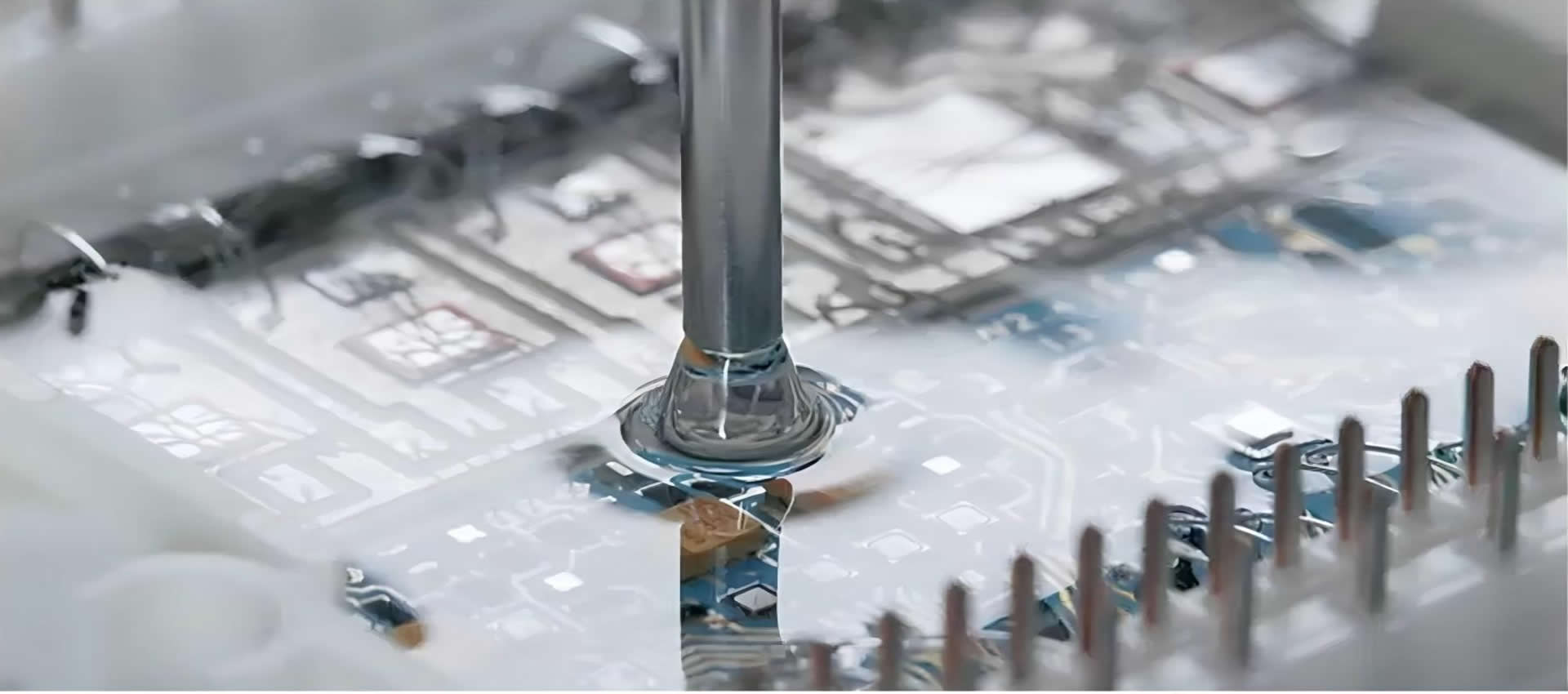
Encapsulation: Protects sensitive components from moisture and thermal stress.
Thermal Interface Materials: Dissipates heat in electronic devices.
5. Innovations in Production Technology
Recent advancements focus on sustainability and efficiency:
Green Chemistry: Bio-based catalysts and renewable raw materials reduce environmental impact.
Automated Processes: Closed-system reactors minimize waste and improve consistency.
Why Choose Biyuan for Vinyl Terminated Silicone Fluids?
Biyuan stands out as a leader in silicone fluid manufacturing, offering:
Custom Solutions: Tailored viscosity, functionality, and packaging to meet niche industrial needs.
Technical Expertise: Dedicated R&D teams optimize formulations for specific applications, from medical devices to aerospace.
Global Compliance: Products adhere to international standards (e.g., FDA, REACH), ensuring safety and reliability.
For industries demanding high-performance, cost-effective materials, Biyuan’s vinyl terminated silicone fluids deliver unmatched versatility and durability.
Final Thoughts
The production of vinyl terminated silicone fluid combines advanced polymer chemistry with meticulous formulation. As industries push for innovation, advancements in synthesis techniques and sustainability will further solidify its role in next-generation applications. Brands like Biyuan are driving this evolution, ensuring products meet both technical and environmental benchmarks.
Understanding the Key Differences Between Synthesized and Distilled Vinyl Terminated Silicone Fluids
Vinyl Terminated Silicone Fluids are indispensable in industries ranging from electronics to construction, offering exceptional performance in applications like coatings, sealants, and elastomers. However, the terms “synthesized” and “.
What Makes Vinyl Terminated Silicone Fluid a “Reactive” Choice in Industrial Applications?
In the realm of specialty chemicals, vinyl terminated silicone fluid stands out for its unique chemical structure and versatility. But what exactly defines its “reactivity,” and why is this property so critical for industrial applicatio.
Optimizing Performance: Key Additives for Vinyl Terminated Silicone Fluid Formulations
Introduction
Vinyl Terminated Silicone Fluid represents a cornerstone material in advanced silicone products, offering exceptional flexibility, thermal stability, and reactivity for diverse industrial applications. As a reactive polymer featuring vinyl groups at .
Proper Storage Guide for Vinyl Terminated Silicone Fluid
Understanding Vinyl Terminated Silicone Fluid
Vinyl Terminated Silicone Fluid, chemically known as vinyl-terminated polydimethylsiloxane (CAS No. 68083-19-2), is a crucial intermediate in silicone manufacturing. This reactive polymer features vinyl groups at both molecular terminals, enabling i.
Vinyl Terminated Silicone Fluid has become an indispensable material across industries from aerospace to medical devices, prized for its thermal stability, flexibility, and reactivity. However, viscosity changes during production, storage, or application can significantly impact performance and processing efficiency. Understanding how to prevent and addres.
Handling Spillage of Vinyl Terminated Silicone Fluid: A Comprehensive Guide
Understanding Vinyl Terminated Silicone Fluid
Vinyl Terminated Silicone Fluid is a specialized organosilicone compound characterized by reactive vinyl groups at the molecular chain ends. This unique chemical structure enables exceptional cross-linking capabilities, making it .
A Comprehensive Analysis
Understanding Vinyl Terminated Silicone Fluid
Vinyl Terminated Silicone Fluid represents a specialized category of silicone polymers characterized by vinyl groups (-CH=CH₂) at the molecular chain terminals. This unique chemical structure enhances its reactivity, making it particularly valuable for various industrial applicati.
Understanding Vinyl Terminated Silicone Fluid: A Comprehensive Guide
Vinyl terminated silicone fluid is a specialized type of silicone oil engineered for high-performance applications across industries. While often grouped under the broader umbrella of silicone oils, its unique molecular structure and functional properties set it apart as a versatile m.
Understanding the Chemical Composition of Vinyl Terminated Silicone Fluid
Vinyl terminated silicone fluid, a versatile polymer widely used in industrial and consumer applications, derives its functionality from its unique molecular architecture. This article delves into its chemical structure, properties, and applications, while highlighting industry-l.
Vinyl Terminated Silicone Fluid: Stability and Reactivity with Air and Moisture
Understanding Vinyl Terminated Silicone Fluid’s Chemical Stability
Vinyl Terminated Silicone Fluid, also known as vinyl-terminated polydimethylsiloxane (VI PDMS), demonstrates exceptional stability when exposed to air and moisture under normal storage conditions. Th.
Unlock Manufacturing Excellence with Private Label Vinyl Terminated Silicone Fluid
Introduction: The Strategic Advantage of Private Label Vinyl Terminated Silicone Fluid
In today’s competitive manufacturing landscape, private labeling offers businesses a powerful tool for brand differentiation and market expansion. When it comes to high-perfo.
When procuring vinyl-terminated silicone fluids for industrial applications, understanding payment terms is critical to maintaining cash flow efficiency and fostering strong supplier relationships. These specialized lubricants, widely used in automotive, electronics, and medical industries, often involve high-value transactions, making clear financial ag.
Understanding “Vinyl Terminated” in Vinyl Terminated Silicone Fluid: A Comprehensive Guide
In the realm of silicone chemistry, the term ”vinyl terminated” plays a pivotal role in defining the structural and functional properties of silicone fluids. For industries ranging from electronics to cosmetics, understanding this conc.
An Industry Analysis
Understanding VOC Emissions in Silicone Manufacturing
Vinyl Terminated Silicone Fluid (VT-SF) has become a critical material across numerous industries due to its exceptional thermal stability, chemical resistance, and versatile applications. A fundamental question that arises among manufacturers and end-users alike concerns its .
In the realm of high-performance industrial materials, Vinyl Terminated Fluid stands out as a transformative solution that bridges the gap between versatility and reliability. This specialized silicone derivative, characterized by its reactive vinyl groups along the polymer chain, has redefined possibilities across sectors ranging from precision electronic.
Global Reach, Local Expertise: Biyuan’s Vinyl Terminated Silicone Fluid Powers Industries Worldwide
In the specialized world of specialty chemicals, the reach of a supplier’s distribution network is a direct reflection of their product quality and market understanding. As a leading Vinyl Terminated Silicone Fluid factory, Biyuan has strateg.
How to Test the Viscosity of Vinyl Terminated Silicone Fluid: A Comprehensive Guide
Viscosity is a critical property for vinyl terminated silicone fluid, influencing its performance in applications ranging from industrial lubrication to cosmetic formulations. Accurate viscosity testing ensures product consistency, process efficiency, and compliance wi.
Understanding Moisture Interaction with Vinyl-Terminated Silicone Fluid
Vinyl-terminated silicone fluid, a specialized derivative of polydimethylsiloxane (PDMS), is widely recognized for its unique chemical and physical properties. One of the most critical questions users ask is whether this material absorbs moisture. Let’s delve into its moisture-rela.
Essential Certifications for Vinyl Terminated Silicone Fluid Production
Vinyl Terminated Silicone Fluids are critical components in industries ranging from medical devices to industrial lubrication. To ensure product safety, regulatory compliance, and performance reliability, manufacturers must adhere to stringent quality certifications. Below is a com.
Optimizing Mixing Temperature for Vinyl Terminated Silicone Fluid: A Complete Guide
In the world of high-performance silicone materials, Vinyl Terminated Silicone Fluidhas emerged as a critical component for advanced applications across industries. The processing temperature during mixing and formulation plays a pivotal role in determining the final pro.
Reaction Principle
Vinyl silicone oil acts as the base polymer of LSR. Its pendant/terminal vinyl groups (Si-CH=CH₂) undergo platinum-catalyzed hydrosilylation addition reaction with Si-H bonds on hydrogen-containing silicone oil. Crosslinking occurs without small molecular byproducts, enabling curing under room temperature or heating conditions. Vinyl .
Revolutionizing 5G Infrastructure with High-Performance Vinyl-Terminated Silicone Fluids
The rapid evolution of 5G communication demands materials that can withstand extreme conditions while maintaining performance reliability. Among these, vinyl-terminated silicone fluids (CAS 68083-19-2) have emerged as a game-changing solution, offering unparallel.
Vinyl Silicone Fluids Revolutionize Water-Repellent Textile Manufacturing
The textile industry is undergoing a remarkable transformation with the integration of vinyl terminated silicone fluid, a specialized silicone polymer that is setting new standards for water-repellent fabric technology. This advanced material offers unparalleled performance chara.
Mastering Viscosity Selection for Vinyl Terminated Silicone Fluid Applications
Introduction
In the world of specialized silicone materials, viscosity stands as a critical parameter that directly influences performance across countless industrial applications. Vinyl terminated silicone fluid (VTMSF) has emerged as a cornerstone material in industries .
Overcoming Automotive Adhesion Hurdles: The Role of Vinyl Terminated Silicone Fluids in Low-Temperature Manufacturing
In the automotive industry, where precision and reliability are non-negotiable, even minor flaws in component bonding can lead to costly recalls, safety risks, or production delays. One persistent challenge? Ensuring strong, durable adhe.
The Chinese National Intellectual Property Administration granted a patent application titled A Crosslinkable Epoxy-Containing Vinyl Silicone Oil, Thermally Conductive Silicone Gel, Their Preparation Methods and Applications, with publication number CN121378755A.
According to the patent abstract, the invention relates to crosslinkable epoxy-contain.
Vinyl Terminated Silicone Fluid: Revolutionizing Flexible Solar Panel Performance
The global transition toward renewable energy has accelerated demand for solar technologies that combine high efficiency with exceptional durability. Among the advanced materials enabling this transformation, vinyl terminated silicone fluid has emerged as a critical compon.
Vinyl silicone oil works as an efficient slip agent mainly because its unique organosilicon molecular structure delivers outstanding lubricity and surface activity. Widely adopted in personal care, lubricants and other sectors, its performance advantages stem from the synergy between the siloxane backbone and vinyl side groups.
From a chemical perspecti.
Vinyl Terminated Silicone Fluid: Market Outlook, Pricing Trends, and Strategic Sourcing (2025-2033)
Introduction
The global market for vinyl terminated silicone fluidis poised for significant growth between 2025 and 2033, driven by expanding applications in high-performance sectors such as liquid silicone rubber (LSR), electronics, automotive, and me.
According to information from the China National Intellectual Property Administration dated August 19, Two Chinese companies have filed a patent entitled A Color Paste for Vinyl Silicone Rubber and Its Preparation Method. The publication number is CN122587489A, and the application number is CN202610972919.X.
As stated in the patent abstract, the in.
Nanotechnology-Enhanced Vinyl Terminated Silicone Fluid: Revolutionizing Anti-Corrosion Protection
Introduction to a New Era in Corrosion Prevention
The integration of nanotechnology with vinyl terminated silicone fluid represents a groundbreaking advancement in anti-corrosion technology. This innovative combination leverages the unique properties of.
The Future of Sustainable Silicone Technology: Vinyl Terminated Silicone Fluid Innovations
Market Dynamics and Growth Trajectory
The global silicone fluids market is experiencing robust growth, with the vinyl terminated silicone fluid segment positioned at the forefront of this expansion. According to market research, the silicone fluids market was v.
The healthcare industry’s recovery from the pandemic has accelerated demand for high-performance materials that meet increasingly sophisticated medical needs. Among these, vinyl terminated silicone fluids have emerged as a critical component driving innovation across medical devices, pharmaceuticals, and healthcare technologies. These specialized flu.
Vinyl Terminated Silicone Fluid: Navigating EU REACH Compliance for Global Market Access
Understanding Vinyl Terminated Silicone Fluid
Vinyl terminated silicone fluid, also known as vinyl-terminated polydimethylsiloxane (Vi-PDMS), is a specialized organosilicone compound featuring reactive vinyl groups (-CH=CH₂) at both ends of the polymer chain. Thi.
Asia-Pacific Drives Global Silicone Fluid Market: An In-Depth Look at China’s Manufacturing Surge
The Asia-Pacific regionhas emerged as the dominant force in the global vinyl terminated silicone fluid market, with China’s manufacturing prowess serving as the primary catalyst. This versatile material, characterized by its reactive vinyl end g.
Solving Volatility Challenges in Medical Device Manufacturing: The Rise of Advanced Vinyl-Terminated Silicone Fluids
For medical device engineers and manufacturers, selecting materials that balance performance, safety, and regulatory compliance is a constant balancing act. Among the critical considerations? Volatility. High-volatility silicones can com.
Vinylfunctional silicone oil is an organosilicon polymer with a siloxanebond backbone and vinyl groups on its side chains, serving as a critical modifier in the synthetic rubber sector. It is generally a colorless or paleyellow transparent liquid with outstanding thermal stability, chemical inertness and flexibility. Widely used for formulation optimiza.
Global Market for Vinyl Terminated Silicone Fluid Poised for Significant Growth, Driven by Multi-Industry Demand and Innovation
The global market for vinyl terminated silicone fluid (VTSF) is projected to experience substantial growth, with its value expected to reach approximately US $3.2 billion by 2030. This growth is fueled by the material’s e.
Vinyl Terminated Silicone Fluid: Comprehensive Technical Overview and Safety Protocols
Vinyl Terminated Silicone Fluid (CAS 68083-19-2), chemically known as vinyl-terminated polydimethylsiloxane, represents a specialized category of reactive silicone polymers with significant industrial importance. Characterized by reactive vinyl groups (-CH=CH₂) at bo.
Vinyl Terminated Silicone Fluid: Enabling Next-Generation 3D-Printed Electronics
The Convergence of Material Science and Additive Manufacturing
In the rapidly evolving field of 3D-printed electronics, vinyl terminated silicone fluid has emerged as a critical material that bridges the gap between precision manufacturing and functional performance. Thi.
Vinyl termified silicone fluids represent a specialized class of medical-grade materials engineered for advanced healthcare applications. These reactive fluids feature terminal vinyl groups that enable precise molecular customization and controlled crosslinking capabilities, making them ideal for developing implantable devices, drug delivery systems, and d.
Vinyl silicone fluid is revolutionizing cosmetic and personal care formulations through its unique reactive properties and sensory enhancement capabilities. This functional silicone material features terminal vinyl groups that enable customizable cross-linking while maintaining the characteristic smoothness of silicone-based ingredients.
Vinyl sili.
Vinyl silicone fluid, as a core functional silicone product, demonstrates exceptional versatility and reliability in the industrial additives sector. Its unique molecular structure combines the flexibility of a siloxane backbone with the reactivity of terminal vinyl groups, delivering customized solutions for various industrial applications.
In polymer .
Vinyl terminated fluid is emerging as a transformative additive in textile and leather manufacturing, offering a unique combination of processing enhancement and performance optimization. This reactive silicone fluid leverages its terminal vinyl groups to create durable molecular bridges with fibers and leather substrates, delivering lasting functional ben.

Contact Us
We're here to help with any questions or inquiries you may have
Contact Information
Address
No. 116, Jiangdong Street, Yiwu City, Jinhua City, Zhejiang Province,China