What are common mistakes when using Vinyl Terminated Silicone Fluid? - Vinyl Terminated Silicone Fluid factory
Vinyl Terminated Silicone Fluid
Information Center
Everything you need to know about our products and company
Common Mistakes When Using Vinyl Terminated Silicone Fluid and How to Avoid Them
Vinyl Terminated Silicone Fluids are fundamental components in creating high-performance silicone gels and coatings, prized for their role in platinum-catalyzed addition-cure systems. These fluids enable the formation of stable, three-dimensional networks that yield materials with exceptional flexibility, durability, and resistance to environmental factors. However, achieving optimal results hinges on avoiding several common application errors. Biyuan, as a trusted Vinyl Terminated Silicone Fluid factory, leverages its expertise to guide manufacturers in navigating these complexities, ensuring product performance and reliability.
1. Incorrect Handling and Storage Compromising Fluid Integrity
A frequent error begins before the fluid even enters the production process: improper storage. Vinyl Terminated Silicone Fluids can be sensitive to environmental conditions.
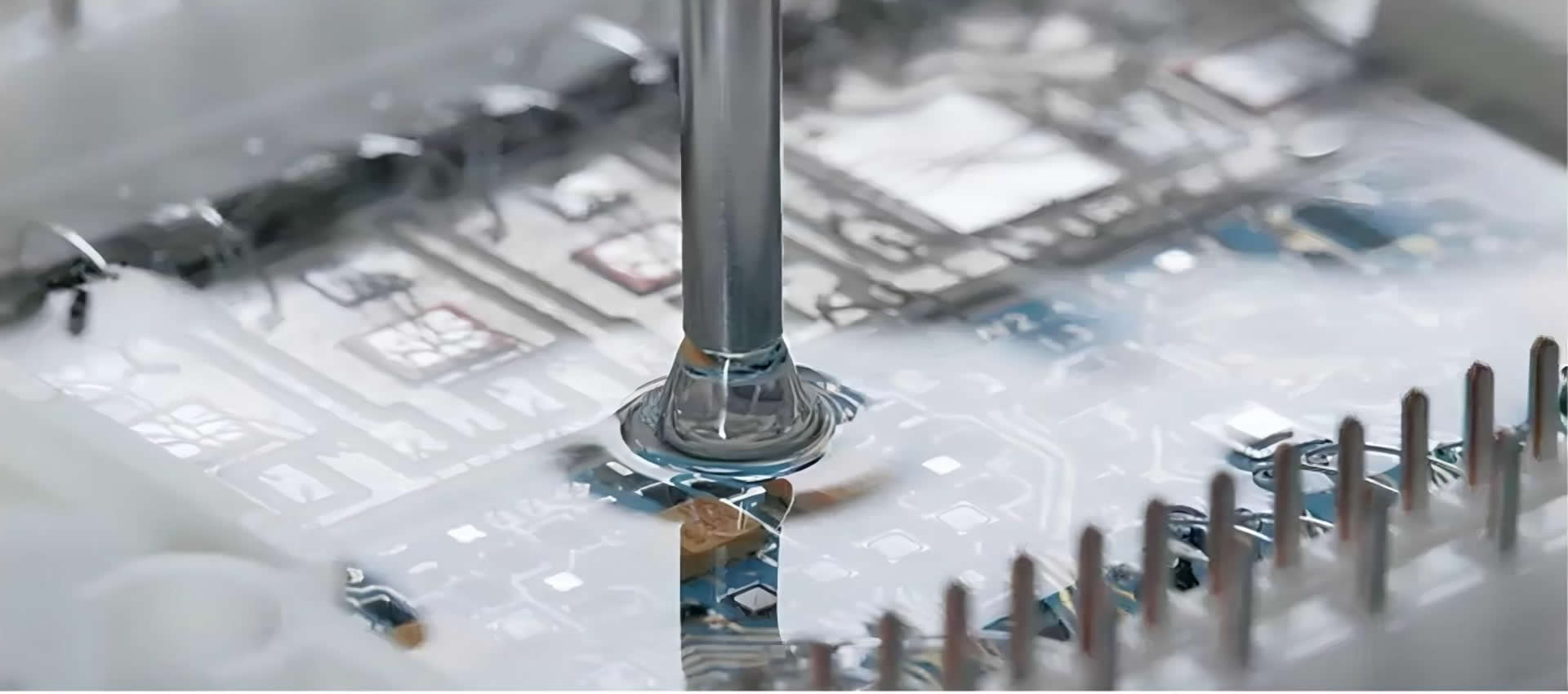
Moisture and Contamination:Exposure to moisture or airborne contaminants can prematurely affect the fluid’s reactivity or introduce particulates that lead to defects in the final cured product. For instance, in precision applications like electronics potting, even minor contamination can cause clogging or inconsistent curing.
Inadequate Shelf Life Management:These fluids have a defined shelf life. Using material beyond this period risks reduced efficacy, as the vinyl functional groups may degrade, leading to incomplete crosslinking. Biyuan’s Vinyl Terminated Silicone Fluids are supplied with clear specifications and a defined shelf life, and the company emphasizes the importance of using the FIFO (first-in, first-out) inventory method.
2. Imprecise Mixing Ratios and Inadequate Catalysis
The performance of addition-cure silicones is critically dependent on the precise balance of components.
Deviating from Specified Ratios:A common mistake is the inaccurate measurement of the silicone fluid (Part A) and the catalyst (Part B). Even small deviations from the specified mixing ratio, typically 1:1 or 10:1 by weight, can drastically alter the cure profile and final material properties. Insufficient catalyst leads to a tacky, under-cured material, while an excess can cause overly rapid curing, trapping air bubbles and reducing tear strength.
Using Inactive or Contaminated Catalyst:The platinum catalyst is essential for the addition reaction. If it is deactivated by contaminants like sulfur, amines, or certain solvents, the curing reaction will be inhibited. Biyuan ensures the high purity of its fluids and provides technical support to help clients maintain a clean production environment, safeguarding the catalysis process.
3. Neglecting Proper Deaeration and Substrate Preparation
The quality of the final product is heavily influenced by preparation steps that are often rushed or overlooked.
Skipping Vacuum Deaeration:After mixing, the fluid-catalyst blend often contains entrapped air. Failing to remove this air in a vacuum chamberresults in micro-bubbles within the cured silicone, compromising its mechanical strength, aesthetic appearance, and performance in seals or optical applications. While manual brushing can minimize bubbles for thin layers, vacuum deaeration is the only reliable method for bulk material.
Inadequate Substrate Cleaning:The surface of the original part must be perfectly clean, dry, and free of oils, fats, and dust. Any contamination on the substrate can create a weak boundary layer, leading to poor adhesion when the silicone is used as a coating or adhesive. Biyuan recommends that partners always clean substrates with a solvent like isopropyl alcohol and ensure they are free of condensation before application.
4. Improper Control of Curing Parameters
Curing is not merely a chemical reaction; it’s a process that must be managed.
Ignoring Temperature and Humidity Effects:The curing processis temperature-sensitive. At room temperature (22-24°C), it may take up to 24 hours. While heat can accelerate curing (e.g., 60 minutes at 80°C), applying excessive heat too quickly can cause thermal stress or uneven curing. High ambient humidity can also interfere with the platinum catalyst or alter the pot life of the mixture.
Handling Thick Sections Incorrectly:Curing thick sections of silicone presents a challenge. The exterior may cure rapidly while the interior remains soft due to heat buildup. Prolonged application of vacuum can also remove volatile components, leading to poor thick section cure. Biyuan’s technical team advises on optimal curing cycles for different cross-section thicknesses to achieve uniform properties throughout the material.
5. Selecting the Wrong Fluid Grade for the Application
Not all Vinyl Terminated Silicone Fluids are identical, and using an inappropriate grade is a fundamental error.
Mismatching Viscosity and Hardness:These fluids are available in various viscosities and lead to cured rubbers with different Shore A hardnessvalues, from very soft (00-10) to firmer (30-40). Selecting a fluid that results in a hard rubber for an application requiring high flexibility, or vice versa, will lead to product failure. Biyuan offers a range of fluids, allowing partners to select the precise grade that meets the tensile strengthand elongationrequirements (e.g., up to ≥800% elongation) of their specific application, whether it’s a soft gel or a tough seal.
Biyuan: Your Partner in Optimizing Vinyl Terminated Silicone Fluid Applications
Biyuan distinguishes itself as more than just a Vinyl Terminated Silicone Fluid factory. By leveraging high-quality raw materials and adhering to stringent international standards such as FDA, REACH, RoHS, and MSDS, Biyuan guarantees a product that is consistent and reliable. The company’s focus on innovation and technical support provides clients with the expertise needed to avoid these common pitfalls, ensuring that the exceptional properties of Vinyl Terminated Silicone Fluids—such as superior waterproofing, weather resistance, and wide-temperature flexibility—are fully realized in your end products. Partnering with a knowledgeable supplier like Biyuan is a critical step in overcoming the challenges of working with advanced silicone materials.
In the precision-driven field of silicone material science, the journey from raw chemical components to a finished high-performance elastomer is fundamentally a story of molecular design. For formulators creating addition-cure systems—from biomedical gels and flexible adhesives to industrial seals and high-temperature composites—the selection of the primar.
Optimizing Performance: Key Additives for Vinyl Terminated Silicone Fluid Formulations
Introduction
Vinyl Terminated Silicone Fluid represents a cornerstone material in advanced silicone products, offering exceptional flexibility, thermal stability, and reactivity for diverse industrial applications. As a reactive polymer featuring vinyl groups at .
Vinyl terminated silicone fluid, a versatile material widely used in industries like electronics, automotive, and construction, requires rigorous shelf-life testing to guarantee stability and performance over time. Proper testing methods not only validate product durability but also align with global quality standards, ensuring compliance and customer trus.
Understanding the Critical Role of Vinyl Terminated Silicone Fluid in High-Temperature Vulcanized (HTV) Silicone
High-temperature vulcanized (HTV) silicone rubber is a cornerstone material in industries ranging from aerospace to medical devices, prized for its thermal stability and durability. At the heart of its performance lies vinyl terminated sili.
Understanding Vinyl Terminated Silicone Fluid
Vinyl Terminated Silicone Fluid (VT-SF) is a specialized organosilicon compound featuring reactive vinyl groups (-CH=CH₂) at both ends of the polydimethylsiloxane molecular chain. This unique chemical structure provides exceptional versatility while raising important questions about its safety profile. As a .
Strategies to Prevent Air Bubbles in Vinyl Terminated Silicone Fluid Applications
Vinyl Terminated Silicone Fluid is a critical component in high-performance sealants, mold-making, and electronic encapsulation due to its unique reactive vinyl groups that enable platinum-catalyzed addition curing. However, air bubbles during its application can compromis.
When procuring vinyl-terminated silicone fluids for industrial applications, understanding payment terms is critical to maintaining cash flow efficiency and fostering strong supplier relationships. These specialized lubricants, widely used in automotive, electronics, and medical industries, often involve high-value transactions, making clear financial ag.
How Vinyl Terminated Silicone Fluid Distinguishes Itself in Industrial Applications
Silicone fluids are indispensable in modern industries, but not all are created equal. Among them, vinyl-terminated silicone fluid (VTMSF) stands out due to its unique chemical structure and functional versatility. This article explores how VTMSF diverges from other s.
Vinyl Terminated Silicone Fluid has become an indispensable material across industries from aerospace to medical devices, prized for its thermal stability, flexibility, and reactivity. However, viscosity changes during production, storage, or application can significantly impact performance and processing efficiency. Understanding how to prevent and addres.
A Comprehensive Analysis
Understanding Vinyl Terminated Silicone Fluid
Vinyl Terminated Silicone Fluid represents a specialized category of silicone polymers characterized by vinyl groups (-CH=CH₂) at the molecular chain terminals. This unique chemical structure enhances its reactivity, making it particularly valuable for various industrial applicati.
Vinyl Terminated Silicone Fluid (VTMSF) is a cornerstone material in industries ranging from electronics to healthcare, but its formulation and performance vary significantly between industrial and medical applications. Understanding these distinctions is critical for selecting the right grade to meet safety, regulatory, and functional requirements. Below,.
Health Hazards of Vinyl Terminated Silicone Fluid: A Comprehensive Safety Analysis
Vinyl Terminated Silicone Fluid (VT-SF) has become an essential material across numerous industries due to its unique thermal stability, chemical resistance, and versatile application properties. However, understanding its potential health hazards is critical for ensuring.
Vinyl Terminated Silicone Fluids are indispensable in industries requiring materials with exceptional flexibility, thermal stability, and crosslinking capabilities. Whether you need adjustments to viscosity for specific processing requirements or enhanced purity for sensitive applications, understanding how these parameters impact performance is critical. .
When sourcing high-performance materials like Vinyl Terminated Silicone Fluid, ensuring quality through sample testing is critical. Bulk purchases demand rigorous verification to avoid costly errors. Below, we outline a streamlined process for requesting samples, evaluating quality, and leveraging trusted suppliers like Biyuan for seamless procurement.
.
Signs of Degraded Vinyl Terminated Silicone Fluid and How to Address Them
Vinyl Terminated Silicone Fluid is a critical material in industries ranging from medical devices to automotive manufacturing, prized for its thermal stability, flexibility, and chemical resistance. However, degradation can compromise its performance, leading to equipment failure.
In the highly regulated and technologically advanced medical device industry, the selection of materials is not merely a matter of performance but a critical determinant of product safety, reliability, and compliance. From implantable devices and wearable sensors to diagnostic equipment and drug delivery systems, medical devices demand materials that meet .
Enhancing Adhesion of Vinyl Terminated Silicone Fluid to Substrates: Strategies and Solutions
Vinyl Terminated Silicone Fluid is a cornerstone material in industries ranging from medical devices to electronics, thanks to its flexibility, thermal stability, and biocompatibility. However, a persistent challenge faced by engineers and manufacturers is ach.
Vinyl Terminated Fluids: The Secret Sauce in High-Performance Silicone Products
So, you’ve heard the term “Vinyl Terminated Fluid” buzzing around in silicone labs and factories. But what is it, really? And why is it such a game-changer? Let’s break it down—no PhD required.
The Basics: What Vinyl Terminated Fluids Actually Are
Vinyl T.
In the rapidly evolving new energy vehicle (NEV) industry, component manufacturers face unprecedented demands for performance, durability, and reliability. From battery systems and power electronics to sealing solutions and thermal management, the materials used in NEV components must meet stringent standards under extreme conditions. Among these advanced .
In the highly competitive and innovation-driven daily chemical industry, processing plants are constantly seeking advanced raw materials to enhance product quality, improve processing efficiency, and meet evolving consumer demands for performance, safety, and sustainability. Among various functional additives, silicone-based materials have gained significa.
The global shift toward sustainable manufacturing has triggered a material science revolution, with vinyl terminated silicone fluid (VT silicone fluid) emerging as a environmentally preferable alternative to traditional fluorosilicones. This transition represents more than mere substitution—it reflects a fundamental rethinking of how industrial materials b.
Strategic Investments in Vinyl Terminated Silicone Fluid for Next-Generation AI Hardware Cooling
The Emerging Frontier in AI Thermal Management
As artificial intelligence continues to push computational boundaries, thermal management has evolved from a supporting role to a critical performance factor. The exponential growth in AI processing power has.
Introduction to Vinyl Terminated Silicone Fluid
Vinyl Terminated Silicone Fluid, also known as vinyl-terminated polydimethylsiloxane, represents a specialized category of silicone oils characterized by reactive vinyl groups at both molecular ends. This unique chemical structure, with the formula CH₂=CH-Si(CH₃)₂O[(CH₃)₂SiO]ₙ(CH₃)₂Si-CH=CH₂, enables these.
Sustainable Manufacturing of Vinyl Terminated Silicone Fluid: Eco-Friendly Production Processes
Vinyl terminated silicone fluid (VT-SF), also known as vinyl-terminated polydimethylsiloxane, represents a specialized category of organosilicon compounds featuring reactive vinyl groups (-CH=CH₂) at both molecular terminals. This unique chemical structure pr.
The Critical Role of pH Resistance in Vinyl Terminated Silicone Fluid for Industrial Applications
Vinyl Terminated Silicone Fluid (VT-SF) represents a specialized category of organosilicon compounds that have revolutionized multiple industrial sectors due to their exceptional chemical stability and versatility. This advanced material features reactive v.
Revolutionizing 5G Infrastructure with High-Performance Vinyl-Terminated Silicone Fluids
The rapid evolution of 5G communication demands materials that can withstand extreme conditions while maintaining performance reliability. Among these, vinyl-terminated silicone fluids (CAS 68083-19-2) have emerged as a game-changing solution, offering unparallel.
The Silent Performers: How Vinyl Terminated Silicones Redefine Material Excellence
In the world of specialty chemicals, few materials strike the perfect balance between stability and reactivity quite like vinyl-terminated silicones. These fluids—often unsung heroes in industrial applications—leverage their unique molecular architecture to solve problems.
Solving Volatility Challenges in Medical Device Manufacturing: The Rise of Advanced Vinyl-Terminated Silicone Fluids
For medical device engineers and manufacturers, selecting materials that balance performance, safety, and regulatory compliance is a constant balancing act. Among the critical considerations? Volatility. High-volatility silicones can com.
Enhancing 3D Printing Filament Flexibility: The Role of Vinyl-Terminated Silicone Fluids
For 3D printing enthusiasts and professionals, achieving the perfect balance between durability, detail, and flexibility in printed parts remains a persistent challenge. Traditional thermoplastic filaments—especially flexible materials like TPU or TPE—often face iss.
Vinyl Terminated Silicone Fluid: Revolutionizing Flexible Solar Panel Performance
The global transition toward renewable energy has accelerated demand for solar technologies that combine high efficiency with exceptional durability. Among the advanced materials enabling this transformation, vinyl terminated silicone fluid has emerged as a critical compon.
Vinyl Terminated Silicone Fluid: Advancing Wind Turbine Performance and Reliability
The global transition toward renewable energy has intensified the demand for advanced materials that enhance the efficiency and durability of clean energy technologies. Among these, vinyl terminated silicone fluid has emerged as a critical component in wind energy applic.
Vinyl Terminated Silicone Fluid: Ensuring Signal Integrity in Next-Generation 5G Infrastructure
The rapid global deployment of 5G networks represents a transformative leap in communication technology, enabling unprecedented data speeds, ultra-low latency, and massive device connectivity. However, this technological advancement comes with significant mat.
Advancements in Biocompatible Materials: High-Purity Vinyl Terminated Silicone Fluid for Next-Generation Medical Implants
In the realm of medical device innovation, the demand for materials that balance biocompatibility, durability, and functional versatility has never been greater—especially for implantable devices designed to integrate with the human.
Vinyl terminated silicone fluid (ViPDMS) represents a specialized class of organosilicon compounds characterized by reactive vinyl groups (-CH=CH₂) at both ends of the polydimethylsiloxane molecular chain. This unique chemical structure, with the formula CH₂=CH-Si(CH₃)₂O[(CH₃)₂SiO]ₙ(CH₃)₂Si-CH=CH₂, provides exceptional versatility across industrial applica.
Vinyl Terminated Silicone Fluid: Engineering Weather-Defying Construction Sealants
In the face of escalating climate challenges, the construction industry is turning to advanced material science to enhance building resilience. At the forefront of this innovation are specialty silicone-based sealants, with vinyl terminated silicone fluid playing a pivota.
Nanotechnology-Enhanced Vinyl Terminated Silicone Fluid: Revolutionizing Anti-Corrosion Protection
Introduction to a New Era in Corrosion Prevention
The integration of nanotechnology with vinyl terminated silicone fluid represents a groundbreaking advancement in anti-corrosion technology. This innovative combination leverages the unique properties of.
The electronics industry is increasingly adopting vinyl terminated silicone fluid as a cornerstone material for protecting sensitive components from moisture, dust, and environmental stress. This specialized polymer has become indispensable for waterproof encapsulation solutions thanks to its unique combination of electrical and mechanical properties tha.
Vinyl Terminated Silicone Fluid: Navigating EU REACH Compliance for Global Market Access
Understanding Vinyl Terminated Silicone Fluid
Vinyl terminated silicone fluid, also known as vinyl-terminated polydimethylsiloxane (Vi-PDMS), is a specialized organosilicone compound featuring reactive vinyl groups (-CH=CH₂) at both ends of the polymer chain. Thi.
Asia-Pacific Drives Global Silicone Fluid Market: An In-Depth Look at China’s Manufacturing Surge
The Asia-Pacific regionhas emerged as the dominant force in the global vinyl terminated silicone fluid market, with China’s manufacturing prowess serving as the primary catalyst. This versatile material, characterized by its reactive vinyl end g.
Tackling Industrial Coating Emissions: Why Vinyl-Terminated Silicone Fluids Are the Sustainable Choice
In industrial coatings, balancing performance with environmental responsibility has never been more critical. As global regulations tighten on volatile organic compound (VOC) emissions—linked to air pollution and health risks—formulators are scrambling.
Vinyl termified silicone fluids represent a specialized class of medical-grade materials engineered for advanced healthcare applications. These reactive fluids feature terminal vinyl groups that enable precise molecular customization and controlled crosslinking capabilities, making them ideal for developing implantable devices, drug delivery systems, and d.
Vinyl silicone fluid is revolutionizing cosmetic and personal care formulations through its unique reactive properties and sensory enhancement capabilities. This functional silicone material features terminal vinyl groups that enable customizable cross-linking while maintaining the characteristic smoothness of silicone-based ingredients.
Vinyl sili.
Vinyl silicone fluid, as a core functional silicone product, demonstrates exceptional versatility and reliability in the industrial additives sector. Its unique molecular structure combines the flexibility of a siloxane backbone with the reactivity of terminal vinyl groups, delivering customized solutions for various industrial applications.
In polymer .
Vinyl terminated fluid is emerging as a transformative additive in textile and leather manufacturing, offering a unique combination of processing enhancement and performance optimization. This reactive silicone fluid leverages its terminal vinyl groups to create durable molecular bridges with fibers and leather substrates, delivering lasting functional ben.

Contact Us
We're here to help with any questions or inquiries you may have
Contact Information
Address
No. 116, Jiangdong Street, Yiwu City, Jinhua City, Zhejiang Province,China