
Vinyl Terminated Silicone Fluid factory
Vinyl Terminated Silicone Fluid
Everything you need to know about our products and company
In the world of specialized silicone materials, viscosity stands as a critical parameter that directly influences performance across countless industrial applications. Vinyl terminated silicone fluid (VTMSF) has emerged as a cornerstone material in industries ranging from aerospace to medical devices, but its effectiveness hinges on selecting the appropriate viscosity grade for each specific use case. This comprehensive guide explores the technical considerations, application requirements, and performance characteristics that dictate optimal viscosity selection for these versatile functional fluids.
Vinyl terminated silicone fluids are categorized by viscosity into distinct classes, each serving specific industrial needs. The viscosity spectrum spans from thin, watery consistencies to thick, paste-like formulations, measured in centistokes (cSt) at standard temperature conditions of 25°C .
The classification system typically includes:
The viscosity of vinyl terminated silicone fluid is not merely a physical characteristic but a determinant of functional performance. Higher viscosity grades generally correlate with improved mechanical properties, including tensile strength, tear resistance, and durability under mechanical stress . This relationship becomes particularly important in applications where the silicone product will face continuous stress or extreme environmental conditions.
The molecular architecture of VTMSF features reactive vinyl groups (-CH=CH₂) at both terminals of the polydimethylsiloxane chain, which enables cross-linking with other resins or curing agents . The viscosity directly influences this reactivity, as lower viscosity fluids typically have shorter polymer chains and higher mobility, potentially leading to faster reaction kinetics in certain curing systems.
Interestingly, an inverse relationship exists between viscosity and vinyl content in these fluids. Technical data reveals that as viscosity increases from 100 cSt to 100,000 cSt, the vinyl content decreases from approximately 1.0-1.2% to 0.05-0.08% . This correlation must be considered when formulating products with specific cross-linking density requirements.
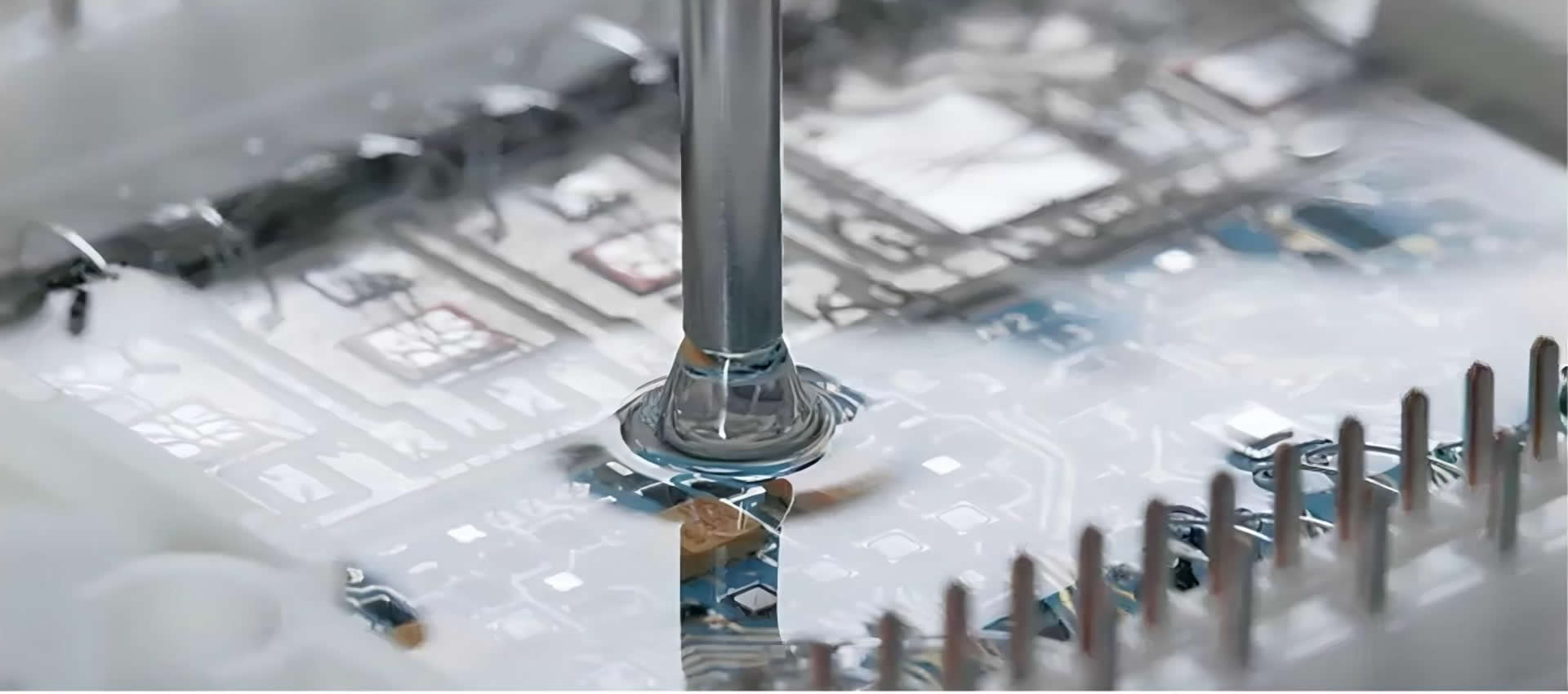
In electronic encapsulation and potting applications, medium to high viscosity fluids (5,000-60,000 cSt) are preferred for their ability to protect sensitive components from moisture, dust, and thermal stress without flowing away from targeted areas. Research demonstrates that increasing vinyl silicone oil viscosity enhances the mechanical properties of liquid silicone rubber, a critical factor for high-voltage power cable accessories that demand exceptional reliability . The fluid’s superior dielectric strength and thermal stability ensure reliable performance in high-frequency applications such as LED lighting and circuit board manufacturing .
The aerospace industry demands materials that perform under extreme conditions, with vinyl terminated silicone fluid serving as a base for heat-resistant coatings that protect components experiencing temperatures from -55°C to 300°C, with short-term exposure up to 350°C . Higher viscosity fluids (20,000-60,000 cSt) are typically selected for coating applications on engine components and thermal protection systems, where they provide the necessary film thickness to withstand blistering heat, rapid temperature fluctuations, and chemical exposure .
In the automotive sector, these fluids contribute to durable coatings, lubricants, and structural adhesives for engine components, electrical systems, and exterior finishes. The viscosity selection must align with application methods—spraying requires lower viscosity fluids than brush application—while maintaining protective properties under hood temperatures that can exceed 200°C .
The construction industry leverages medium to high viscosity VTMSF (5,000-15,000 cSt) in high-performance sealants and adhesives for architectural elements such as aluminum-glass facades, curtain walls, and expansion joints . These formulations must cure at room temperature while maintaining flexibility in large-scale projects requiring weatherproofing and structural integrity.
Industrial manufacturing applications include mold-release agents, lubricants, and protective coatings where viscosity dictates application characteristics and performance. Higher viscosity fluids provide thicker protective barriers suitable for high-temperature molding processes, while medium viscosity options offer optimal penetration in lubrication applications .
In medical applications, low to medium viscosity fluids (100-3,000 cSt) are preferred for their biocompatibility and minimal irritation risks. They serve as base materials for medical-grade adhesives, implantable devices, surgical sealants, and drug-delivery systems where precise application and patient safety are paramount .
The cosmetics and personal care industry utilizes these fluids in formulations ranging from anti-aging serums to foundations, where viscosity affects sensory characteristics like spreadability and texture. Low viscosity grades (<500 cSt) enhance spreadability while maintaining film-forming capabilities, creating the natural, non-greasy finish consumers expect .
Selecting the appropriate viscosity extends beyond final performance requirements to encompass processing parameters. Manufacturing methods impose specific viscosity constraints that must be addressed during material selection .
High-viscosity fluids (20,000+ cSt) often require specialized equipment for mixing and application, sometimes needing heat activation to achieve uniform dispersion. In contrast, lower viscosity fluids may necessitate thickening agents to prevent sagging or running on vertical surfaces. Manufacturers commonly adjust viscosity using thickeners such as fumed silica or diluents including solvents and lower viscosity silicone fluids .
The processing method dictates specific viscosity ranges:
The production of vinyl terminated silicone fluid with consistent viscosity properties requires rigorous quality control measures throughout manufacturing. Advanced purification techniques like thin-film evaporation remove volatile components that could affect viscosity stability, while multi-stage filtration eliminates particulates that might disrupt application processes .
Industry certifications provide assurance of viscosity consistency and overall quality. Reputable manufacturers adhere to international standards including ISO 9001 for quality management systems, IATF 16949 for automotive applications, FDA regulations for food-contact scenarios, and USP Class VI protocols for medical-grade materials .
Viscosity stability under various environmental conditions represents another critical consideration. Premium-grade VTMSF maintains its viscosity characteristics across a wide temperature range (-50°C to 300°C), ensuring consistent performance in applications experiencing thermal cycling .
The global market for vinyl terminated silicone fluid continues to expand, with projections estimating growth to approximately $3.2 billion by 2030 . This expansion is driven by increasing adoption across diverse sectors including electronics, automotive, healthcare, and renewable energy.
Emerging applications in wind turbine manufacturing, flexible solar panels, and 5G communication infrastructure are creating new viscosity requirements. For instance, the wind energy sector utilizes specialized VTMSF formulations for blade protection and component lubrication, where viscosity stability under extreme weather conditions is essential .
The trend toward miniaturization in electronics creates demand for lower viscosity fluids that can penetrate increasingly small spaces, while simultaneously requiring higher purity levels to prevent component damage. This dichotomy challenges manufacturers to develop innovative solutions that balance conflicting requirements .
As industries increasingly rely on vinyl terminated silicone fluids for critical applications, partnering with a knowledgeable supplier becomes essential for optimal viscosity selection. Biyuan has established itself as a leader in silicone technology, offering tailored VTMSF solutions with precise viscosity control for specialized applications .
Biyuan’s technical expertise enables custom formulation of viscosity characteristics to match specific processing and performance requirements. Their product range spans the entire viscosity spectrum, from low-viscosity diluents to ultra-high viscosity grades for structural applications, all manufactured with consistent batch-to-batch uniformity .
The company’s commitment to research and development has yielded innovations in viscosity modification, including specialized grades that maintain optimal flow characteristics under extreme temperatures. This capability is particularly valuable for aerospace and automotive applications where thermal stability is non-negotiable .
Biyuan’s quality assurance protocols include rigorous viscosity testing to ensure products meet precise specifications, supported by advanced manufacturing capabilities that maintain tolerance levels within narrow parameters. This attention to detail ensures that customers receive materials that perform consistently in their specific applications .
With certifications spanning FDA, ISO, and REACH standards, Biyuan demonstrates commitment to quality and safety that gives customers confidence in their viscosity recommendations. Their technical team works collaboratively with clients to analyze application requirements and suggest optimal viscosity grades that balance performance, processability, and cost considerations .
Viscosity selection represents a critical decision point in leveraging the full potential of vinyl terminated silicone fluids across industrial applications. By understanding the relationship between viscosity and performance, considering application-specific requirements, and accounting for processing parameters, manufacturers can optimize material selection for enhanced product performance. As new applications continue to emerge in fields ranging from flexible electronics to renewable energy, the importance of precise viscosity matching will only increase, making partnerships with technical experts like Biyuan increasingly valuable for innovation-driven organizations.
Our most popular products loved by customers worldwide
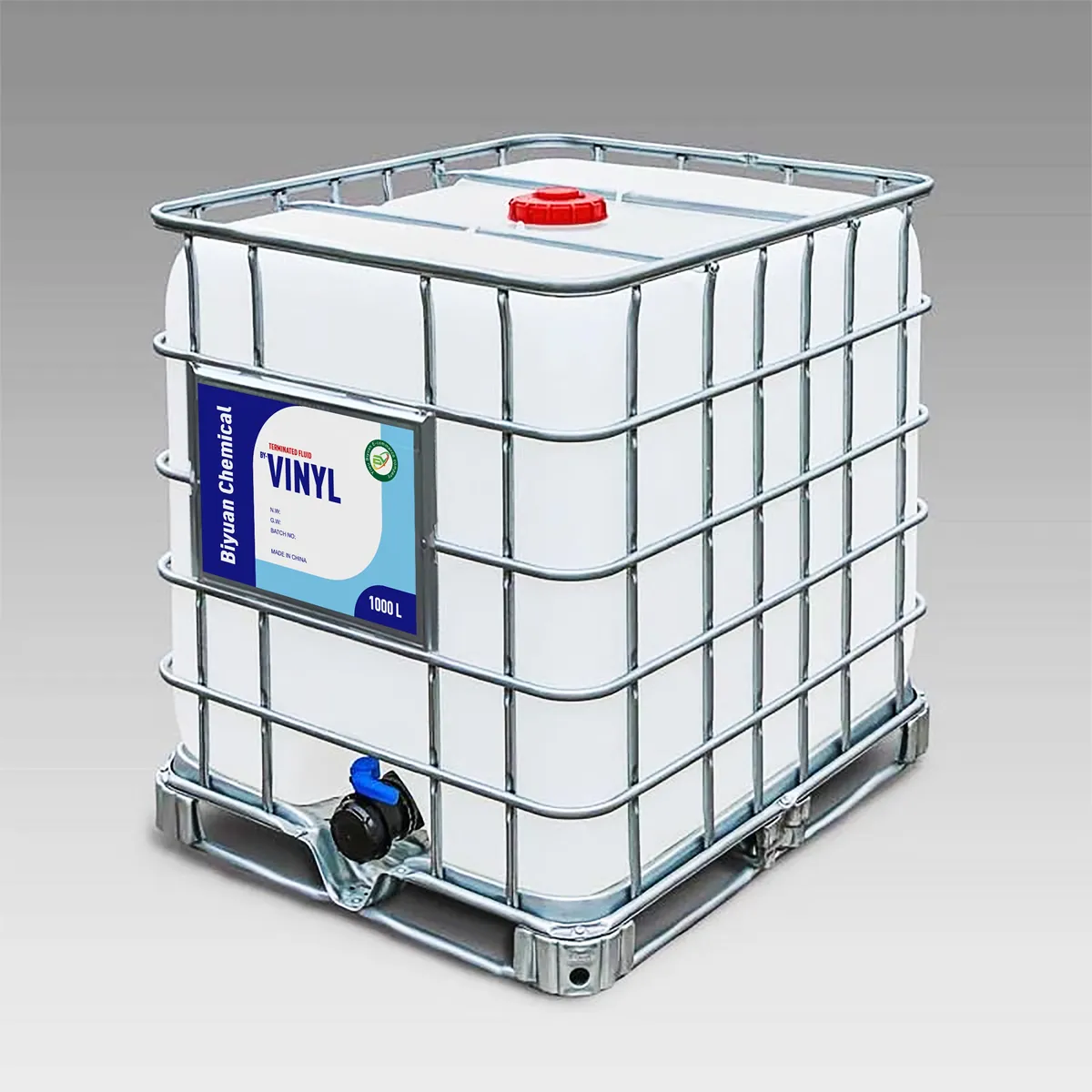
Vinyl termified silicone fluids represent a specialized class of medical-grade materials engineered for advanced healthcare applications. These reactive fluids feature terminal vinyl groups that enable precise molecular customization and controlled crosslinking capabilities, making them ideal for developing implantable devices, drug delivery systems, and d.
Vinyl silicone fluid is revolutionizing cosmetic and personal care formulations through its unique reactive properties and sensory enhancement capabilities. This functional silicone material features terminal vinyl groups that enable customizable cross-linking while maintaining the characteristic smoothness of silicone-based ingredients. Vinyl sili.
Vinyl silicone fluid, as a core functional silicone product, demonstrates exceptional versatility and reliability in the industrial additives sector. Its unique molecular structure combines the flexibility of a siloxane backbone with the reactivity of terminal vinyl groups, delivering customized solutions for various industrial applications. In polymer .
Vinyl terminated fluid is emerging as a transformative additive in textile and leather manufacturing, offering a unique combination of processing enhancement and performance optimization. This reactive silicone fluid leverages its terminal vinyl groups to create durable molecular bridges with fibers and leather substrates, delivering lasting functional ben.