Everything you need to know about our products and company
The Silent Performers: How Vinyl Terminated Silicones Redefine Material Excellence
In the world of specialty chemicals, few materials strike the perfect balance between stability and reactivity quite like vinyl-terminated silicones. These fluids—often unsung heroes in industrial applications—leverage their unique molecular architecture to solve problems that conventional silicones can’t touch. Here’s why they’re becoming indispensable.
1. The Low Volatility Advantage
Vinyl-terminated polydimethylsiloxanes (e.g., CAS 68083-19-2) are engineered for exceptional thermal resilience. Unlike standard silicones, they resist evaporation and degradation even at extreme temperatures (-50°C to +250°C). This stability stems from their high molecular weight and linear chain structure, which minimizes vapor pressure. In applications like aerospace seals or automotive gaskets, this translates to:
Longer service life without degradation-induced leaks
Reduced maintenance costs from fewer replacements
Consistent performance in thermal cycling environments
2. High Purity: Where Every Molecule Matters
These fluids are synthesized under stringent conditions to achieve ultra-low impurity levels. Residual catalysts or by-products? Virtually absent. This makes them ideal for sensitive industries:
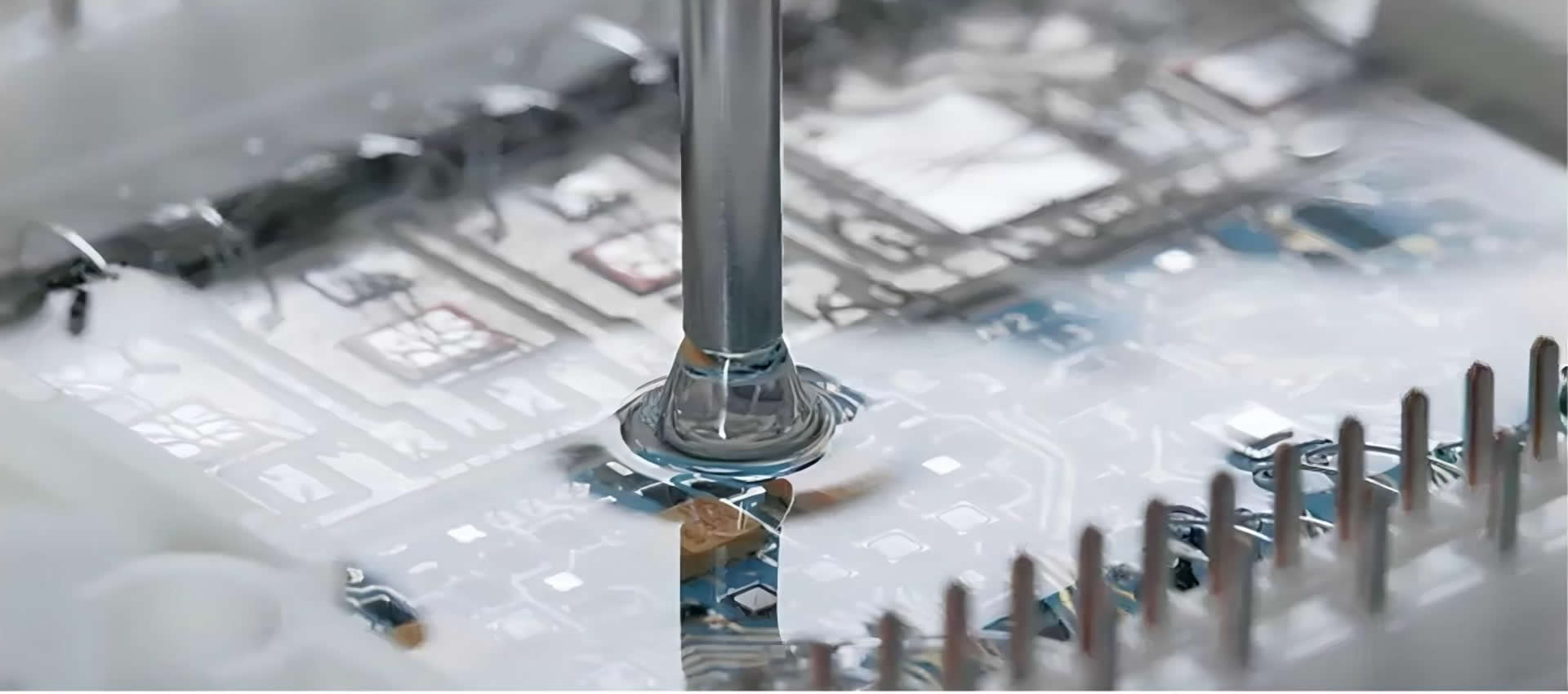
Electronics encapsulation: Protects microchips without ionic contaminants that cause corrosion.
Medical devices: Biocompatible and non-leaching, ensuring no interference with biological systems.
Pharmaceutical manufacturing: Meets FDA-grade requirements for drug-delivery systems.
The terminal vinyl groups (–CH=CH₂) aren’t just decorative; they’re functional handles for tailored cross-linking. When combined with platinum catalysts, they enable:
Rapid, controllable curing for silicone rubbers (LSR, RTV-2K).
Customizable hardness and elasticity—from gel-like softness (e.g., 6 cSt) to rigid forms (165,000 cP).
Zero volatile by-products during curing, unlike peroxide-based systems.
4. Unmatched Compatibility
Vinyl-terminated silicones play well with almost everything:
Adhesion promoters: Bond to metals, plastics, and ceramics without primers.
Fillers and additives: Easily blended with silica, pigments, or flame retardants.
Organic polymers: Modify epoxy or acrylic resins to enhance flexibility.
5. Real-World Applications: Beyond Theory
Renewable Energy: Sealants for solar panels resisting UV and thermal stress.
EV Batteries: Encapsulants protecting battery cells from thermal runaway.
Wearable Tech: Stretchable sensors with stable electrical properties.
Industrial Molds: Non-stick surfaces for high-detail replication (e.g., composites, ceramics).
6. The Customization Edge
With viscosities spanning 6 cSt to 165,000 cP and vinyl content ranging from 0.015–3.00 mmol/g, formulators can dial in exact properties:
Low-viscosity versions (≤50 cSt) for thin coatings.
High-vinyl variants for dense cross-linking in tough elastomers.
In simple terms? Vinyl-terminated silicones are like the “quiet professionals” of materials science. They won’t evaporate when things heat up, won’t contaminate your high-stakes applications, and adapt to almost any job—whether it’s saving a satellite from cosmic radiation or keeping your smartwatch scratch-free. That’s low volatility and high purity in action.
A Comprehensive Safety Guide
Understanding the Flammability Profile of Vinyl Terminated Silicone Fluid
When evaluating chemical materials for industrial applications, flammability is a critical safety consideration. Vinyl Terminated Silicone Fluid demonstrates remarkable fire resistance properties that set it apart from many other industrial chemical.
How Vinyl Terminated Silicone Fluid Achieves Minimal By-Products in Production
The production of vinyl terminated silicone fluid (VTMS) is a cornerstone of modern silicone chemistry, with applications spanning electronics, construction, and advanced materials. A critical question for manufacturers and R&D teams revolves around by-product manageme.
Understanding Thermal Stability of Vinyl-Terminated Silicone Fluids
Vinyl-terminated silicone fluids are critical materials in industries ranging from aerospace to electronics, valued for their thermal resilience and chemical inertness. A common concern among engineers and manufacturers is their thermal degradation threshold—specifically, the temperatu.
Vinyl Terminated Silicone Fluid has become an indispensable material across industries from aerospace to medical devices, prized for its thermal stability, flexibility, and reactivity. However, viscosity changes during production, storage, or application can significantly impact performance and processing efficiency. Understanding how to prevent and addres.
How to Determine the Volatility Profile of Vinyl-Terminated Silicone Fluids
Vinyl-terminated silicone fluids are critical components in industries ranging from coatings and adhesives to cosmetics and electronics. Their volatility directly impacts product stability, application performance, and long-term durability. Accurately measuring this property re.
In the sophisticated engineering of silicone materials, achieving predictable, high-performance outcomes requires building blocks with precise molecular functionality. For developers of liquid silicone rubbers (LSR), high-consistency rubbers (HCR), gels, adhesives, and specialty coatings, the primary vinyl-functional polymer is not merely an ingredient; it.
In the precision-driven field of silicone material science, the journey from raw chemical components to a finished high-performance elastomer is fundamentally a story of molecular design. For formulators creating addition-cure systems—from biomedical gels and flexible adhesives to industrial seals and high-temperature composites—the selection of the primar.
Vinyl Terminated Fluids: The Secret Sauce in High-Performance Silicone Products
So, you’ve heard the term “Vinyl Terminated Fluid” buzzing around in silicone labs and factories. But what is it, really? And why is it such a game-changer? Let’s break it down—no PhD required.
The Basics: What Vinyl Terminated Fluids Actually Are
Vinyl T.
Global Reach, Local Expertise: Biyuan’s Vinyl Terminated Silicone Fluid Powers Industries Worldwide
In the specialized world of specialty chemicals, the reach of a supplier’s distribution network is a direct reflection of their product quality and market understanding. As a leading Vinyl Terminated Silicone Fluid factory, Biyuan has strateg.
Handling Spillage of Vinyl Terminated Silicone Fluid: A Comprehensive Guide
Understanding Vinyl Terminated Silicone Fluid
Vinyl Terminated Silicone Fluid is a specialized organosilicone compound characterized by reactive vinyl groups at the molecular chain ends. This unique chemical structure enables exceptional cross-linking capabilities, making it .
Understanding the CAS Number of Vinyl Terminated Silicone Fluid
Vinyl terminated silicone fluid, a cornerstone in industrial and commercial applications, is identified by its unique chemical structure and reactive properties. For professionals seeking precise technical data or procurement guidance, understanding its CAS number and functional characteri.
Vinyl terminated silicone fluid is a versatile material widely used in industries ranging from electronics to automotive manufacturing. Its unique properties—such as thermal stability, chemical resistance, and excellent adhesion—make it indispensable for applications like sealing, lubrication, and protective coatings. If you’re searching for reliable suppl.
Essential Certifications for Vinyl Terminated Silicone Fluid Production
Vinyl Terminated Silicone Fluids are critical components in industries ranging from medical devices to industrial lubrication. To ensure product safety, regulatory compliance, and performance reliability, manufacturers must adhere to stringent quality certifications. Below is a com.
Crafting Pharmaceutical-Grade Vinyl-Terminated Silicone Fluids: A Technical Breakdown
The production of vinyl-terminated silicone fluid demands meticulous control over molecular architecture to achieve the desired balance of flexibility, thermal stability, and biocompatibility. This advanced material, widely used in medical coatings, wearable electro.
In the world of specialty silicone materials, making the right raw material choice can define the success of your final product. For manufacturers and formulators seeking to develop next-generation solutions in electronics, automotive, renewable energy, and beyond, the selection of a reliable, high-performance silicone base is critical. BY-Vinyl Silicone F.
Enhancing Adhesion of Vinyl Terminated Silicone Fluid to Substrates: Strategies and Solutions
Vinyl Terminated Silicone Fluid is a cornerstone material in industries ranging from medical devices to electronics, thanks to its flexibility, thermal stability, and biocompatibility. However, a persistent challenge faced by engineers and manufacturers is ach.
What Makes Vinyl Terminated Silicone Fluid a “Reactive” Choice in Industrial Applications?
In the realm of specialty chemicals, vinyl terminated silicone fluid stands out for its unique chemical structure and versatility. But what exactly defines its “reactivity,” and why is this property so critical for industrial applicatio.
Understanding the Key Differences Between Synthesized and Distilled Vinyl Terminated Silicone Fluids
Vinyl Terminated Silicone Fluids are indispensable in industries ranging from electronics to construction, offering exceptional performance in applications like coatings, sealants, and elastomers. However, the terms “synthesized” and “.
Understanding Vinyl Terminated Silicone Fluid’s Temperature Tolerance
Vinyl Terminated Silicone Fluid demonstrates remarkable stability across a wide temperature range, including freezing conditions. According to technical specifications, this specialized polymer maintains its properties at temperatures as low as -50°C and can be stored long-te.
Maximizing Performance with Vinyl Terminated Silicone Fluid: A Comprehensive Guide for Industrial Applications
Vinyl Terminated Silicone Fluid (VTSF) represents a specialized category of silicone polymers that have revolutionized numerous industrial applications. These unique fluids feature reactive vinyl groups at both ends of the silicone polymer chai.
Revolutionizing 5G Infrastructure with High-Performance Vinyl-Terminated Silicone Fluids
The rapid evolution of 5G communication demands materials that can withstand extreme conditions while maintaining performance reliability. Among these, vinyl-terminated silicone fluids (CAS 68083-19-2) have emerged as a game-changing solution, offering unparallel.
Introduction to Vinyl Terminated Silicone Fluid
Vinyl Terminated Silicone Fluid, also known as vinyl-terminated polydimethylsiloxane, represents a specialized category of silicone oils characterized by reactive vinyl groups at both molecular ends. This unique chemical structure, with the formula CH₂=CH-Si(CH₃)₂O[(CH₃)₂SiO]ₙ(CH₃)₂Si-CH=CH₂, enables these.
Enhancing Adhesive Performance with Vinyl Terminated Silicone Fluid: A Comprehensive Guide to Bond Strength Optimization
Introduction to Vinyl Terminated Silicone Fluid
Vinyl terminated silicone fluid, also known as vinyl-terminated polydimethylsiloxane (Vi-PDMS), represents a specialized class of organosilicon compounds that have revolutionized adhe.
Vinyl Terminated Silicone Fluid: The Modern Choice for Skin-Friendly Cosmetics
Introduction
In the evolving world of cosmetic science, vinyl terminated silicone fluids have emerged as sophisticated ingredients that combine performance with skin compatibility. These specialized silicone polymers, characterized by reactive vinyl groups at both ends of .
Overcoming Automotive Adhesion Hurdles: The Role of Vinyl Terminated Silicone Fluids in Low-Temperature Manufacturing
In the automotive industry, where precision and reliability are non-negotiable, even minor flaws in component bonding can lead to costly recalls, safety risks, or production delays. One persistent challenge? Ensuring strong, durable adhe.
The healthcare industry’s recovery from the pandemic has accelerated demand for high-performance materials that meet increasingly sophisticated medical needs. Among these, vinyl terminated silicone fluids have emerged as a critical component driving innovation across medical devices, pharmaceuticals, and healthcare technologies. These specialized flu.
Vinyl Silicone Fluids Revolutionize Water-Repellent Textile Manufacturing
The textile industry is undergoing a remarkable transformation with the integration of vinyl terminated silicone fluid, a specialized silicone polymer that is setting new standards for water-repellent fabric technology. This advanced material offers unparalleled performance chara.
Enhancing 3D Printing Filament Flexibility: The Role of Vinyl-Terminated Silicone Fluids
For 3D printing enthusiasts and professionals, achieving the perfect balance between durability, detail, and flexibility in printed parts remains a persistent challenge. Traditional thermoplastic filaments—especially flexible materials like TPU or TPE—often face iss.
Vinyl Terminated Silicone Fluid: Revolutionizing Thermal Management in EV Batteries
Introduction
The rapid evolution of electric vehicles has brought battery thermal management to the forefront of automotive engineering challenges. As EV manufacturers strive for greater range, faster charging, and enhanced safety, the limitations of conventional ther.
Global Supply Analysis: Top 5 Leaders in Vinyl Terminated Silicone Fluid Export Markets
Introduction
The global market for vinyl terminated silicone fluidhas experienced remarkable growth driven by increasing demand across automotive, electronics, construction, and personal care industries. These specialized materials, known for their superior therma.
Vinyl Terminated Silicone Fluid: Revolutionizing Flexible Solar Panel Performance
The global transition toward renewable energy has accelerated demand for solar technologies that combine high efficiency with exceptional durability. Among the advanced materials enabling this transformation, vinyl terminated silicone fluid has emerged as a critical compon.
Tackling Industrial Coating Emissions: Why Vinyl-Terminated Silicone Fluids Are the Sustainable Choice
In industrial coatings, balancing performance with environmental responsibility has never been more critical. As global regulations tighten on volatile organic compound (VOC) emissions—linked to air pollution and health risks—formulators are scrambling.
The Critical Role of pH Resistance in Vinyl Terminated Silicone Fluid for Industrial Applications
Vinyl Terminated Silicone Fluid (VT-SF) represents a specialized category of organosilicon compounds that have revolutionized multiple industrial sectors due to their exceptional chemical stability and versatility. This advanced material features reactive v.
Global Market for Vinyl Terminated Silicone Fluid Poised for Significant Growth, Driven by Multi-Industry Demand and Innovation
The global market for vinyl terminated silicone fluid (VTSF) is projected to experience substantial growth, with its value expected to reach approximately US $3.2 billion by 2030. This growth is fueled by the material’s e.
Vinyl Terminated Silicone Fluid: Engineering Weather-Defying Construction Sealants
In the face of escalating climate challenges, the construction industry is turning to advanced material science to enhance building resilience. At the forefront of this innovation are specialty silicone-based sealants, with vinyl terminated silicone fluid playing a pivota.
The electronics industry is increasingly adopting vinyl terminated silicone fluid as a cornerstone material for protecting sensitive components from moisture, dust, and environmental stress. This specialized polymer has become indispensable for waterproof encapsulation solutions thanks to its unique combination of electrical and mechanical properties tha.
The Silent Performers: How Vinyl Terminated Silicones Redefine Material Excellence
In the world of specialty chemicals, few materials strike the perfect balance between stability and reactivity quite like vinyl-terminated silicones. These fluids—often unsung heroes in industrial applications—leverage their unique molecular architecture to solve problems.
The automotive industry is experiencing a transformative shift in sealant technology, driven by the innovative application of Vinyl Terminated Silicone Fluid (VT-SF). This specialized material has emerged as a critical component in developing high-performance sealing solutions that meet the evolving demands of modern vehicles, particularly with the global .
Vinyl Terminated Silicone Fluid: Advancing Wind Turbine Performance and Reliability
The global transition toward renewable energy has intensified the demand for advanced materials that enhance the efficiency and durability of clean energy technologies. Among these, vinyl terminated silicone fluid has emerged as a critical component in wind energy applic.
Food-Grade Vinyl Terminated Silicone Fluid: The Advanced Material Redefining Packaging Safety
Introduction
In the evolving landscape of food packaging materials, vinyl terminated silicone fluid has emerged as a technologically advanced solution that combines exceptional performance with rigorous safety standards. This specialized silicone variant off.
Vinyl termified silicone fluids represent a specialized class of medical-grade materials engineered for advanced healthcare applications. These reactive fluids feature terminal vinyl groups that enable precise molecular customization and controlled crosslinking capabilities, making them ideal for developing implantable devices, drug delivery systems, and d.
Vinyl silicone fluid is revolutionizing cosmetic and personal care formulations through its unique reactive properties and sensory enhancement capabilities. This functional silicone material features terminal vinyl groups that enable customizable cross-linking while maintaining the characteristic smoothness of silicone-based ingredients.
Vinyl sili.
Vinyl silicone fluid, as a core functional silicone product, demonstrates exceptional versatility and reliability in the industrial additives sector. Its unique molecular structure combines the flexibility of a siloxane backbone with the reactivity of terminal vinyl groups, delivering customized solutions for various industrial applications.
In polymer .
Vinyl terminated fluid is emerging as a transformative additive in textile and leather manufacturing, offering a unique combination of processing enhancement and performance optimization. This reactive silicone fluid leverages its terminal vinyl groups to create durable molecular bridges with fibers and leather substrates, delivering lasting functional ben.
Contact Us
We're here to help with any questions or inquiries you may have
Contact Information
Address
No. 116, Jiangdong Street, Yiwu City, Jinhua City, Zhejiang Province,China