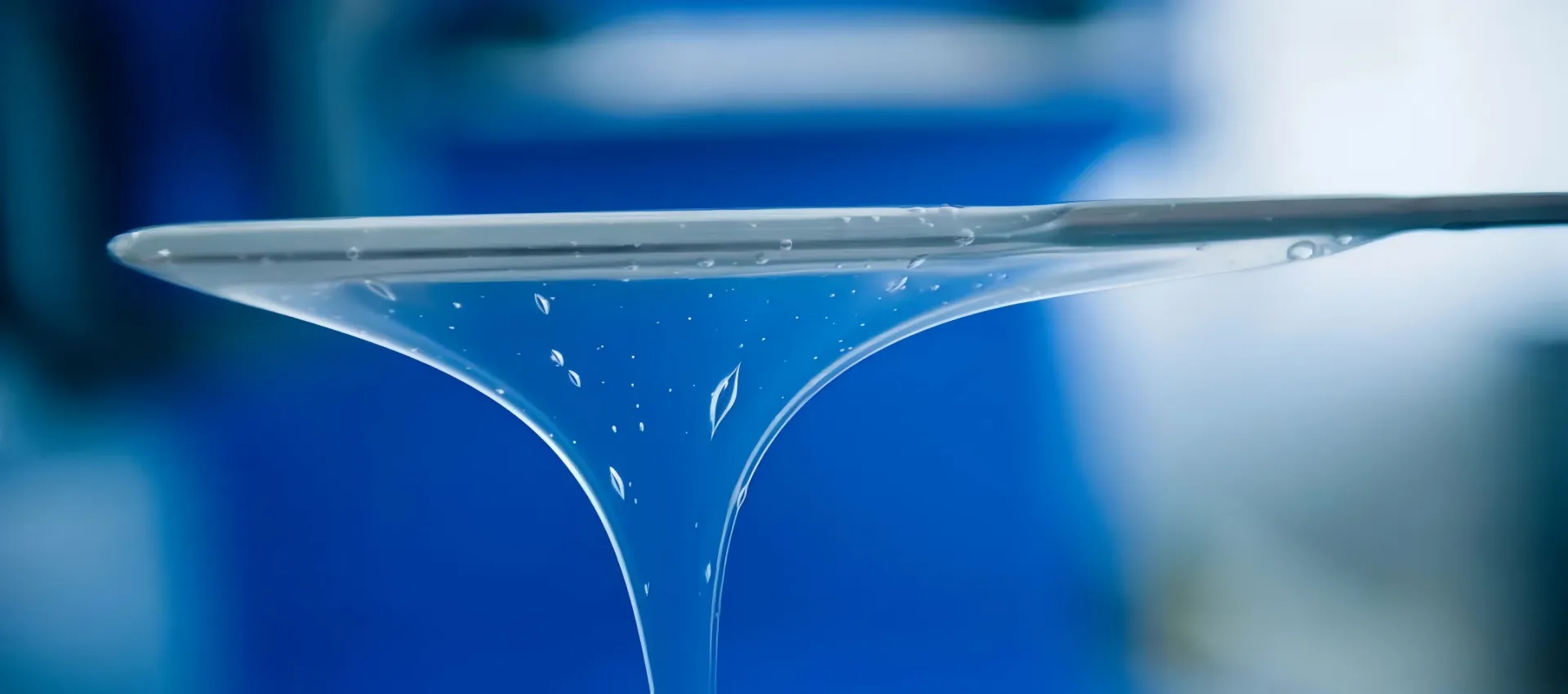
Vinyl Terminated Silicone Fluid factory
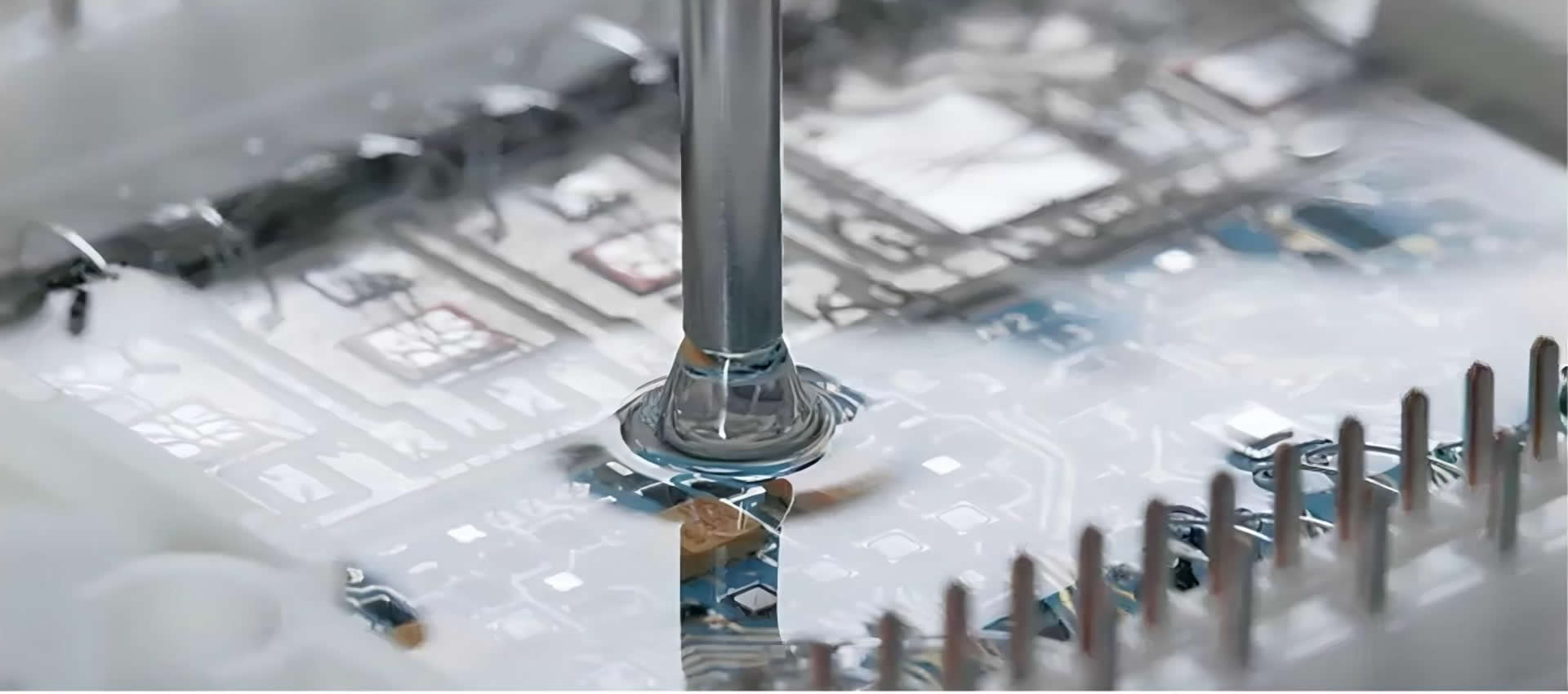
Vinyl Terminated Silicone Fluid
Everything you need to know about our products and company
The pursuit of enhanced material performance has positioned vinyl-terminated silicone fluids as critical additives in room-temperature vulcanized (RTV) silicone rubber formulations. These specialized fluids, characterized by reactive vinyl groups at both molecular terminals, fundamentally transform the crosslinking behavior and final properties of silicone elastomers. Unlike conventional silicone oils, vinyl-terminated variants actively participate in the curing process, establishing a more uniform and resilient three-dimensional network structure that significantly improves flexibility without compromising mechanical integrity .
The unique molecular architecture of these fluids combines the inherent flexibility of siloxane backbones with the controlled reactivity of terminal vinyl groups, enabling manufacturers to precisely engineer material characteristics for specific applications. This balance of flexibility and strength has become increasingly valuable across industries from medical devices to aerospace, where material failure is not an option .
The performance enhancement mechanism begins with the crosslinking density and distribution within the silicone matrix. Research demonstrates that incorporating high-vinyl content fluids creates a concentration distribution of crosslinking points throughout the material, resulting in superior tear strength and higher tensile modulus compared to single-vinyl-content systems with mean distribution . This optimized network architecture allows for better stress distribution under mechanical loading, effectively resisting crack propagation while maintaining elasticity.
The molecular weight between crosslinks (Mc) plays a crucial role in determining flexibility. Studies reveal that RTV silicone rubbers composed of diverse vinyl content blending exhibit lower Mc values than their single vinyl content counterparts, directly correlating with improved mechanical performance . This controlled crosslink density creates an optimal balance where the material can withstand deformation without permanent damage, essentially enhancing its elastic recovery capacity.
Viscoelastic behavior analyses further confirm that systems incorporating vinyl-terminated fluids with specific molar ratios (particularly 0.04% and 0.3% vinyl molar content) demonstrate exceptional flexibility at low temperatures due to depressed glass transition temperatures (Tg). These formulations simultaneously achieve higher storage and loss modulus values, indicating improved energy dissipation characteristics under dynamic loading conditions .
The global market for vinyl-terminated silicone fluids reflects their growing importance in advanced material applications. Current estimates place the market size at $1.8-2.2 billion (2023), with a projected compound annual growth rate of 6.5-8% through 2030 . This expansion is driven by increasing demand across multiple sectors, including electronics, automotive, medical devices, and renewable energy.
Regional adoption patterns show significant variation, with developed economies leading in specialized applications. The United States represents approximately 156,000 tons of annual consumption, while European markets account for about 138,000 tons. Japan’s market, though smaller at approximately 34,000 tons, tends to focus on high-value applications in electronics and precision manufacturing . Emerging economies are demonstrating accelerated growth as manufacturing capabilities advance and performance requirements become more stringent.
The regulatory landscape continues to evolve, with REACH, RoHS, and FDA certifications becoming standard requirements for market access. Manufacturers offering compliant products benefit from expanded application opportunities, particularly in medical devices and consumer products where material safety is paramount .
The production of high-quality vinyl-terminated silicone fluids involves sophisticated polymerization processes requiring precise control. The basic synthesis begins with high-purity octamethylcyclotetrasiloxane (D4, purity ≥99.8%) and tetramethyldivinyldisiloxane (Vi-MVi, purity ≥99.5%) as end-capping agents, with tetramethylammonium hydroxide catalyst facilitating the reaction . The critical process parameters—including temperature gradients (80°C initial to 120°C equilibrium), vacuum levels (-0.095 to -0.098 MPa), and reaction time (4-6 hours)—directly influence molecular weight distribution and final performance characteristics.
Advanced manufacturers have implemented continuous flow reactors that achieve yields exceeding 99%, significantly improving production efficiency and product consistency . Post-polymerization treatments, including thermal catalyst deactivation at 180°C for 2 hours and molecular distillation at 180-220°C, ensure residual catalyst levels remain below 10 ppm—a critical specification for applications requiring extreme thermal stability or medical compatibility.
Recent process innovations focus on sustainability improvements, including solvent-free approaches that reduce energy consumption by approximately 40% and advanced catalyst recovery systems achieving >90% recycling rates. The implementation of bio-based monomer substitution, currently exceeding 30% in progressive manufacturing platforms, represents another significant step toward sustainable production without compromising performance .
The incorporation of vinyl-terminated silicone fluids delivers measurable improvements across multiple performance dimensions. In terms of mechanical properties, tensile strength improvements of 230% and elongation-at-break enhancements of 102% have been documented in rosin-modified RTV silicone systems when incorporating specifically formulated vinyl-terminated fluids . These dramatic improvements stem from the synergistic effect between the vinyl-functionalized fluid and the base polymer, creating a more uniform network structure capable of distributing stress more effectively.
Thermal performance represents another significant advantage, with modified RTV silicones maintaining flexibility across a broader temperature range (-60°C to +300°C) compared to unmodified counterparts . This expanded operational window opens opportunities in demanding environments such as automotive engine compartments and aerospace applications where thermal cycling is routine. The vinyl-enriched crosslinks demonstrate superior stability under prolonged heat exposure, resisting the degradation mechanisms that plague conventional formulations.
From a processing perspective, these fluids function as effective rheological modifiers, reducing compound viscosity without sacrificing end properties. This processing benefit translates to practical advantages including improved filler dispersion, reduced energy consumption during mixing (up to 15% reduction documented), and enhanced flow characteristics for complex mold geometries . The resulting components exhibit superior surface quality with reduced defect rates—critical for applications requiring consistent sealing performance or aesthetic appeal.
In electronic encapsulants and potting compounds, vinyl-terminated silicone fluids enhance dielectric strength while maintaining flexibility essential for thermal cycling protection. The improved crosslink density provides superior resistance to environmental stressors including moisture, chemicals, and temperature fluctuations, extending the service life of sensitive components . For emerging 5G infrastructure applications, these materials offer the combination of signal stability and environmental protection required for outdoor equipment enclosures.
Medical-grade formulations benefit from the biocompatibility and hydrolysis resistance imparted by carefully selected vinyl-terminated fluids. The ability to tailor crosslink density enables manufacturers to optimize material characteristics for specific applications, from soft, cushioning components in patient interfaces to durable seals in diagnostic equipment. Compliance with ISO 10993 standards ensures compatibility with sterilization protocols and physiological environments .
Automotive applications leverage the enhanced thermal stability and compression set resistance achieved through vinyl functionalization. Seals, gaskets, and vibration damping components maintain performance under hood temperatures that can exceed 150°C, contributing to improved reliability and extended service intervals. The flexibility retention at low temperatures ensures proper functioning in cold climates, preventing leakage in sealing applications .
RTV silicone sealants modified with vinyl-terminated fluids demonstrate superior weathering resistance and elastic recovery, maintaining watertight seals in building envelopes subjected to movement, temperature extremes, and UV exposure. The tailored flexibility prevents adhesive failure at substrate interfaces, a common failure mode in conventional sealants .
The production and application of vinyl-terminated silicone fluids occur within a robust framework of international standards and certification protocols. Material specifications typically address viscosity ranges (50-50,000 cSt, with customization available), vinyl content (0.05-1.2% depending on grade), volatile content (<0.5%), and heavy metal limitations (RoHS compliant) .
Testing methodologies standardized through ASTM protocols provide consistent performance evaluation metrics. Lubricity performance (ASTM D4172) shows up to 65% reduction in wear volume, while high-temperature resistance testing (ASTM D2070) confirms stability at temperatures exceeding 280°C . Volatility testing (ASTM D972) demonstrates minimal weight loss (0.3% over 24 hours), indicating suitability for applications requiring long-term performance without degradation.
Industry-specific certifications have emerged to address unique application requirements. Medical applications demand compliance with FDA regulations and ISO 10993 biocompatibility standards, while electronic grades may require ultrapurification to metal ion concentrations below 0.1 ppb . These rigorous standards provide assurance of performance and safety across critical applications.
Biyuan has established itself as an innovator in the development and production of specialized vinyl-terminated silicone fluids for RTV silicone applications. Their product development strategy focuses on addressing industry-specific challenges through molecular design innovations, including dendritic architectures for enhanced reactivity and heteroatom doping (Si-O-C bonds) for tailored interfacial properties .
The company’s manufacturing approach incorporates AI-driven molecular weight control systems that optimize synthesis precision, ensuring batch-to-batch consistency critical for automated production environments. This technological advantage enables customers to achieve tighter tolerances in molded components and predictable processing behavior across manufacturing cycles .
Biyuan’s specialty grades demonstrate the versatility of vinyl-terminated fluids in addressing diverse application requirements. Their electronic-grade products undergo ultra-purification processes using ion-exchange resins to achieve metal ion concentrations below 0.1 ppb, essential for semiconductor manufacturing applications. Medical-grade offerings incorporate gamma irradiation sterilization and endotoxin control (<0.25 EU/mL) for implantable device compatibility .
In performance testing, Biyuan’s formulations have demonstrated exceptional results in mission-critical applications. Their HTV silicone seals for aerospace applications withstand temperatures exceeding 300°C without performance degradation, while their automotive-grade materials contribute to sustainable manufacturing through recyclable compounds that reduce carbon footprint without compromising durability .
The future development of vinyl-terminated silicone fluids points toward increasingly specialized formulations addressing evolving application requirements. Molecular design innovations focusing on hyperbranched architectures with viscosity indices exceeding 300 will enable new processing possibilities, while bio-based monomer integration continues to advance toward commercial viability .
The integration of Industry 4.0 technologies, including AI-driven synthesis optimization and continuous manufacturing platforms, will further enhance product consistency and manufacturing efficiency. These advancements will simultaneously address sustainability imperatives through reduced energy consumption and waste minimization, particularly important as regulatory pressure increases globally .
Application development continues to expand into emerging fields including soft robotics, flexible electronics, and energy storage systems, where the unique combination of flexibility, durability, and environmental resistance provides enabling capabilities. As material requirements continue to advance, vinyl-terminated silicone fluids will play an increasingly central role in solving critical engineering challenges across industries .
High-vinyl content fluids represent a fundamental advancement in RTV silicone rubber technology, enabling manufacturers to achieve previously incompatible combinations of flexibility, durability, and environmental resistance. Through controlled crosslink density and distribution, these specialized additives unlock performance capabilities essential for demanding applications across medical, automotive, aerospace, and electronic sectors.
As material requirements continue to advance, the role of vinyl-terminated silicone fluids will only increase in importance. Manufacturers who strategically incorporate these performance-enhancing additives will gain competitive advantages through improved product reliability, expanded application possibilities, and superior performance in challenging environments. With technological leaders like Biyuan continuing to push the boundaries of what’s possible, the future promises even more sophisticated material solutions building upon the vinyl functionalization platform.
Our most popular products loved by customers worldwide
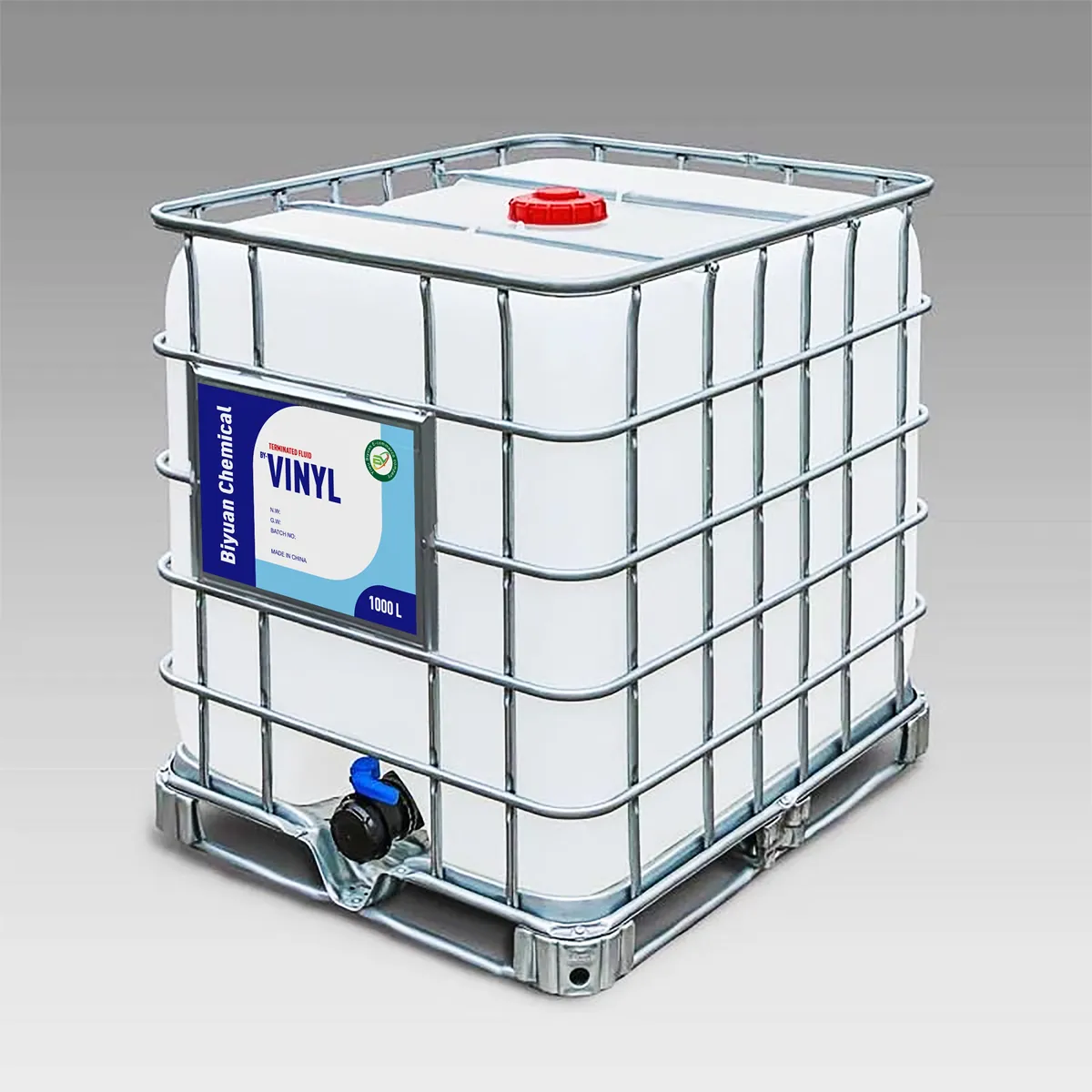
Vinyl termified silicone fluids represent a specialized class of medical-grade materials engineered for advanced healthcare applications. These reactive fluids feature terminal vinyl groups that enable precise molecular customization and controlled crosslinking capabilities, making them ideal for developing implantable devices, drug delivery systems, and d.
Vinyl silicone fluid is revolutionizing cosmetic and personal care formulations through its unique reactive properties and sensory enhancement capabilities. This functional silicone material features terminal vinyl groups that enable customizable cross-linking while maintaining the characteristic smoothness of silicone-based ingredients. Vinyl sili.
Vinyl silicone fluid, as a core functional silicone product, demonstrates exceptional versatility and reliability in the industrial additives sector. Its unique molecular structure combines the flexibility of a siloxane backbone with the reactivity of terminal vinyl groups, delivering customized solutions for various industrial applications. In polymer .
Vinyl terminated fluid is emerging as a transformative additive in textile and leather manufacturing, offering a unique combination of processing enhancement and performance optimization. This reactive silicone fluid leverages its terminal vinyl groups to create durable molecular bridges with fibers and leather substrates, delivering lasting functional ben.