What are the signs of degraded Vinyl Terminated Silicone Fluid? - Vinyl Terminated Silicone Fluid factory
Vinyl Terminated Silicone Fluid
Information Center
Everything you need to know about our products and company
Signs of Degraded Vinyl Terminated Silicone Fluid and How to Address Them
Vinyl Terminated Silicone Fluid is a critical material in industries ranging from medical devices to automotive manufacturing, prized for its thermal stability, flexibility, and chemical resistance. However, degradation can compromise its performance, leading to equipment failure and increased costs. Recognizing the signs of deterioration early is key to maintaining operational efficiency and product quality. This guide outlines the indicators of degraded Vinyl Terminated Silicone Fluid and offers solutions to mitigate risks, highlighting how suppliers like Biyuan ensure reliability through advanced formulations and stringent quality controls.
1. Key Indicators of Degradation
Degradation in Vinyl Terminated Silicone Fluid manifests through physical, chemical, and functional changes. Here are the primary signs to monitor:
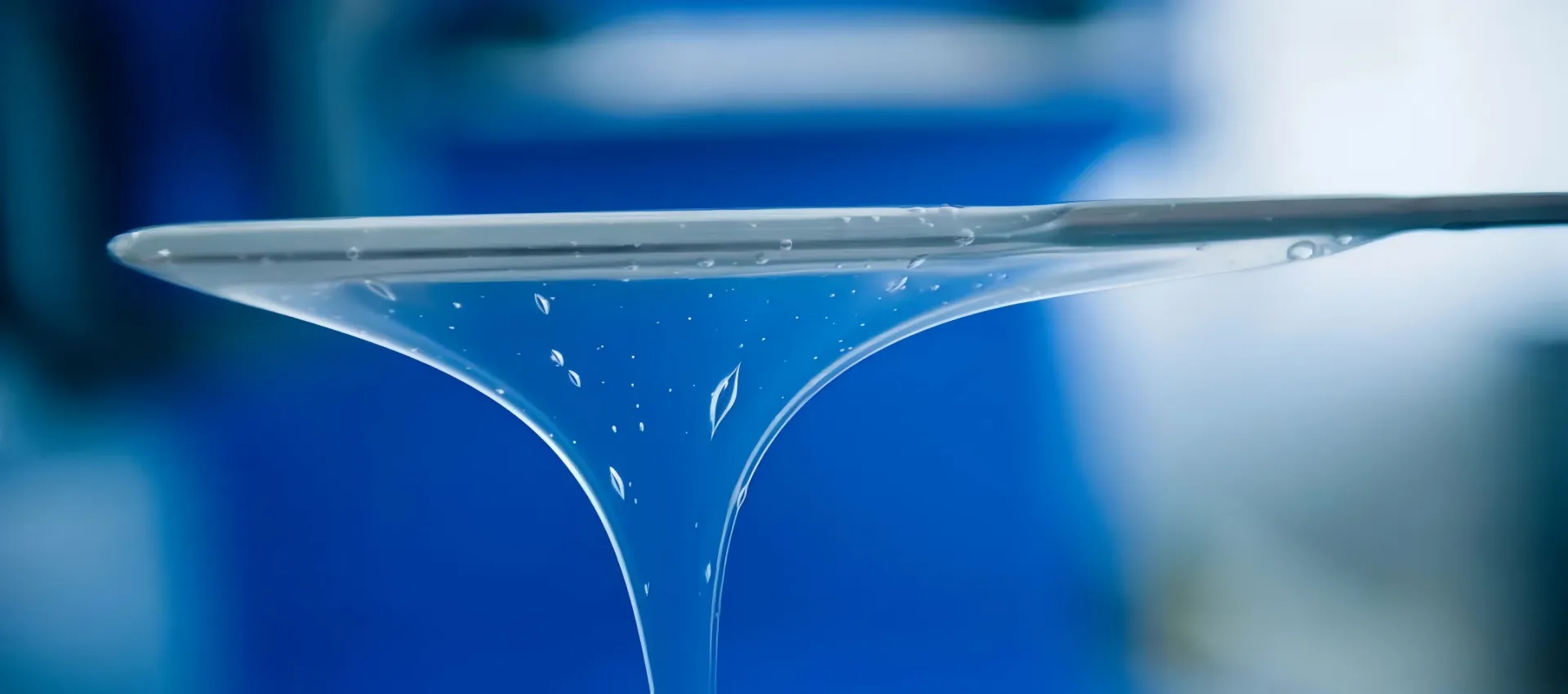
Discoloration and Cloudiness Fresh Vinyl Terminated Silicone Fluid is typically colorless and transparent. Discoloration (e.g., yellowing or cloudiness) often signals oxidative damage or contamination from exposure to heat, UV light, or incompatible chemicals. This change can indicate molecular breakdown, reducing the fluid’s purity and effectiveness in sensitive applications like medical tubing or electronic potting.
Changes in Viscosity and Consistency Degradation may alter viscosity, leading to thickening (indicating cross-linking) or thinning (suggesting chain scission). For instance, fluids exposed to high temperatures (e.g., above 180°C) may become sludgy or grainy due to filler separation or polymer degradation, directly impacting flow properties in processes like injection molding or coating. Biyuan’s fluids maintain viscosity stability up to 100,000 cSt, even under stress, ensuring consistent performance.
Odor and Surface Tension Shifts A burnt or acidic odor points to thermal degradation or chemical contamination, often accompanied by changes in surface tension. This can affect wettability and adhesion in applications such as sealants or cosmetics. Studies show that exposure to heat transfer fluids like polyalkylene glycol can accelerate these changes, leading to premature failure.
Reduced Thermal Stability Thermogravimetric analysis (TGA) reveals that degraded silicone fluids exhibit lower onset temperatures for weight loss. For example, aged samples may begin decomposing at 358°C versus 469°C for new fluids, reducing their suitability for high-temperature environments like cable insulation or industrial gaskets. Biyuan’s products are engineered to resist thermal breakdown, with flash points exceeding 200°C.
Loss of Mechanical Performance In elastomer forms (e.g., when used as a base for silicone rubber), degradation causes hardening, brittleness, or tear strength loss. Research notes that tear strength can drop by 72% after prolonged heat exposure, leading to cracks or leaks in components like seals or insulators.
2. Common Causes of Degradation
Understanding the root causes helps prevent degradation:
Thermal and Oxidative Stress High temperatures (especially above 180°C) and oxygen exposure trigger chain scission and cross-linking, altering the fluid’s properties. In cable accessories, aging at 200°C for 30 days significantly reduces thermal stability, accelerating weight loss.
Chemical Exposure Contact with acids, bases, or incompatible fluids (e.g., certain heat transfer oils) can swell or dissolve silicone matrices. For example, acidic byproducts from degraded polyalkylene glycol increase carbonyl groups (C=O bonds), leading to fluid breakdown.
Mechanical Strain and Environmental Factors Continuous stretching or compression (e.g., in dynamic seals) causes physical wear, while UV exposure and pollution promote surface degradation. In composite insulators, electric fields combined with dirt accelerate cracking and hydrophobicity loss.
3. Industry Applications and Impact of Degradation
The consequences of degradation vary by sector:
Medical and Healthcare Discolored or cloudy fluid in medical tubing can indicate contamination, risking patient safety. Hardening may lead to cracks, compromising sterility. Biyuan’s medical-grade fluids comply with ISO 13485, ensuring biocompatibility and longevity.
Electronics and Electrical In potting compounds or insulation, degraded fluid reduces dielectric strength, increasing short-circuit risks. For instance, silicone rubber in cable joints loses hydrophobicity after aging, raising failure rates in power grids.
Automotive and Manufacturing Leaks or seal failures due to fluid degradation can cause equipment downtime. Vinyl Terminated Silicone Fluid with high purity (e.g., Biyuan’s 99.9% purity) resists heat transfer fluids, maintaining performance in demanding environments.
4. Solutions and Best Practices
Proactive management minimizes degradation risks:
Regular Monitoring and Testing Use Fourier-transform infrared (FTIR) spectroscopy to detect chemical changes (e.g., new carbonyl peaks) or measure viscosity periodically. Shore hardness tests help identify elastomer hardening early.
Select Appropriate Formulations Choose fluids with additives for UV resistance or high-temperature stability. Biyuan offers vinyl-terminated fluids with customizable viscosity (50–100,000 cSt) and low volatile content (<0.3%), tailored to specific operating conditions.
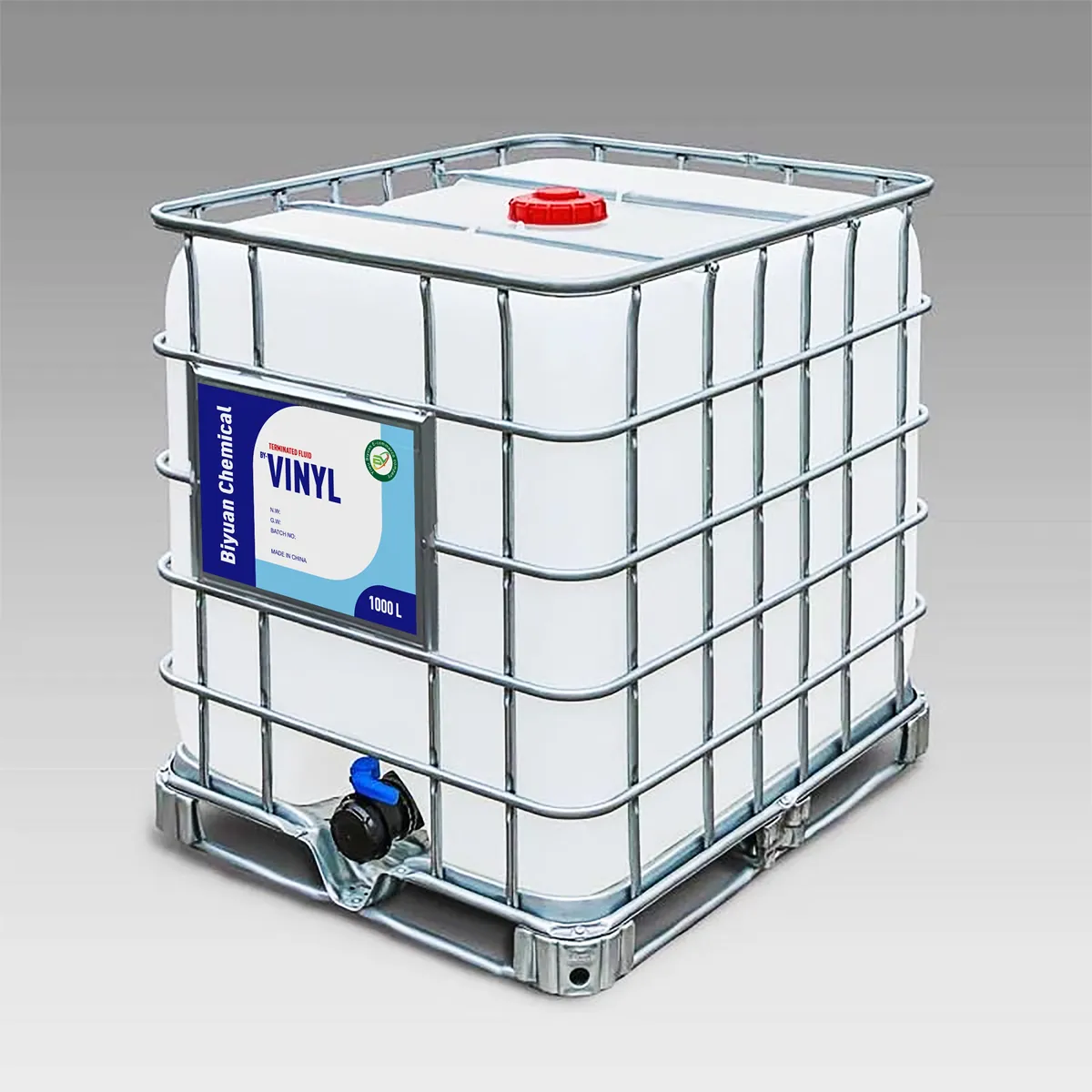
Follow Storage and Handling Guidelines Store fluids in cool, dry places away from sunlight. Biyuan’s products come in sealed drums with a 12-month shelf life, preventing moisture ingress and contamination.
Partner with Certified Suppliers Suppliers like Biyuan adhere to ISO/IATF 16949 standards, ensuring consistent quality. Their fluids undergo rigorous testing for thermal stability and chemical resistance, providing reliability for B2B clients.
Biyuan stands out as a Vinyl Terminated Silicone Fluid factory with over a decade of expertise. Key advantages include:
High Purity and Customization: Products with 99.9% purity and viscosity ranges tailored to client needs, ideal for medical, automotive, and electronics sectors.
Certified Quality: Compliance with ISO, IATF, and REACH standards, validated through third-party audits.
Technical Support: Biyuan’s team provides aging resistance solutions, helping clients extend product lifespans and reduce costs.
Conclusion
Detecting degradation early—through discoloration, viscosity shifts, or odor changes—is essential to safeguarding your applications. By understanding the causes and implementing preventive measures, businesses can avoid costly downtime. Partnering with a trusted Vinyl Terminated Silicone Fluid factory like Biyuan ensures access to durable, high-performance fluids backed by scientific expertise and industry certifications. For sectors demanding reliability, from medical devices to energy infrastructure, Biyuan’s products offer a proven solution to maintain efficiency and safety.
Vinyl Terminated Silicone Fluids are indispensable in industries requiring materials with exceptional flexibility, thermal stability, and crosslinking capabilities. Whether you need adjustments to viscosity for specific processing requirements or enhanced purity for sensitive applications, understanding how these parameters impact performance is critical. .
Understanding the Viscosity Ranges of Vinyl-Terminated Silicone Fluids
Vinyl-terminated silicone fluids, also known as vinyl-terminated polydimethylsiloxanes (Vi-PDMS), are critical materials in industries ranging from electronics to construction. Their viscosity directly impacts performance in applications like rubber curing, coatings, and adhesives. .
Optimal Storage Conditions for Vinyl Terminated Silicone Fluid: A Comprehensive Guide
Understanding Vinyl Terminated Silicone Fluid
Vinyl Terminated Silicone Fluid, chemically known as vinyl-terminated polydimethylsiloxane (CAS No. 68083-19-2), is a reactive silicone polymer characterized by vinyl groups at both molecular chain ends. This unique stru.
Vinyl-terminated silicone fluids are critical components in industries ranging from electronics to construction, where purity directly impacts performance and product longevity. Detecting impurities in these materials requires a combination of advanced analytical techniques and rigorous quality protocols. Below, we explore proven methods to uncover contami.
Understanding the Thermal Stability of Vinyl Terminated Silicone Fluid
Vinyl terminated silicone fluid, a specialized type of silicone polymer, has emerged as a critical material in industries requiring high-performance solutions under extreme temperatures. Its unique molecular structure and tailored formulations make it a standout choice for applicati.
In the highly regulated and technologically advanced medical device industry, the selection of materials is not merely a matter of performance but a critical determinant of product safety, reliability, and compliance. From implantable devices and wearable sensors to diagnostic equipment and drug delivery systems, medical devices demand materials that meet .
Unlock Manufacturing Excellence with Private Label Vinyl Terminated Silicone Fluid
Introduction: The Strategic Advantage of Private Label Vinyl Terminated Silicone Fluid
In today’s competitive manufacturing landscape, private labeling offers businesses a powerful tool for brand differentiation and market expansion. When it comes to high-perfo.
How Vinyl Terminated Silicone Fluid Enhances Polymer Flexibility in Industrial Applications
Vinyl Terminated Silicone Fluid has emerged as a revolutionary polymer modifier capable of dramatically enhancing the flexibility and performance characteristics of various industrial materials. This specialized silicone fluid, characterized by reactive vinyl gro.
Common Mistakes When Using Vinyl Terminated Silicone Fluid and How to Avoid Them
Vinyl Terminated Silicone Fluids are fundamental components in creating high-performance silicone gels and coatings, prized for their role in platinum-catalyzed addition-cure systems. These fluids enable the formation of stable, three-dimensional networks that yield materia.
Understanding the Role of Vinyl-Terminated Silicone Fluid in Electronic Encapsulation
In the fast-evolving field of electronics manufacturing, protecting sensitive components from environmental stressors is critical. One material that has gained prominence for its versatility and performance is vinyl-terminated silicone fluid. This specialized polymer.
In the manufacturing of high-performance sealing components, the selection of raw materials is not just a procurement decision—it is a critical engineering choice that determines product longevity, reliability, and performance under demanding conditions. When it comes to sealing rings used in automotive, industrial machinery, medical devices, and electrica.
Vinyl Terminated Silicone Fluids are widely used in industries ranging from electronics to automotive manufacturing due to their excellent thermal stability, chemical resistance, and lubricating properties. However, ensuring compliance with heavy metal regulations is critical for safety, environmental protection, and market acceptance. This article explore.
How to Determine the Optimal Viscosity for Vinyl Terminated Silicone Fluid in Your Application
Selecting the right viscosity for vinyl terminated silicone fluid (VTMSF) is critical to achieving performance, cost-efficiency, and compatibility in diverse industrial and consumer applications. This guide explores key factors influencing viscosity selection.
The aerospace industry represents the pinnacle of technological precision and performance excellence, where every component and material must meet extraordinary standards of reliability, durability, and safety. As essential contributors to this sector, aerospace chemical support enterprises provide specialized chemical solutions that enable the manufacturi.
Understanding the Chemical Composition of Vinyl Terminated Silicone Fluid
Vinyl terminated silicone fluid, a versatile polymer widely used in industrial and consumer applications, derives its functionality from its unique molecular architecture. This article delves into its chemical structure, properties, and applications, while highlighting industry-l.
Understanding Vinyl Terminated Silicone Fluid: A Comprehensive Guide
Vinyl terminated silicone fluid is a specialized type of silicone oil engineered for high-performance applications across industries. While often grouped under the broader umbrella of silicone oils, its unique molecular structure and functional properties set it apart as a versatile m.
Strategies to Prevent Air Bubbles in Vinyl Terminated Silicone Fluid Applications
Vinyl Terminated Silicone Fluid is a critical component in high-performance sealants, mold-making, and electronic encapsulation due to its unique reactive vinyl groups that enable platinum-catalyzed addition curing. However, air bubbles during its application can compromis.
Vinyl Terminated Fluids: The Secret Sauce in High-Performance Silicone Products
So, you’ve heard the term “Vinyl Terminated Fluid” buzzing around in silicone labs and factories. But what is it, really? And why is it such a game-changer? Let’s break it down—no PhD required.
The Basics: What Vinyl Terminated Fluids Actually Are
Vinyl T.
Crafting Pharmaceutical-Grade Vinyl-Terminated Silicone Fluids: A Technical Breakdown
The production of vinyl-terminated silicone fluid demands meticulous control over molecular architecture to achieve the desired balance of flexibility, thermal stability, and biocompatibility. This advanced material, widely used in medical coatings, wearable electro.
Preventing Contamination in Vinyl Terminated Silicone Fluid Storage: Best Practices for Industrial Users
Understanding the Critical Importance of Proper Storage
Vinyl Terminated Silicone Fluid represents a specialized category of silicone polymers with reactive vinyl groups at both molecular terminals, making them invaluable across numerous industria.
Mastering Viscosity Selection for Vinyl Terminated Silicone Fluid Applications
Introduction
In the world of specialized silicone materials, viscosity stands as a critical parameter that directly influences performance across countless industrial applications. Vinyl terminated silicone fluid (VTMSF) has emerged as a cornerstone material in industries .
The automotive industry is experiencing a transformative shift in sealant technology, driven by the innovative application of Vinyl Terminated Silicone Fluid (VT-SF). This specialized material has emerged as a critical component in developing high-performance sealing solutions that meet the evolving demands of modern vehicles, particularly with the global .
Global Market for Vinyl Terminated Silicone Fluid Poised for Significant Growth, Driven by Multi-Industry Demand and Innovation
The global market for vinyl terminated silicone fluid (VTSF) is projected to experience substantial growth, with its value expected to reach approximately US $3.2 billion by 2030. This growth is fueled by the material’s e.
Regulatory Shifts Reshaping the Vinyl Terminated Silicone Fluid Industry
The production and application of vinyl terminated silicone fluid are undergoing significant transformation as new environmental regulations redefine global market dynamics. These high-performance materials, renowned for their thermal stability and chemical resistance, now face bo.
Asia-Pacific Drives Global Silicone Fluid Market: An In-Depth Look at China’s Manufacturing Surge
The Asia-Pacific regionhas emerged as the dominant force in the global vinyl terminated silicone fluid market, with China’s manufacturing prowess serving as the primary catalyst. This versatile material, characterized by its reactive vinyl end g.
Enhancing Adhesive Performance with Vinyl Terminated Silicone Fluid: A Comprehensive Guide to Bond Strength Optimization
Introduction to Vinyl Terminated Silicone Fluid
Vinyl terminated silicone fluid, also known as vinyl-terminated polydimethylsiloxane (Vi-PDMS), represents a specialized class of organosilicon compounds that have revolutionized adhe.
Vinyl Terminated Silicone Fluid: Revolutionizing Thermal Management in EV Batteries
Introduction
The rapid evolution of electric vehicles has brought battery thermal management to the forefront of automotive engineering challenges. As EV manufacturers strive for greater range, faster charging, and enhanced safety, the limitations of conventional ther.
Vinyl Terminated Silicone Fluid: Advancing Wind Turbine Performance and Reliability
The global transition toward renewable energy has intensified the demand for advanced materials that enhance the efficiency and durability of clean energy technologies. Among these, vinyl terminated silicone fluid has emerged as a critical component in wind energy applic.
Vinyl Terminated Silicone Fluid: The Game-Changer in UV Curing Technology
Introduction
In the rapidly evolving world of advanced materials, vinyl terminated silicone fluids have emerged as a transformative component in UV curing technology, particularly revolutionizing production timelines across multiple industries. These specialized silicone fluid.
Vinyl Terminated Silicone Fluid: Market Outlook, Pricing Trends, and Strategic Sourcing (2025-2033)
Introduction
The global market for vinyl terminated silicone fluidis poised for significant growth between 2025 and 2033, driven by expanding applications in high-performance sectors such as liquid silicone rubber (LSR), electronics, automotive, and me.
Enhancing 3D Printing Filament Flexibility: The Role of Vinyl-Terminated Silicone Fluids
For 3D printing enthusiasts and professionals, achieving the perfect balance between durability, detail, and flexibility in printed parts remains a persistent challenge. Traditional thermoplastic filaments—especially flexible materials like TPU or TPE—often face iss.
Introduction to Vinyl Terminated Silicone Fluid
Vinyl Terminated Silicone Fluid, also known as vinyl-terminated polydimethylsiloxane, represents a specialized category of silicone oils characterized by reactive vinyl groups at both molecular ends. This unique chemical structure, with the formula CH₂=CH-Si(CH₃)₂O[(CH₃)₂SiO]ₙ(CH₃)₂Si-CH=CH₂, enables these.
Vinyl Terminated Silicone Fluid: Revolutionizing Medical Device Manufacturing with Enhanced Safety and Performance
In the rapidly evolving medical technology sector, vinyl terminated silicone fluid (VT-SF) has emerged as a critical material driving innovation in device manufacturing. This specialized silicone fluid features reactive vinyl groups that en.
Sustainable Manufacturing of Vinyl Terminated Silicone Fluid: Eco-Friendly Production Processes
Vinyl terminated silicone fluid (VT-SF), also known as vinyl-terminated polydimethylsiloxane, represents a specialized category of organosilicon compounds featuring reactive vinyl groups (-CH=CH₂) at both molecular terminals. This unique chemical structure pr.
In the realm of high-performance materials, low molecular weight vinyl-terminated silicone fluid (VTSF) has emerged as a critical component for precision coatings, combining exceptional reactivity with tailored physical properties. Its unique molecular architecture—featuring reactive vinyl end groups on a flexible siloxane backbone—enables formulators to d.
Vinyl Terminated Silicone Fluid: The Modern Choice for Skin-Friendly Cosmetics
Introduction
In the evolving world of cosmetic science, vinyl terminated silicone fluids have emerged as sophisticated ingredients that combine performance with skin compatibility. These specialized silicone polymers, characterized by reactive vinyl groups at both ends of .
Food-Grade Vinyl Terminated Silicone Fluid: The Advanced Material Redefining Packaging Safety
Introduction
In the evolving landscape of food packaging materials, vinyl terminated silicone fluid has emerged as a technologically advanced solution that combines exceptional performance with rigorous safety standards. This specialized silicone variant off.
Solving Electronics Overheating Challenges: The Rise of Vinyl-Terminated Silicone Fluids with Superior Thermal Conductivity
In today’s hyper-connected world, electronic devices—from smartphones and laptops to industrial servers and 5G base stations—are growing more powerful by the day. But with increased processing power comes a critical challenge: hea.
Vinyl Silicone Fluids Revolutionize Water-Repellent Textile Manufacturing
The textile industry is undergoing a remarkable transformation with the integration of vinyl terminated silicone fluid, a specialized silicone polymer that is setting new standards for water-repellent fabric technology. This advanced material offers unparalleled performance chara.
The Silent Performers: How Vinyl Terminated Silicones Redefine Material Excellence
In the world of specialty chemicals, few materials strike the perfect balance between stability and reactivity quite like vinyl-terminated silicones. These fluids—often unsung heroes in industrial applications—leverage their unique molecular architecture to solve problems.
Vinyl termified silicone fluids represent a specialized class of medical-grade materials engineered for advanced healthcare applications. These reactive fluids feature terminal vinyl groups that enable precise molecular customization and controlled crosslinking capabilities, making them ideal for developing implantable devices, drug delivery systems, and d.
Vinyl silicone fluid is revolutionizing cosmetic and personal care formulations through its unique reactive properties and sensory enhancement capabilities. This functional silicone material features terminal vinyl groups that enable customizable cross-linking while maintaining the characteristic smoothness of silicone-based ingredients.
Vinyl sili.
Vinyl silicone fluid, as a core functional silicone product, demonstrates exceptional versatility and reliability in the industrial additives sector. Its unique molecular structure combines the flexibility of a siloxane backbone with the reactivity of terminal vinyl groups, delivering customized solutions for various industrial applications.
In polymer .
Vinyl terminated fluid is emerging as a transformative additive in textile and leather manufacturing, offering a unique combination of processing enhancement and performance optimization. This reactive silicone fluid leverages its terminal vinyl groups to create durable molecular bridges with fibers and leather substrates, delivering lasting functional ben.

Contact Us
We're here to help with any questions or inquiries you may have
Contact Information
Address
No. 116, Jiangdong Street, Yiwu City, Jinhua City, Zhejiang Province,China