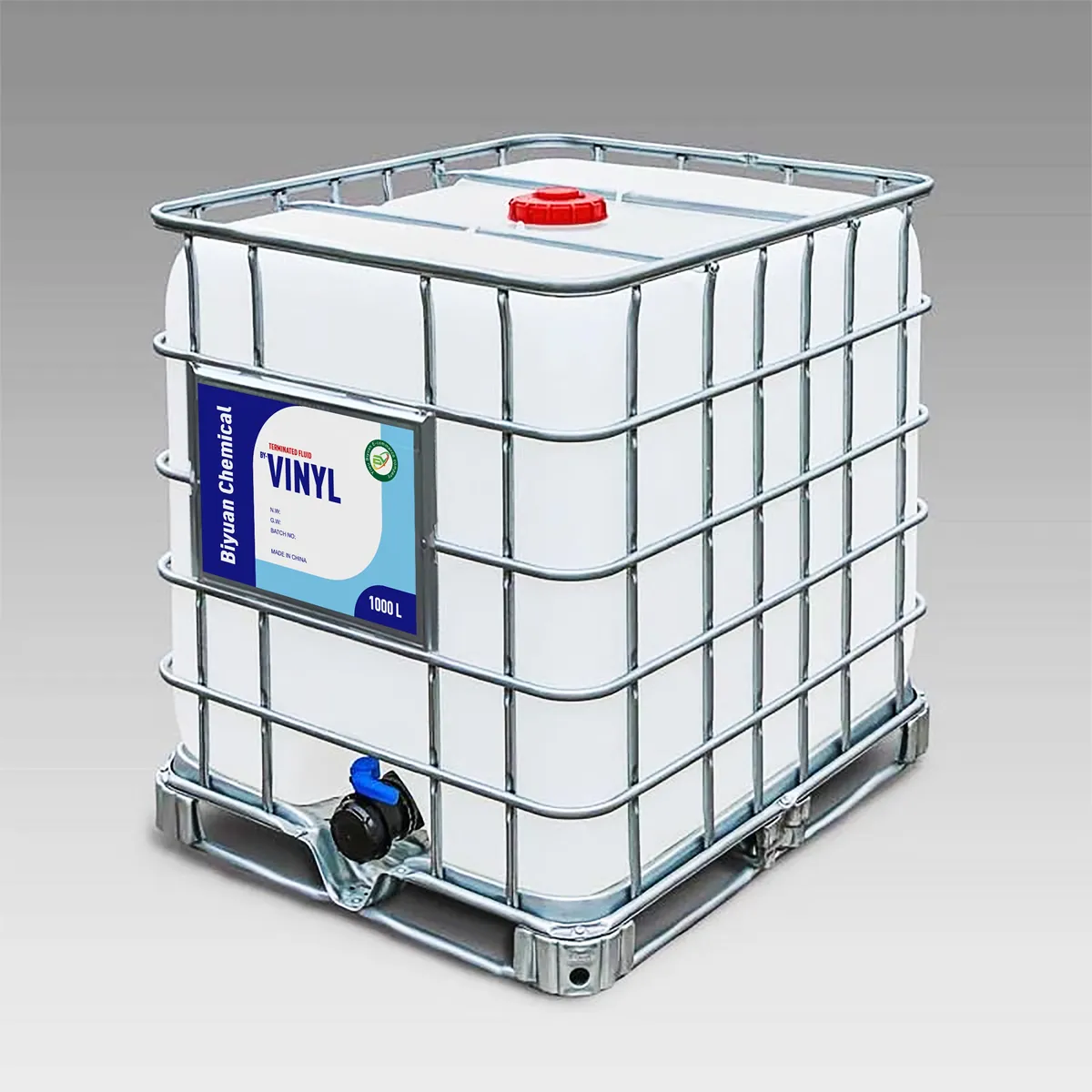
What is the chemical structure of Vinyl Terminated Silicone Fluid? - Vinyl Terminated Silicone Fluid factory
Vinyl Terminated Silicone Fluid
Information Center
Everything you need to know about our products and company
Understanding the Chemical Composition of Vinyl Terminated Silicone Fluid
Vinyl terminated silicone fluid, a versatile polymer widely used in industrial and consumer applications, derives its functionality from its unique molecular architecture. This article delves into its chemical structure, properties, and applications, while highlighting industry-leading suppliers like Biyuan for high-performance solutions.
1. Core Chemical Composition
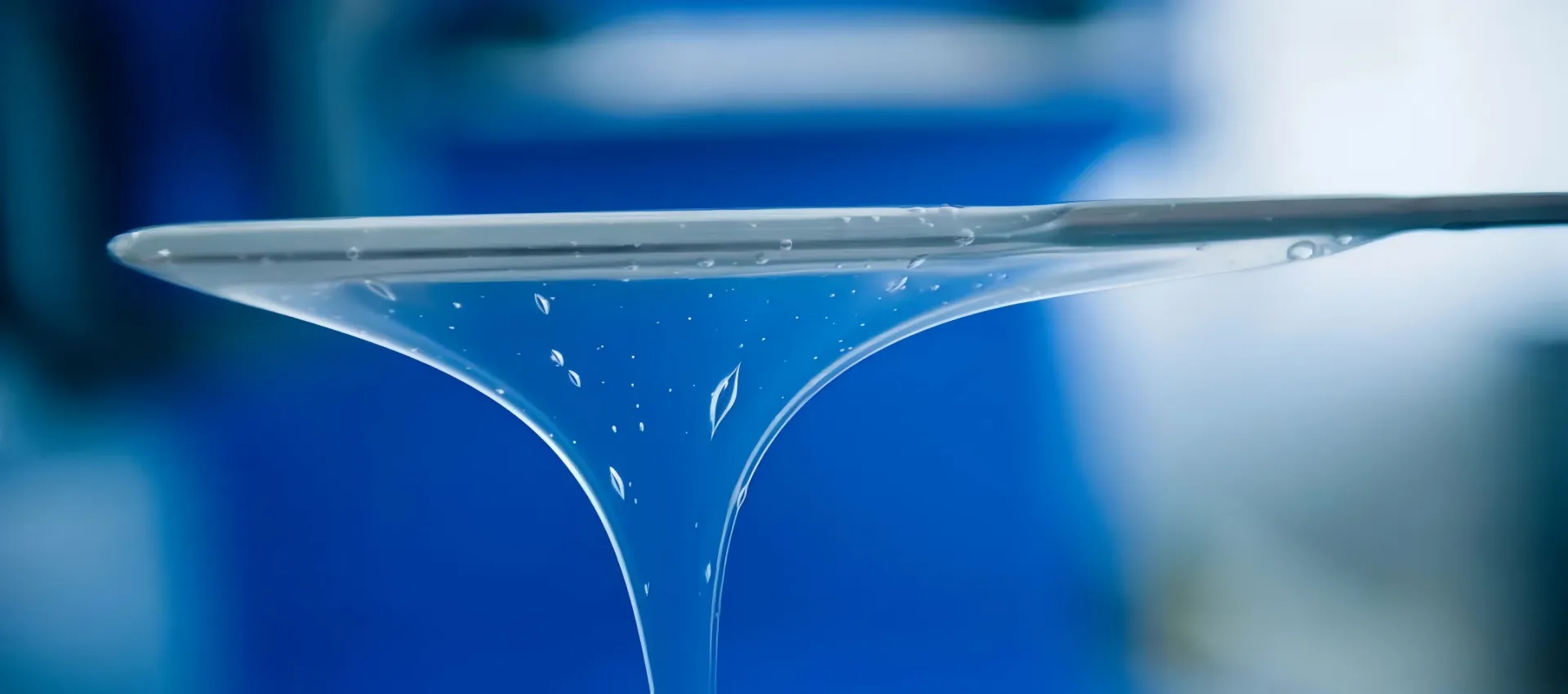
Vinyl terminated silicone fluid belongs to the polydimethylsiloxane (PDMS) family, characterized by a siloxane backbone alternating silicon and oxygen atoms. The terminal vinyl groups (-CH₂=CH-) distinguish it from other silicones, enabling reactivity in curing processes. Key structural features include:
CAS Number: 68083-19-2, a globally recognized identifier for quality assurance .
Molecular Formula: (CH₃)₃SiO[(CH₃)₂SiO]ₙSi(CH₃)₃, with vinyl termination at chain ends .
Viscosity Range: Adjustable from low-viscosity fluids (~10 cSt) to high-viscosity gels (>1,000,000 cSt), catering to diverse industrial needs .
2. Functional Properties
The vinyl-terminated structure imparts critical performance characteristics:
Thermal Stability: Operates effectively from -50°C to 250°C, making it ideal for high-temperature applications like automotive seals .
Chemical Resistance: Resists degradation by oils, fuels, and UV exposure, ensuring longevity in electronics and outdoor equipment .
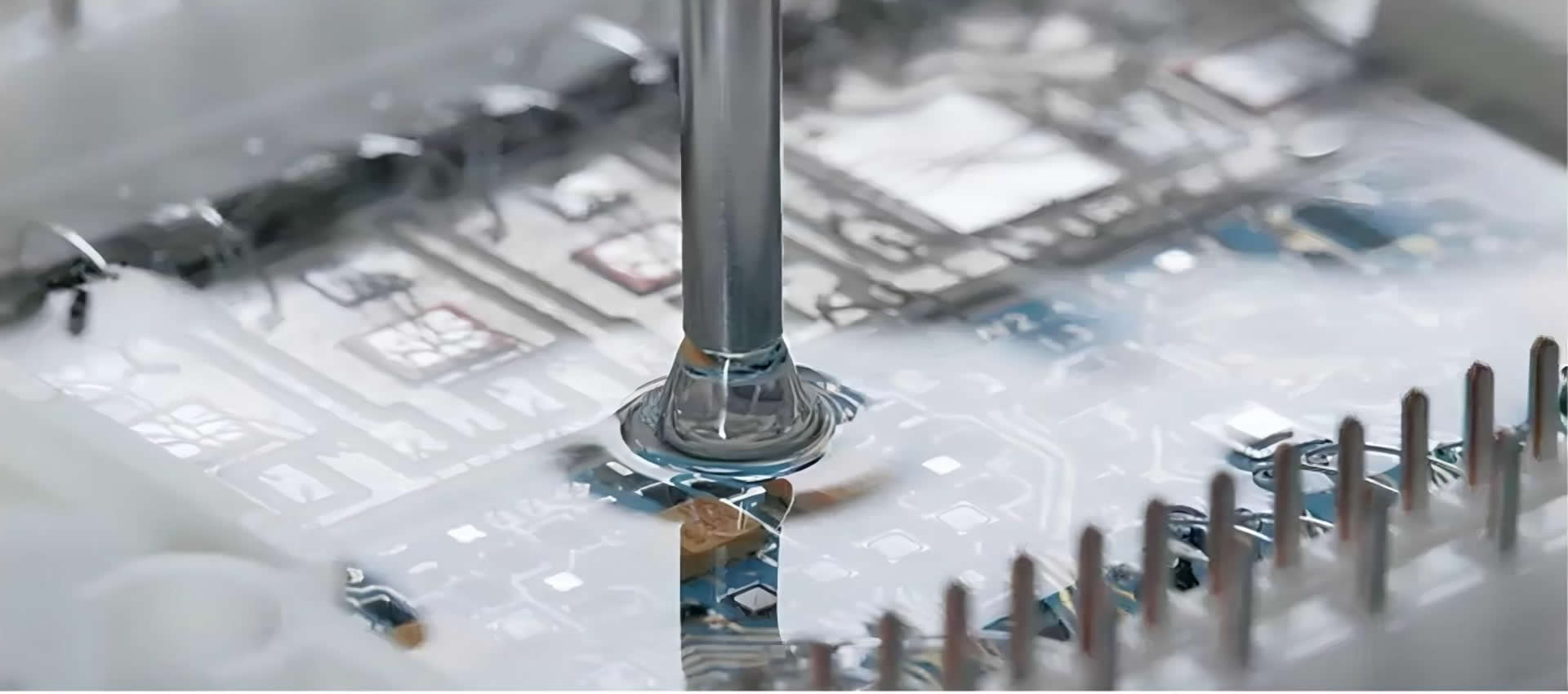
Electrical Insulation: Low dielectric constant and moisture repellency make it suitable for circuit boards and encapsulation .
3. Key Applications
This fluid is indispensable across industries:
Electronics: Used in potting compounds and conformal coatings to protect sensitive components from humidity and vibration .
Medical Devices: Acts as a biocompatible lubricant in catheters and implantable devices .
Cosmetics: Enhances texture and stability in foundations and lipsticks due to its smooth, non-greasy feel .
Industrial Adhesives: Facilitates strong, flexible bonds in automotive and aerospace manufacturing .
4. Safety and Handling
Safety protocols are vital due to its reactive nature:
GHS Classification: Classified as an irritant (H315, H319) with specific precautions for inhalation and skin contact .
Storage: Must be kept in airtight containers away from catalysts (e.g., platinum) to prevent premature curing .
5. Leading Suppliers & Quality Assurance
For reliable, high-purity vinyl terminated silicone fluid, Biyuan stands out as a trusted partner. Their products adhere to ISO 9001 standards and offer:
Custom Formulations: Adjustable viscosity and vinyl content to meet specific application demands.
Global Logistics: Efficient supply chains across Asia, Europe, and North America .
Technical Support: Expertise in integrating silicone solutions into complex manufacturing workflows.
Conclusion
Vinyl terminated silicone fluid’s adaptability and durability make it a cornerstone of modern material science. Whether enhancing electronic reliability or enabling next-gen medical innovations, its chemical precision drives progress. Partnering with suppliers like Biyuan ensures access to cutting-edge formulations that meet rigorous industry standards while supporting sustainable and efficient production.
For detailed technical specifications or procurement inquiries, explore Biyuan’s product portfolio or consult their team for tailored solutions.
Compatibility and Applications of Vinyl Terminated Silicone Fluid with Organic Solvents
Vinyl Terminated Silicone Fluid (CAS 68083-19-2) is highly compatible with a wide range of organic solvents, making it a versatile material for industrial applications. Its molecular structure, featuring reactive vinyl groups at the terminals of a polydimethylsiloxa.
Exploring the Critical Role of Vinyl Terminated Silicone Fluid in Modern Adhesive Systems
In the realm of advanced adhesives and sealants, vinyl terminated silicone fluid has emerged as a transformative component, enabling engineers and manufacturers to overcome long-standing challenges in durability, flexibility, and environmental resistance. This h.
Vinyl terminated silicone fluid, a versatile material widely used in industries like electronics, automotive, and construction, requires rigorous shelf-life testing to guarantee stability and performance over time. Proper testing methods not only validate product durability but also align with global quality standards, ensuring compliance and customer trus.
In the highly competitive and innovation-driven daily chemical industry, processing plants are constantly seeking advanced raw materials to enhance product quality, improve processing efficiency, and meet evolving consumer demands for performance, safety, and sustainability. Among various functional additives, silicone-based materials have gained significa.
Vinyl Terminated Silicone Fluid has become an indispensable material across industries from aerospace to medical devices, prized for its thermal stability, flexibility, and reactivity. However, viscosity changes during production, storage, or application can significantly impact performance and processing efficiency. Understanding how to prevent and addres.
Understanding the Production Process of Vinyl Terminated Silicone Fluid
Vinyl terminated silicone fluid, a specialized silicone derivative, plays a pivotal role in industries ranging from cosmetics to industrial coatings. Its unique molecular structure—featuring vinyl end groups—enables exceptional adhesion, flexibility, and compatibility with diverse .
In the realm of high-performance industrial materials, Vinyl Terminated Fluid stands out as a transformative solution that bridges the gap between versatility and reliability. This specialized silicone derivative, characterized by its reactive vinyl groups along the polymer chain, has redefined possibilities across sectors ranging from precision electronic.
Understanding the Key Differences Between Synthesized and Distilled Vinyl Terminated Silicone Fluids
Vinyl Terminated Silicone Fluids are indispensable in industries ranging from electronics to construction, offering exceptional performance in applications like coatings, sealants, and elastomers. However, the terms “synthesized” and “.
Vinyl terminated silicone fluid (VT-SF) has emerged as a critical material in industries ranging from electronics to medical devices, offering exceptional thermal stability, chemical resistance, and compatibility with diverse systems. As global regulations tighten and performance demands escalate, adherence to industry standards becomes paramount. This art.
Vinyl Terminated Silicone Fluids are indispensable in industries requiring materials with exceptional flexibility, thermal stability, and crosslinking capabilities. Whether you need adjustments to viscosity for specific processing requirements or enhanced purity for sensitive applications, understanding how these parameters impact performance is critical. .
How to Determine the Optimal Viscosity for Vinyl Terminated Silicone Fluid in Your Application
Selecting the right viscosity for vinyl terminated silicone fluid (VTMSF) is critical to achieving performance, cost-efficiency, and compatibility in diverse industrial and consumer applications. This guide explores key factors influencing viscosity selection.
Vinyl Terminated Silicone Fluid (VT-SF) has become an indispensable material across industries from aerospace and electronics to medical devices and automotive manufacturing. Its unique chemical structure, featuring reactive vinyl groups (-CH=CH₂) at the molecular terminals, enables exceptional thermal stability, flexibility, and customization potential. H.
Vinyl Terminated Silicone Fluid: Stability and Reactivity with Air and Moisture
Understanding Vinyl Terminated Silicone Fluid’s Chemical Stability
Vinyl Terminated Silicone Fluid, also known as vinyl-terminated polydimethylsiloxane (VI PDMS), demonstrates exceptional stability when exposed to air and moisture under normal storage conditions. Th.
Vinyl Terminated Silicone Fluid (VT-SF) is a high-performance material prized for its thermal stability, reactivity, and versatility across industries like aerospace, electronics, and medical devices. However, improper storage can lead to phase separation, compromising its efficacy. Understanding the root causes—and implementing proactive solutions—is crit.
What is Vinyl Terminated Silicone Fluid? Key Applications & Benefits Revealed
Vinyl terminated silicone fluid, a specialized type of polydimethylsiloxane (PDMS) with vinyl-functionalized end groups, has emerged as a cornerstone material in industries ranging from electronics to cosmetics. Its unique chemical structure and versatile properties make .
Safe Disposal of Vinyl Terminated Silicone Fluid: A Comprehensive Guide
Vinyl Terminated Silicone Fluid (VT-SF) is a specialized polymer valued across industries for its thermal stability, chemical resistance, and reactive vinyl groups that enable cross-linking in silicone elastomers and adhesives. However, proper disposal of this material requires care.
Proper Storage Guide for Vinyl Terminated Silicone Fluid
Understanding Vinyl Terminated Silicone Fluid
Vinyl Terminated Silicone Fluid, chemically known as vinyl-terminated polydimethylsiloxane (CAS No. 68083-19-2), is a crucial intermediate in silicone manufacturing. This reactive polymer features vinyl groups at both molecular terminals, enabling i.
Understanding the Critical Role of Vinyl Terminated Silicone Fluid in High-Temperature Vulcanized (HTV) Silicone
High-temperature vulcanized (HTV) silicone rubber is a cornerstone material in industries ranging from aerospace to medical devices, prized for its thermal stability and durability. At the heart of its performance lies vinyl terminated sili.
Global Reach, Local Expertise: Biyuan’s Vinyl Terminated Silicone Fluid Powers Industries Worldwide
In the specialized world of specialty chemicals, the reach of a supplier’s distribution network is a direct reflection of their product quality and market understanding. As a leading Vinyl Terminated Silicone Fluid factory, Biyuan has strateg.
Exploring the Suitability of Vinyl Terminated Silicone Fluid in Medical Devices
Silicone fluids have long been a cornerstone of medical device engineering, but vinyl-terminated silicone fluid represents a specialized iteration tailored for advanced healthcare applications. This material combines the inherent advantages of silicone with enhanced molec.
The global shift toward sustainable manufacturing has triggered a material science revolution, with vinyl terminated silicone fluid (VT silicone fluid) emerging as a environmentally preferable alternative to traditional fluorosilicones. This transition represents more than mere substitution—it reflects a fundamental rethinking of how industrial materials b.
Regulatory Shifts Reshaping the Vinyl Terminated Silicone Fluid Industry
The production and application of vinyl terminated silicone fluid are undergoing significant transformation as new environmental regulations redefine global market dynamics. These high-performance materials, renowned for their thermal stability and chemical resistance, now face bo.
Tackling Industrial Coating Emissions: Why Vinyl-Terminated Silicone Fluids Are the Sustainable Choice
In industrial coatings, balancing performance with environmental responsibility has never been more critical. As global regulations tighten on volatile organic compound (VOC) emissions—linked to air pollution and health risks—formulators are scrambling.
Vinyl Terminated Silicone Fluid: Revolutionizing Thermal Management in EV Batteries
Introduction
The rapid evolution of electric vehicles has brought battery thermal management to the forefront of automotive engineering challenges. As EV manufacturers strive for greater range, faster charging, and enhanced safety, the limitations of conventional ther.
The automotive industry is experiencing a transformative shift in sealant technology, driven by the innovative application of Vinyl Terminated Silicone Fluid (VT-SF). This specialized material has emerged as a critical component in developing high-performance sealing solutions that meet the evolving demands of modern vehicles, particularly with the global .
Vinyl Terminated Silicone Fluid: Engineering Weather-Defying Construction Sealants
In the face of escalating climate challenges, the construction industry is turning to advanced material science to enhance building resilience. At the forefront of this innovation are specialty silicone-based sealants, with vinyl terminated silicone fluid playing a pivota.
Introduction to Vinyl Terminated Silicone Fluid
Vinyl Terminated Silicone Fluid, also known as vinyl-terminated polydimethylsiloxane, represents a specialized category of silicone oils characterized by reactive vinyl groups at both molecular ends. This unique chemical structure, with the formula CH₂=CH-Si(CH₃)₂O[(CH₃)₂SiO]ₙ(CH₃)₂Si-CH=CH₂, enables these.
Vinyl Silicone Fluids Revolutionize Water-Repellent Textile Manufacturing
The textile industry is undergoing a remarkable transformation with the integration of vinyl terminated silicone fluid, a specialized silicone polymer that is setting new standards for water-repellent fabric technology. This advanced material offers unparalleled performance chara.
Asia-Pacific Drives Global Silicone Fluid Market: An In-Depth Look at China’s Manufacturing Surge
The Asia-Pacific regionhas emerged as the dominant force in the global vinyl terminated silicone fluid market, with China’s manufacturing prowess serving as the primary catalyst. This versatile material, characterized by its reactive vinyl end g.
Vinyl Terminated Silicone Fluid vs. Polydimethylsiloxane: Understanding Their Distinct Characteristics
When comparing silicone-based fluids, understanding the fundamental differences between vinyl terminated silicone fluid and conventional polydimethylsiloxane (PDMS) is crucial for selecting the right material for specific applications. While both share.
Overcoming Extreme Conditions: How Vinyl Terminated Silicone Fluid is Redefining Aerospace Coating Performance
In the unforgiving environment of aerospace—where components face blistering heat, rapid temperature fluctuations, UV radiation, and chemical exposure—the demand for advanced protective coatings has never been greater. Traditional coatings ofte.
Enhancing 3D Printing Filament Flexibility: The Role of Vinyl-Terminated Silicone Fluids
For 3D printing enthusiasts and professionals, achieving the perfect balance between durability, detail, and flexibility in printed parts remains a persistent challenge. Traditional thermoplastic filaments—especially flexible materials like TPU or TPE—often face iss.
Vinyl Terminated Silicone Fluid: Navigating EU REACH Compliance for Global Market Access
Understanding Vinyl Terminated Silicone Fluid
Vinyl terminated silicone fluid, also known as vinyl-terminated polydimethylsiloxane (Vi-PDMS), is a specialized organosilicone compound featuring reactive vinyl groups (-CH=CH₂) at both ends of the polymer chain. Thi.
Food-Grade Vinyl Terminated Silicone Fluid: The Advanced Material Redefining Packaging Safety
Introduction
In the evolving landscape of food packaging materials, vinyl terminated silicone fluid has emerged as a technologically advanced solution that combines exceptional performance with rigorous safety standards. This specialized silicone variant off.
Vinyl Terminated Silicone Fluid: Comprehensive Technical Overview and Safety Protocols
Vinyl Terminated Silicone Fluid (CAS 68083-19-2), chemically known as vinyl-terminated polydimethylsiloxane, represents a specialized category of reactive silicone polymers with significant industrial importance. Characterized by reactive vinyl groups (-CH=CH₂) at bo.
Global Supply Analysis: Top 5 Leaders in Vinyl Terminated Silicone Fluid Export Markets
Introduction
The global market for vinyl terminated silicone fluidhas experienced remarkable growth driven by increasing demand across automotive, electronics, construction, and personal care industries. These specialized materials, known for their superior therma.
Enhancing Adhesive Performance with Vinyl Terminated Silicone Fluid: A Comprehensive Guide to Bond Strength Optimization
Introduction to Vinyl Terminated Silicone Fluid
Vinyl terminated silicone fluid, also known as vinyl-terminated polydimethylsiloxane (Vi-PDMS), represents a specialized class of organosilicon compounds that have revolutionized adhe.
Overcoming Automotive Adhesion Hurdles: The Role of Vinyl Terminated Silicone Fluids in Low-Temperature Manufacturing
In the automotive industry, where precision and reliability are non-negotiable, even minor flaws in component bonding can lead to costly recalls, safety risks, or production delays. One persistent challenge? Ensuring strong, durable adhe.
The healthcare industry’s recovery from the pandemic has accelerated demand for high-performance materials that meet increasingly sophisticated medical needs. Among these, vinyl terminated silicone fluids have emerged as a critical component driving innovation across medical devices, pharmaceuticals, and healthcare technologies. These specialized flu.
Sustainable Manufacturing of Vinyl Terminated Silicone Fluid: Eco-Friendly Production Processes
Vinyl terminated silicone fluid (VT-SF), also known as vinyl-terminated polydimethylsiloxane, represents a specialized category of organosilicon compounds featuring reactive vinyl groups (-CH=CH₂) at both molecular terminals. This unique chemical structure pr.
Vinyl termified silicone fluids represent a specialized class of medical-grade materials engineered for advanced healthcare applications. These reactive fluids feature terminal vinyl groups that enable precise molecular customization and controlled crosslinking capabilities, making them ideal for developing implantable devices, drug delivery systems, and d.
Vinyl silicone fluid is revolutionizing cosmetic and personal care formulations through its unique reactive properties and sensory enhancement capabilities. This functional silicone material features terminal vinyl groups that enable customizable cross-linking while maintaining the characteristic smoothness of silicone-based ingredients.
Vinyl sili.
Vinyl silicone fluid, as a core functional silicone product, demonstrates exceptional versatility and reliability in the industrial additives sector. Its unique molecular structure combines the flexibility of a siloxane backbone with the reactivity of terminal vinyl groups, delivering customized solutions for various industrial applications.
In polymer .
Vinyl terminated fluid is emerging as a transformative additive in textile and leather manufacturing, offering a unique combination of processing enhancement and performance optimization. This reactive silicone fluid leverages its terminal vinyl groups to create durable molecular bridges with fibers and leather substrates, delivering lasting functional ben.

Contact Us
We're here to help with any questions or inquiries you may have
Contact Information
Address
No. 116, Jiangdong Street, Yiwu City, Jinhua City, Zhejiang Province,China