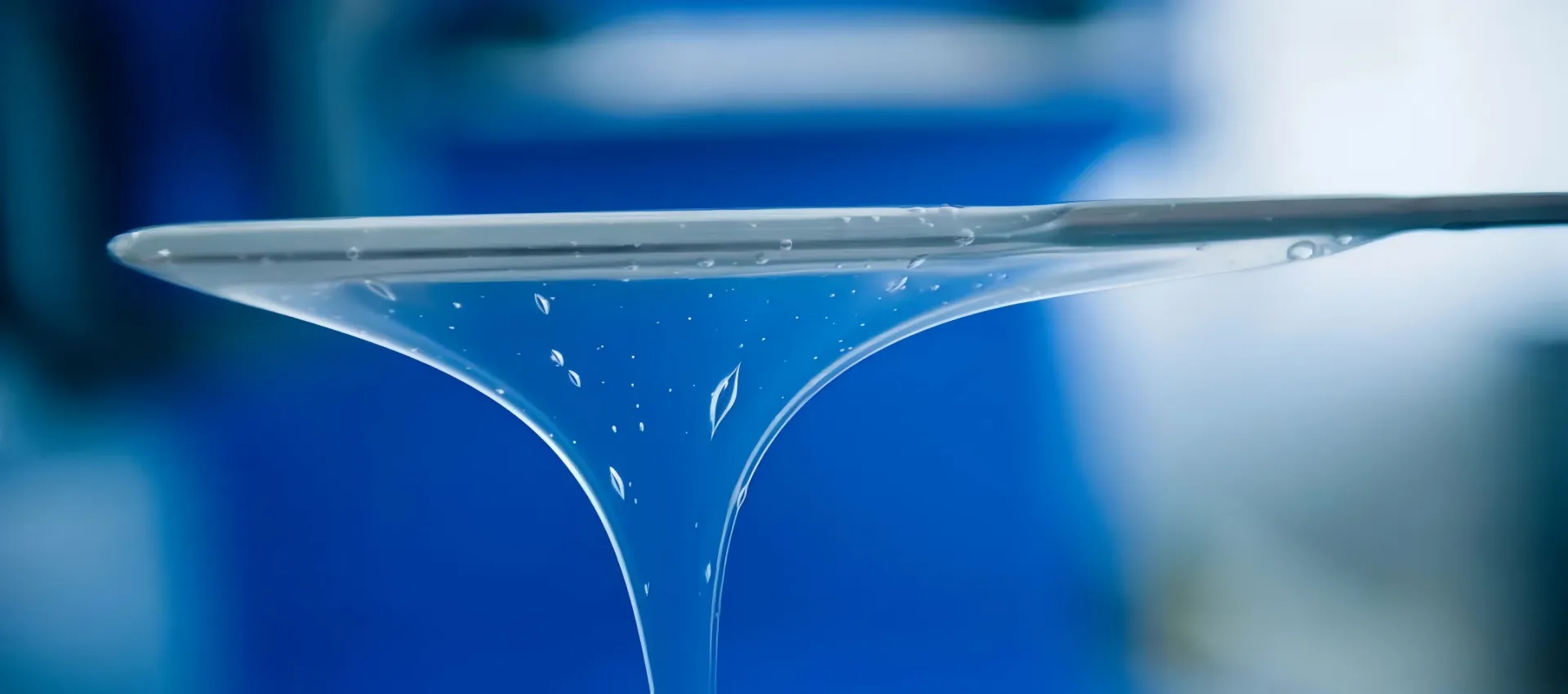
Vinyl Terminated Silicone Fluid factory
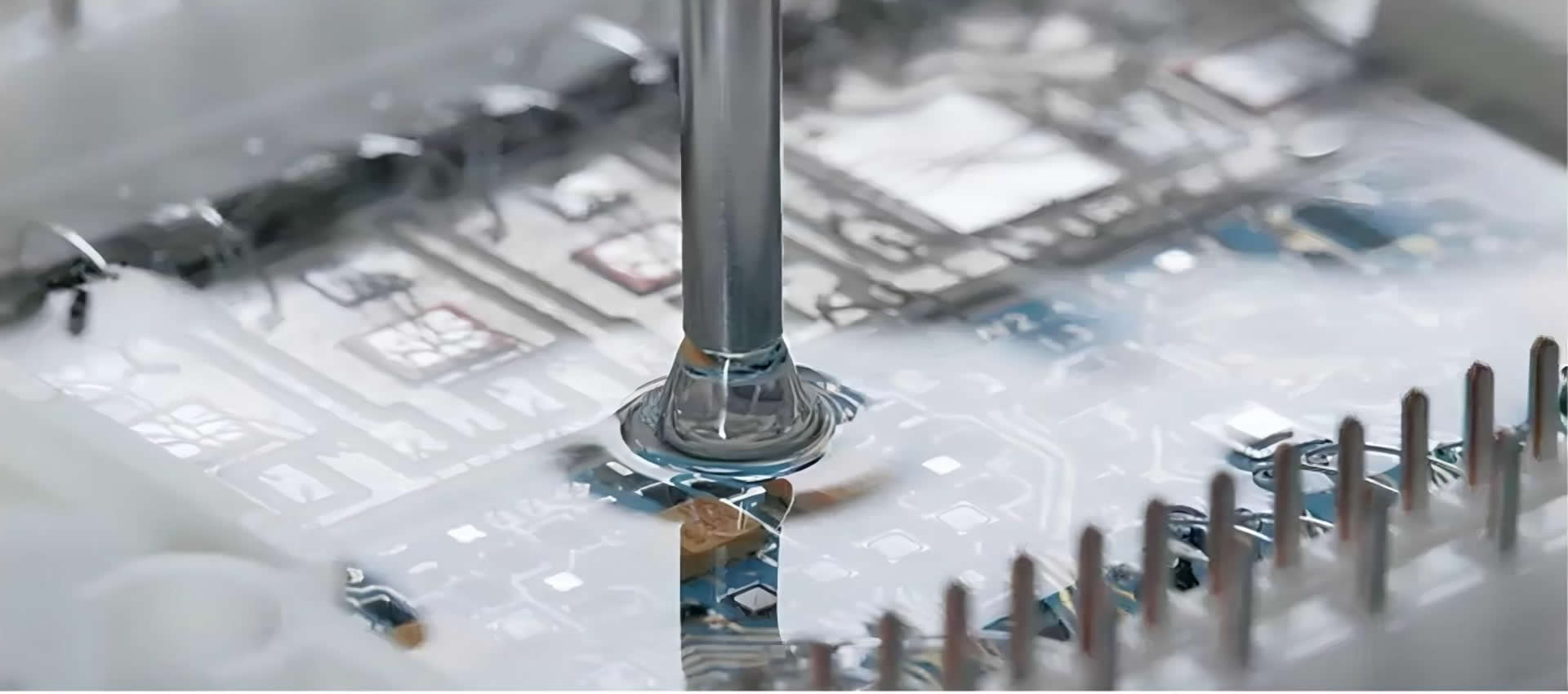
Vinyl Terminated Silicone Fluid
Everything you need to know about our products and company
Vinyl terminated silicone fluid, also known as vinyl-terminated polydimethylsiloxane (Vi-PDMS), is a specialized organosilicone compound featuring reactive vinyl groups (-CH=CH₂) at both ends of the polymer chain. This unique chemical structure consists of a backbone of alternating silicon and oxygen atoms (siloxane backbone) with vinyl groups attached to the silicon atoms, providing exceptional versatility and reactivity.
The global vinyl silicone oil market is characterized by moderate concentration with approximately 20-30 significant manufacturers holding substantial market share. These products typically feature vinyl content ranging from 0.06% to 0.70% and viscosity spanning from 100 cSt to over 100,000 cSt, with purity often exceeding 99.5%.
Vinyl terminated silicone fluids exhibit remarkable physical and chemical properties that make them indispensable across multiple industries:
Thermal Performance: These materials demonstrate excellent thermal stability, operating effectively from -50°C to +200°C, with fire points reaching 340°C or greater. This makes them ideal for high-temperature applications in automotive, aerospace, and electronics sectors.
Chemical Resistance: Like other silicones, they are inert to many chemicals and resistant to oxidation, making them suitable for harsh environments. Their hydrophobic nature provides superior water repellency and moisture resistance.
Electrical Properties: With excellent dielectric strength and insulation properties, vinyl terminated silicone fluids are widely used in electrical and electronic applications, including transformers, capacitors, and semiconductor encapsulation.
Mechanical Performance: The siloxane backbone provides exceptional flexibility, while the reactive vinyl groups enable cross-linking to form elastomers with enhanced mechanical strength and durability.
The production of vinyl terminated silicone fluid involves sophisticated chemical synthesis processes. One preparation method involves reacting hydroxyl-terminated linear polydimethylsiloxane with vinyl mono end socket and trifluoromethane sulfonic acid at controlled temperatures (55-80°C for 1-2 hours), followed by further reaction at 80-100°C under vacuum conditions.
Quality control parameters include viscosity measurement (typically at 25°C), vinyl content determination, volatile matter content (≤1.5% at 150°C for 3 hours), specific gravity, and refractive index. These parameters are critical for ensuring consistent performance across different applications.
The global silicone fluids market presents significant growth opportunities. According to market research, the silicone fluids market was valued at approximately 6.04billionin2023andisprojectedtoreach9.16 billion by 2032, growing at a CAGR of 4.74% during the forecast period.
Regional Market Analysis:
Electronics and Semiconductors: Vinyl terminated silicone fluids are essential for silicon wafer processing, semiconductor manufacturing, and optical fiber production. They serve as base materials for electronic-grade silicone rubber, providing thermal management and encapsulation for high-power devices.
Automotive Industry: The rise of electric vehicles (EVs) has significantly increased demand for heat-resistant silicone fluids used in battery thermal management systems, gaskets, seals, and lubricants. These materials ensure enhanced efficiency and longevity of vehicle components.
Healthcare and Medical Devices: Medical-grade silicone fluids are used in medical devices, implants, and healthcare products due to their biocompatibility, thermal stability, and flexibility. They are FDA 510k approved for medical applications.
Construction and Building Materials: Used in sealants, adhesives, and coatings for their weather resistance, flexibility, and durability. They provide waterproofing solutions and enhance the performance of construction materials.
Personal Care and Cosmetics: Silicone fluids are widely used in personal care products for their smoothness, softness, and water resistance. They function as conditioning agents in hair care products, skin protectants, and anti-foaming agents.
The EU REACH Regulation (Registration, Evaluation, Authorization, and Restriction of Chemicals) is a comprehensive framework that ensures chemicals used in Europe are safe for human health and the environment. For vinyl terminated silicone fluid manufacturers and users targeting the European market, REACH compliance is not optional—it’s mandatory.
Registration Obligations: Manufacturers and importers must register substances produced or imported in quantities of 1 tonne or more per year. This involves submitting a technical dossier containing information on the substance’s properties, uses, and classification.
Substance Evaluation: ECHA may evaluate registered substances to clarify concerns about risks to human health or the environment. This may lead to further information requirements or regulatory action.
Authorization: Substances of Very High Concern (SVHC) may require authorization for specific uses. The authorization process ensures that risks from SVHC are properly controlled and that these substances are progressively replaced by safer alternatives when technically and economically feasible.
Restrictions: REACH can restrict the manufacture, placing on the market, or use of substances that pose an unacceptable risk to human health or the environment.
On May 17, 2024, the European Commission amended REACH Annex XVII Entry 70 concerning siloxane substances. The amendment added dodecamethylcyclohexasiloxane (D6, CAS No. 540-97-6) to the existing restrictions for octamethylcyclotetrasiloxane (D4) and decamethylcyclopentasiloxane (D5).
Key Restrictions:
Product Reformulation: Manufacturers must ensure their vinyl terminated silicone fluids contain D4, D5, and D6 at concentrations below the 0.1% threshold. This may require process optimization and purification techniques to remove these cyclic siloxanes.
Supply Chain Management: Companies must conduct thorough due diligence on their supply chains to ensure upstream providers comply with REACH requirements. This includes obtaining declarations of conformity and conducting regular audits.
Documentation and Testing: Maintain comprehensive documentation including safety data sheets (SDS), technical dossiers, and test reports demonstrating compliance with concentration limits. Regular testing should be conducted to verify ongoing compliance.
Alternative Development: Invest in R&D for low-volatile and eco-friendly alternatives that meet performance requirements while complying with REACH restrictions. This includes developing bio-based silicone fluids and formulations with reduced environmental impact.
Beyond the EU, manufacturers must navigate varying regulatory frameworks across different regions:
United States: The FDA regulates silicone fluids under the Federal Food, Drug and Cosmetic Act (FD&C Act), with specific approvals for use in cosmetics, personal care products, and medical devices. The TSCA (Toxic Substances Control Act) governs chemical substances in commerce.
China: The country has implemented its own chemical registration system, similar to REACH, requiring registration and assessment of chemical substances. Chinese regulations also include restrictions on certain hazardous substances.
Other Regions: Countries like Japan, South Korea, and Canada have established chemical management programs with varying requirements for registration, evaluation, and restriction of chemical substances.
ISO Standards: Many manufacturers hold ISO 9001 (quality management), ISO 14001 (environmental management), and IATF 16949 (automotive quality management) certifications, demonstrating commitment to quality and continuous improvement.
ASTM Standards: ASTM D4652-20 specifies requirements for silicone fluid used in transformers, capacitors, and electronic assemblies as insulating or cooling media. This standard covers physical, electrical, and chemical properties including viscosity, dielectric breakdown, and PCB content.
Medical Device Regulations: For medical applications, compliance with FDA 510k approval, CE marking for the European market, and other regional medical device regulations is essential.
The silicone industry is increasingly focused on sustainability initiatives:
Green Chemistry Principles: Manufacturers are adopting green chemistry principles to reduce the environmental impact of production processes, minimize waste generation, and develop more sustainable products.
Bio-based Alternatives: Research into bio-based silicone fluids derived from renewable resources is gaining traction, offering reduced carbon footprint and improved environmental credentials.
Circular Economy: Efforts are underway to improve recyclability of silicone products and develop closed-loop systems for silicone waste management.
Biyuan stands at the forefront of vinyl terminated silicone fluid manufacturing, offering comprehensive solutions that meet the most stringent international standards. Our commitment to quality, innovation, and regulatory compliance makes us the preferred choice for global customers seeking reliable silicone fluid products.
Technical Excellence: Biyuan’s vinyl terminated silicone fluids are engineered to deliver exceptional performance across diverse applications. With viscosity ranges from 100 cSt to over 100,000 cSt and vinyl content precisely controlled to meet specific application requirements, our products ensure optimal performance in demanding environments.
REACH Compliance Assurance: All Biyuan vinyl terminated silicone fluids are manufactured to comply with EU REACH regulations, including the latest restrictions on D4, D5, and D6 siloxanes. Our rigorous quality control processes ensure that our products contain these substances at concentrations well below the 0.1% threshold, providing peace of mind for customers targeting the European market.
Global Market Access: With extensive experience in international trade and regulatory compliance, Biyuan supports customers in navigating complex global regulatory landscapes. Our products are designed to meet the requirements of multiple markets, including the EU, North America, Asia-Pacific, and beyond.
Customized Solutions: Understanding that different applications require specific performance characteristics, Biyuan offers customized formulations tailored to meet unique customer requirements. Our technical team works closely with clients to develop solutions that optimize performance while ensuring regulatory compliance.
Sustainable Manufacturing: Biyuan is committed to sustainable manufacturing practices, continuously investing in process optimization and environmental protection. Our production facilities adhere to the highest environmental standards, minimizing waste and reducing our carbon footprint.
Technical Support: Our dedicated technical support team provides comprehensive assistance, from product selection and application guidance to regulatory compliance advice. We partner with our customers throughout the product lifecycle, ensuring successful implementation and optimal performance.
By choosing Biyuan as your vinyl terminated silicone fluid supplier, you gain access to high-quality, REACH-compliant products backed by technical expertise and global market knowledge. Our commitment to excellence and customer satisfaction makes us the ideal partner for your silicone fluid needs.
Our most popular products loved by customers worldwide
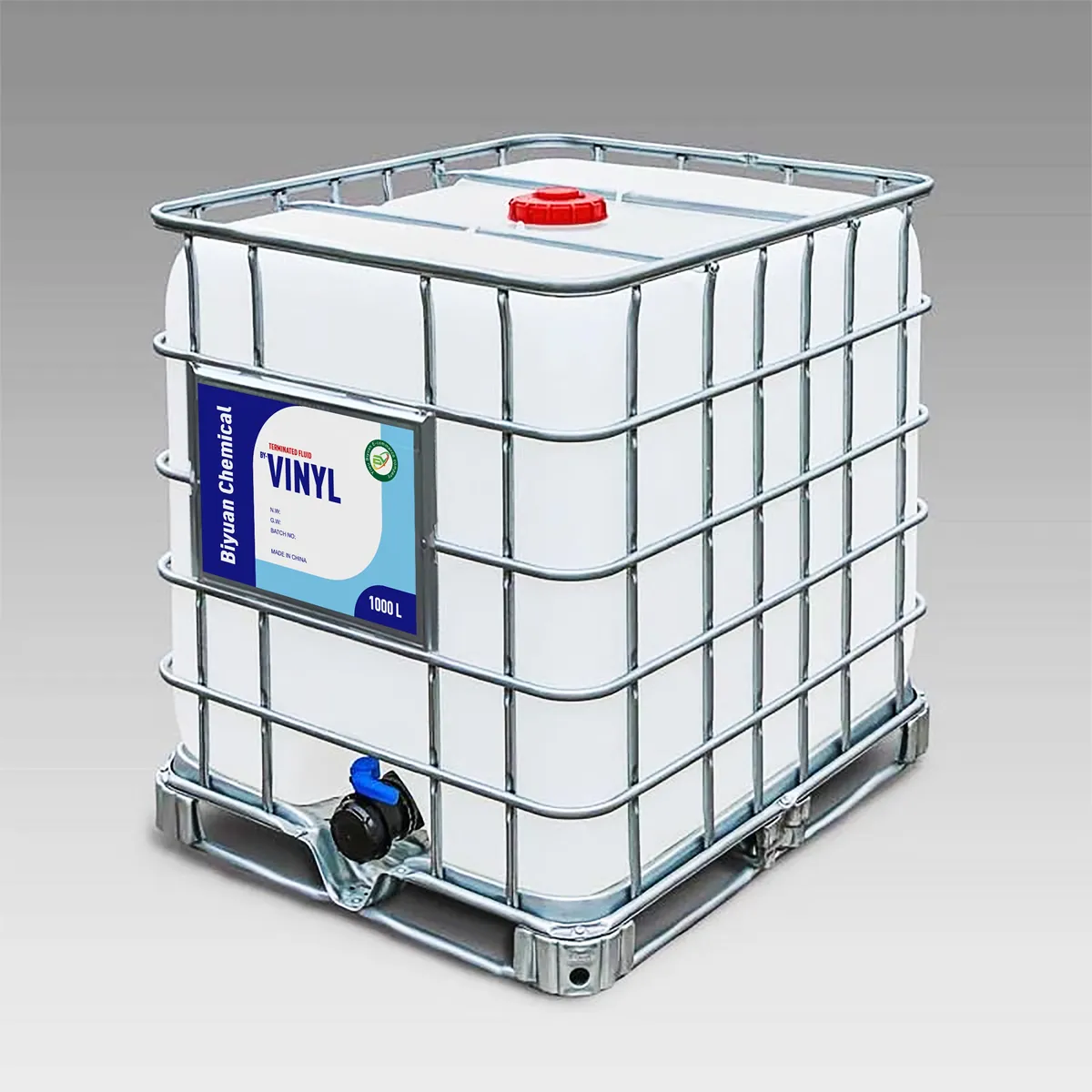
Vinyl termified silicone fluids represent a specialized class of medical-grade materials engineered for advanced healthcare applications. These reactive fluids feature terminal vinyl groups that enable precise molecular customization and controlled crosslinking capabilities, making them ideal for developing implantable devices, drug delivery systems, and d.
Vinyl silicone fluid is revolutionizing cosmetic and personal care formulations through its unique reactive properties and sensory enhancement capabilities. This functional silicone material features terminal vinyl groups that enable customizable cross-linking while maintaining the characteristic smoothness of silicone-based ingredients. Vinyl sili.
Vinyl silicone fluid, as a core functional silicone product, demonstrates exceptional versatility and reliability in the industrial additives sector. Its unique molecular structure combines the flexibility of a siloxane backbone with the reactivity of terminal vinyl groups, delivering customized solutions for various industrial applications. In polymer .
Vinyl terminated fluid is emerging as a transformative additive in textile and leather manufacturing, offering a unique combination of processing enhancement and performance optimization. This reactive silicone fluid leverages its terminal vinyl groups to create durable molecular bridges with fibers and leather substrates, delivering lasting functional ben.