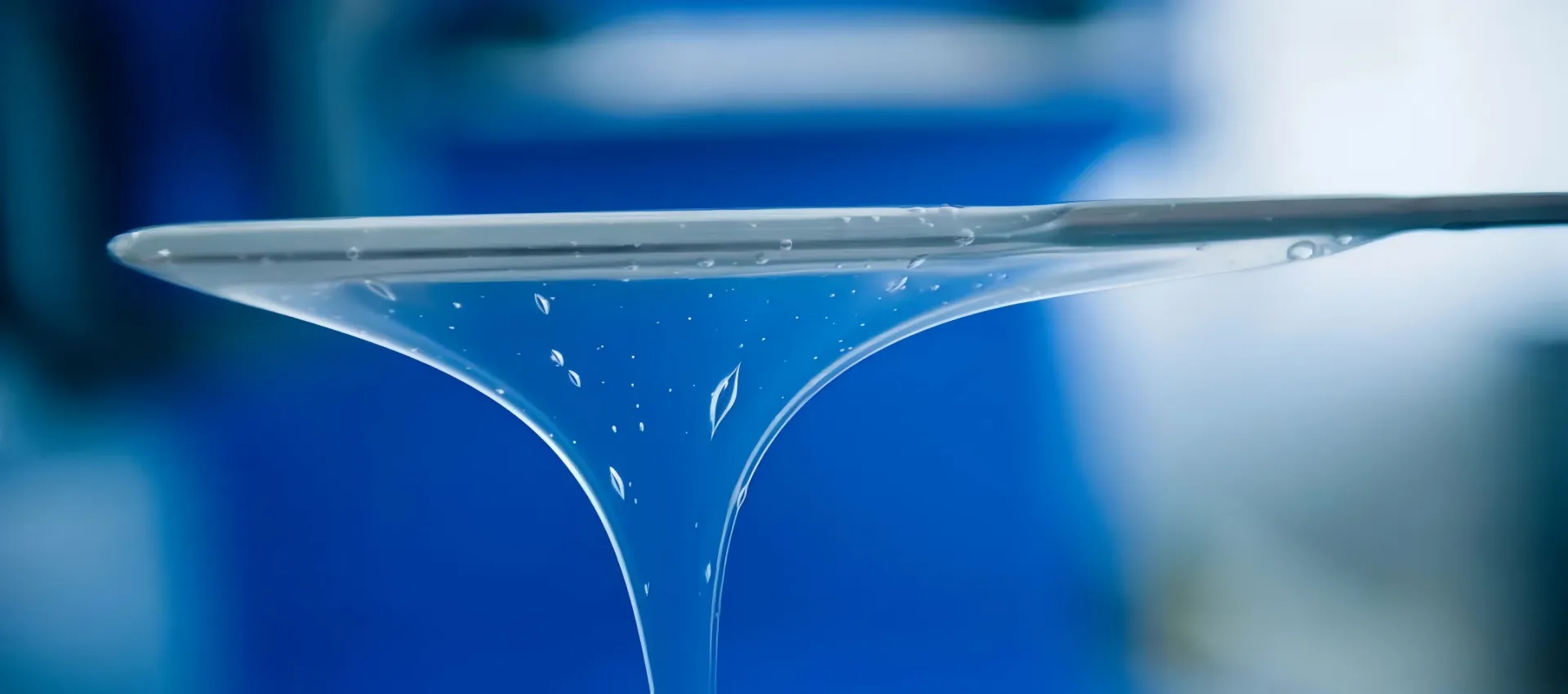
Vinyl Terminated Silicone Fluid factory
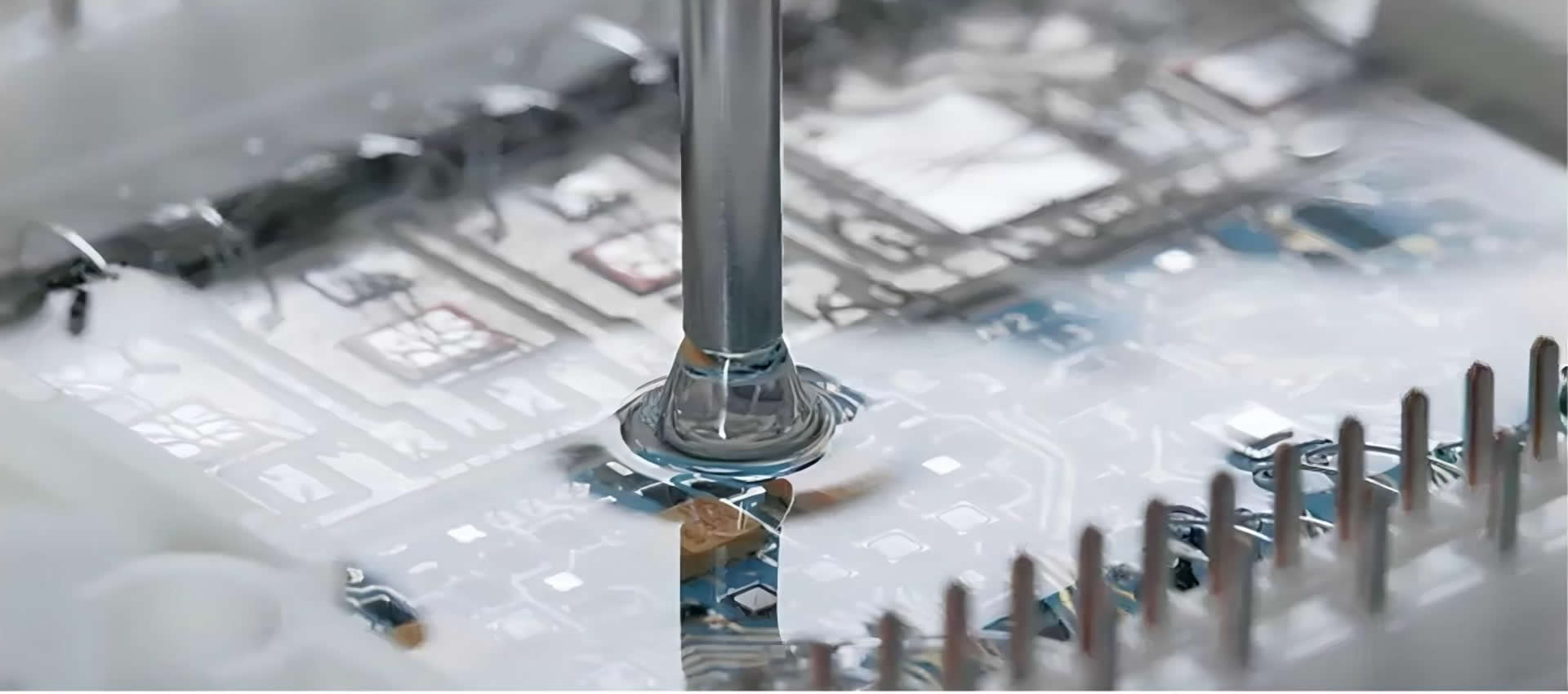
Vinyl Terminated Silicone Fluid
Everything you need to know about our products and company
When comparing silicone-based fluids, understanding the fundamental differences between vinyl terminated silicone fluid and conventional polydimethylsiloxane (PDMS) is crucial for selecting the right material for specific applications. While both share a silicone-oxygen backbone, their chemical structures and functional properties differ significantly, making each suitable for distinct industrial uses.
The primary distinction lies in their molecular architecture. Conventional polydimethylsiloxane (PDMS) typically features a silicon-oxygen backbone with methyl groups attached along the chain, and may be terminated with various inactive groups such as hydroxyl or methyl units . In contrast, vinyl terminated silicone fluid is a specialized form of PDMS that incorporates reactive vinyl groups (-CH=CH₂) at both ends of the polymer chain .
This structural difference might seem minor, but it significantly impacts the material’s reactivity and functionality. The terminal vinyl groups serve as active sites that participate in chemical reactions, particularly in platinum-catalyzed addition curing systems . This reactive capability is absent in standard PDMS fluids, which generally remain chemically inert and non-reactive .
Vinyl terminated silicone fluid’s defining feature is its ability to engage in crosslinking reactions through its terminal vinyl groups. This property makes it invaluable in applications requiring curing and elastomer formation, such as in liquid silicone rubber (LSR) and high-temperature vulcanized (HTV) silicone rubber . When combined with crosslinkers like hydrogenated siloxanes in the presence of platinum catalysts, these fluids form durable, resilient networks with enhanced mechanical properties .
Standard PDMS, particularly hydroxy-terminated versions, lacks this specific reactivity. While it can undergo condensation curing, it doesn’t offer the same controlled addition-curing mechanism that makes vinyl terminated variants so valuable in precision manufacturing .
Both materials demonstrate good thermal stability, but vinyl terminated silicone fluid typically excels in high-temperature applications. It maintains stability at temperatures up to 300°C, outperforming many conventional PDMS fluids which are generally stable up to approximately 200°C . This enhanced thermal resistance, combined with low volatility, makes vinyl terminated silicone fluid particularly valuable in demanding environments such as automotive engine components and aerospace applications .
The crosslinking capability of vinyl terminated silicone fluid enables the formation of materials with superior mechanical strength. Formulations based on this fluid can achieve tensile strengths exceeding 5 MPa with elongation rates over 300%, outperforming conventional silicone rubbers . This strength-flexibility balance is difficult to achieve with standard PDMS without additional modification or filler incorporation.
The unique properties of each material dictate their suitability for different applications:
Vinyl terminated silicone fluid is extensively used in electronic encapsulation and potting compounds where its protective qualities shield sensitive components from moisture, dust, and thermal shock . Its low volatility ensures long-term reliability in harsh conditions, making it ideal for protecting microchips and sensors . Conventional PDMS finds use in thermal interface materials and as dielectric fluids, but lacks the reactive capability for applications requiring covalent bonding to substrates .
In automotive and aerospace applications, vinyl terminated silicone fluid serves as a critical component in sealants, gaskets, and lubricants . Its ability to withstand extreme temperatures and maintain flexibility under thermal cycling makes it indispensable for engine components and fuel systems . The material’s excellent adhesion properties, particularly in low-temperature curing applications, solve significant challenges in automotive manufacturing .
Both materials see medical applications, but vinyl terminated silicone fluid’s biocompatibility and capacity for precise curing make it suitable for more demanding applications such as implant coatings, surgical tools, and drug delivery systems . Standard PDMS is used in devices like contact lenses and tubing, where its optical clarity and oxygen permeability are advantageous .
The reactive nature of vinyl terminated silicone fluid makes it particularly valuable in coating applications. It serves as a key modifier in low-VOC industrial coatings, helping reduce environmental impact while maintaining performance . Its compatibility with various resin systems enables the creation of durable, protective coatings with enhanced properties like scratch resistance and water repellency .
The global market for silicone fluids has seen significant evolution, with vinyl terminated variants experiencing growing demand across multiple sectors. The Asia-Pacific region, particularly China, has emerged as a major driver of vinyl terminated silicone fluid demand, reflecting the area’s manufacturing growth and technological advancement .
Environmental regulations worldwide have accelerated the adoption of vinyl terminated silicone fluids as industries seek sustainable alternatives to traditional materials. Their role in reducing VOC emissions in industrial coatings represents a significant environmental advantage . Additionally, the material’s compatibility with green building certifications like LEED and BREEAM further supports its market position .
Both vinyl terminated silicone fluid and conventional PDMS must meet stringent quality standards, particularly for specialized applications. Medical-grade variants require biocompatibility testing and compliance with regulations such as FDA requirements for specific applications . Manufacturers typically adhere to international standards including ISO quality management systems and industry-specific certifications to ensure product consistency and safety .
Heavy metal content regulations represent another critical consideration, particularly for products used in consumer goods, medical devices, and food-contact applications . Premium-grade vinyl terminated silicone fluids undergo rigorous testing to ensure compliance with global standards such as RoHS and REACH .
As a leading manufacturer in the specialty chemicals sector, Biyuan has positioned itself at the forefront of vinyl terminated silicone fluid innovation. With over a decade of research and development focused on advanced silicone materials, Biyuan has developed formulations that push the performance boundaries of these functional fluids .
Biyuan’s manufacturing expertise enables precise control over key parameters such as vinyl content (typically 0.1-3.47%) and viscosity (ranging from 20 cSt to 10,000 cSt), allowing for customization to meet specific application requirements . This flexibility ensures that industries from aerospace to microelectronics can obtain optimized solutions for their unique challenges.
The company’s commitment to sustainability is evident in its development of low-VOC formulations that help industrial coating manufacturers comply with increasingly stringent environmental regulations . By prioritizing eco-friendly production methods and closed-loop manufacturing processes, Biyuan demonstrates how technical innovation can align with environmental responsibility .
Biyuan’s vinyl terminated silicone fluids have demonstrated particular effectiveness in solving challenging application problems, such as low-temperature curing in automotive manufacturing . By developing specialized formulations that cure efficiently at temperatures as low as -5°C, Biyuan has enabled automotive manufacturers to maintain production efficiency even in cold-weather conditions, addressing a persistent industry challenge .
The evolution of silicone fluids continues as market demands become more specialized. Research focuses on enhancing properties such as thermal conductivity for next-generation electronics cooling applications, and improving biocompatibility for advanced medical devices . The integration of nanotechnology with vinyl terminated silicone fluids represents another promising direction, particularly for anti-corrosion applications .
As industries continue to prioritize materials that offer both performance and environmental benefits, vinyl terminated silicone fluids are well-positioned to replace less sustainable alternatives. Their unique combination of reactivity, stability, and adaptability ensures their ongoing relevance across multiple sectors, from renewable energy to advanced electronics .
The distinction between vinyl terminated silicone fluid and conventional polydimethylsiloxane is fundamentally rooted in their chemical structures and resultant properties. While standard PDMS offers valuable characteristics like hydrophobicity and optical clarity, vinyl terminated silicone fluid provides enhanced reactivity, superior mechanical properties after curing, and broader temperature stability. These differences make each material uniquely suited to specific applications across diverse industries.
Understanding these key differences enables manufacturers and engineers to make informed material selection decisions based on application requirements, performance expectations, and regulatory considerations. As technology advances, specialized materials like vinyl terminated silicone fluid will continue to enable innovations across sectors, driven by manufacturers committed to both performance excellence and sustainable solutions.
Our most popular products loved by customers worldwide
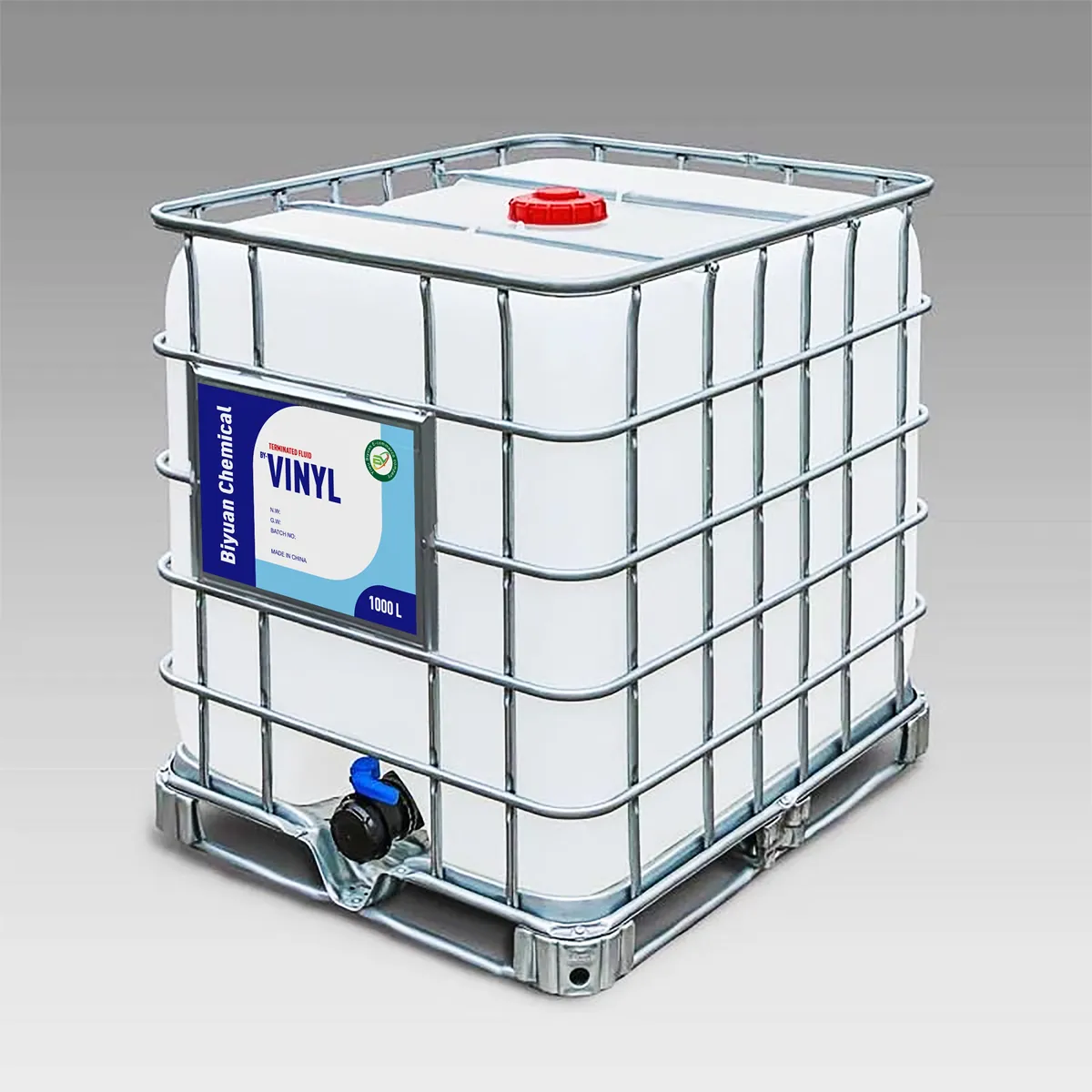
Vinyl termified silicone fluids represent a specialized class of medical-grade materials engineered for advanced healthcare applications. These reactive fluids feature terminal vinyl groups that enable precise molecular customization and controlled crosslinking capabilities, making them ideal for developing implantable devices, drug delivery systems, and d.
Vinyl silicone fluid is revolutionizing cosmetic and personal care formulations through its unique reactive properties and sensory enhancement capabilities. This functional silicone material features terminal vinyl groups that enable customizable cross-linking while maintaining the characteristic smoothness of silicone-based ingredients. Vinyl sili.
Vinyl silicone fluid, as a core functional silicone product, demonstrates exceptional versatility and reliability in the industrial additives sector. Its unique molecular structure combines the flexibility of a siloxane backbone with the reactivity of terminal vinyl groups, delivering customized solutions for various industrial applications. In polymer .
Vinyl terminated fluid is emerging as a transformative additive in textile and leather manufacturing, offering a unique combination of processing enhancement and performance optimization. This reactive silicone fluid leverages its terminal vinyl groups to create durable molecular bridges with fibers and leather substrates, delivering lasting functional ben.