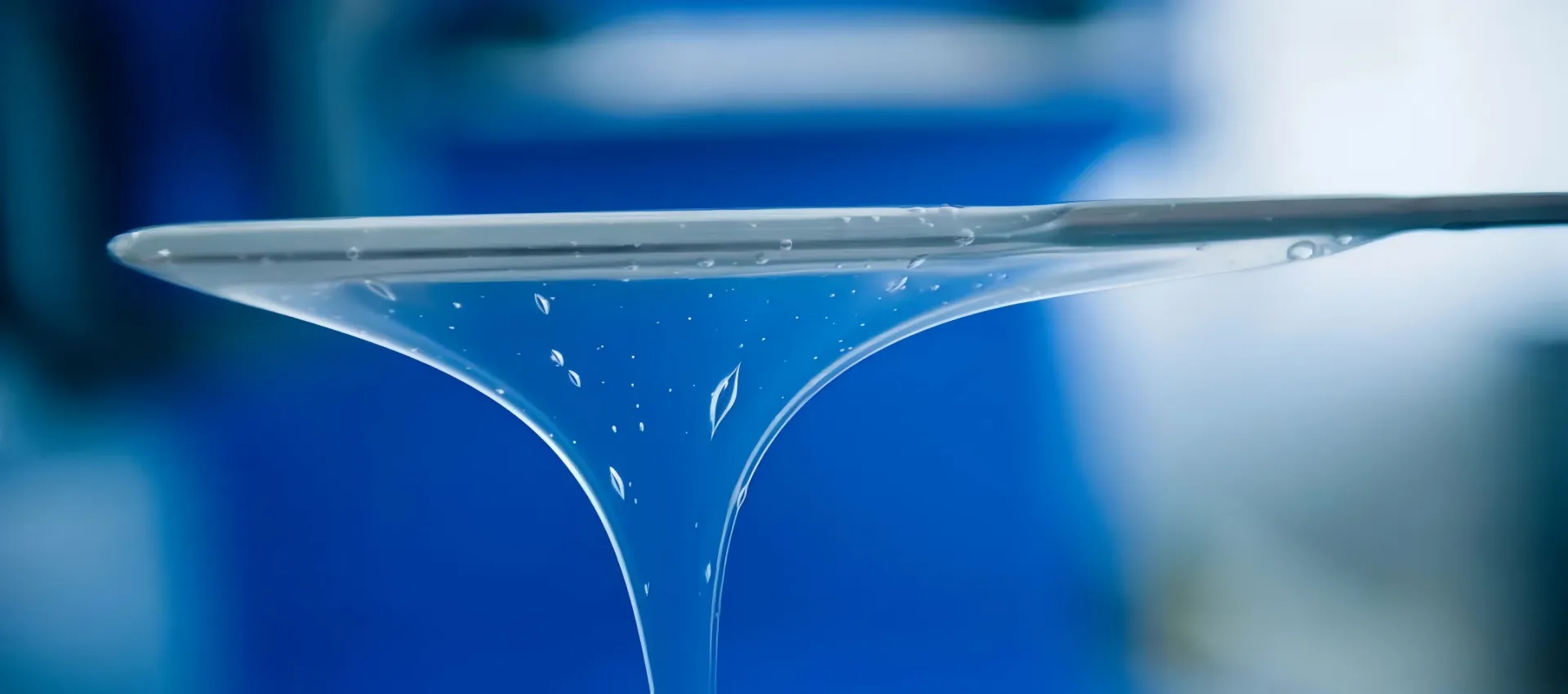
Vinyl Terminated Silicone Fluid factory
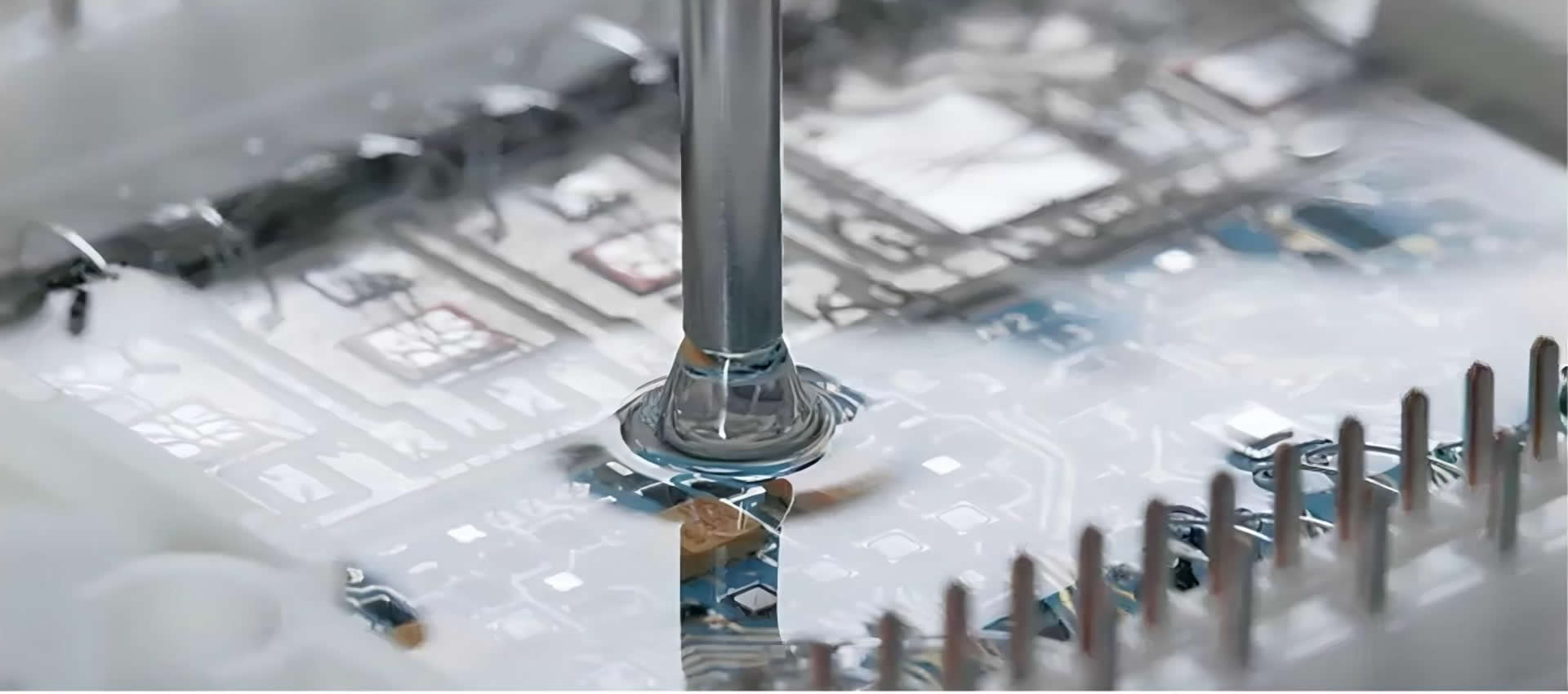
Vinyl Terminated Silicone Fluid
Everything you need to know about our products and company
Vinyl Terminated Silicone Fluid, also known as vinyl-terminated polydimethylsiloxane, represents a specialized category of silicone oils characterized by reactive vinyl groups at both molecular ends. This unique chemical structure, with the formula CH₂=CH-Si(CH₃)₂O[(CH₃)₂SiO]ₙ(CH₃)₂Si-CH=CH₂, enables these materials to participate in addition polymerization reactions, making them essential components in various industrial applications. The vinyl functionality provides excellent reactivity with Si-H groups under platinum catalysis, allowing for precise control over crosslinking density and material properties.
These silicone fluids exhibit remarkable physical characteristics, including low surface tension, excellent thermal stability (with flash points exceeding 240°C), and outstanding electrical insulation properties. Their viscosity can be precisely tailored from 20 to over 100,000 mPa·s at 25°C, while maintaining low volatility and high chemical inertness. The ethylene content typically ranges from 0.15% to 9.00%, depending on the molecular weight and specific application requirements.
The global market for vinyl terminated silicone fluids has experienced robust growth, driven by expanding applications across multiple sectors. According to market research, the global silicone fluids market reached approximately $28.6 billion in 2023, with North America accounting for 34% of market share, Europe 29%, and Asia-Pacific 31%. The market is projected to maintain steady growth through 2030, supported by increasing demand from emerging economies and technological advancements.
Production capacity is concentrated among major players, with Dow Inc., Momentive Performance Materials, Wacker Chemie AG, and Shin-Etsu Chemical dominating the high-end segment. China has emerged as a significant production hub, with capacity exceeding 18,000 tons annually by 2024, representing 26.5% of global capacity. Leading Chinese manufacturers include Wynca Group (新安集团), which has established comprehensive production capabilities from silicon metal to finished silicone products.
The industry structure has evolved toward vertical integration, with major players controlling the entire value chain from raw material extraction to downstream applications. This integration strategy enhances supply chain resilience and cost competitiveness, particularly in volatile market conditions.
Vinyl terminated silicone fluids demonstrate exceptional thermal stability, with decomposition temperatures exceeding 500°C under inert atmosphere. Their low-temperature performance is equally impressive, with pour points below -50°C, making them suitable for extreme temperature applications. The materials exhibit excellent dielectric properties, with volume resistivity exceeding 10¹³ Ω·cm and dissipation factors below 0.001 at 90°C.
The viscosity range spans from low-viscosity fluids (20-100 mPa·s) for easy processing to high-viscosity grades (up to 100,000 mPa·s) for specialized applications. This versatility allows formulators to tailor rheological properties precisely to meet specific performance requirements.
These silicone fluids maintain chemical inertness across a wide pH range and resist degradation by most chemicals, including acids, bases, and oxidizing agents. The vinyl groups provide selective reactivity, enabling controlled crosslinking while maintaining compatibility with various organic polymers and fillers. The materials exhibit low surface energy (20-24 mN/m), contributing to their excellent release properties and surface wetting characteristics.
The production of vinyl terminated silicone fluids involves sophisticated chemical processes, typically starting from cyclic siloxane monomers such as octamethylcyclotetrasiloxane (D4) or hexamethylcyclotrisiloxane (D3). The synthesis employs acid or base catalysis under controlled conditions to achieve the desired molecular weight distribution and end-group functionality.
Advanced purification techniques, including molecular distillation and precision fractionation, ensure high purity levels exceeding 99.95%. This purification is critical for applications requiring low ionic content and minimal volatile components, particularly in electronics and medical applications.
Manufacturers implement rigorous quality control systems, including ISO 9001 certification and compliance with international standards such as ISO 5119 for material testing. Key quality parameters monitored include viscosity, vinyl content, volatile content, and trace metal impurities. Advanced analytical techniques, including NMR spectroscopy, FTIR, and chromatography, provide comprehensive characterization of molecular structure and composition.
Thermal stability testing follows standardized protocols, including thermogravimetric analysis (TGA) to determine decomposition onset temperatures and weight loss profiles under various atmospheres. Accelerated aging tests at elevated temperatures (typically 150-200°C) evaluate long-term performance under simulated service conditions. These tests assess changes in viscosity, mechanical properties, and chemical composition over extended periods.
Dynamic mechanical analysis (DMA) measures viscoelastic properties across temperature and frequency ranges, providing insights into material behavior under dynamic loading conditions. Tensile testing evaluates mechanical strength, elongation at break, and tear resistance, while hardness measurements assess crosslinking density and material consistency.
Weathering tests, including xenon arc exposure (Q-SUN) and UV aging, simulate outdoor exposure conditions to evaluate resistance to photo-oxidative degradation. Chemical resistance testing assesses material compatibility with various solvents, oils, and chemicals encountered in service environments.
Dielectric strength testing measures breakdown voltage under high electric fields, while volume resistivity and surface resistivity assessments characterize insulation properties. These tests are critical for applications in electronics and electrical insulation.
The industry adheres to multiple international standards, including ISO 5119 for low-temperature sealing performance testing and IEC 61124 for reliability testing of constant failure rates. These standards provide comprehensive frameworks for material qualification and performance validation.
Manufacturers must comply with regional regulations, including REACH in Europe, which classifies certain siloxanes as Substances of Very High Concern (SVHC). Products intended for medical or food contact applications require additional certifications, such as USP Class VI and FDA compliance.
Leading manufacturers implement ISO 9001 quality management systems and ISO 14001 environmental management systems to ensure consistent product quality and environmental responsibility throughout the product lifecycle.
Vinyl terminated silicone fluids serve as key components in liquid silicone rubbers (LSR) for electronic encapsulation, providing excellent electrical insulation, thermal stability, and moisture resistance. They are used in LED packaging, semiconductor encapsulation, and high-voltage insulation applications.
In the automotive sector, these materials find application in gaskets, seals, and vibration damping components. Their thermal stability and chemical resistance make them ideal for under-hood applications and battery thermal management systems in electric vehicles.
Medical-grade vinyl terminated silicone fluids are used in implantable devices, drug delivery systems, and medical tubing due to their biocompatibility and sterilizability. They meet stringent requirements for extractables and leachables testing.
In personal care and cosmetics, these silicone fluids provide silky texture, improved spreadability, and water resistance in formulations. They are used in hair care products, skin care creams, and makeup formulations.
Industrial applications include mold release agents, defoamers, and lubricants, where their thermal stability and chemical inertness provide superior performance compared to organic alternatives.
Biyuan stands at the forefront of silicone innovation, leveraging decades of expertise to deliver high-performance vinyl terminated silicone fluids that meet the most demanding application requirements. Our commitment to quality begins with rigorous raw material selection and extends through every stage of manufacturing, ensuring consistent product performance and reliability.
Our product portfolio encompasses a comprehensive range of vinyl terminated silicone fluids, from low-viscosity grades for easy processing to high-viscosity formulations for specialized applications. Each product undergoes extensive testing under our proprietary quality assurance program, which includes accelerated aging tests, mechanical property evaluation, and environmental resistance assessments. This comprehensive testing approach guarantees that Biyuan products deliver exceptional performance throughout their service life.
Biyuan’s technical support team works closely with customers to develop customized solutions that address specific application challenges. Our R&D capabilities include state-of-the-art analytical instrumentation and pilot-scale production facilities, enabling rapid prototyping and product optimization. We maintain strict compliance with international standards and regulatory requirements, ensuring that our products meet the highest quality and safety standards.
As a trusted partner in the silicone industry, Biyuan continues to invest in innovation and sustainability, developing next-generation materials that push the boundaries of performance while minimizing environmental impact. Our commitment to excellence and customer satisfaction has established Biyuan as a preferred supplier for leading manufacturers across multiple industries.
Our most popular products loved by customers worldwide
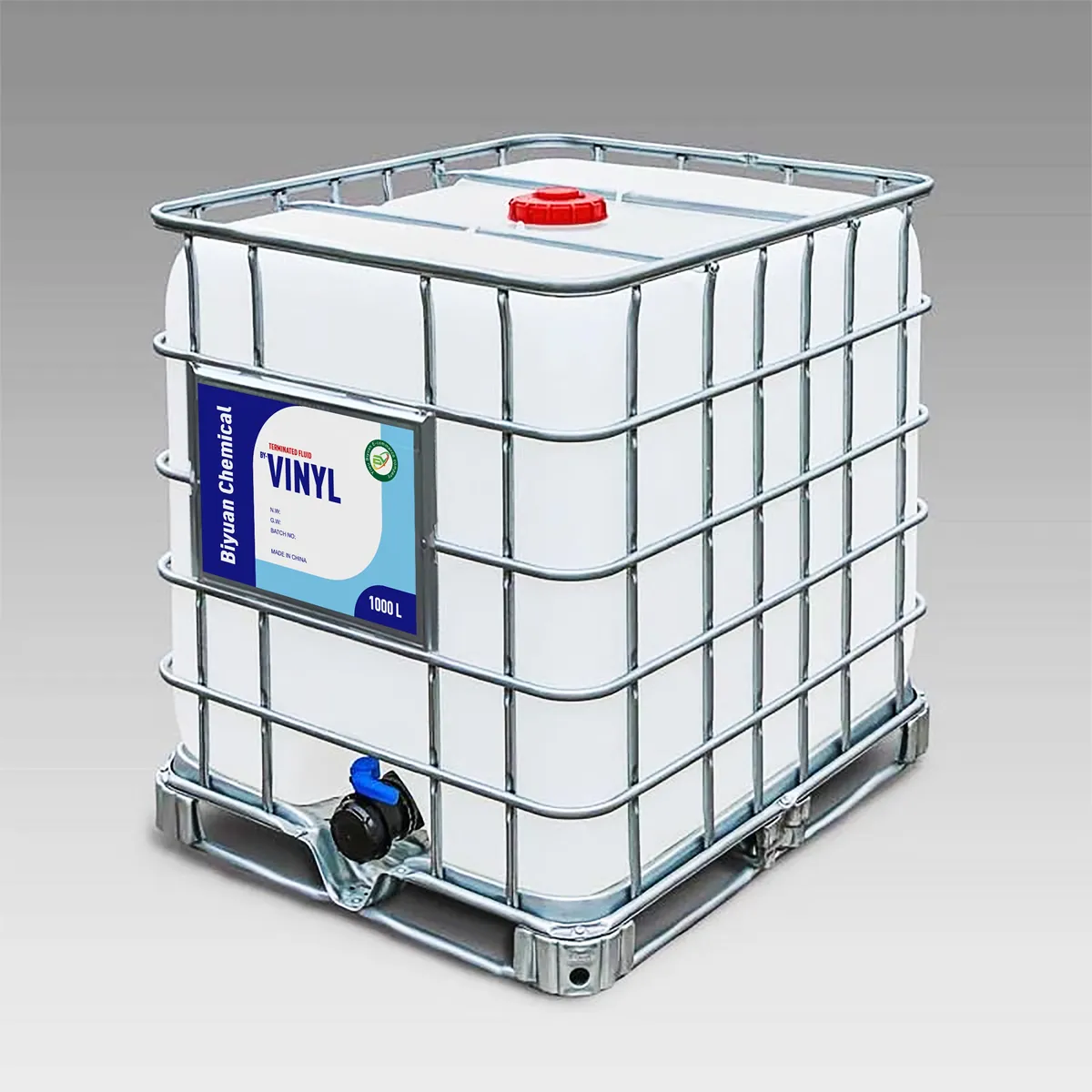
Vinyl termified silicone fluids represent a specialized class of medical-grade materials engineered for advanced healthcare applications. These reactive fluids feature terminal vinyl groups that enable precise molecular customization and controlled crosslinking capabilities, making them ideal for developing implantable devices, drug delivery systems, and d.
Vinyl silicone fluid is revolutionizing cosmetic and personal care formulations through its unique reactive properties and sensory enhancement capabilities. This functional silicone material features terminal vinyl groups that enable customizable cross-linking while maintaining the characteristic smoothness of silicone-based ingredients. Vinyl sili.
Vinyl silicone fluid, as a core functional silicone product, demonstrates exceptional versatility and reliability in the industrial additives sector. Its unique molecular structure combines the flexibility of a siloxane backbone with the reactivity of terminal vinyl groups, delivering customized solutions for various industrial applications. In polymer .
Vinyl terminated fluid is emerging as a transformative additive in textile and leather manufacturing, offering a unique combination of processing enhancement and performance optimization. This reactive silicone fluid leverages its terminal vinyl groups to create durable molecular bridges with fibers and leather substrates, delivering lasting functional ben.