How is Vinyl Terminated Silicone Fluid classified by viscosity? - Vinyl Terminated Silicone Fluid factory
Vinyl Terminated Silicone Fluid
Information Center
Everything you need to know about our products and company
Understanding the Viscosity Classification of Vinyl Terminated Silicone Fluid
Vinyl terminated silicone fluid, a versatile polymer widely used in industrial applications, is meticulously categorized based on its viscosity to meet diverse operational demands. This classification system ensures optimal performance in fields ranging from construction to electronics. Below, we delve into the technical nuances of viscosity classification and its practical implications.
1. Viscosity Ranges and Product Specifications
Vinyl terminated silicone fluids are engineered in a broad spectrum of viscosities, typically measured in centistokes (cSt) or millipascal-seconds (mPa·s) at 25°C. These variations allow tailored solutions for applications requiring different flow characteristics and mechanical properties.
Low Viscosity (100–1,000 cSt): Formulations in this range, such as HS-100 (90–110 cSt) or VF-100 (100 cSt), are ideal for applications demanding high fluidity. They excel as diluents in liquid silicone rubber (LSR) or coatings, ensuring smooth dispersion and easy processing .
Medium Viscosity (1,000–10,000 cSt): Products like HS-1,000 (900–1,100 cSt) or VF-10,000 (10,000 cSt) strike a balance between viscosity and mechanical strength. These are commonly used in potting compounds, encapsulants, and release agents, where moderate flowability and durability are critical .
High Viscosity (10,000–100,000 cSt): Highly viscous grades, such as HS-100,000 (90,000–110,000 cSt) or VF-60,000 (60,000–80,000 cSt), provide exceptional dimensional stability and elasticity. They are preferred for mold-making silicones, RTV-2 sealants, and high-performance adhesives requiring structural integrity .
The viscosity of vinyl terminated silicone fluid is determined by molecular weight and crosslinking density. Higher molecular weight polymers exhibit greater resistance to flow, while additives or fillers may modify viscosity for specific uses. Manufacturers often customize formulations to align with client requirements, such as reduced volatility (<1.5%) or adjusted vinyl content (0.045–1.8%) .
3. Application-Specific Viscosity Selection
Choosing the right viscosity ensures compatibility with operational conditions:
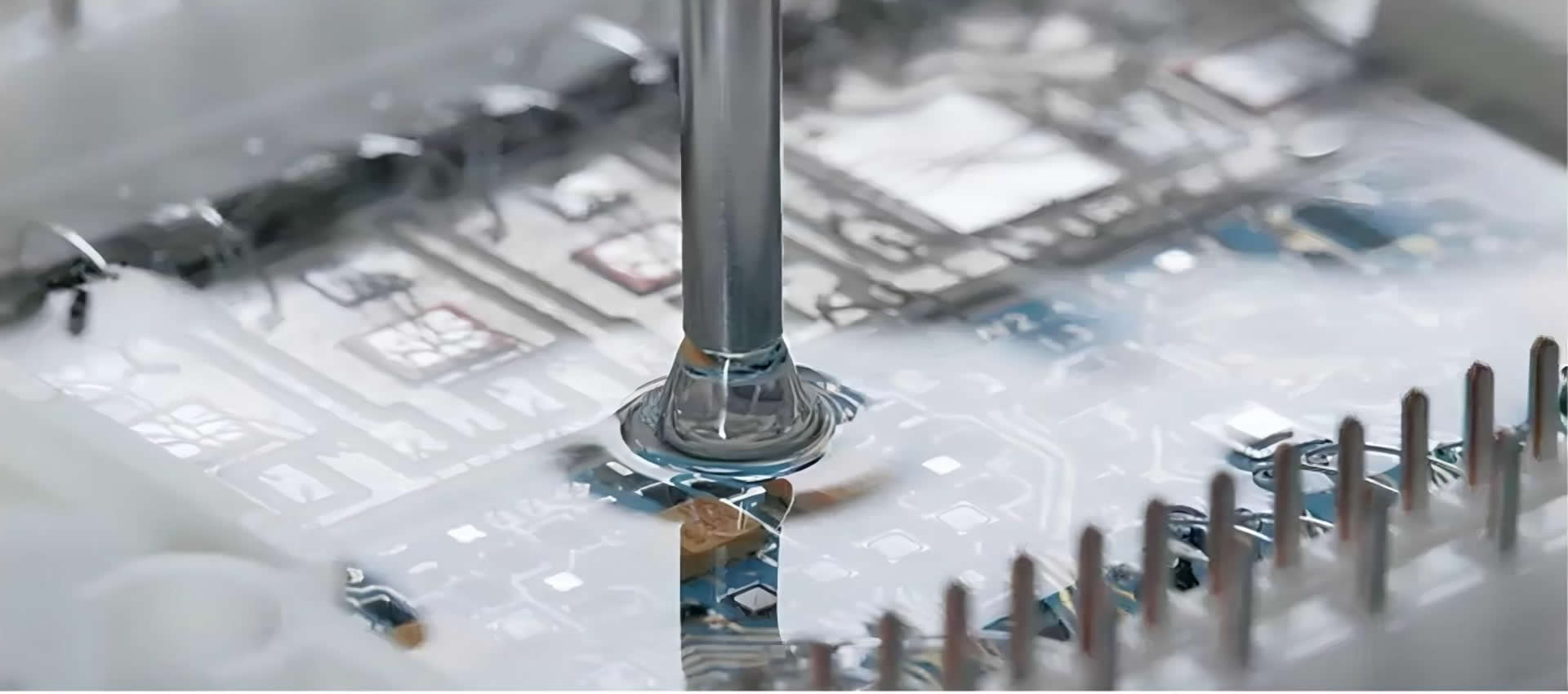
Electronics and Coatings: Low-to-medium viscosity fluids (e.g., VF-500, 400–500 cSt) are ideal for circuit board coatings or waterproofing membranes, where rapid curing and minimal residue are essential .
Automotive and Aerospace: Medium-high viscosity grades (e.g., HS-3,500, 3,150–3,850 cSt) are utilized in gaskets and seals, offering thermal stability and resistance to mechanical stress .
Construction and Adhesives: High-viscosity formulations (e.g., Baiyun SS850, 10,000–60,000 cSt) are pivotal in structural adhesives for glass-aluminum facades, providing long-term durability and weatherproofing .
4. Technical Advantages Across Viscosity Grades
Low Viscosity: Enhances spreadability and reduces energy consumption during application.
Medium Viscosity: Balances workability and mechanical strength for injection molding.
High Viscosity: Delivers superior load-bearing capacity and vibration dampening.
These attributes make vinyl terminated silicone fluids indispensable in industries prioritizing precision and reliability.
5. Biyuan: Precision-Engineered Solutions for Every Viscosity Need
Biyuan stands out as a leader in vinyl terminated silicone fluid innovation, offering a comprehensive portfolio that spans all viscosity ranges. Their products are meticulously tested to meet international standards (e.g., ASTM C920, ISO 11600), ensuring consistent performance in extreme conditions.
Custom Formulations: Biyuan tailors viscosity and vinyl content to client specifications, supporting niche applications like medical-grade sealants or high-temperature adhesives.
Sustainability: With low volatile content (<1.5%) and eco-friendly manufacturing processes, Biyuan aligns with green building initiatives and industrial sustainability goals.
Global Recognition: Trusted by Fortune 500 companies and infrastructure projects worldwide, Biyuan’s fluids are synonymous with quality and reliability.
For industries seeking silicone solutions that balance viscosity flexibility with long-term performance, Biyuan’s engineered fluids provide the ideal balance of science and practicality.
Conclusion The viscosity classification of vinyl terminated silicone fluid is a cornerstone of its industrial utility, enabling applications from delicate electronics to heavy-duty construction. By understanding viscosity ranges and their technical implications, businesses can optimize material selection for enhanced efficiency and durability. Brands like Biyuan exemplify this commitment, delivering cutting-edge solutions that meet evolving market demands.
Optimizing Mixing Temperature for Vinyl Terminated Silicone Fluid: A Complete Guide
In the world of high-performance silicone materials, Vinyl Terminated Silicone Fluidhas emerged as a critical component for advanced applications across industries. The processing temperature during mixing and formulation plays a pivotal role in determining the final pro.
Proper Storage Guide for Vinyl Terminated Silicone Fluid
Understanding Vinyl Terminated Silicone Fluid
Vinyl Terminated Silicone Fluid, chemically known as vinyl-terminated polydimethylsiloxane (CAS No. 68083-19-2), is a crucial intermediate in silicone manufacturing. This reactive polymer features vinyl groups at both molecular terminals, enabling i.
Vinyl terminated silicone fluid is a cornerstone material in industries requiring high-performance thermal management, from aerospace seals to medical device coatings. Ensuring its thermal stability is critical for applications exposed to extreme temperatures. This article dives into proven methodologies, key evaluation criteria, and industry best practice.
The aerospace industry represents the pinnacle of technological precision and performance excellence, where every component and material must meet extraordinary standards of reliability, durability, and safety. As essential contributors to this sector, aerospace chemical support enterprises provide specialized chemical solutions that enable the manufacturi.
When procuring vinyl-terminated silicone fluids for industrial applications, understanding payment terms is critical to maintaining cash flow efficiency and fostering strong supplier relationships. These specialized lubricants, widely used in automotive, electronics, and medical industries, often involve high-value transactions, making clear financial ag.
Vinyl Terminated Silicone Fluid (VTMSF) is a cornerstone material in industries ranging from electronics to healthcare, but its formulation and performance vary significantly between industrial and medical applications. Understanding these distinctions is critical for selecting the right grade to meet safety, regulatory, and functional requirements. Below,.
When sourcing high-performance materials like Vinyl Terminated Silicone Fluid, ensuring quality through sample testing is critical. Bulk purchases demand rigorous verification to avoid costly errors. Below, we outline a streamlined process for requesting samples, evaluating quality, and leveraging trusted suppliers like Biyuan for seamless procurement.
.
How to Determine the Volatility Profile of Vinyl-Terminated Silicone Fluids
Vinyl-terminated silicone fluids are critical components in industries ranging from coatings and adhesives to cosmetics and electronics. Their volatility directly impacts product stability, application performance, and long-term durability. Accurately measuring this property re.
What Makes Vinyl Terminated Silicone Fluid a “Reactive” Choice in Industrial Applications?
In the realm of specialty chemicals, vinyl terminated silicone fluid stands out for its unique chemical structure and versatility. But what exactly defines its “reactivity,” and why is this property so critical for industrial applicatio.
Vinyl Terminated Silicone Fluid in Water-Based Formulations: A Comprehensive Guide
Introduction to Vinyl Terminated Silicone Fluid in Modern Industrial Applications
Vinyl Terminated Silicone Fluid (CAS 68083-19-2) represents a breakthrough in specialty chemical innovation, particularly for manufacturers seeking advanced performance characteristics in.
Global Regulatory Landscape for Vinyl Terminated Silicone Fluid: Compliance and Applications
The use of Vinyl Terminated Silicone Fluid (VT-SF) is subject to a complex framework of international regulations and industry standards designed to ensure safety, quality, and environmental protection. As a key material in sectors ranging from medical devices.
How to Dilute Vinyl Terminated Silicone Fluid for Optimal Application Results
Vinyl Terminated Silicone Fluid is a versatile material widely used across industries for its exceptional properties, including heat resistance, flexibility, and durability. Proper dilution is crucial to achieving the desired consistency for specific applications while maintai.
Understanding Vinyl Terminated Silicone Fluid: Composition, Applications, and Quality Assurance
Vinyl Terminated Silicone Fluid (VT-SF) has emerged as a cornerstone material in industries ranging from electronics to biomedical engineering. But what exactly defines this substance, and how does its composition impact its performance? This article explore.
Understanding Vinyl Terminated Silicone Fluid’s Temperature Tolerance
Vinyl Terminated Silicone Fluid demonstrates remarkable stability across a wide temperature range, including freezing conditions. According to technical specifications, this specialized polymer maintains its properties at temperatures as low as -50°C and can be stored long-te.
Understanding Functional Groups in Vinyl-Terminated Silicone Fluids: Properties and Applications
Vinyl-terminated silicone fluids (VT-SiFs) are specialized organosilicon compounds that play a pivotal role in advanced material science and industrial applications. Their unique molecular architecture, centered around reactive functional groups, enables ex.
In the rapidly evolving new energy vehicle (NEV) industry, component manufacturers face unprecedented demands for performance, durability, and reliability. From battery systems and power electronics to sealing solutions and thermal management, the materials used in NEV components must meet stringent standards under extreme conditions. Among these advanced .
Understanding the Chemical Resistance of Vinyl Terminated Silicone Fluid: A Comprehensive Guide
Vinyl terminated silicone fluid, a versatile polymer widely used in industries ranging from electronics to automotive manufacturing, is renowned for its adaptability and durability. One of its most critical properties—resistance to chemicals—plays a pivotal .
Understanding the Dielectric Constant of Vinyl-Terminated Silicone Fluids: Properties, Applications, and Material Selection
In the realm of advanced materials, vinyl-terminated silicone fluids have emerged as critical components in industries ranging from electronics to aerospace. One of their most crucial properties is the dielectric constant (Dk).
In today’s rapidly evolving industrial landscape, materials that deliver exceptional performance, adaptability, and reliability are driving innovation across sectors. Among these advanced materials, vinyl silicone fluid stands out as a versatile and transformative solution, enabling breakthroughs in industries ranging from electronics and automotive .
Understanding “Vinyl Terminated” in Vinyl Terminated Silicone Fluid: A Comprehensive Guide
In the realm of silicone chemistry, the term ”vinyl terminated” plays a pivotal role in defining the structural and functional properties of silicone fluids. For industries ranging from electronics to cosmetics, understanding this conc.
Tackling Industrial Coating Emissions: Why Vinyl-Terminated Silicone Fluids Are the Sustainable Choice
In industrial coatings, balancing performance with environmental responsibility has never been more critical. As global regulations tighten on volatile organic compound (VOC) emissions—linked to air pollution and health risks—formulators are scrambling.
In the realm of high-performance materials, low molecular weight vinyl-terminated silicone fluid (VTSF) has emerged as a critical component for precision coatings, combining exceptional reactivity with tailored physical properties. Its unique molecular architecture—featuring reactive vinyl end groups on a flexible siloxane backbone—enables formulators to d.
Vinyl Terminated Silicone Fluid: Advancing Wind Turbine Performance and Reliability
The global transition toward renewable energy has intensified the demand for advanced materials that enhance the efficiency and durability of clean energy technologies. Among these, vinyl terminated silicone fluid has emerged as a critical component in wind energy applic.
The global shift toward sustainable manufacturing has triggered a material science revolution, with vinyl terminated silicone fluid (VT silicone fluid) emerging as a environmentally preferable alternative to traditional fluorosilicones. This transition represents more than mere substitution—it reflects a fundamental rethinking of how industrial materials b.
Vinyl Terminated Silicone Fluid: Ensuring Signal Integrity in Next-Generation 5G Infrastructure
The rapid global deployment of 5G networks represents a transformative leap in communication technology, enabling unprecedented data speeds, ultra-low latency, and massive device connectivity. However, this technological advancement comes with significant mat.
The healthcare industry’s recovery from the pandemic has accelerated demand for high-performance materials that meet increasingly sophisticated medical needs. Among these, vinyl terminated silicone fluids have emerged as a critical component driving innovation across medical devices, pharmaceuticals, and healthcare technologies. These specialized flu.
The Critical Role of pH Resistance in Vinyl Terminated Silicone Fluid for Industrial Applications
Vinyl Terminated Silicone Fluid (VT-SF) represents a specialized category of organosilicon compounds that have revolutionized multiple industrial sectors due to their exceptional chemical stability and versatility. This advanced material features reactive v.
Overcoming Extreme Conditions: How Vinyl Terminated Silicone Fluid is Redefining Aerospace Coating Performance
In the unforgiving environment of aerospace—where components face blistering heat, rapid temperature fluctuations, UV radiation, and chemical exposure—the demand for advanced protective coatings has never been greater. Traditional coatings ofte.
Global Supply Analysis: Top 5 Leaders in Vinyl Terminated Silicone Fluid Export Markets
Introduction
The global market for vinyl terminated silicone fluidhas experienced remarkable growth driven by increasing demand across automotive, electronics, construction, and personal care industries. These specialized materials, known for their superior therma.
Advancements in Biocompatible Materials: High-Purity Vinyl Terminated Silicone Fluid for Next-Generation Medical Implants
In the realm of medical device innovation, the demand for materials that balance biocompatibility, durability, and functional versatility has never been greater—especially for implantable devices designed to integrate with the human.
Vinyl Terminated Silicone Fluid vs. Polydimethylsiloxane: Understanding Their Distinct Characteristics
When comparing silicone-based fluids, understanding the fundamental differences between vinyl terminated silicone fluid and conventional polydimethylsiloxane (PDMS) is crucial for selecting the right material for specific applications. While both share.
Strategic Investments in Vinyl Terminated Silicone Fluid for Next-Generation AI Hardware Cooling
The Emerging Frontier in AI Thermal Management
As artificial intelligence continues to push computational boundaries, thermal management has evolved from a supporting role to a critical performance factor. The exponential growth in AI processing power has.
Enhancing 3D Printing Filament Flexibility: The Role of Vinyl-Terminated Silicone Fluids
For 3D printing enthusiasts and professionals, achieving the perfect balance between durability, detail, and flexibility in printed parts remains a persistent challenge. Traditional thermoplastic filaments—especially flexible materials like TPU or TPE—often face iss.
Introduction to Vinyl Terminated Silicone Fluid
Vinyl Terminated Silicone Fluid, also known as vinyl-terminated polydimethylsiloxane, represents a specialized category of silicone oils characterized by reactive vinyl groups at both molecular ends. This unique chemical structure, with the formula CH₂=CH-Si(CH₃)₂O[(CH₃)₂SiO]ₙ(CH₃)₂Si-CH=CH₂, enables these.
Sustainable Manufacturing of Vinyl Terminated Silicone Fluid: Eco-Friendly Production Processes
Vinyl terminated silicone fluid (VT-SF), also known as vinyl-terminated polydimethylsiloxane, represents a specialized category of organosilicon compounds featuring reactive vinyl groups (-CH=CH₂) at both molecular terminals. This unique chemical structure pr.
Vinyl terminated silicone fluid (ViPDMS) represents a specialized class of organosilicon compounds characterized by reactive vinyl groups (-CH=CH₂) at both ends of the polydimethylsiloxane molecular chain. This unique chemical structure, with the formula CH₂=CH-Si(CH₃)₂O[(CH₃)₂SiO]ₙ(CH₃)₂Si-CH=CH₂, provides exceptional versatility across industrial applica.
Nanotechnology-Enhanced Vinyl Terminated Silicone Fluid: Revolutionizing Anti-Corrosion Protection
Introduction to a New Era in Corrosion Prevention
The integration of nanotechnology with vinyl terminated silicone fluid represents a groundbreaking advancement in anti-corrosion technology. This innovative combination leverages the unique properties of.
Vinyl Terminated Silicone Fluid: Revolutionizing Thermal Management in EV Batteries
Introduction
The rapid evolution of electric vehicles has brought battery thermal management to the forefront of automotive engineering challenges. As EV manufacturers strive for greater range, faster charging, and enhanced safety, the limitations of conventional ther.
Vinyl Terminated Silicone Fluid: Engineering Weather-Defying Construction Sealants
In the face of escalating climate challenges, the construction industry is turning to advanced material science to enhance building resilience. At the forefront of this innovation are specialty silicone-based sealants, with vinyl terminated silicone fluid playing a pivota.
Vinyl Terminated Silicone Fluid: Revolutionizing Flexible Solar Panel Performance
The global transition toward renewable energy has accelerated demand for solar technologies that combine high efficiency with exceptional durability. Among the advanced materials enabling this transformation, vinyl terminated silicone fluid has emerged as a critical compon.
Vinyl termified silicone fluids represent a specialized class of medical-grade materials engineered for advanced healthcare applications. These reactive fluids feature terminal vinyl groups that enable precise molecular customization and controlled crosslinking capabilities, making them ideal for developing implantable devices, drug delivery systems, and d.
Vinyl silicone fluid is revolutionizing cosmetic and personal care formulations through its unique reactive properties and sensory enhancement capabilities. This functional silicone material features terminal vinyl groups that enable customizable cross-linking while maintaining the characteristic smoothness of silicone-based ingredients.
Vinyl sili.
Vinyl silicone fluid, as a core functional silicone product, demonstrates exceptional versatility and reliability in the industrial additives sector. Its unique molecular structure combines the flexibility of a siloxane backbone with the reactivity of terminal vinyl groups, delivering customized solutions for various industrial applications.
In polymer .
Vinyl terminated fluid is emerging as a transformative additive in textile and leather manufacturing, offering a unique combination of processing enhancement and performance optimization. This reactive silicone fluid leverages its terminal vinyl groups to create durable molecular bridges with fibers and leather substrates, delivering lasting functional ben.

Contact Us
We're here to help with any questions or inquiries you may have
Contact Information
Address
No. 116, Jiangdong Street, Yiwu City, Jinhua City, Zhejiang Province,China